Amisos Hill: Hellenistic Burial Mounds in Turkey
Site at a Glance
- Rating
- 4.3
- Popularity
- Very High
- Country
- Turkey
- Primary era
- Classical
- Eras represented
- Classical
- Civilizations
- Kingdom of Pontus
- Site type
- Burial
- Remains
- Burial Mound
On this page5 sections
History
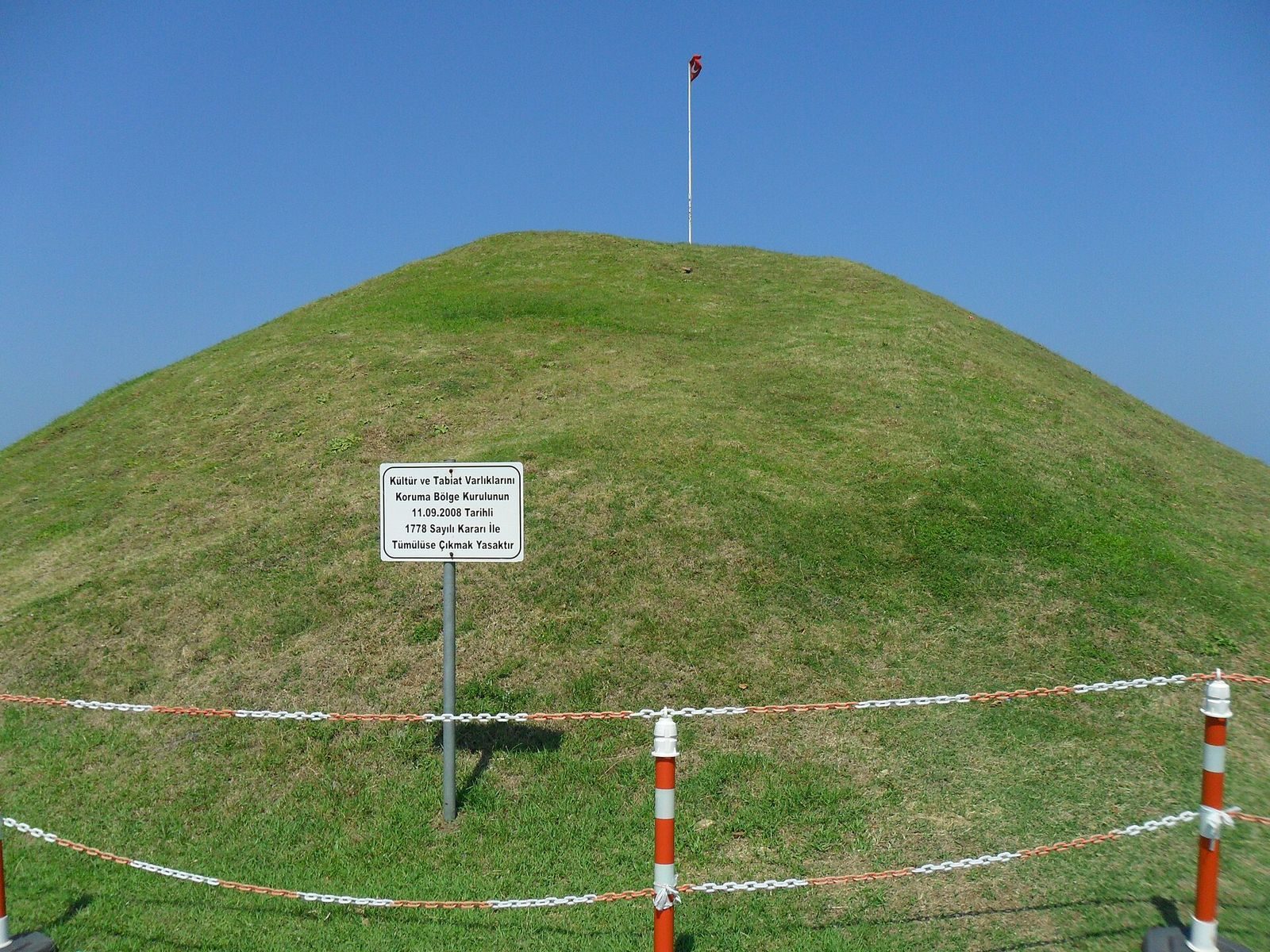
Amisos Hill is a group of burial mounds in Turkey dating to the third century BCE, during the Hellenistic period. This era followed Alexander the Great’s conquests and saw Greek culture spread across the eastern Mediterranean and western Asia. The tomb complex is thought to have belonged to a high-ranking family of the Kingdom of Pontus, a Hellenistic kingdom in the Black Sea region of Anatolia.
Known formerly as Baruthane Hill, the site was discovered on 28 November 1995. Excavations continued from 1995 to 2008. Before the tomb chambers were protected, treasure hunters looted them and damaged parts of the structures. Rescue work in the chambers recovered burial objects collectively called the Amisos Treasure, now displayed at the Samsun Archaeology and Ethnography Museum. Following excavation and restoration, completed in 2008, the site took the name Amisos Hill.
Remains
Tombs beneath the mounds
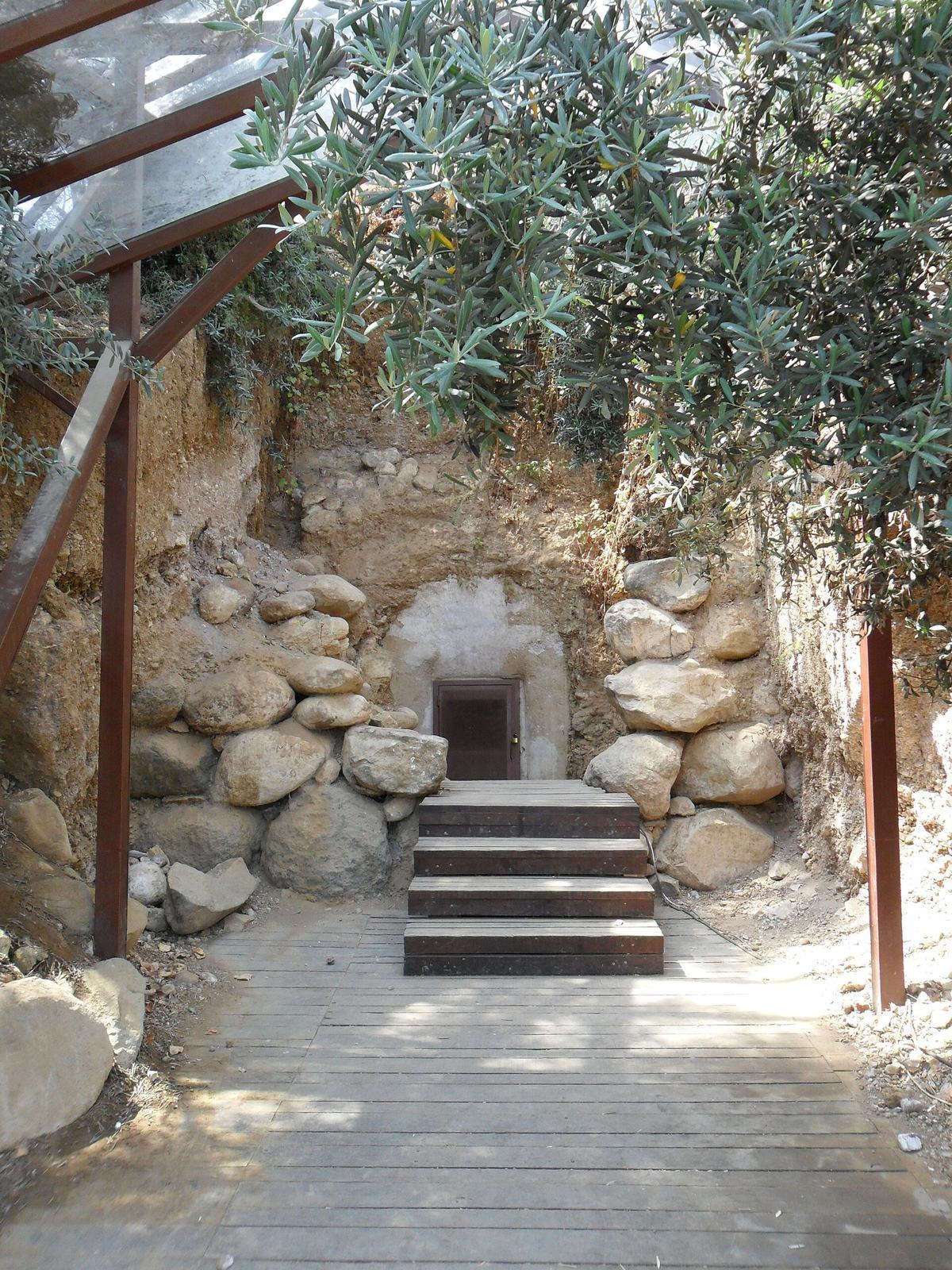
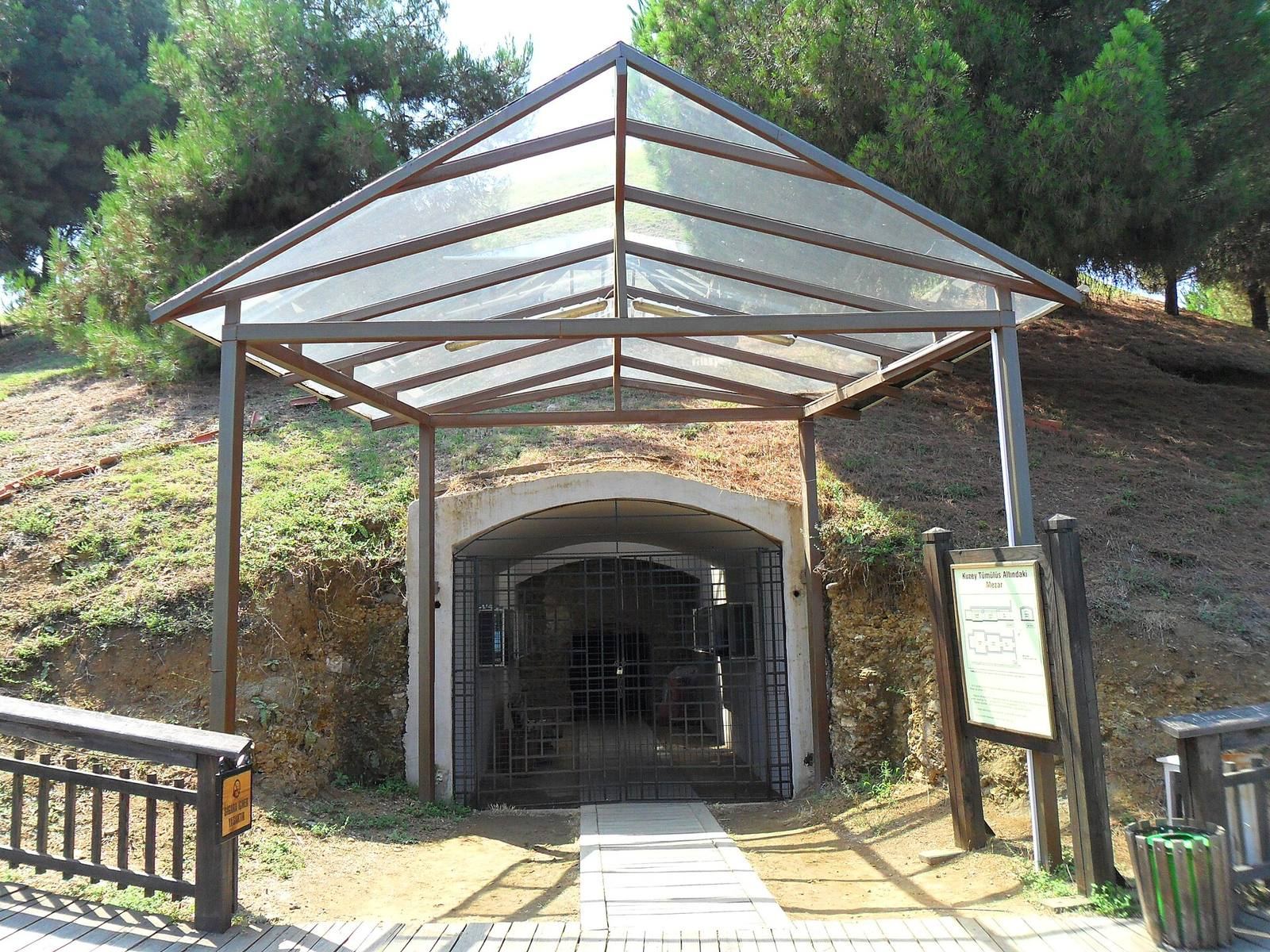
The complex has two burial mounds covering tombs cut into conglomerate, a rock made of cemented fragments of other rocks. Both tombs extend east to west, but differ in their chamber arrangements and interior finishes.
Northern mound
The northern mound rises 8 m above a tomb measuring 18 m long, 2.25 m wide, and 2.5 m high. Beneath it, three chambers are arranged in a row, with an entrance under the mound. The chamber walls are unplastered and decorated with false columns, forms that imitate columns without serving as structural supports.
Southern mound
The southern mound is 15 m high and 40 m across. It covers a two-chamber tomb measuring 6 m long, 2.5 m wide, and 3 m high. Cream-colored plaster coats the chambers’ walls, floors, and ceilings. In the front chamber, horizontal lines painted dark blue imitate stone masonry; two red lines above them are incised into the walls and painted. Yellow-painted niches frame and top the doorway to the rear chamber.
A kline, an ancient couch also used in burials, stands before the rear chamber’s west wall. Its front is painted red and black, while horizontal red stripes decorate the chamber walls.