Burgtor: Lübeck’s Northern City Gate
Site at a Glance
- Rating
- 4.6
- Popularity
- High
- Country
- Germany
- Primary era
- Medieval
- Eras represented
- Medieval, Early Modern, Modern
- Civilizations
- German, Holy Roman Empire
- Site type
- Military
- Remains
- Gate
On this page10 sections
History
Medieval and early modern defenses
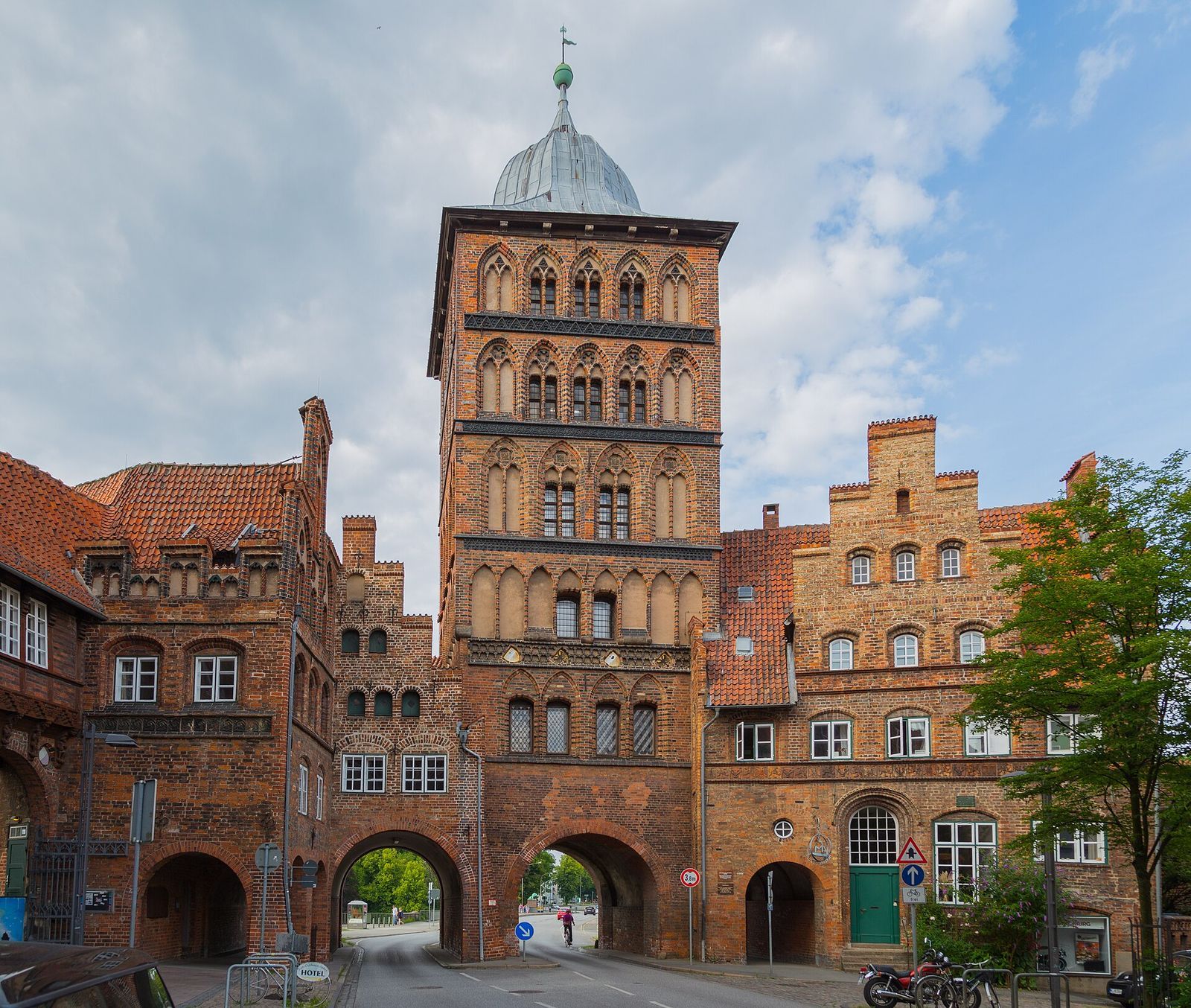
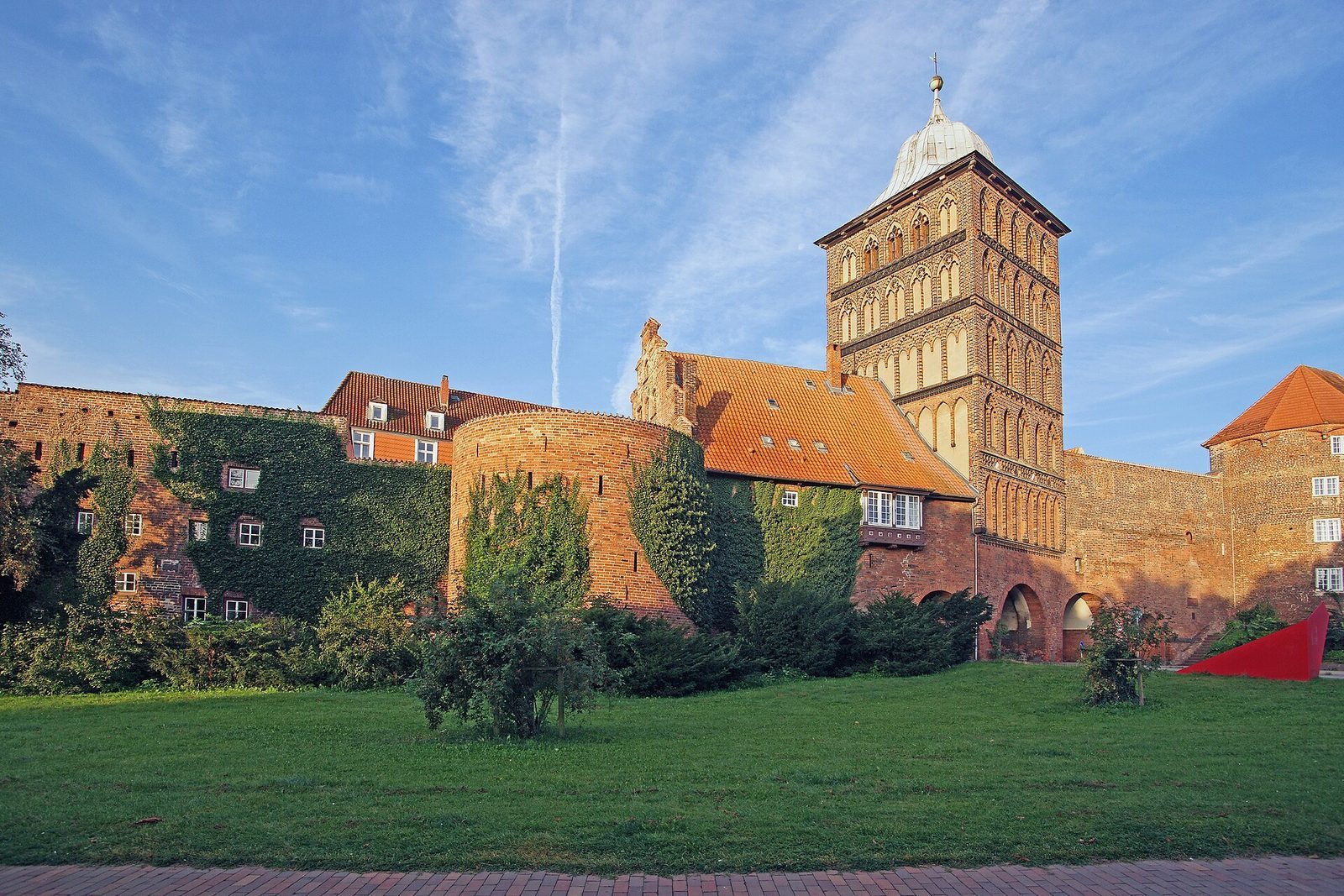
The Burgtor is a late-Gothic brick city gate built in 1444 in Lübeck, Germany. Municipal master builder Nicolas Peck constructed it to replace an earlier Romanesque gate. The gate took its name from an old castle that had been converted into the Burgkloster monastery in 1227.
The Burgtor was the inner gate in a defensive sequence. During the fifteenth century, the defenses developed into a double-gate arrangement, and a third gate was added in 1622. Its construction required the demolition of the Chapel of St. Gertrude and a smallpox hospital. The heavily fortified complex protected the only land approach to Lübeck’s inner city. In 1806, French troops entered the city through the Burgtor during the Battle of Lübeck, followed by a period of French occupation.
Nineteenth-century changes
In the nineteenth century, leaders of Lübeck’s twelve civic bodies proposed demolishing the gate to make room for a building site. The city assembly rejected the plan unanimously, considering the loss of the historic structure unacceptable, and opted to widen its passage instead. The construction of the Elbe–Lübeck Canal cut through and removed the city’s sole land approach. The Burgtor Bridge and neo-Gothic lift bridges replaced the crossing, while the pedestrian path Marstallweg was laid out in front of the gate, leading to An der Untertrave.
Following a competition initiated in 1908 by Eduard Kulenkamp, chairman of the Association of Art Friends, intrusive additions to the complex were removed.
Twentieth-century use and commemoration
In 1912, the Lübeck Senate granted writer Ida Boy-Ed lifelong residence in the gate in recognition of her service to the city. She lived there until her death in 1928. Museum director Carl Georg Heise then lived there until Nazi authorities dismissed him in 1933.
From 1934 to 1990, handweaver and embroidery master Alen Müller-Hellwig used the tower and customs house as her home and workplace. After she married violin maker Günther Hellwig, he moved his workshop there too. In 1992, her last apprentice, Ruth Löbe, took over the workshop and continued to run it until her death in January 2016. Drummer Max Zeidler and his family subsequently moved into the gate and customs house.
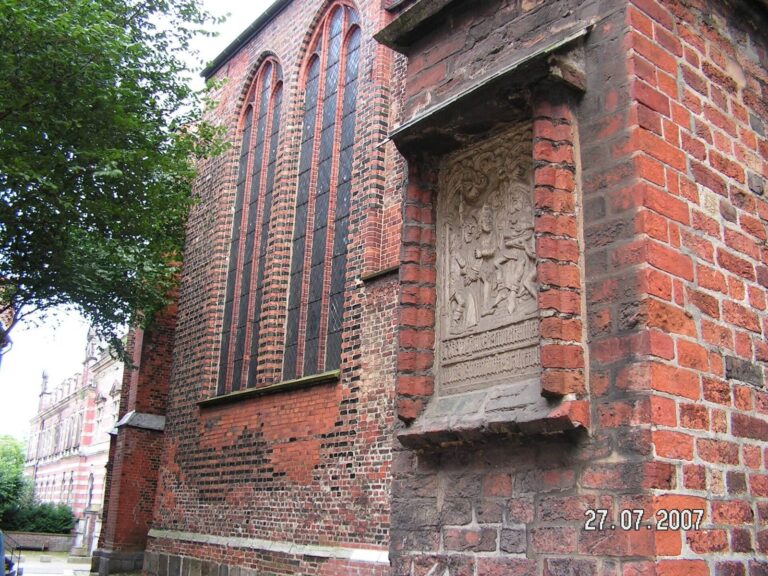
A plaque on one of the side towers commemorates Carl Hans Lody, a German spy executed in London during the First World War. After neo-Nazis held memorial events at the plaque, the city assembly ruled on 29 October 2005 that it could remain, while nationalist events nearby should be prevented.
Remains
The gate and its setting
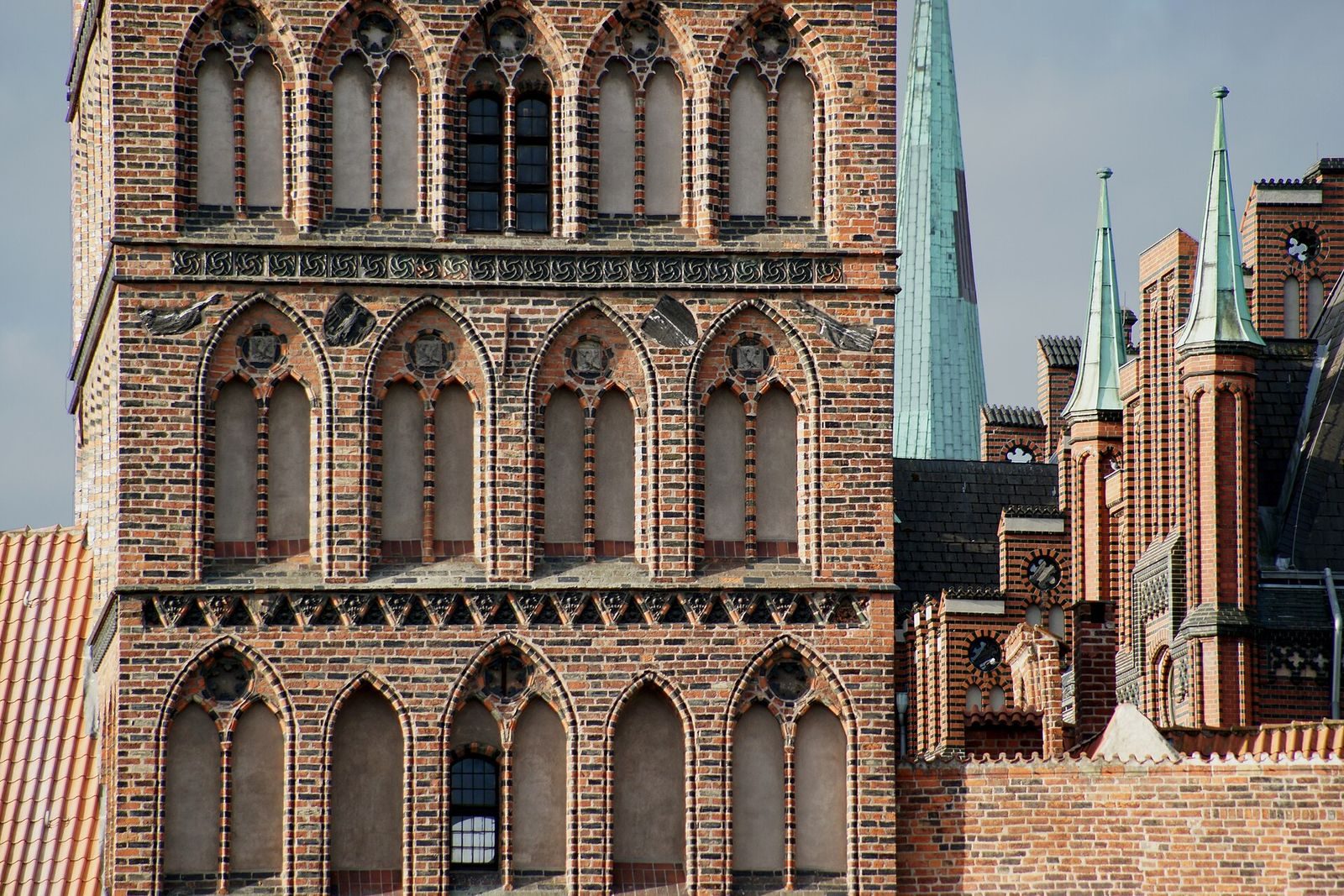
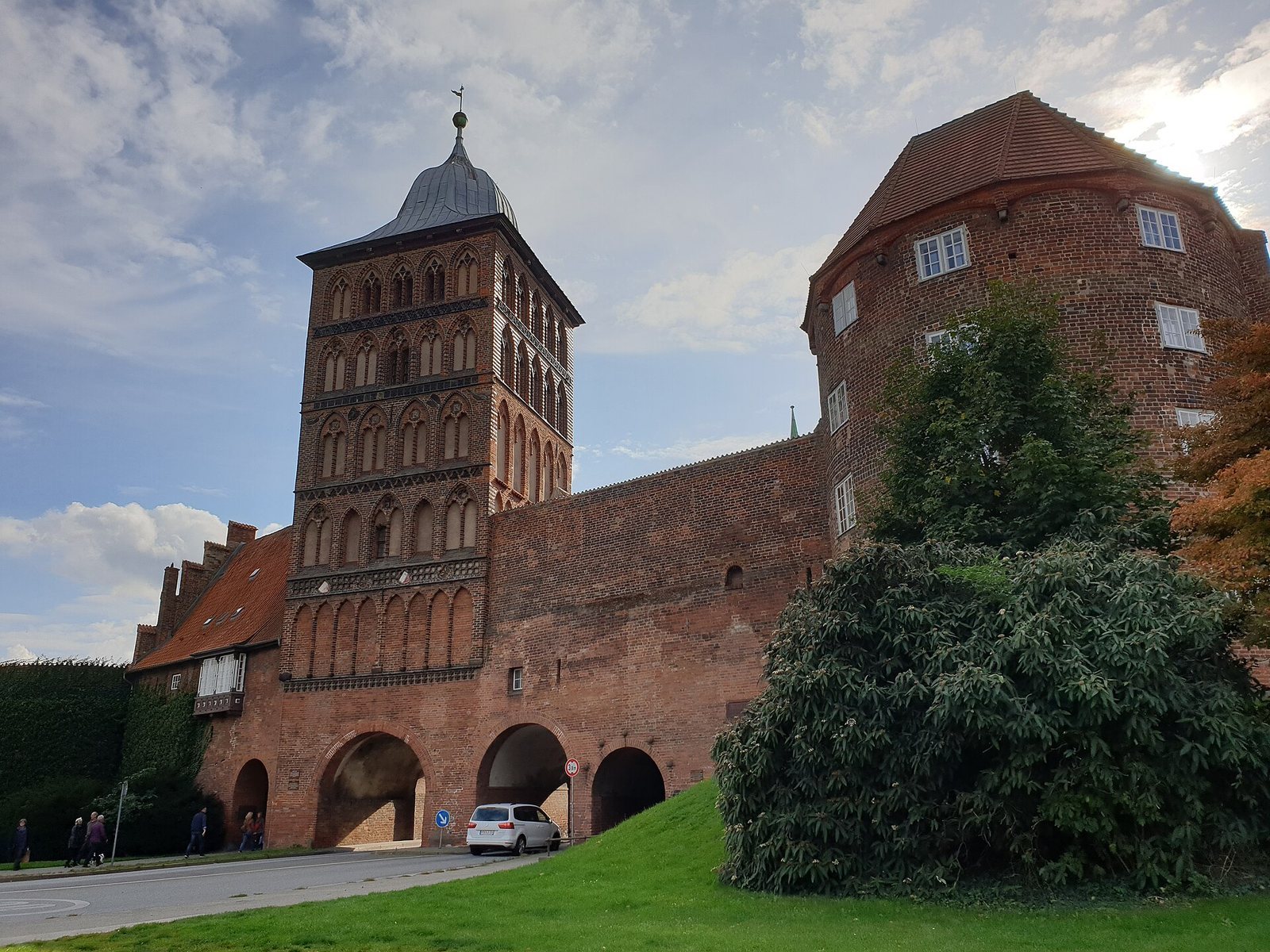
The Burgtor stands beside the Trave where An der Untertrave meets Große Burgstraße, opposite Brückenweg. Große Burgstraße passes through the gate toward the city centre. Built in brick in the late-Gothic style, the structure has pointed arches and a helmet-shaped Baroque roof added in 1685. It is one of two surviving gates from Lübeck’s former set of four.
Four passages now cross the gate. The original opening was widened with an opening on the west side in 1850, another passage in 1875, and a final one in 1928.
Former outer defenses
Between the former outer and middle gates, on a narrow strip of land between the Wakenitz and the Trave, stood the Batardeau, a stone barrier for controlling water. It was popularly nicknamed the Bear.
Adjacent buildings and sculpture
Marstall and customs house
The gate is joined by the Marstall, a former stable building, and the Zöllnerhaus, or customs house. Both buildings have terracotta friezes. The customs house’s Renaissance frieze came from the workshop of Statius von Düren, a German artist and craftsman of the Renaissance.
Bridge sculptures
On the far side of the Burgtor Bridge, a monumental seated Lübeck lion by sculptor Fritz Behn stands on each side. The pair relates thematically to the reclining lions by German Neoclassical sculptor Christian Daniel Rauch in front of the Holstentor. A sculpture group by Swiss sculptor Karl Geiser stands in the green space behind Behn’s lions.