Kumanica Monastery: A Serbian Orthodox Monastery in Vrbnica
Site at a Glance
- Rating
- 4.9
- Popularity
- High
- Country
- Serbia
- Primary era
- Early Modern
- Eras represented
- Medieval, Early Modern
- Civilizations
- Ottoman, Serbian
- Site type
- Religious
- Remains
- Monastery
On this page7 sections
History
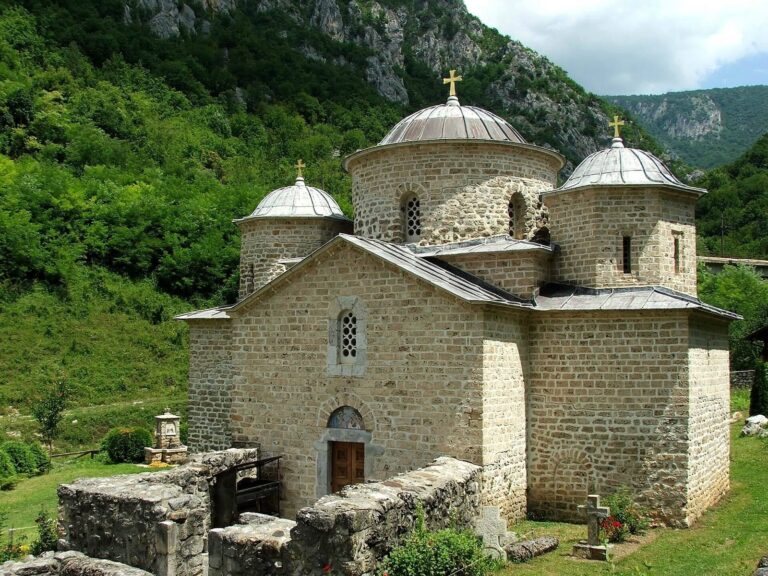
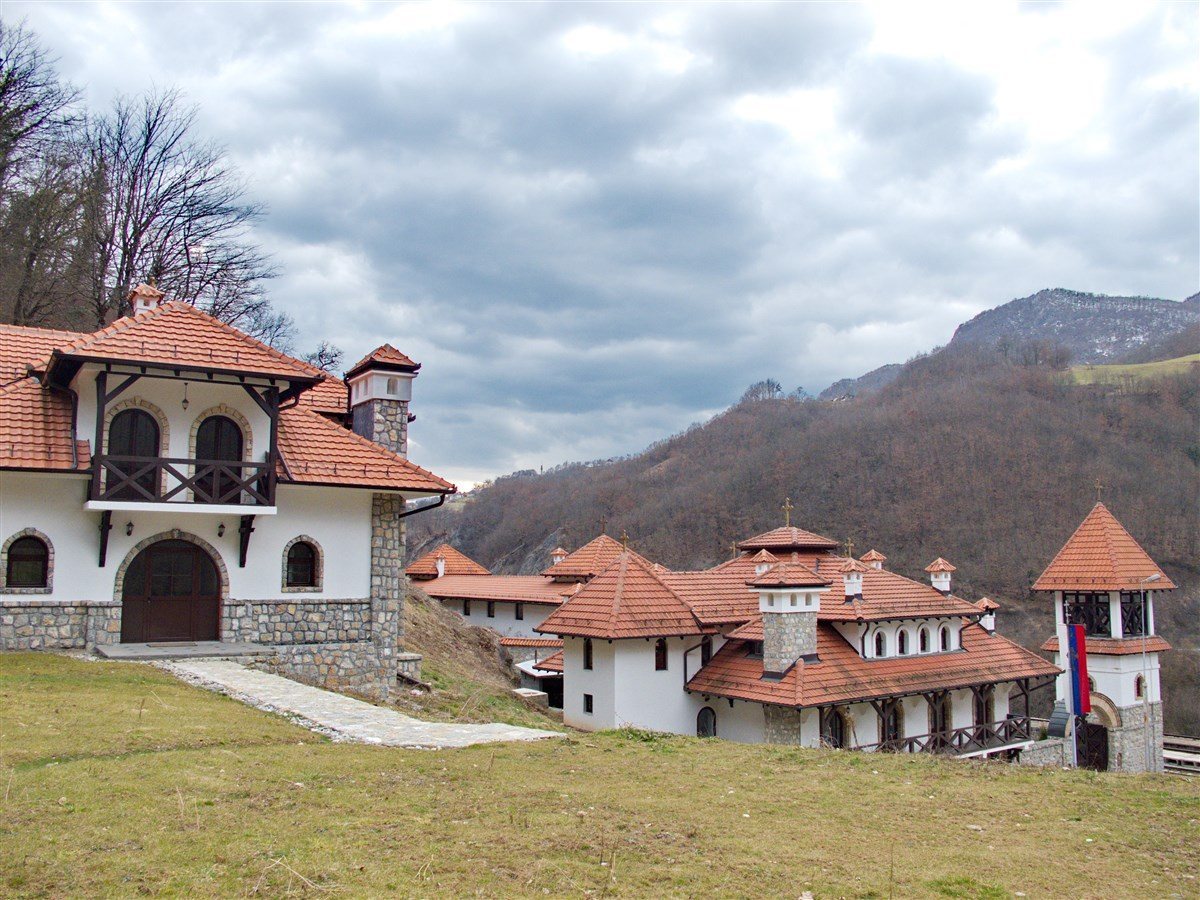
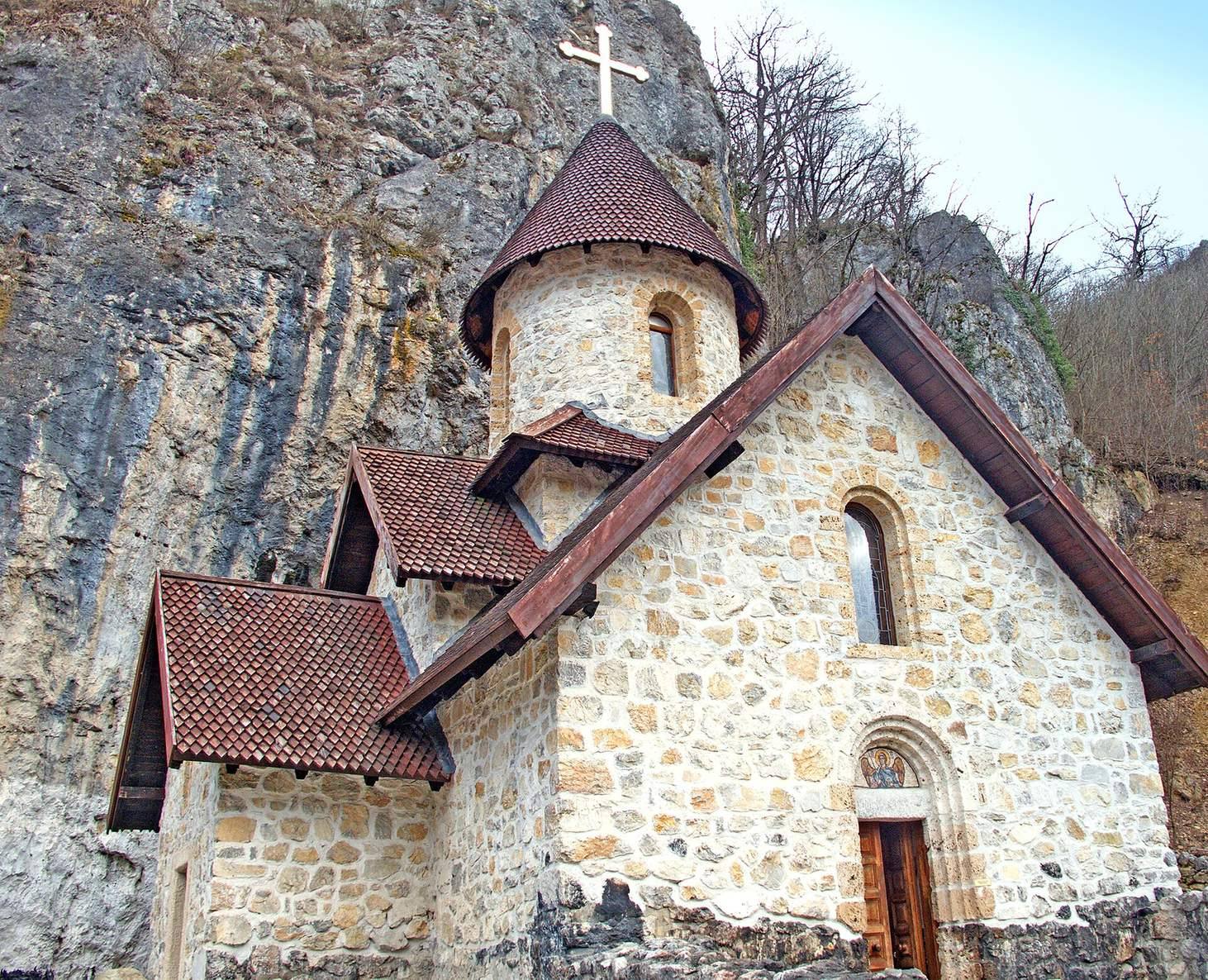
Kumanica Monastery is a Serbian Orthodox monastery at Vrbnica in Sjenica Municipality, Serbia, in the Lim River valley. It belongs to the Serbian Orthodox Church’s Mileševa diocese and is dedicated to the Archangel Gabriel. The original church’s date is uncertain, although the monastery’s history reaches into the late medieval period and its first written mention dates to 1514.
Medieval and early modern monastery
The church’s construction date cannot be established securely. A later assessment by Đorđe Bošković placed it in the 16th or 17th century. The monastery is thought to have flourished especially in the second half of the 16th century and during the 17th century, when it owned three fields in nearby Vrbnica. It appears twice in the Kruševo commemorative register.
Monastic life is also reflected in two books associated with Kumanica. In 1580, Visarion, a monk ordained as a priest, copied a Prologue, a devotional collection of saints’ lives and feast-day readings. A Gospel was donated to the monastery in 1604.
Decline and restoration
The monastery fell into ruin and neglect in the second half of the 18th century. The fate of the relics of Saints Grigorije and Haralampije is uncertain. One version holds that the Pržići family of Bijelo Polje intended to take them to the Church of Saint Nicholas at Grigoriat on Mount Athos, in exchange for half the offerings made by those who venerated the saints. After the monks refused, the family allegedly cut the relics into pieces and sold them. Another possibility is that they had already been broken when entrusted to Antonije Simonović of Bijelo Polje in 1700.
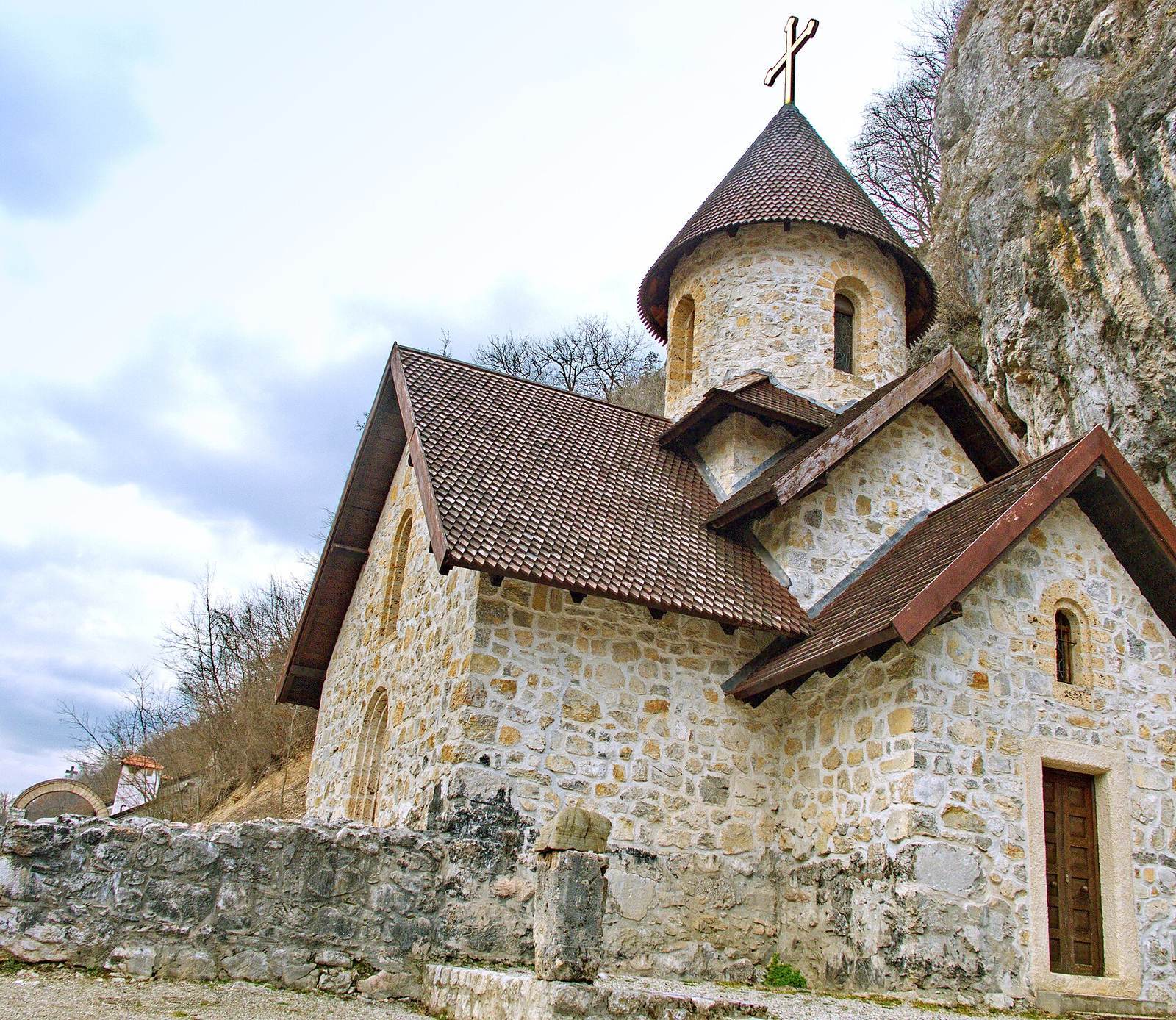
Aleksandar Deroko found the church in ruins in 1926 and made its first survey and ground-plan drawing. Bošković added to the drawing in 1933 and proposed a 16th- or 17th-century date for the church. Cleaning, excavation, and partial restoration took place in 1971. After a long period of abandonment, the monastery was restored and reconstructed in 2000, then consecrated on 12 November that year. It is protected as a cultural monument and designated a Cultural Monument of Exceptional Importance in Serbia.
Name and continuing devotion
The origin of the name Kumanica is uncertain. Proposed explanations connect it with an old word for blackberry, monks who fled from Kumanovo, or the Cumans, a nomadic people of the Eurasian steppe. The most widespread explanation links the name to the local noble family Kumanci, also known as the Kumaničići, later associated with the Rudnik region.
The monastery’s feast is held on 26 July and includes a summer gathering attended by tens of thousands of believers. People of other faiths also hold the monastery in high regard.
Remains
Church and grounds
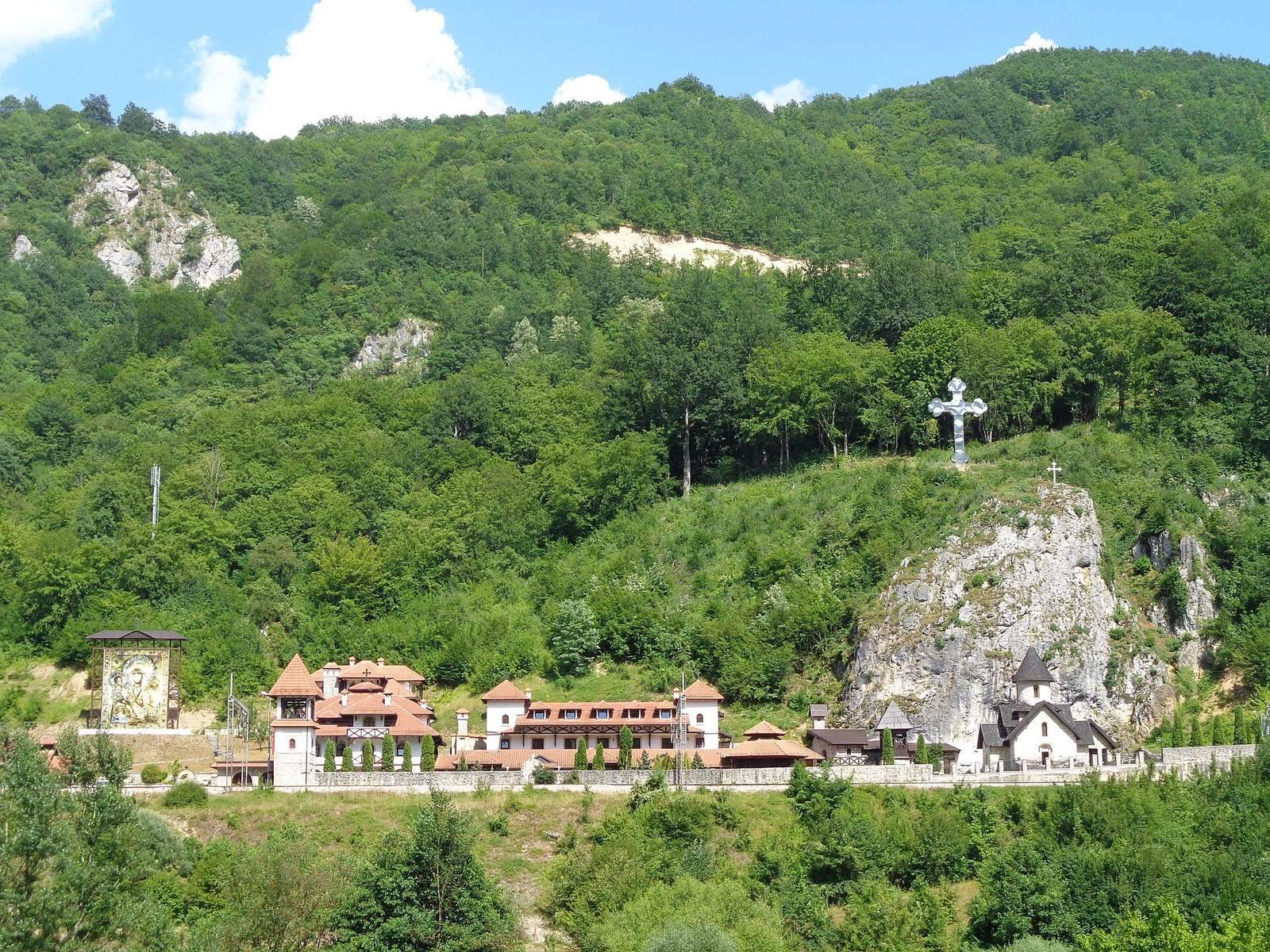
Kumanica lies in the Lim River valley between Prijepolje and Bijelo Polje, beside the Belgrade–Bar railway and a main road. Slab fragments preserved among the ruins are attributed to the late 13th through the mid-15th century. The railway retaining wall is positioned 5 metres from the church, and railway construction destroyed the monastery’s northern area.
Relics
The monastery houses relics attributed to Saint Grigorije of Kumanica. A record describes him as a Serbian enlightener and former archbishop, and claims descent from the Nemanjić dynasty, a medieval Serbian ruling family. These claims are regarded as legendary, and Grigorije’s historical identity remains uncertain.