The Wool House: A Medieval Wool Warehouse in Southampton
Site at a Glance
- Rating
- 4.2
- Popularity
- Low
- Country
- United Kingdom
- Primary era
- Medieval
- Eras represented
- Medieval, Modern
- Civilizations
- English
- Site type
- Economic
- Remains
- Warehouse
On this page5 sections
History
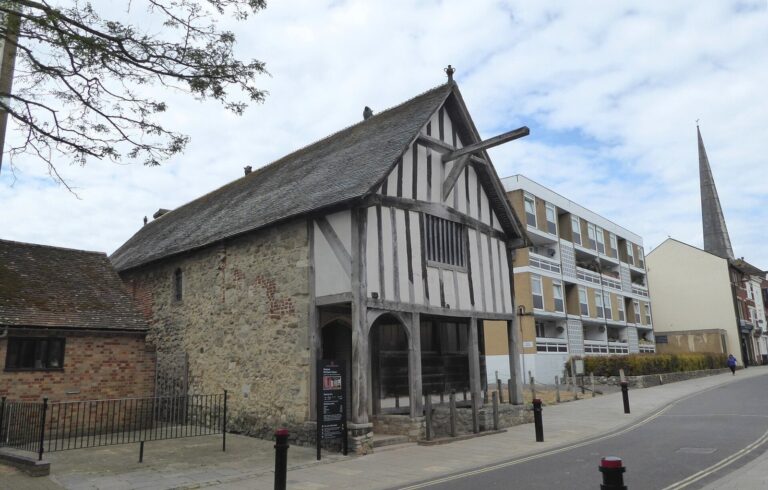
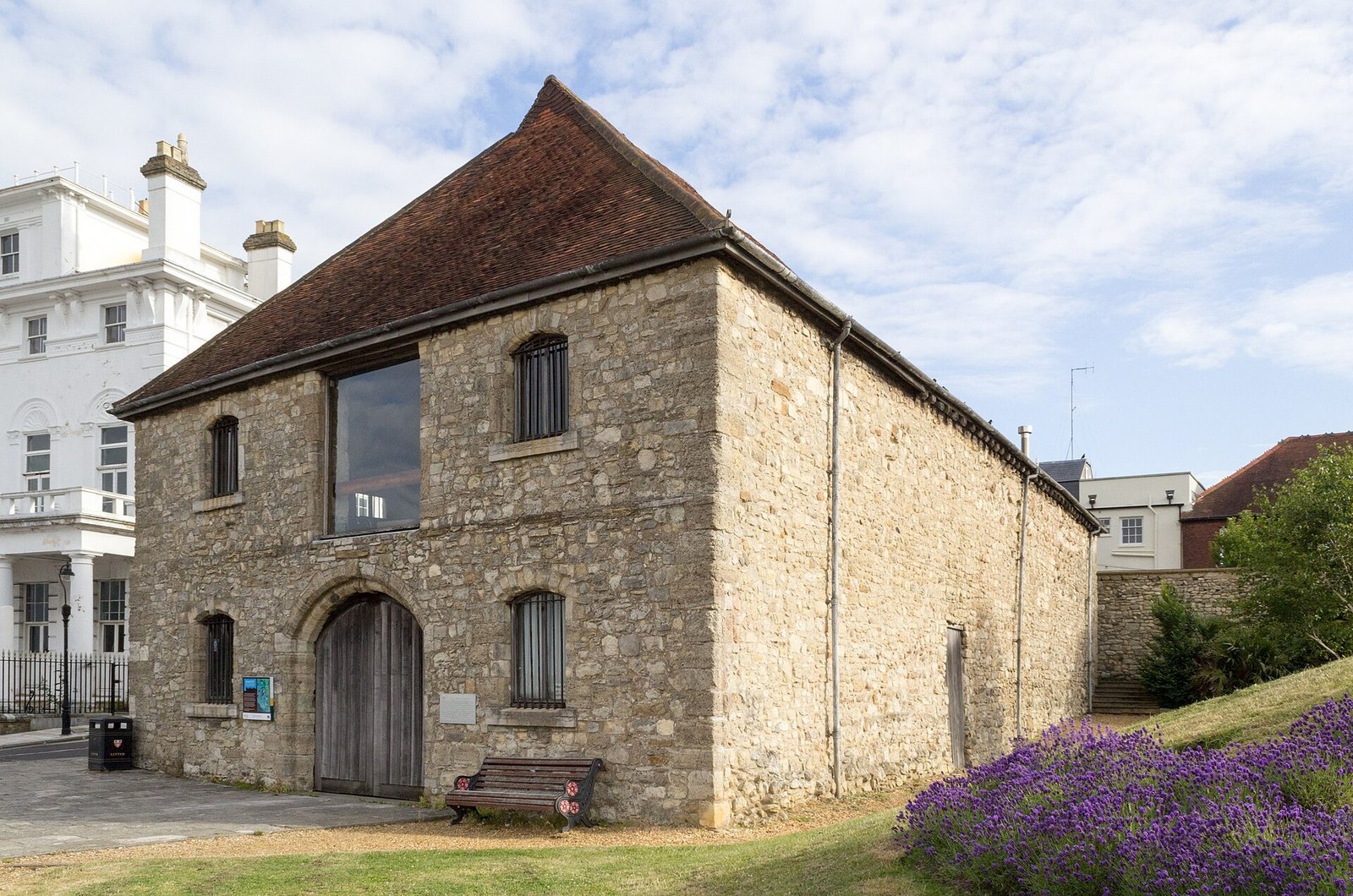
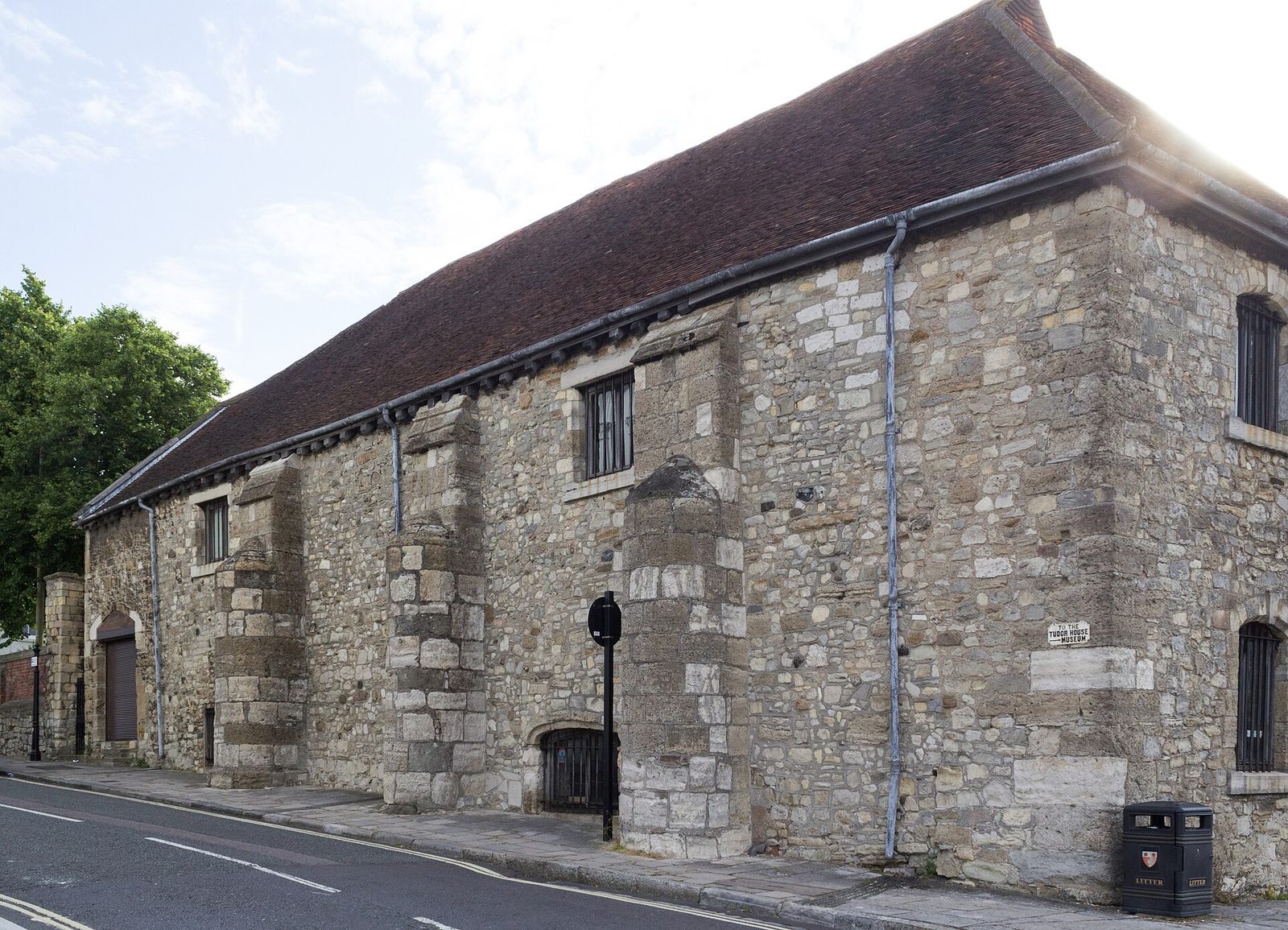
The Wool House is a late 14th-century medieval warehouse on Bugle Street in Southampton, United Kingdom, built to store wool awaiting export. Its role in a trade that helped sustain Southampton’s medieval prosperity gives the building a place in the city’s commercial history.
Medieval trade and wartime use
Wool stored at the warehouse was shipped to Italy and other parts of the Continent aboard Venetian and Genoese galleys, vessels powered chiefly by oars, and carracks, large sailing ships used for long-distance trade. Venice and Genoa were major maritime trading powers in the medieval period.
During the Napoleonic Wars, a series of conflicts between France under Napoleon Bonaparte and European powers from 1803 to 1815, the building housed French prisoners of war.
Engineering and aviation
In the early 20th century, the Moonbeam Engineering Company occupied the premises. It built motor launches and later sold wrought-iron propellers and marine engines for export. Edwin Moon, an English aircraft designer and early aviator, used part of the workshop to construct an aircraft of his own design. He flew it from North Stoneham in 1910, from fields that later became Southampton International Airport.
Museum and later uses
Southampton City Corporation restored the building and adapted it for use as the Southampton Maritime Museum, which opened in June 1966. The museum covered the maritime history of Southampton and the Solent, the strait between the Isle of Wight and mainland southern England. Its displays included Southampton’s role as an ocean-liner base and the city’s connections to RMS Titanic, a British passenger liner. The museum moved to SeaCity Museum in January 2012.
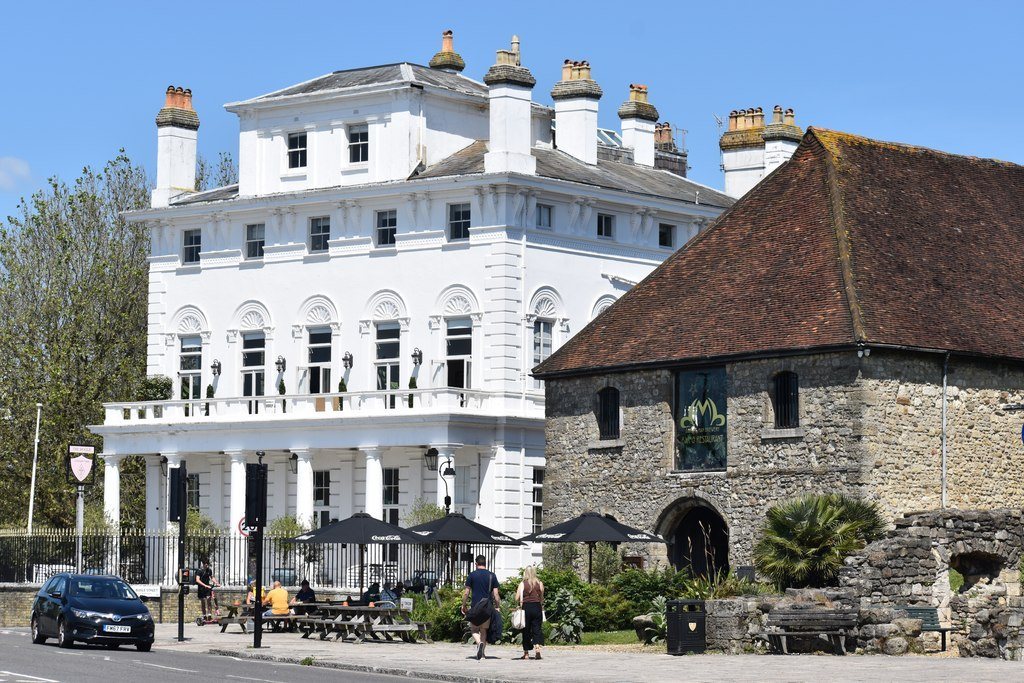
From June 2013, the arts organization Element Arts used the Wool House briefly as a gallery and community arts venue. Plans to turn it into a microbrewery and pub were approved in 2014, and it reopened as a brewpub and restaurant on 27 February 2015. The building has been Grade I listed since 14 July 1953, the highest category of listing for buildings of special architectural or historic interest in England.
Remains
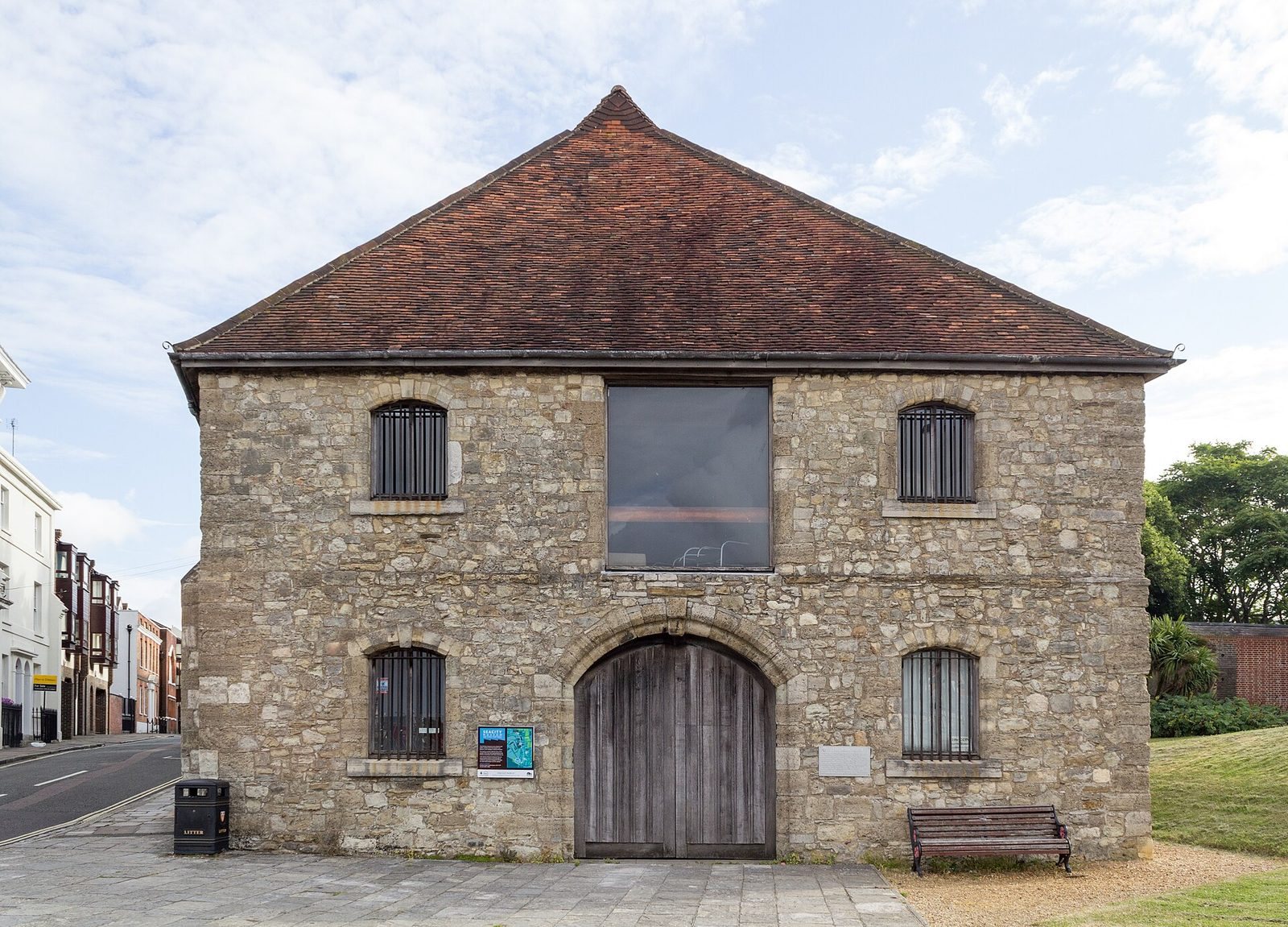
The surviving building is a medieval warehouse on Bugle Street. A plaque on its wall recounts its history, and names of some French prisoners of war remain carved into the roof beams.