St. Mary of the Assumption Church: A Roman Catholic Parish in Zemun
Site at a Glance
- Rating
- 4.6
- Popularity
- Medium
- Country
- Serbia
- Primary era
- Early Modern
- Eras represented
- Early Modern, Modern
- Civilizations
- Austria-Hungary, Austrian Empire, Habsburg, Habsburg Austria
- Site type
- Religious
- Remains
- Church
On this page8 sections
History
Parish and earlier church
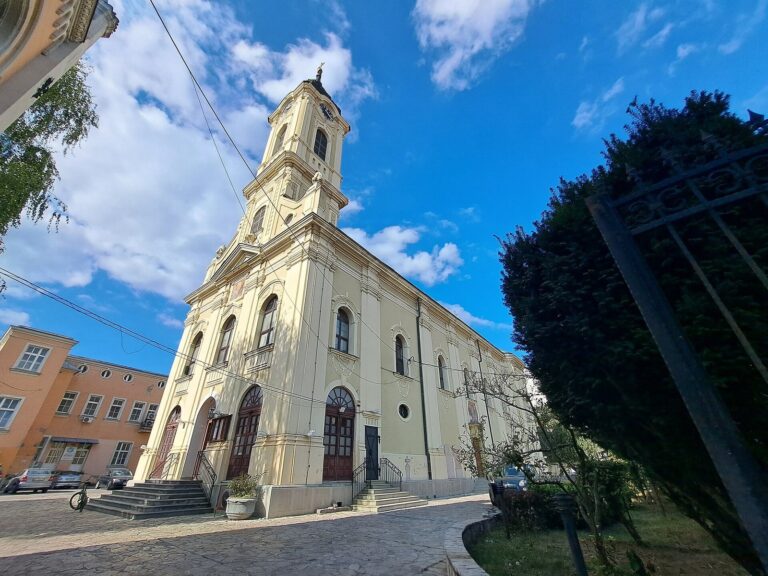
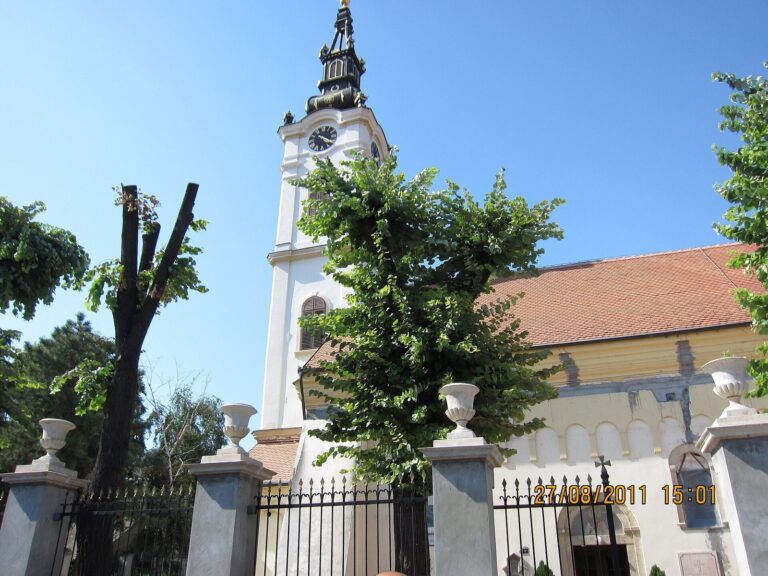
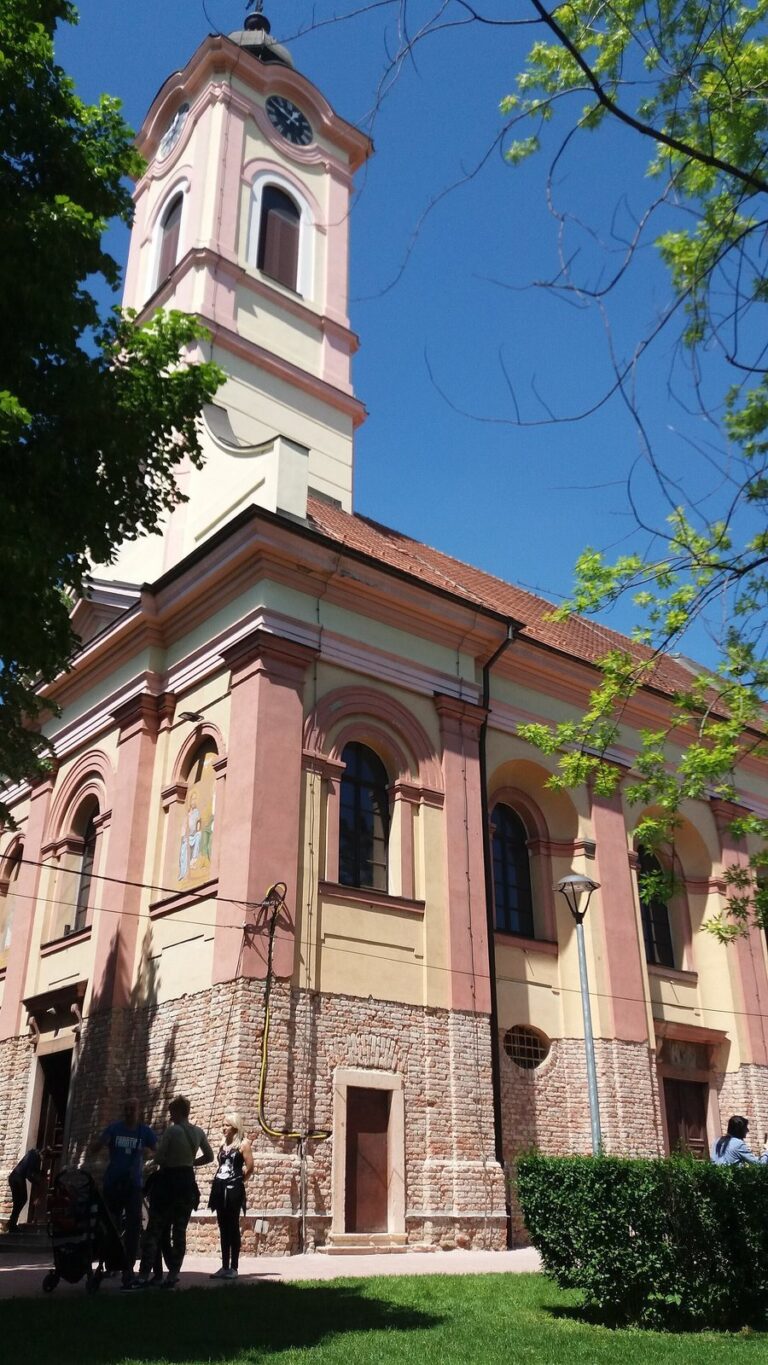
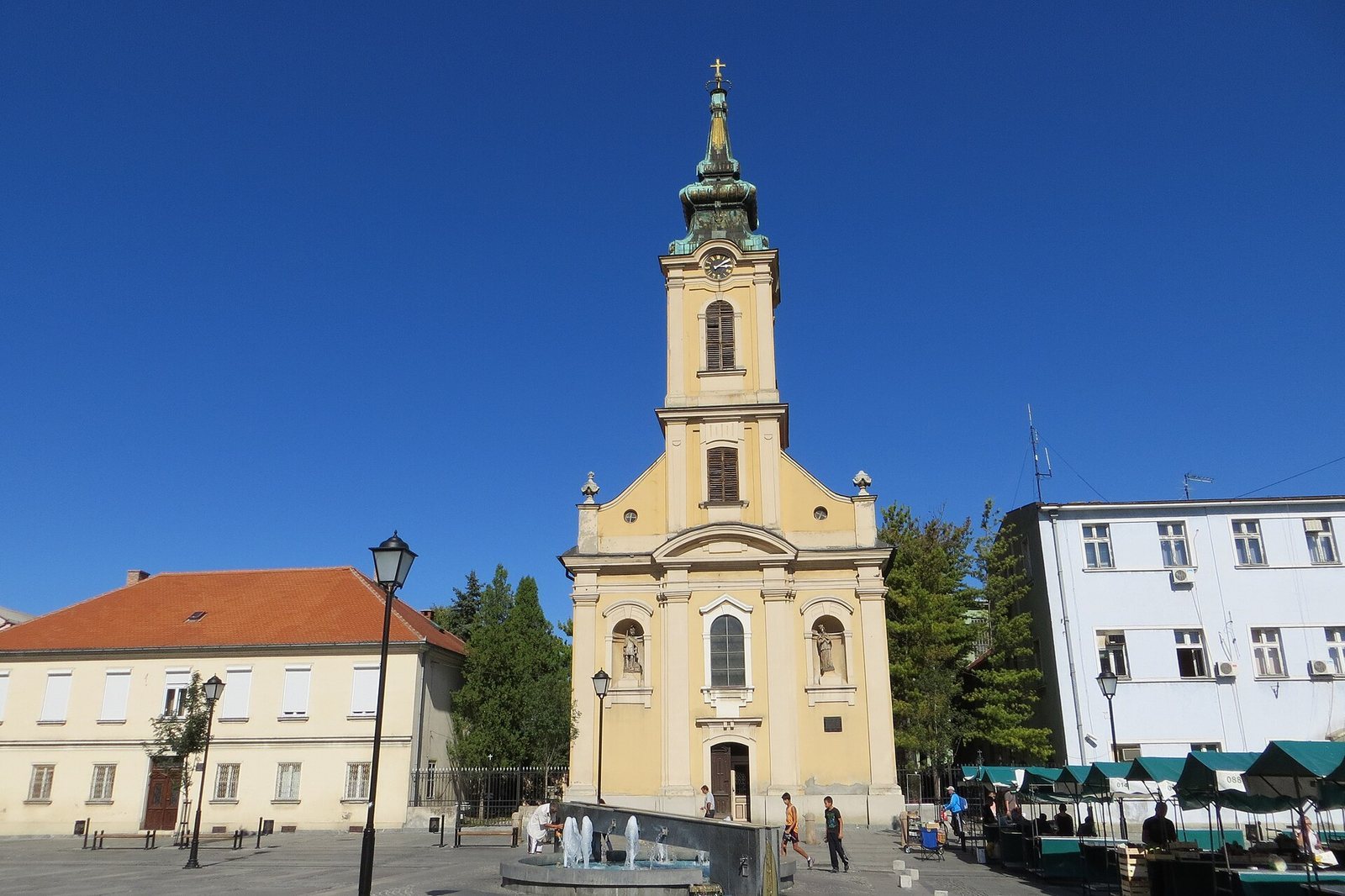
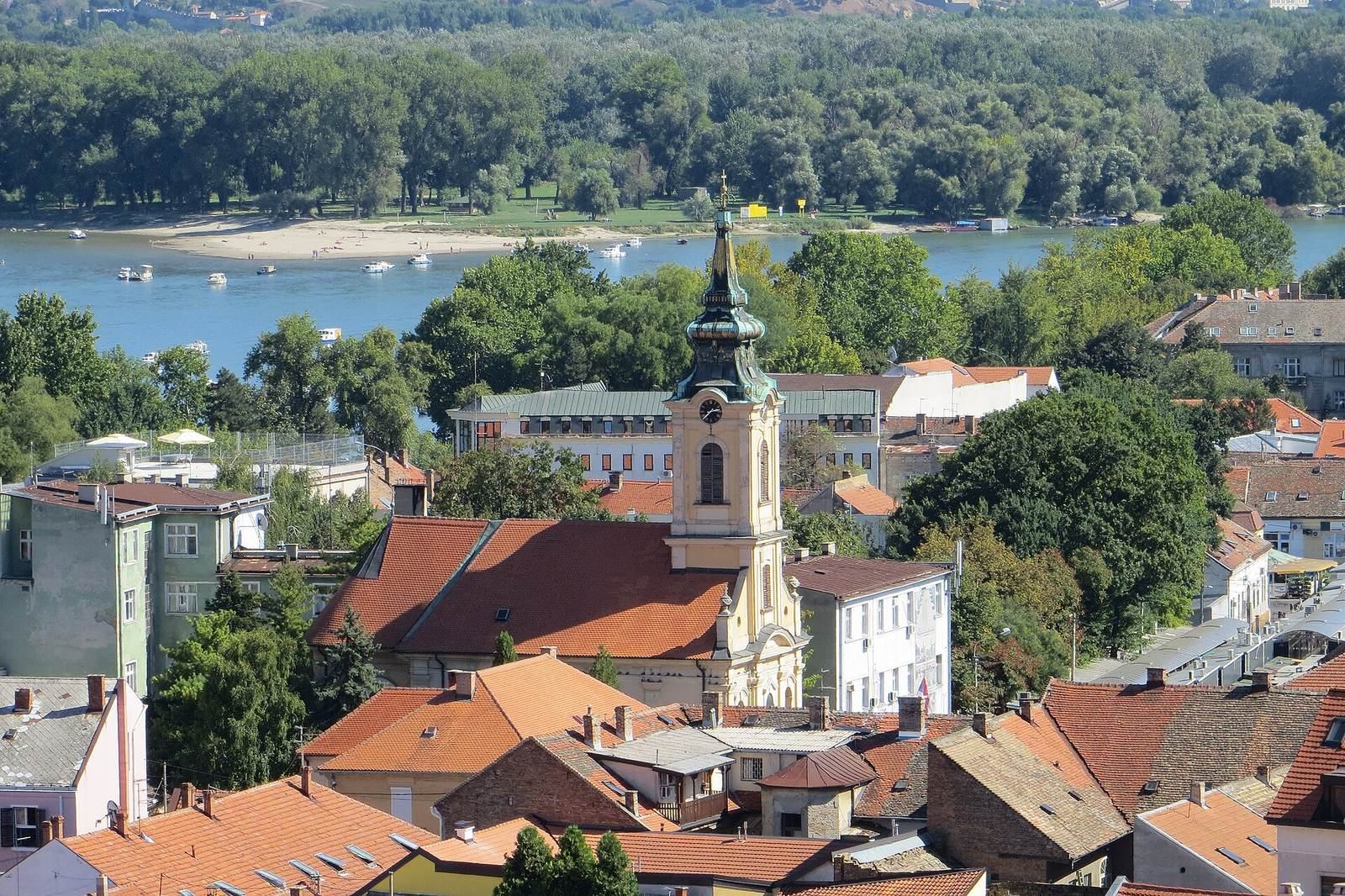
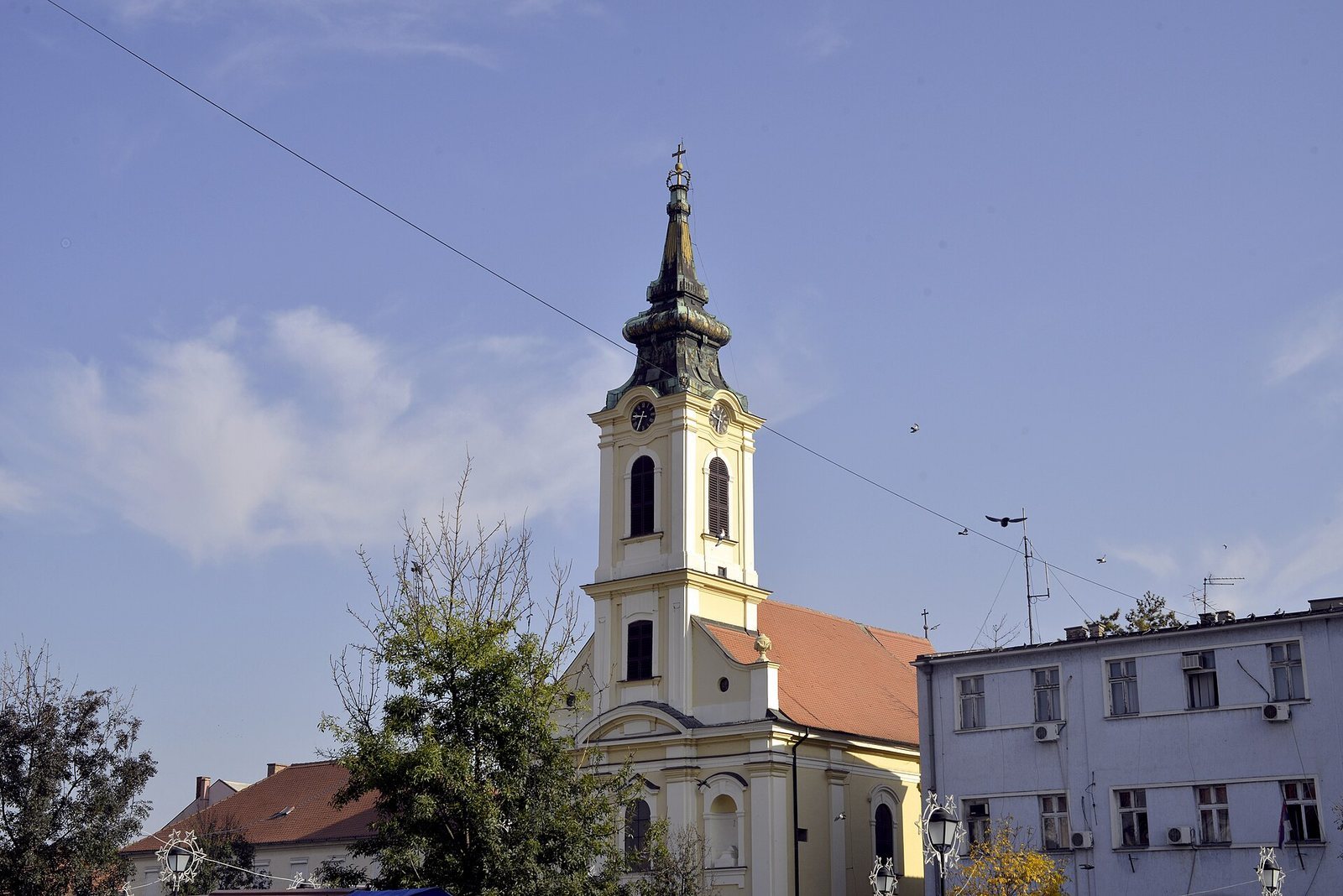
St. Mary of the Assumption Church is a Roman Catholic parish church on Veliki trg in Zemun, Serbia. Built in the late eighteenth century, its design combines Empire style, a neoclassical style associated with Napoleonic France, and Baroque elements.
After the Habsburgs, a European ruling dynasty, conquered Zemun in 1717 and the Ottomans departed, more Christians settled in the town. Capuchin priests, members of a branch of the Franciscan order, arrived around 1721 and re-established the Catholic parish in 1727. They turned an abandoned mosque into a church and placed there a copy of an image of the Virgin Mary with Jesus. Worshippers venerated it as Our Lady of Zemun.
In 1744, the German priest Adam Bittner took charge of the parish, leading it for the next 35 years. He proposed building a new church while keeping the existing one as a memorial. After Bittner died in 1784, demolition began on the old church, the parish house, and the school.
Construction and later use
The cornerstone of the present church was blessed on 3 August 1785. Construction took about a decade, and the church opened and was consecrated in 1795. Its tower was still unfinished in 1811, and the building was altered in 1817. The bells were ceremonially raised into the tower in April 1924.
After the Second World War, the Catholic population declined and the church became less important to the town. Interior remodelling took place in the 1980s, followed by a restoration of the interior in 2006. In early 2003, a library named for Ilija Okrugić, a Croatian Catholic priest, poet, and playwright, opened within the church complex with a collection of 3,000 books.
The church remains an active parish and a spiritual centre for local Catholics. It belongs to the Diocese of Syrmia, within the Archdiocese of Đakovo-Osijek, and is owned by the Roman Catholic Church. Serbia designated it a cultural monument in December 2022.
Remains
Church building
Nave and vault
The church has a single nave, its main lengthwise interior space, covered by a semicircular vault with a half-round cross-section. It faces east, unlike the westward orientation usual for Roman Catholic churches. Empire-style design and Baroque elements shape its architectural character.
Organ
An organ dating to 1910 is housed in the church. It was restored in 2009.
Courtyard feature
The courtyard contains a capital, the upper part of a column, from a church in Francenstal, now Novi Grad. That church was demolished in 1948.