Church of St Dubricius, Porlock: A Medieval Parish Church
Site at a Glance
- Rating
- 3.6
- Popularity
- Very Low
- Country
- United Kingdom
- Primary era
- Medieval
- Eras represented
- Medieval, Modern
- Civilizations
- British, English
- Site type
- Religious
- Remains
- Church
On this page9 sections
History
Foundation and dedication
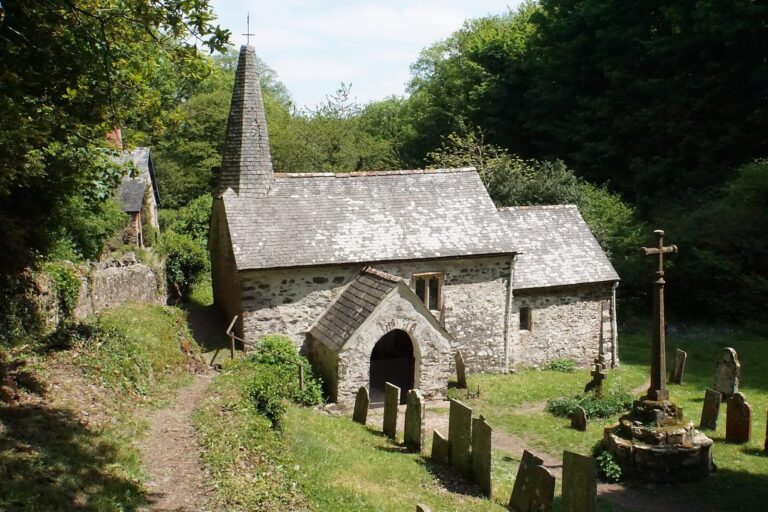
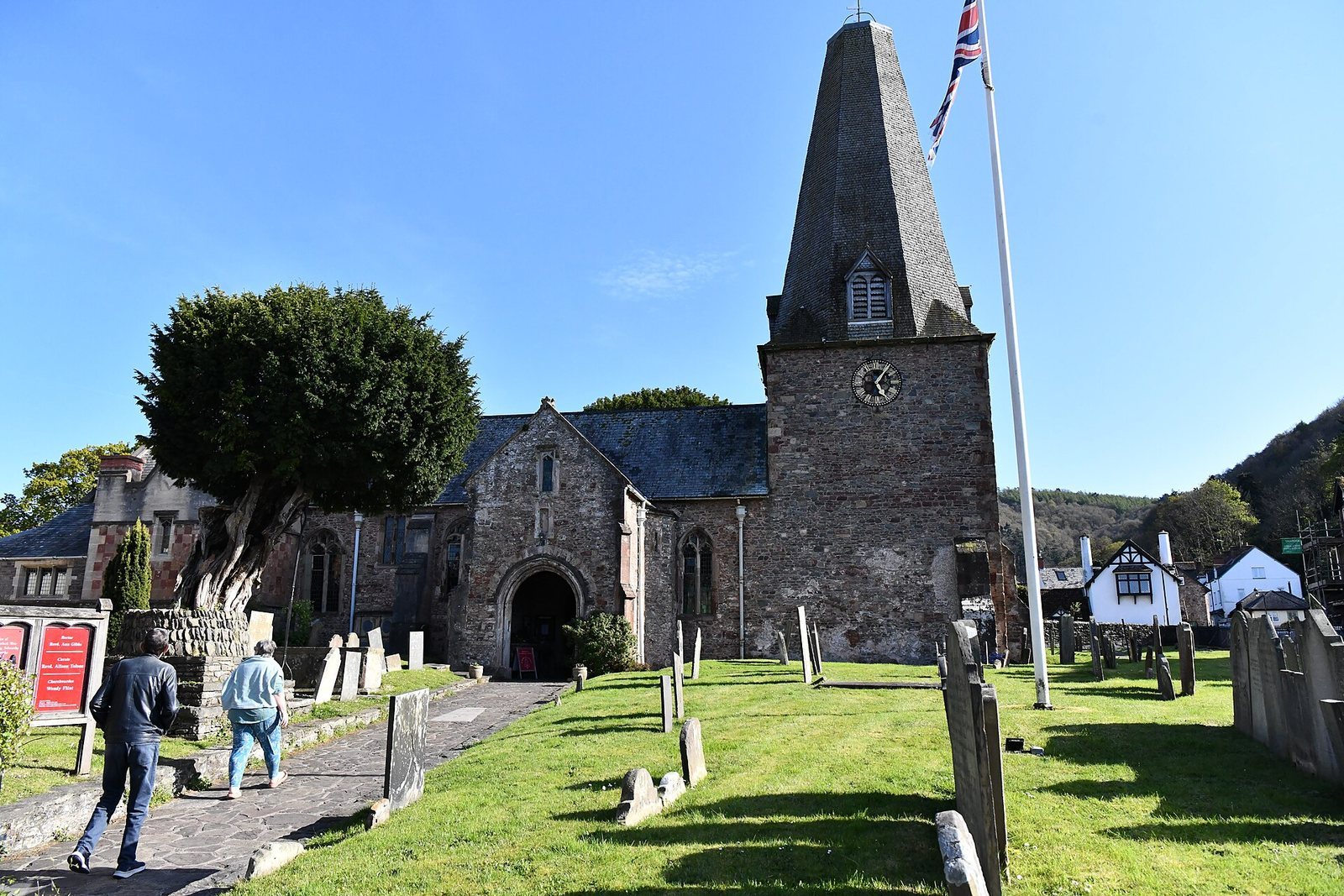
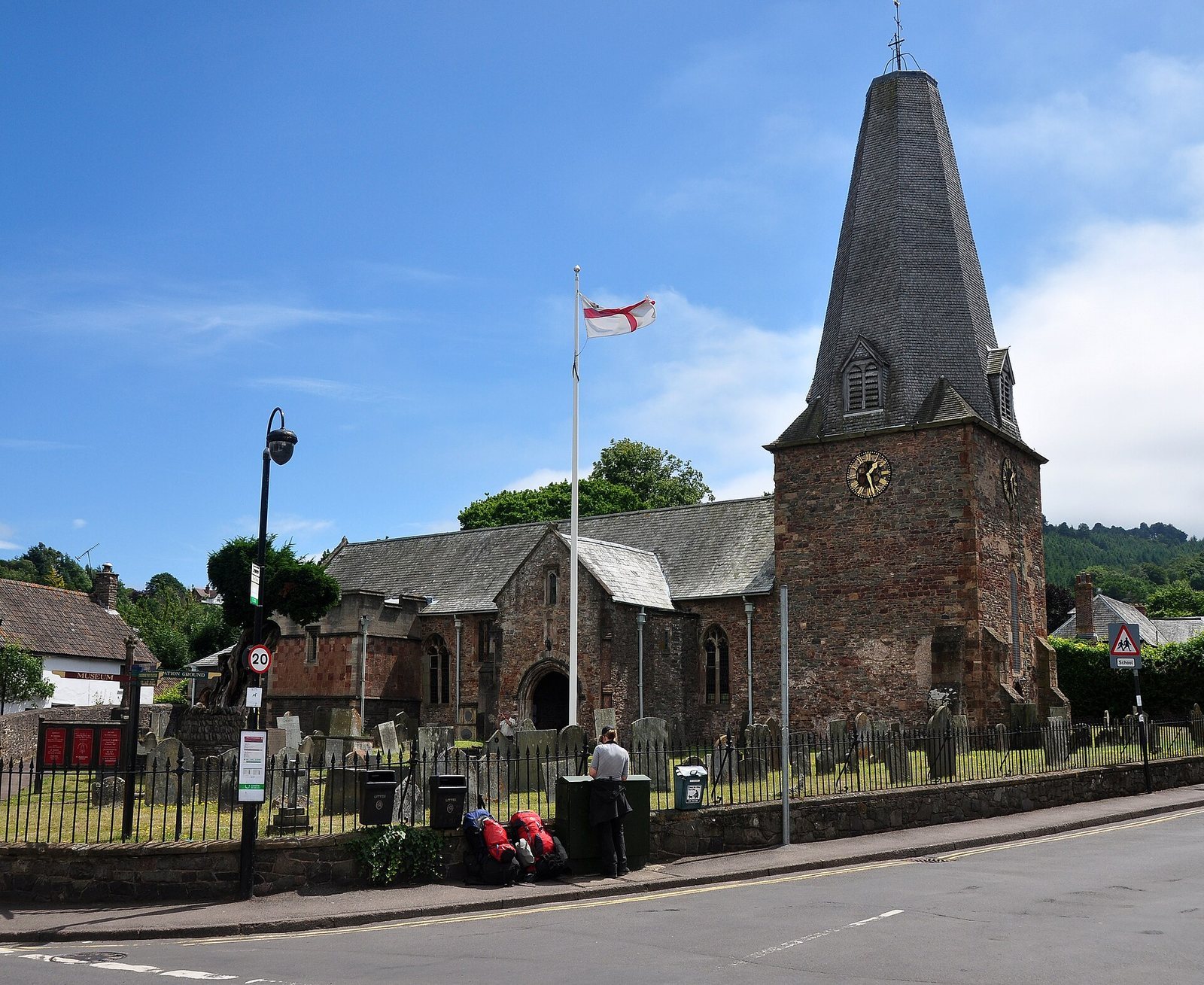
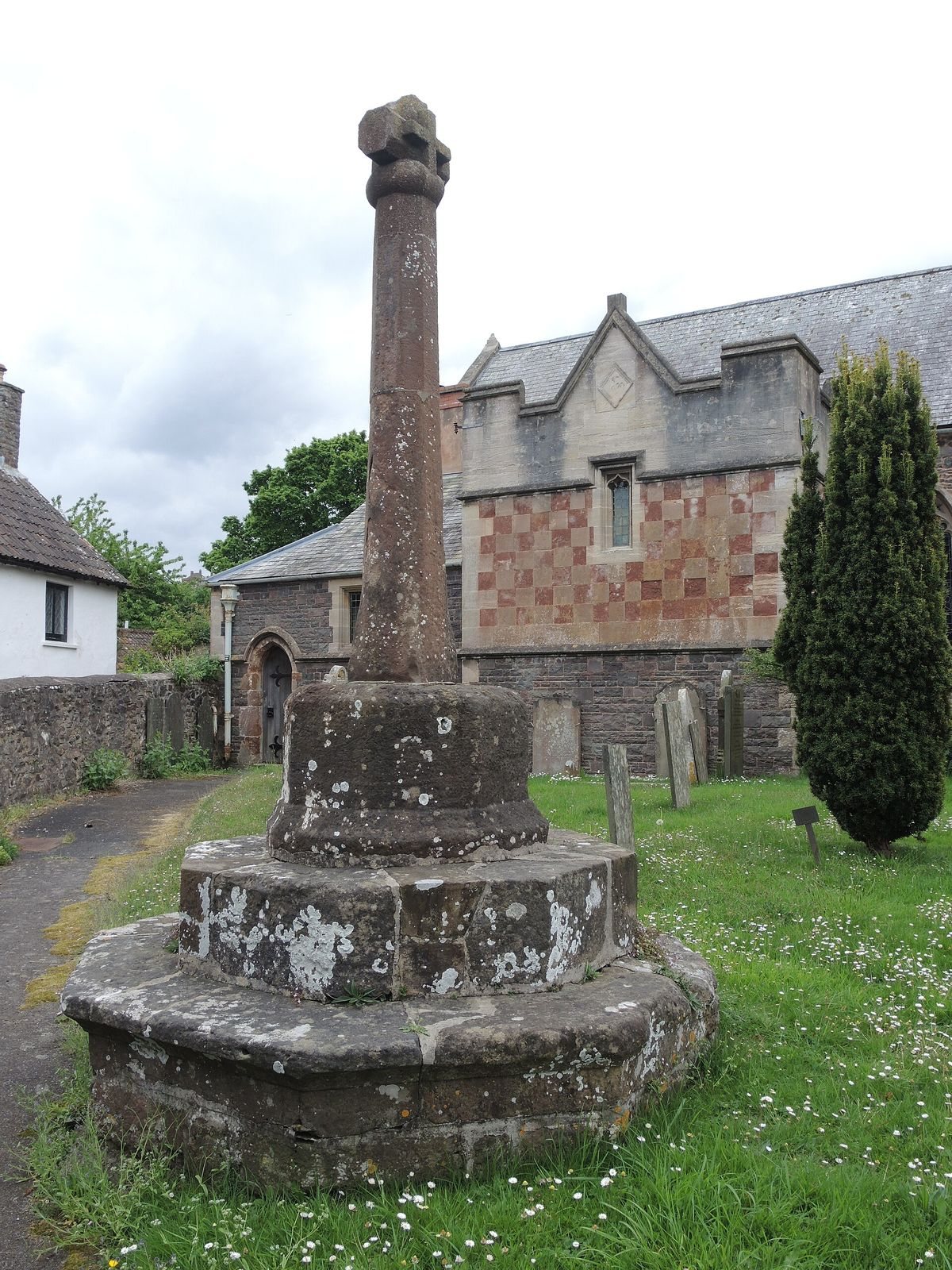
The Church of St Dubricius is an Anglican church in Porlock, United Kingdom, founded in 1201 and dating to the 13th century. It occupies the site of an earlier church that may have stood there around 1120. The dedication is to Dubricius, a sixth-century Briton churchman revered as a saint, also known as Dyfrig and by the Norman-French form Devereux. His life is placed around 465–550, with 612 also given as a possible date. The dedication may point to a journey by Dubricius to this area.
Medieval patrons and restoration
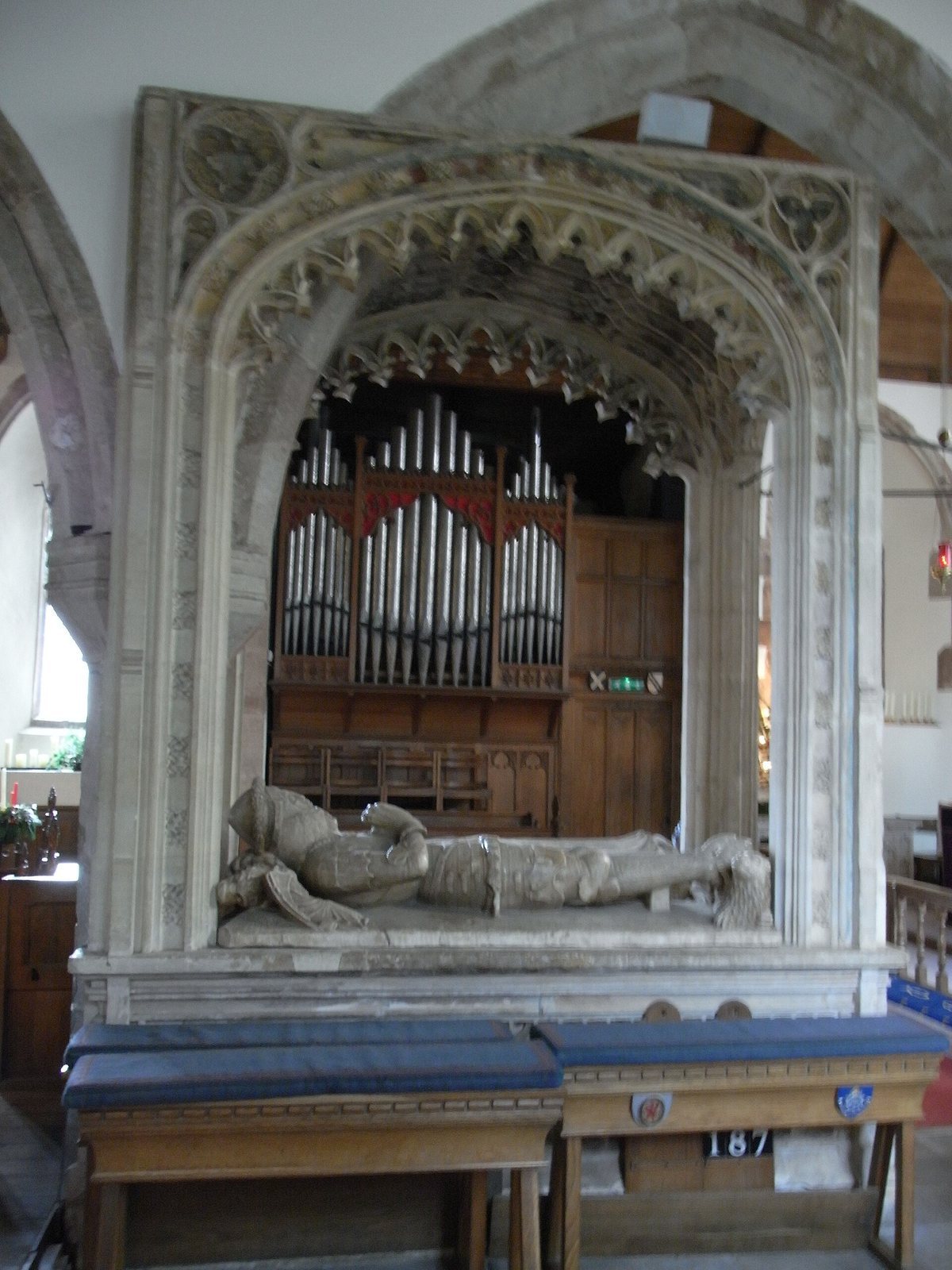
John Harington (1384–1418), the 4th Baron Harington, fought alongside King Henry V in France in 1417. Henry was king of England from 1413 to 1422. John’s wife, Elizabeth Courtenay, who died in 1471, was the daughter of Edward de Courtenay, 3rd Earl of Devon, who died in 1419. After John’s death, she married William Bonville, 1st Baron Bonville, who died in 1461. Their late-15th-century tomb is believed to have been paid for by Elizabeth’s stepdaughter, Cicely Bonville (1460–1529), a great heiress who held the titles Baroness Harington and Marchioness of Dorset. Restoration work also took place during the 15th century.
Later changes and parish life
A storm damaged the church’s spire in 1703, and further restoration followed between 1888 and 1891. The early-15th-century clock was used until 1897, when a new clock was installed to mark Queen Victoria’s jubilee. The parish is Anglican and belongs to the benefice of Porlock and Porlock Weir with Stoke Pero, Selworthy and Luccombe, a group of parishes served by a shared incumbent, within the Exmoor deanery, a larger church jurisdiction. The church was designated a Grade I listed building, England’s highest listed-building category, on 22 May 1969.
Remains
The church’s surviving features include an oak-framed spire and, inside, an alabaster tomb and an early clock. Together, they represent the building’s timber construction and its carved and mechanical features.
Architectural and interior features
Oak-framed spire
The church has an oak-framed spire, one of a small number of this type surviving in England.
Harington and Courtenay tomb
The late-15th-century alabaster tomb bears sculpted effigies of John Harington and Elizabeth Courtenay. Harington’s effigy shows armor in a style dating to around 1470, close to the period of his widow’s death rather than the time of his own death in 1418. The monument is regarded as exceptionally fine, with a quality considered more fitting for a cathedral than a country church.
Early clock
At the back of the nave, the central part of the church, is an early-15th-century clock without hands or a face. It marked each hour by striking the tenor bell, the largest and lowest-pitched bell in a set.