Culbone Church: A Church of England Parish Church in Somerset
Site at a Glance
- Rating
- 4.8
- Popularity
- Medium
- Country
- United Kingdom
- Primary era
- Medieval
- Eras represented
- Medieval, Early Modern, Modern
- Civilizations
- Anglo-Saxon, British, English
- Site type
- Religious
- Remains
- Church
On this page10 sections
History
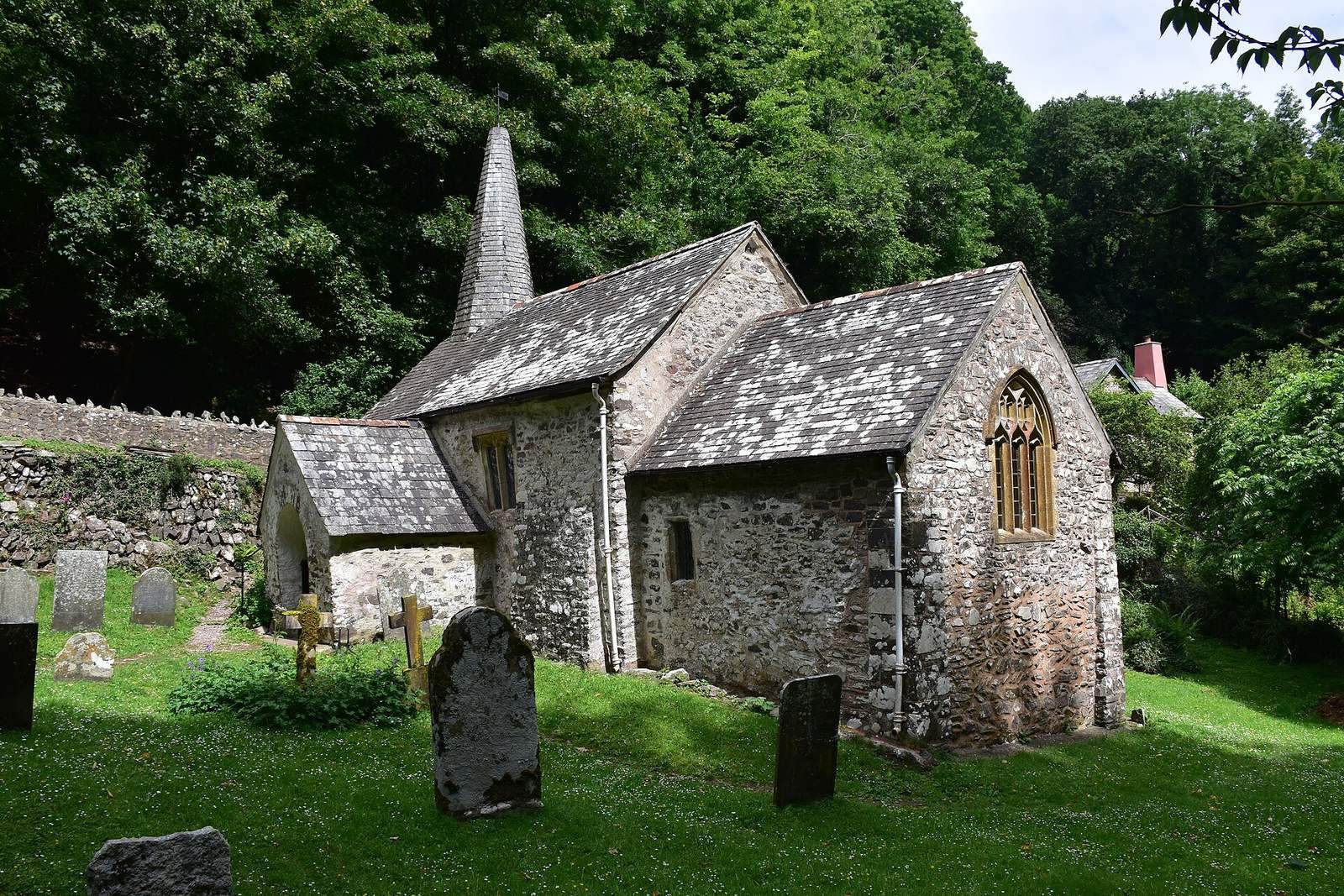
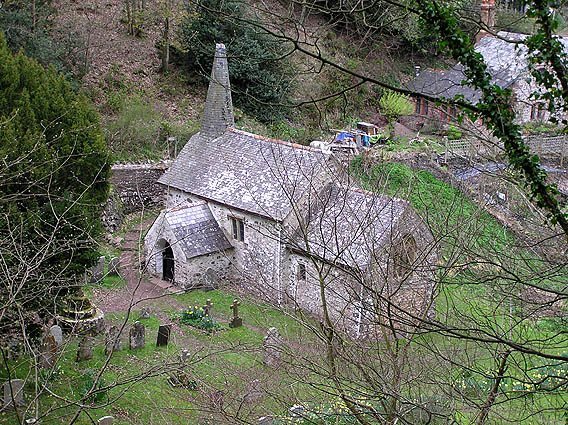
Culbone Church is a Church of England parish church in Culbone, Somerset, United Kingdom. Dedicated to St Beuno, a Welsh Christian saint, it serves the parish of Porlock within the Diocese of Bath and Wells. Its original construction date is uncertain, and services continue to be held there.
Medieval church
The porch dates to the 13th century, while the nave was built in the late 15th century. The church’s interior scale and decoration have also been taken to suggest origins in the Anglo-Saxon period, the early medieval era in England.
Later alterations
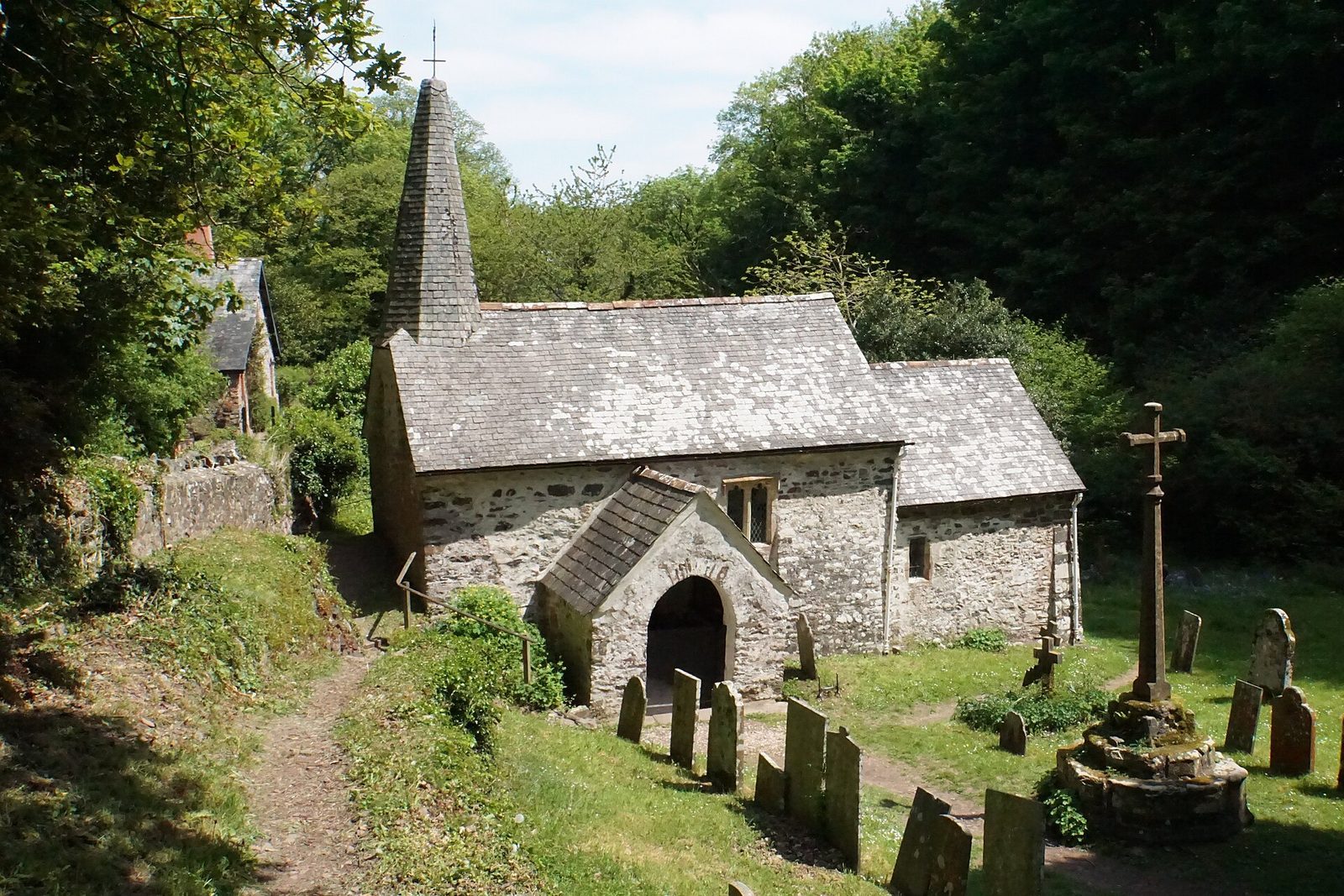
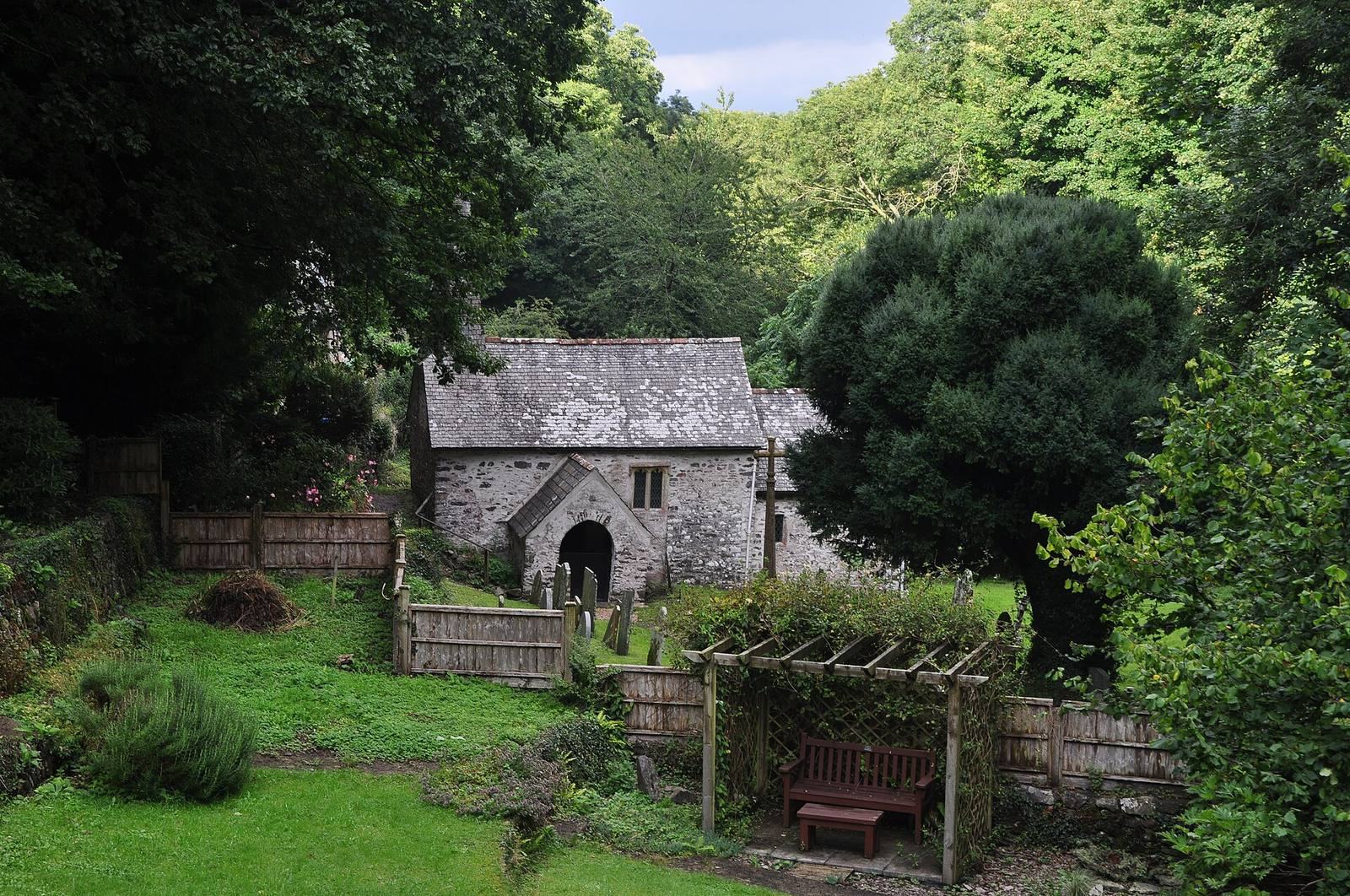
Around 1810, the windows were renewed and the roof replaced. A small spire was added in 1888, followed by further restoration in 1928. The church is listed at Grade I, England’s highest listed-building grade. The churchyard cross is Grade II*, a category for particularly important structures of more than special interest.
Remains
Church building
Plan and scale
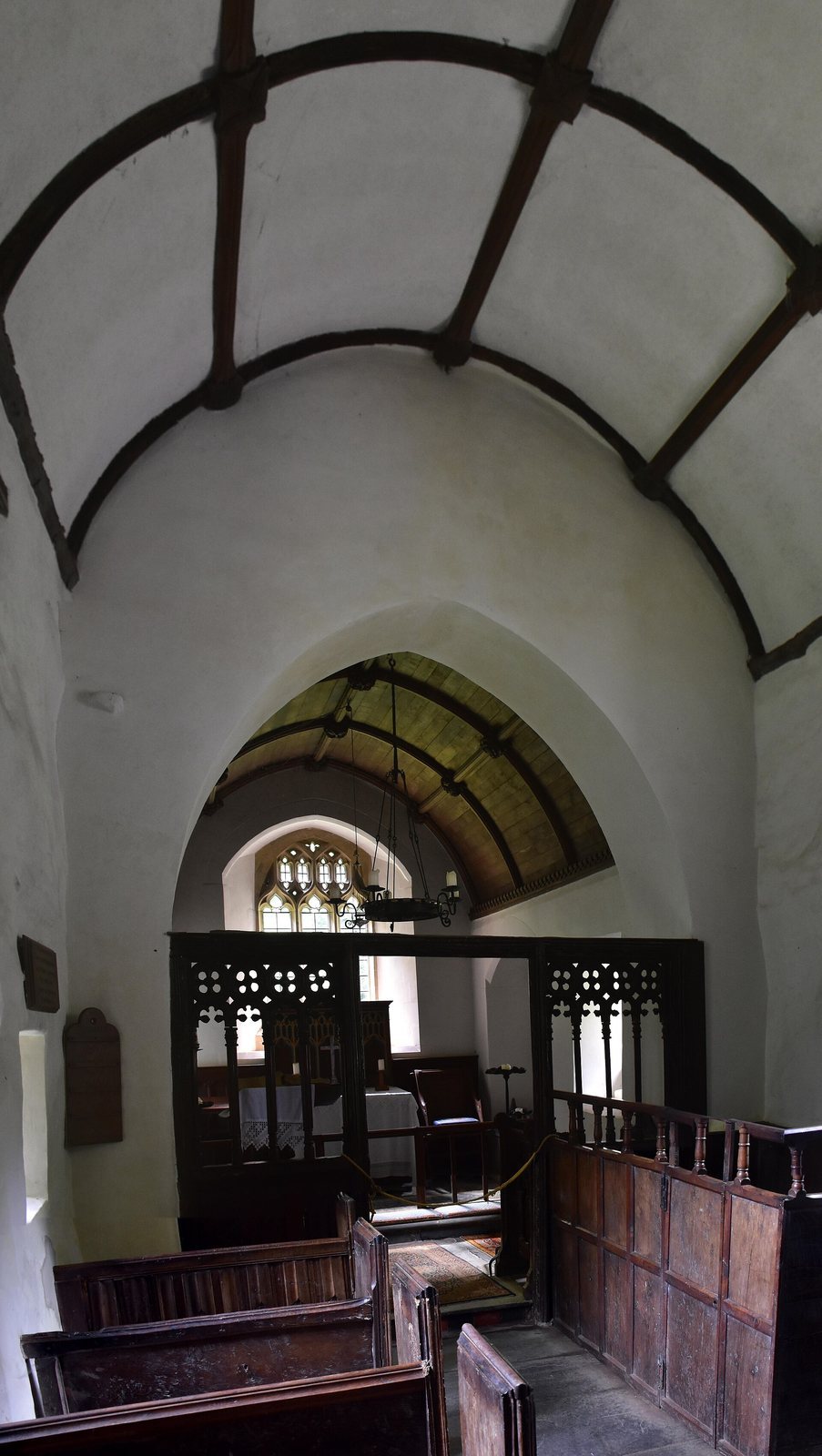
The compact church has a total length of 35 feet (10.7 metres) and can accommodate about 30 people. Its nave, the main body of the church, measures 21.5 by 12.33 feet (6.6 by 3.8 metres); the chancel, the area around the altar, measures 13.5 by 10 feet (4.1 by 3.0 metres). The east end has been restored.
Chancel window
Outside the chancel’s north wall is a small window carved from a single block of sandstone. A face decorates the top of the pillar that divides its two openings. The window is probably from the Anglo-Saxon period.
Seating and font
Enclosed box pews occupy the nave. One is a pew intended for the squire of Ashley Combe House and dates to the reign of James I. The baptismal font combines a bowl much older than its Victorian-era support; the bowl may date to the Anglo-Saxon period.
Bells
The church has two bells. The older dates to the 14th century and the other to the 17th.
Churchyard cross
A churchyard cross forms part of the site.