Jew’s Court: A Norman Building Associated with Lincoln’s Medieval Jewish Community
Site at a Glance
- Rating
- 5
- Popularity
- Very Low
- Country
- United Kingdom
- Primary era
- Early Modern
- Eras represented
- Medieval, Early Modern
- Civilizations
- English
- Site type
- Religious
- Remains
- Synagogue
On this page6 sections
History
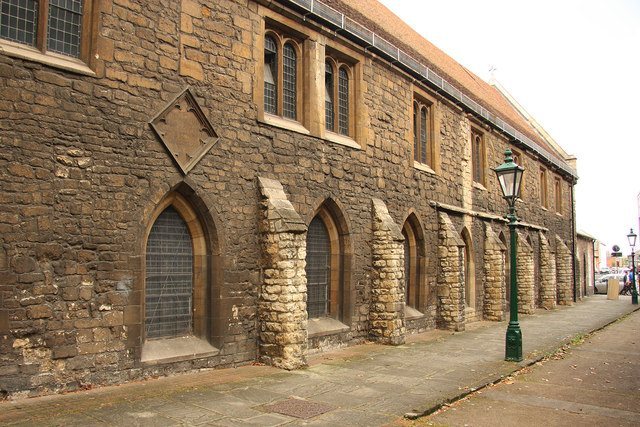
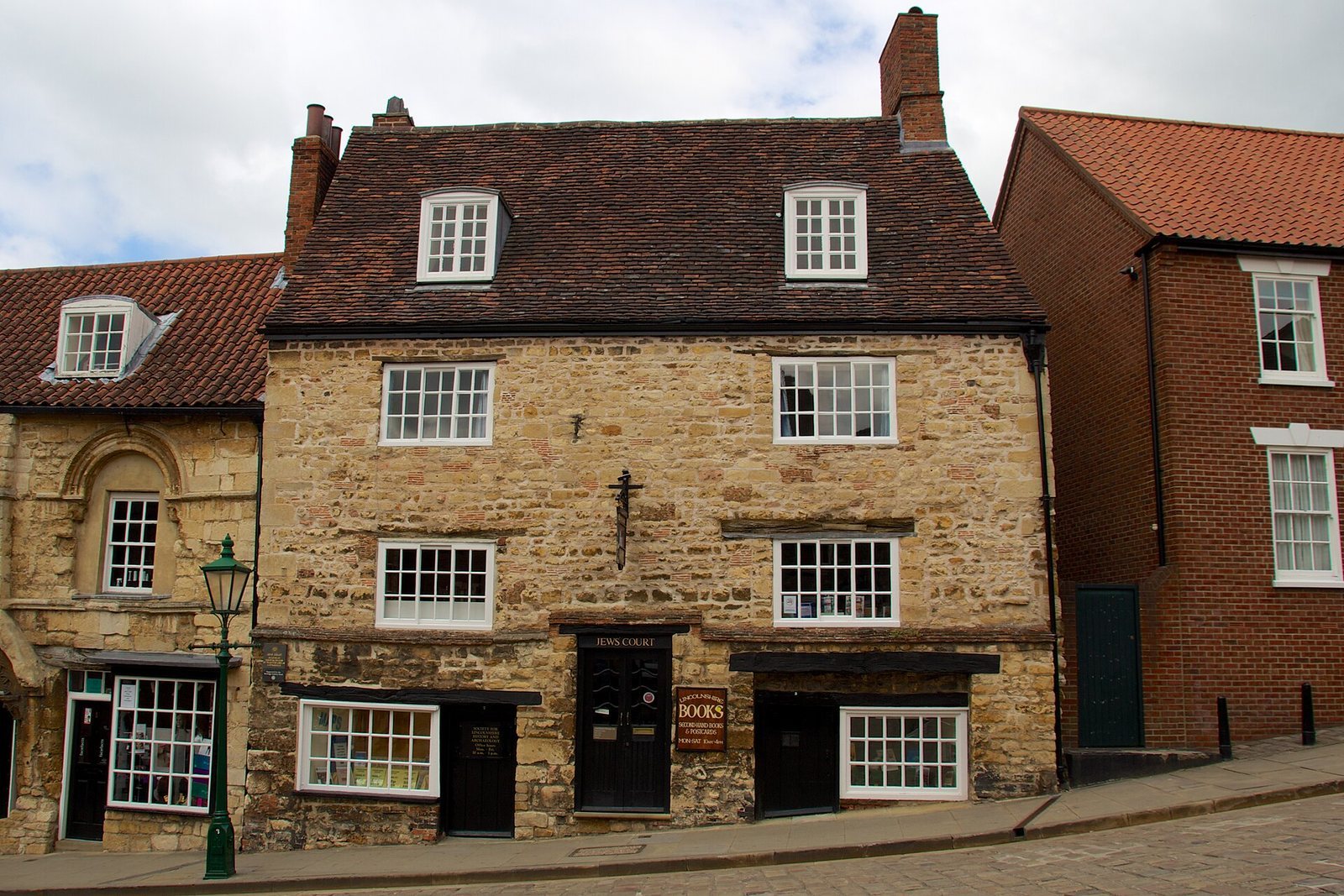
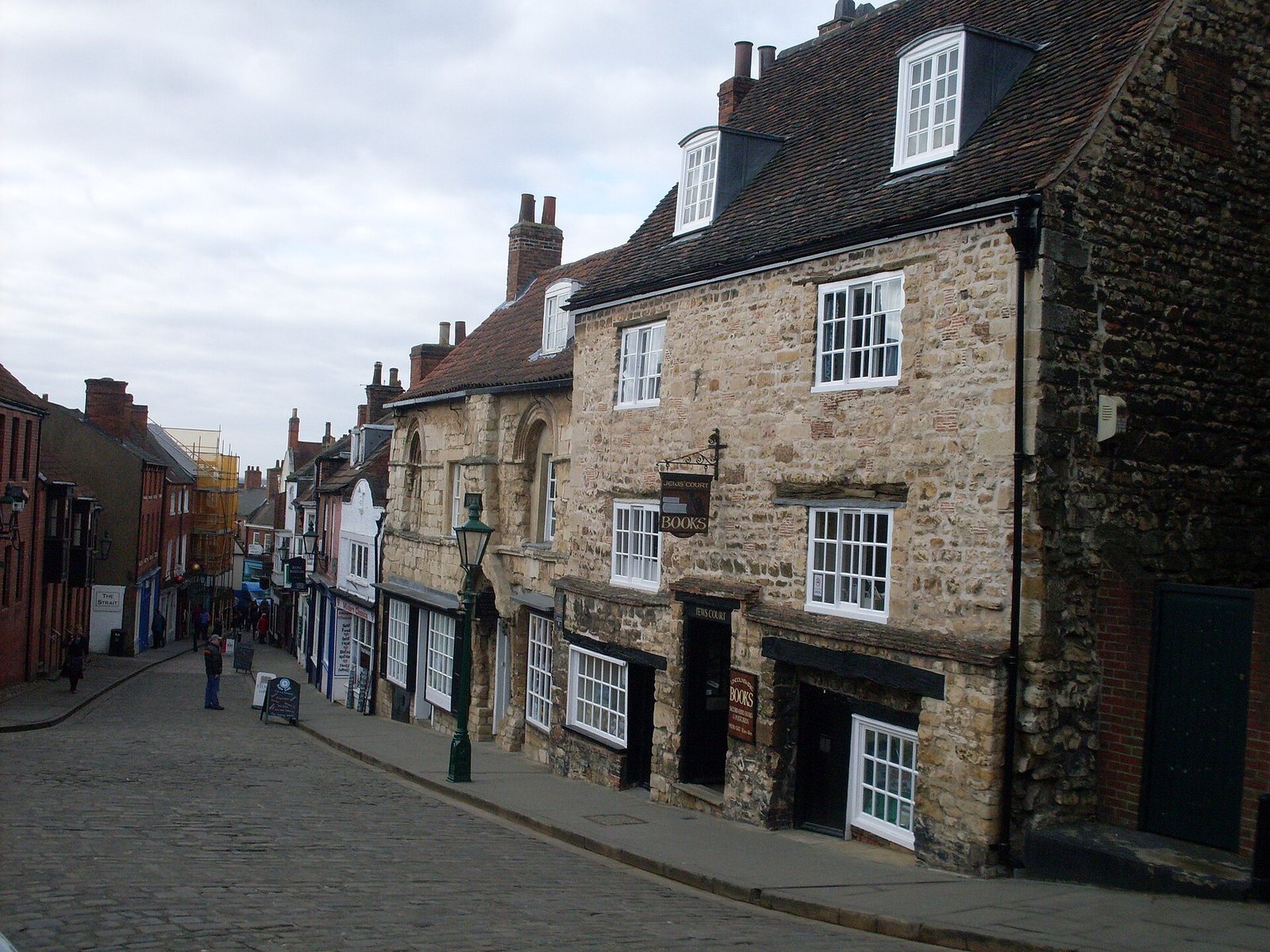
Jew’s Court is a three-storey stone building on Steep Hill in Lincoln, England, dating to about 1170 and exemplifying Norman architecture, the style associated with the Normans after their conquest of England in 1066. It is often described as the oldest synagogue in the British Isles and possibly the only medieval synagogue still standing in England, although its identification as a synagogue remains uncertain.
Medieval origins and the synagogue question
Historian Cecil Roth believed that a medieval synagogue had occupied the site. A record from 1290 describes the property as divided into two houses, while a charter of 1316 places a Jewish synagogue to their west, in a tenement behind them. The building may have served as a synagogue until that year, when Lincoln’s Jewish community was expelled.
Preservation and continuing use
By the early 20th century, the building had been divided into inexpensive accommodation. Lincoln City Council bought it in 1924 and proposed its demolition under a slum-clearance order four years later. The Lincolnshire Architectural and Archaeological Society objected, and the council transferred the property to the society on the condition that it be refurbished. Jew’s Court received Grade I listing in 1953, the highest category of listed-building protection in England. It passed to the Jews’ Court and Bardney Abbey Trust in 1966; that trust merged with the Society for Lincolnshire History and Archaeology in 2019, and the society has its headquarters in the building.
An owner’s claim about the basement well also became associated with Jew’s Court. He said that the body of Little Saint Hugh of Lincoln, a medieval child at the center of an antisemitic accusation that Jews had murdered him, had been found there, and charged visitors to see the spot. The claim is not evidence that Hugh’s body was discovered in the building.
Since 1992, the Lincolnshire Jewish Community has held Shabbat services, marking the Jewish weekly day of rest, and High Holy Day observances, the principal celebrations around the start of the religious year, in the building. The community is affiliated with Liberal Judaism, a modern Jewish movement. Jew’s Court is also identified as a Reform Judaism synagogue, another modern Jewish movement, with a Liberal rite.
Remains
Building and exterior fabric
The stone building stands immediately above Jew’s House on Steep Hill. Although its original construction dates to the 12th century, most of its present fabric is from the 17th century, when it was altered. Some surviving stonework may date from the late medieval period. The windows were replaced in the early 19th and 20th centuries.
Interior features
A niche in the eastern wall is now used as an arch and may date from the building’s possible synagogue period. A well was dug in the basement in 1910. The building also contains a lecture room and a bookshop.