Home House: Georgian Townhouses and a Private Members’ Club
Site at a Glance
- Rating
- 4.5
- Popularity
- High
- Country
- United Kingdom
- Primary era
- Early Modern
- Eras represented
- Early Modern, Modern
- Civilizations
- British
- Site type
- Domestic
- Remains
- Elite Residence
On this page4 sections
History
Home House is a Georgian townhouse in the United Kingdom, commissioned in 1776 by Elizabeth, Countess of Home. Its design belongs to the Georgian period, the era of British history from 1714 to 1830. The house’s story links aristocratic residence with the Courtauld Institute of Art and its later use as a private members’ club.
Commission and early occupants
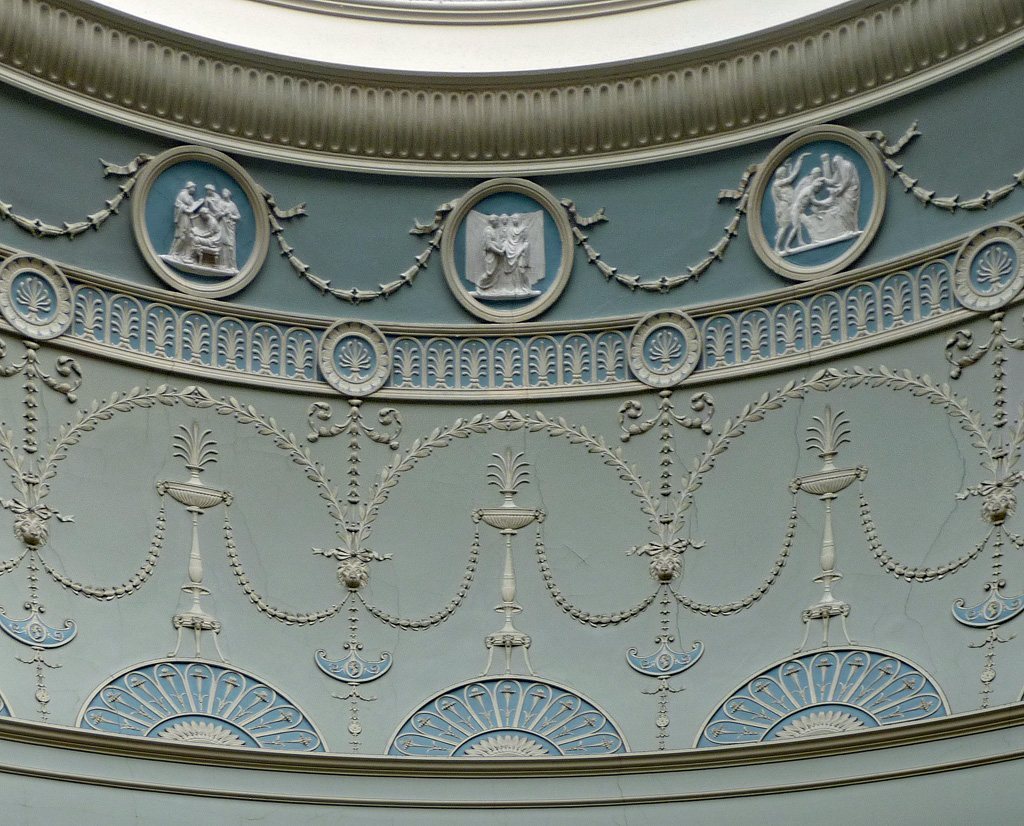
The Countess commissioned James Wyatt to design the house. Wyatt was dismissed in 1777, and Robert Adam took over the commission. When the Countess died in 1784, the completed house passed to her nephew, William Gale. The following year, Gale left it to one of his aunts, Mrs Walsh.
Later residents included the Marquis de la Luzerne, French ambassador to the Court of St James’s from 1788 to 1791; the 4th Duke of Atholl from 1798 to 1808; and the 4th Duke of Newcastle from 1820 to 1861. Sir Francis Henry Goldsmid lived there from 1862 to 1919, followed by Lord and Lady Islington from 1919 to 1926.
Art, espionage, and club use
In 1926, Samuel Courtauld leased the house to accommodate his growing art collection. After his wife died, he gave the house and collection to the Courtauld Institute of Art in 1931 for temporary use. The Institute remained there until moving to Somerset House in 1989. After the property stood vacant for seven years, Berkeley Adam Ltd acquired it. Home House received Grade I listed status in 1954, the highest listed-building category in England.
During the Cold War, British art historian and Soviet spy Anthony Blunt held meetings at the house with fellow members of the Cambridge Five, a group of British agents who spied for the Soviet Union. Home House has operated as a private members’ club since 1998. In 2010, the club expanded to include No. 21 alongside Nos. 19 and 20. Its House 21 concept takes inspiration from the Countess’s lavish parties; she was nicknamed “Queen of Hell.”
Remains
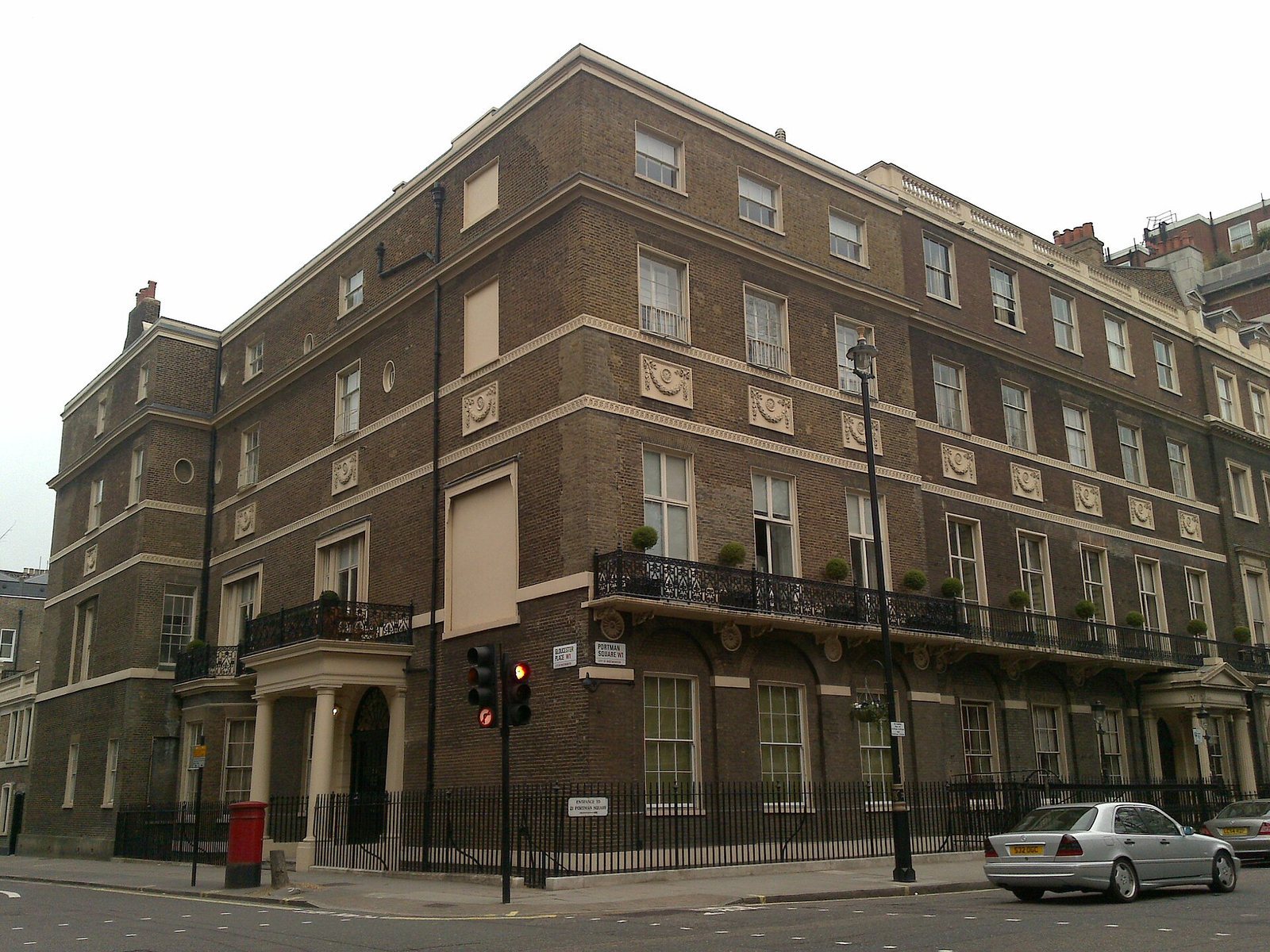
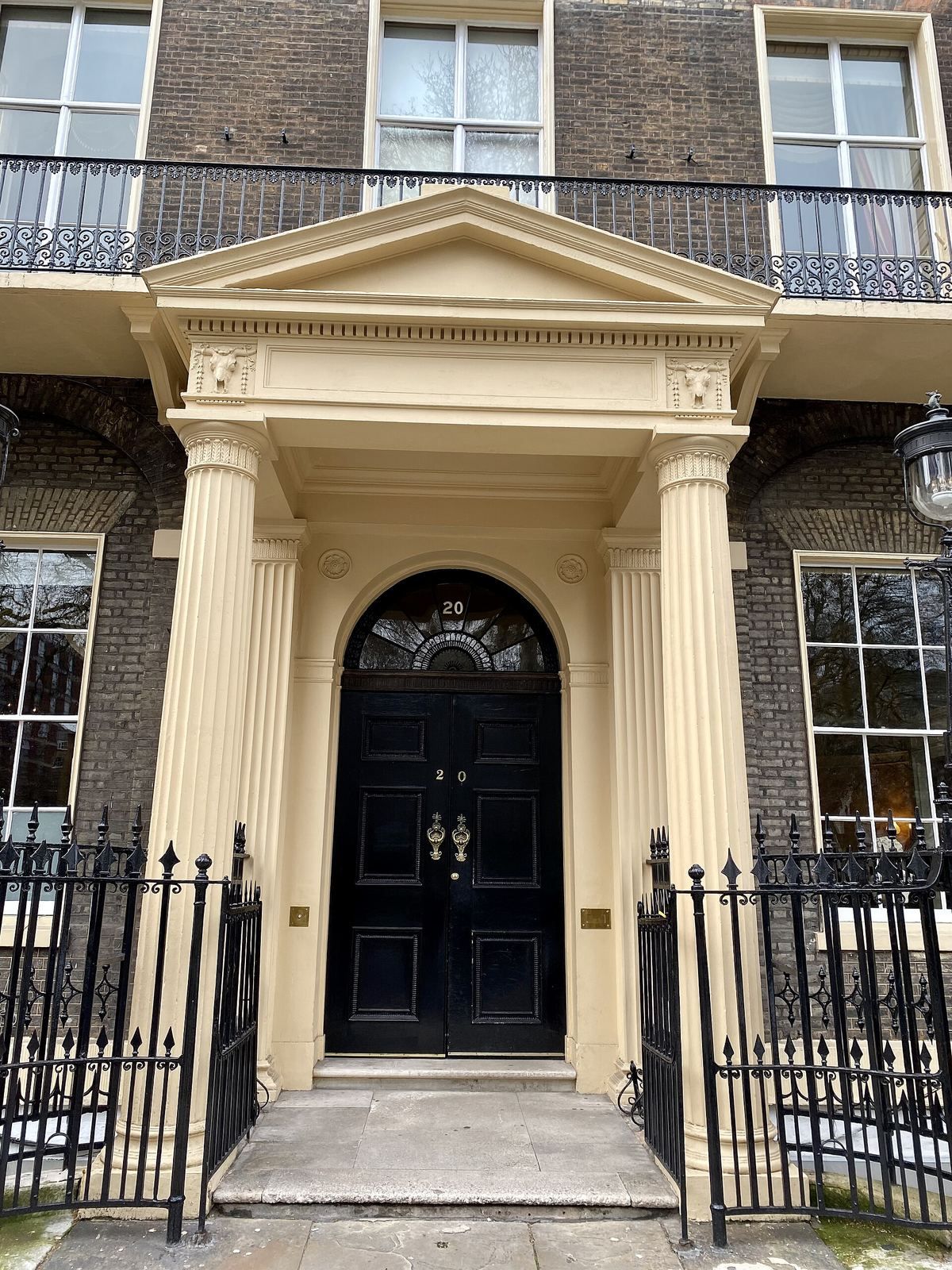
Home House began as a Georgian townhouse at 20 Portman Square. The present club occupies three interconnected Georgian townhouses, Nos. 19, 20, and 21. Its facilities include 23 bedrooms, two restaurants, five bars, a cigar lounge, a basement nightclub, a courtyard garden, a gymnasium, and a health spa.
Before the building’s 2020 refurbishment, it also contained a cocktail bar described as an artwork by Iraqi-British architect and designer Zaha Hadid.