Zgërdhesh: An Ancient Illyrian Settlement in Albania
Site at a Glance
- Popularity
- Medium
- Country
- Albania
- Primary era
- Classical
- Eras represented
- Iron Age, Classical
- Civilizations
- Illyrian
- Site type
- Settlement
- Remains
- City
On this page13 sections
History
Early settlement and Illyrian importance
Zgërdhesh is an ancient Illyrian settlement at Halilaj in Albania, thought to have been founded in the seventh or sixth century BC. Activity on the hilltop began earlier, as indicated by Early Iron Age finds. The settlement became important in the fourth and third centuries BC.
Decline and later use
The Illyrian Wars, conflicts between Rome and Illyrian powers, are understood to have set the city’s decline in motion. After Rome conquered the region in the second century BC, the settlement contracted sharply, and evidence indicates that major economic activity had ceased. During that same century, however, the settlement also extended beyond its walls into the surrounding lowland.
The city was not completely abandoned until the late Roman period. The site appears to have remained in use in some form during later centuries.
Names and identification
Zgërdhesh does not appear under that name in ancient written sources. Some Albanian scholars have proposed identifying it with Albanopolis, a place listed by the ancient Greek geographer Ptolemy. Excavation has not confirmed this identification, and the proposed match is complicated by the possibility that Zgërdhesh had already been abandoned when Albanopolis was recorded.
The place-name appears in an Ottoman document of 1431 as Ozgurtaè and in Marco Scura’s chronicle of 1641 as Sgurdessi. One proposed explanation connects its elements, including the suffix -esh, with Latin -ensis. The village formerly called Zgërdhesh is now known as Halilaj; today, Zgërdhesh refers to the ancient site rather than a separate village.
Remains
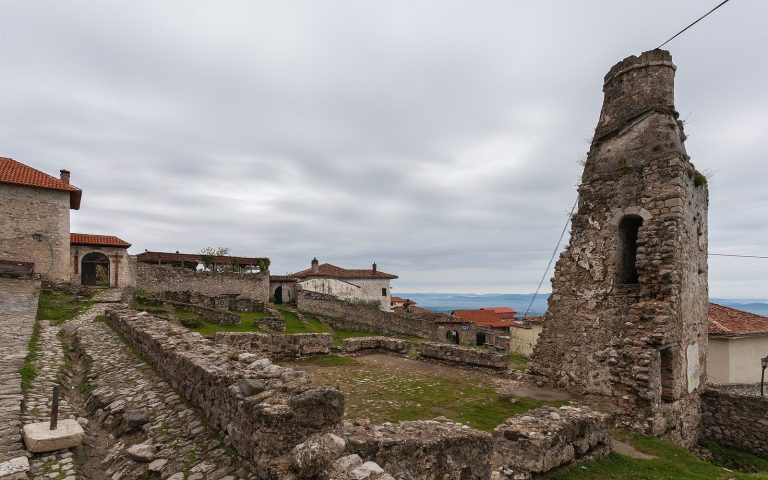
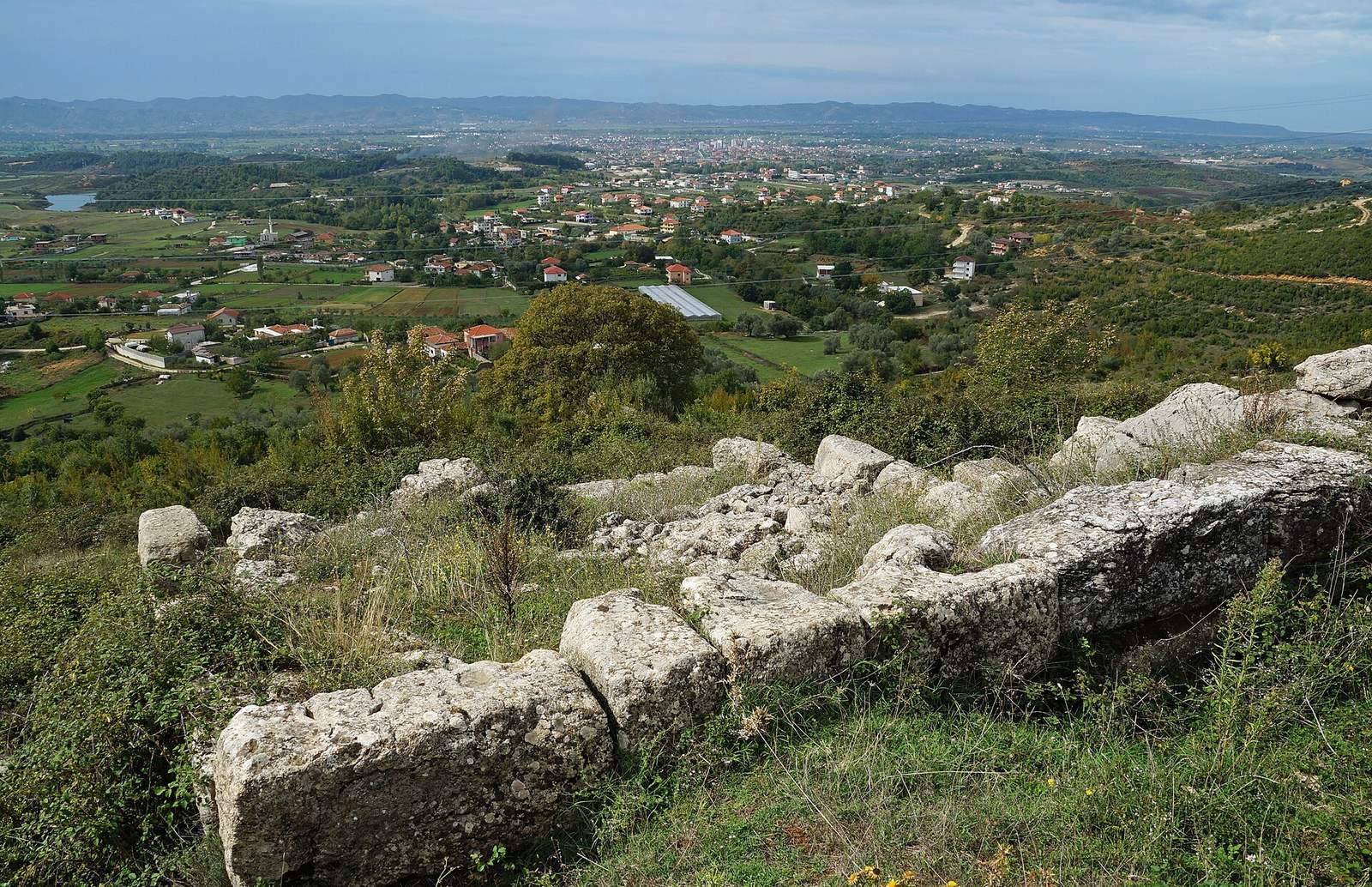
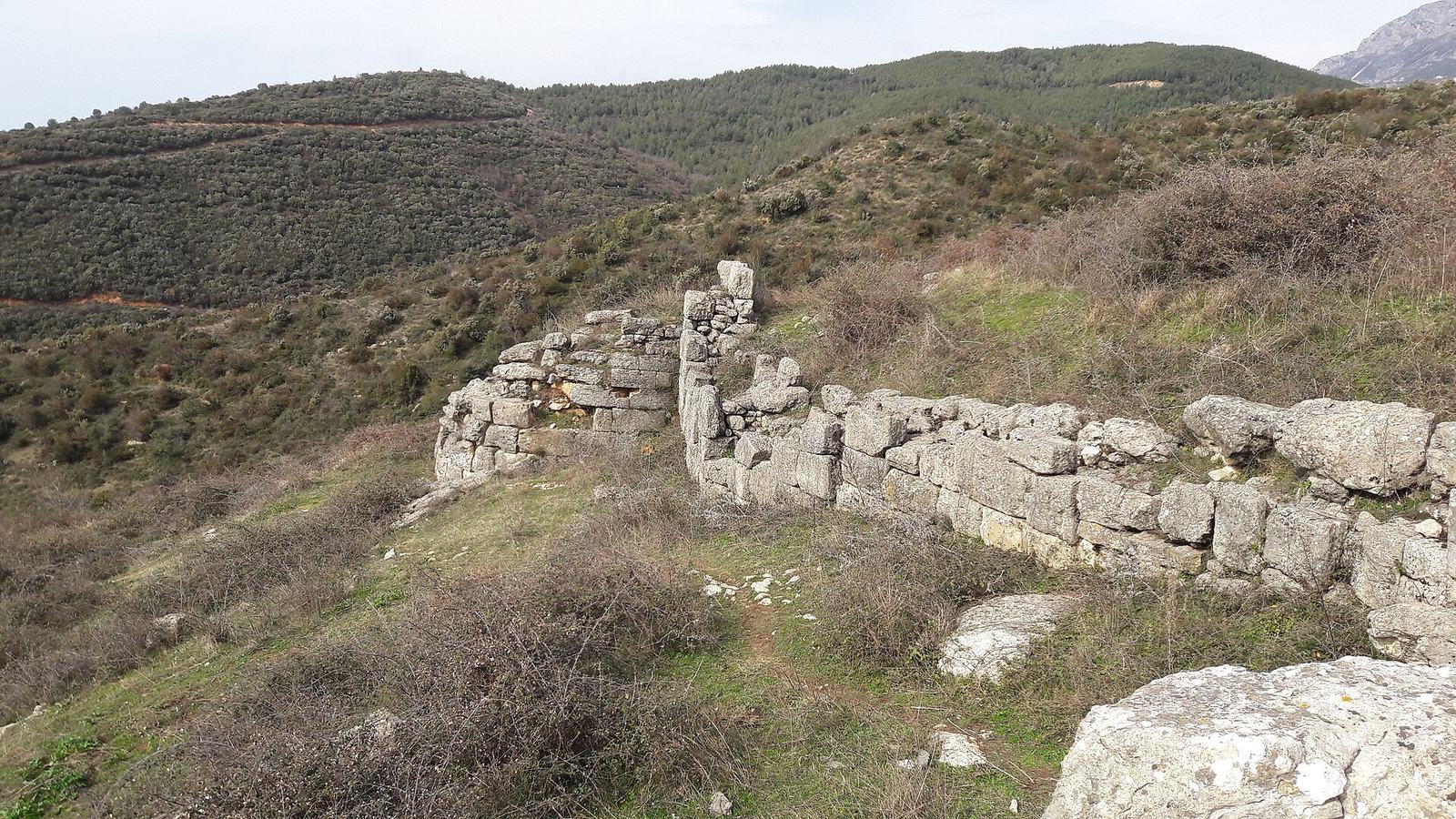
The settlement occupies a ridge that falls toward deeply cut stream valleys to the north and south. A narrow ridge links it to higher ground in the east, while a gentler, widening slope to the west forms the area where the ancient city developed. The site is arranged around a hilltop acropolis and a lower city on the western slope, with about 100 metres between them in elevation. Its stonework reflects successive building phases: sixth-century BC work used minimally dressed blocks, while fifth-century BC construction used cubical blocks and is associated with most of the walls, towers, acropolis, and major buildings.
Settlement structure and defenses
Acropolis and lower city
The acropolis, the settlement’s elevated core, covers about one hectare. The fortifications enclosed roughly ten hectares, while the ancient city has also been estimated at about 20 hectares. Remains including terraces and towers extend across a hillside area of approximately 8.2 hectares.
Walls and towers
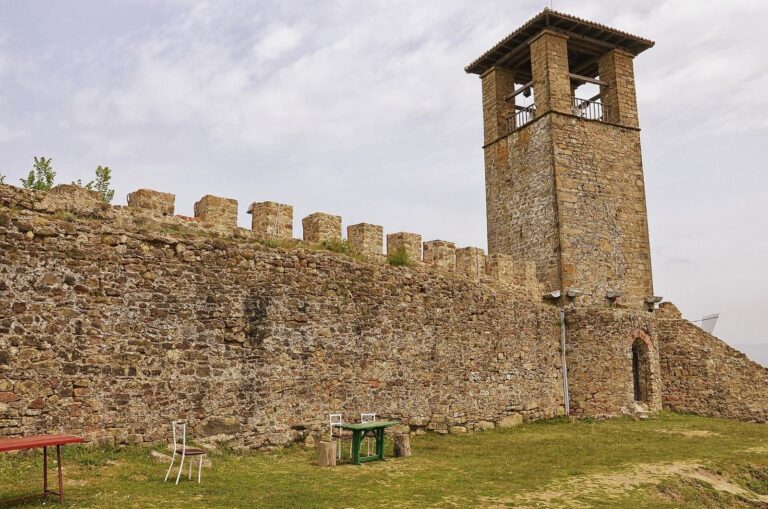
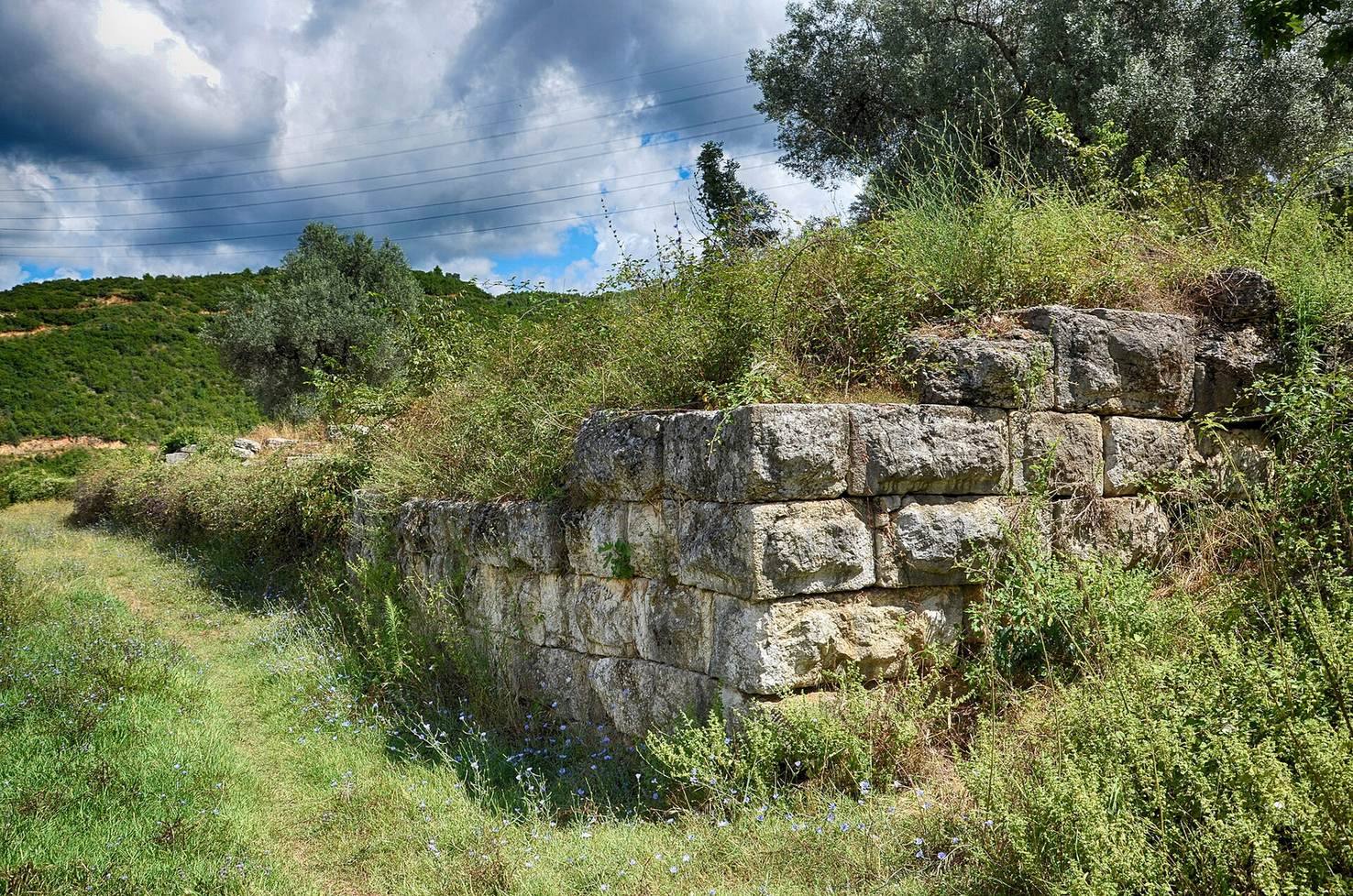
The defensive circuit runs for about 1,350 metres. Rectangular stone blocks appear in much of the circuit, as well as in towers and other substantial buildings. On the acropolis, a section of the eastern defensive wall survives with a tower at the northeastern corner. The western wall is also well preserved and has two entrances.
Terraces and water systems
Terraces remain across the site, although some have deteriorated substantially. Stairs provided routes up the hillside, and drainage channels carried water to cisterns.
Buildings and material evidence
Early Christian chapel
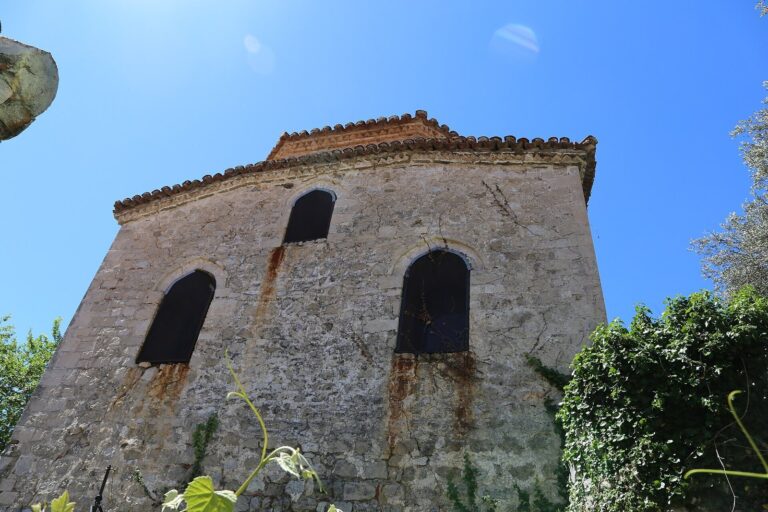
Foundations of a small early Christian chapel have been excavated just inside the entrance to the acropolis.
Local production
Stamped roof tiles point to at least five places where tiles were made. Other workshops produced storage jars, clay objects, and vessels thought to be local products. An Illyrian helmet found at the site is also considered likely to have been made locally.
Trade and other finds
Ceramics of types associated with Dyrrachium, now Durrës, and Lissus, now Lezha, indicate commercial connections. Coins dating from the late fourth to the second century BC were found, most associated with Dyrrachium. Other discoveries include a statue of Artemis, a Greek goddess, and well-preserved decorated terracotta ceramics.