Church of St Mary the Virgin in Tetbury: A Gothic Revival Parish Church
Site at a Glance
- Rating
- 4.7
- Popularity
- Medium
- Country
- United Kingdom
- Primary era
- Early Modern
- Eras represented
- Medieval, Early Modern
- Civilizations
- British, English
- Site type
- Religious
- Remains
- Church
On this page6 sections
History
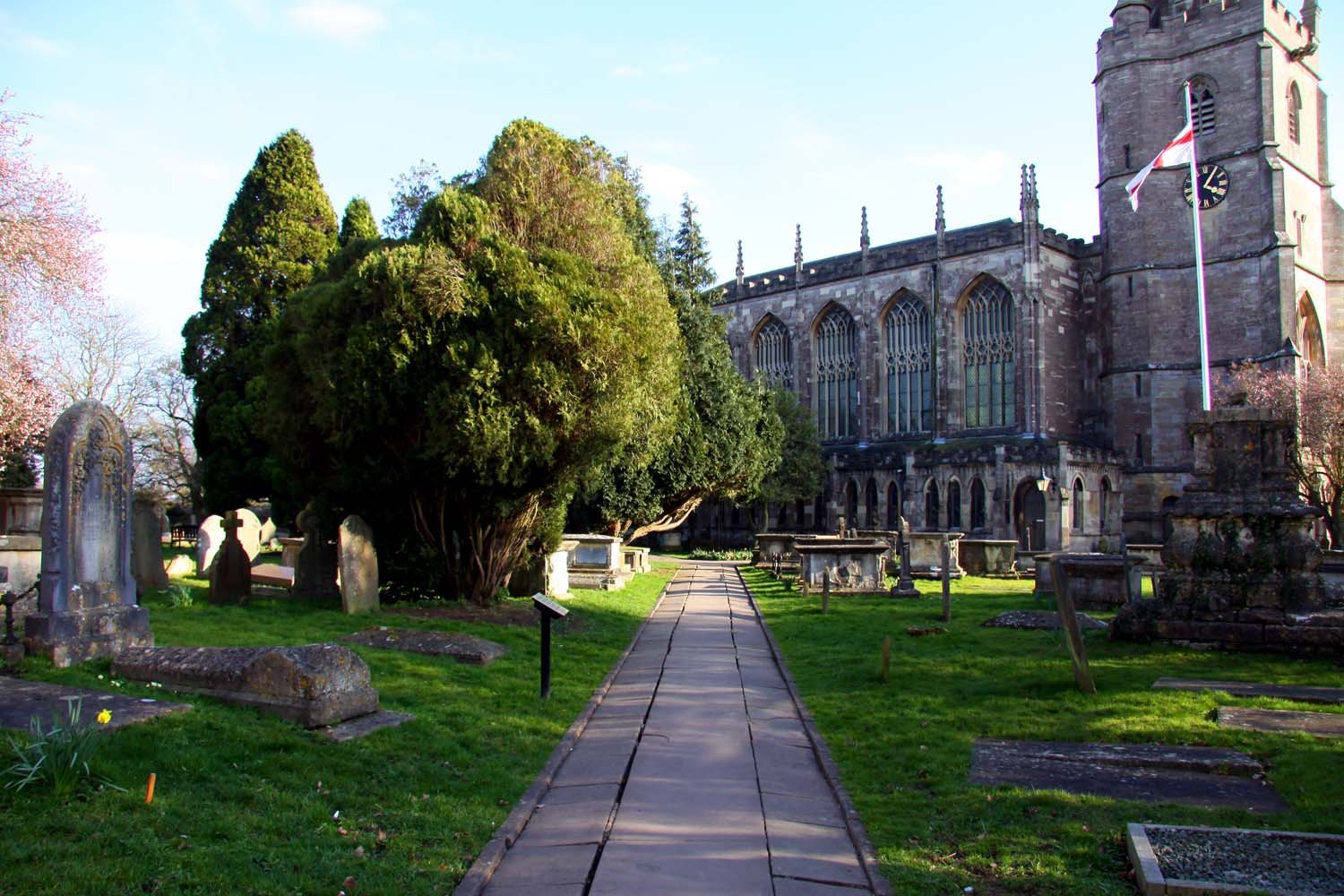
The Church of St Mary the Virgin in Tetbury is a Church of England parish church in the United Kingdom. Its present Gothic Revival building, drawing on forms associated with medieval Gothic architecture, was designed by Francis Hiorne and opened in 1781.
Early church and medieval predecessor
A church has occupied the site since the seventh century, and it may also have been the location of a Saxon monastery. The medieval church that stood here was demolished in 1777 to make way for Hiorne’s replacement.
Rebuilding and later status
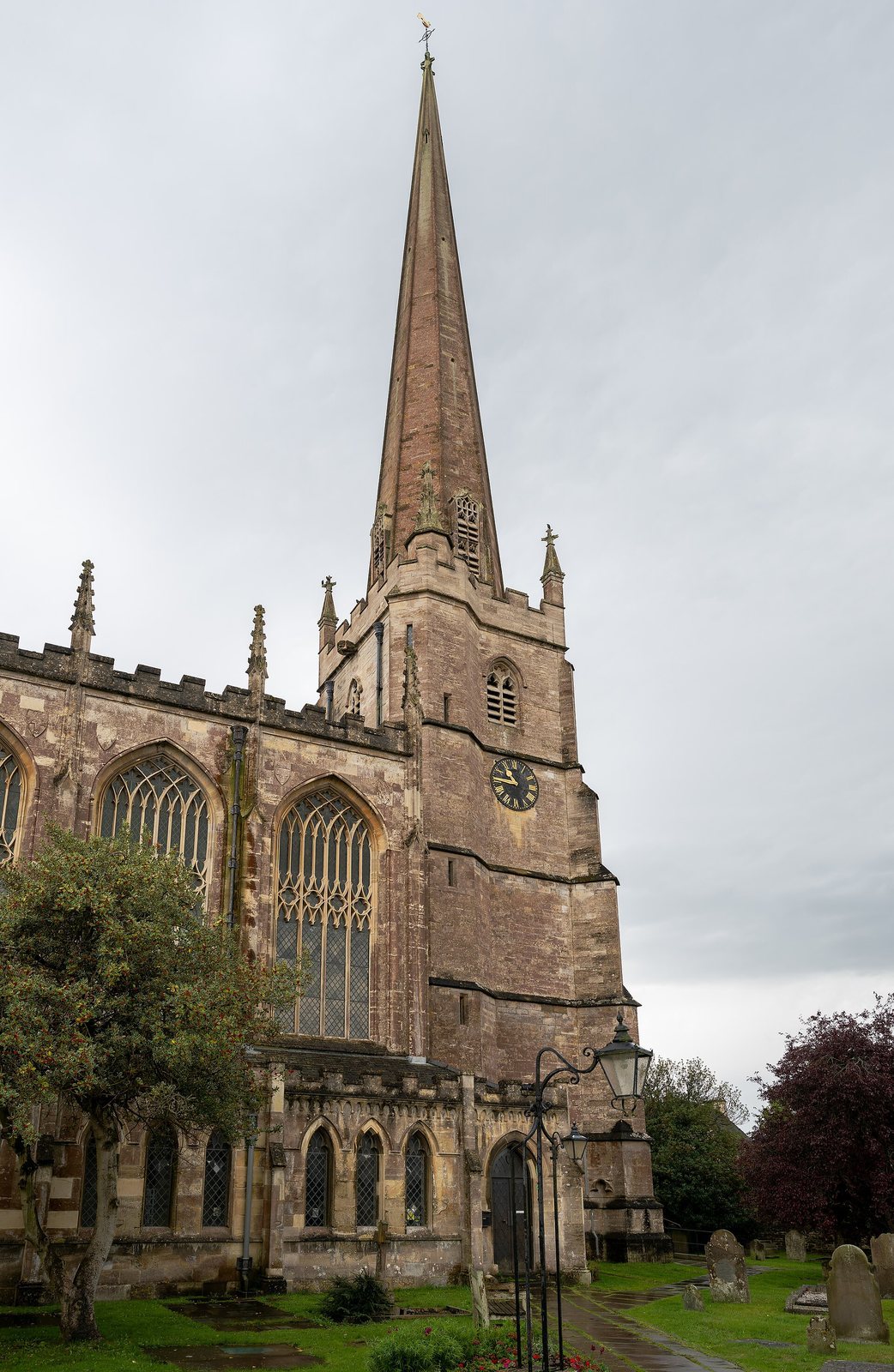
The new church incorporated elements from its predecessor. The earlier church’s fourteenth-century tower and spire remained until 1891, when they were rebuilt using the same stones. St Mary’s is Tetbury’s parish church and belongs to the Church of England, the Anglican church in England. Its church administrative area is the Diocese of Gloucester, within the Province of Canterbury, a grouping of dioceses. The church received Grade I listed status on 21 March 1985.
Remains
The stone church has a seven-bay plan, meaning its interior is divided into seven sections, with a nave, chancel, and aisles. Its hipped roof is made of slate and Cotswold stone, and the roofline is finished with a crenellated parapet.
Tower and bells
The tower rises 57 metres. It contains a ring of eight bells, most cast in 1722 by the Rudhall bellfounding family of Gloucester. The tower has sometimes been mistakenly described as the fourth-highest church tower in the country.
Interior and furnishings
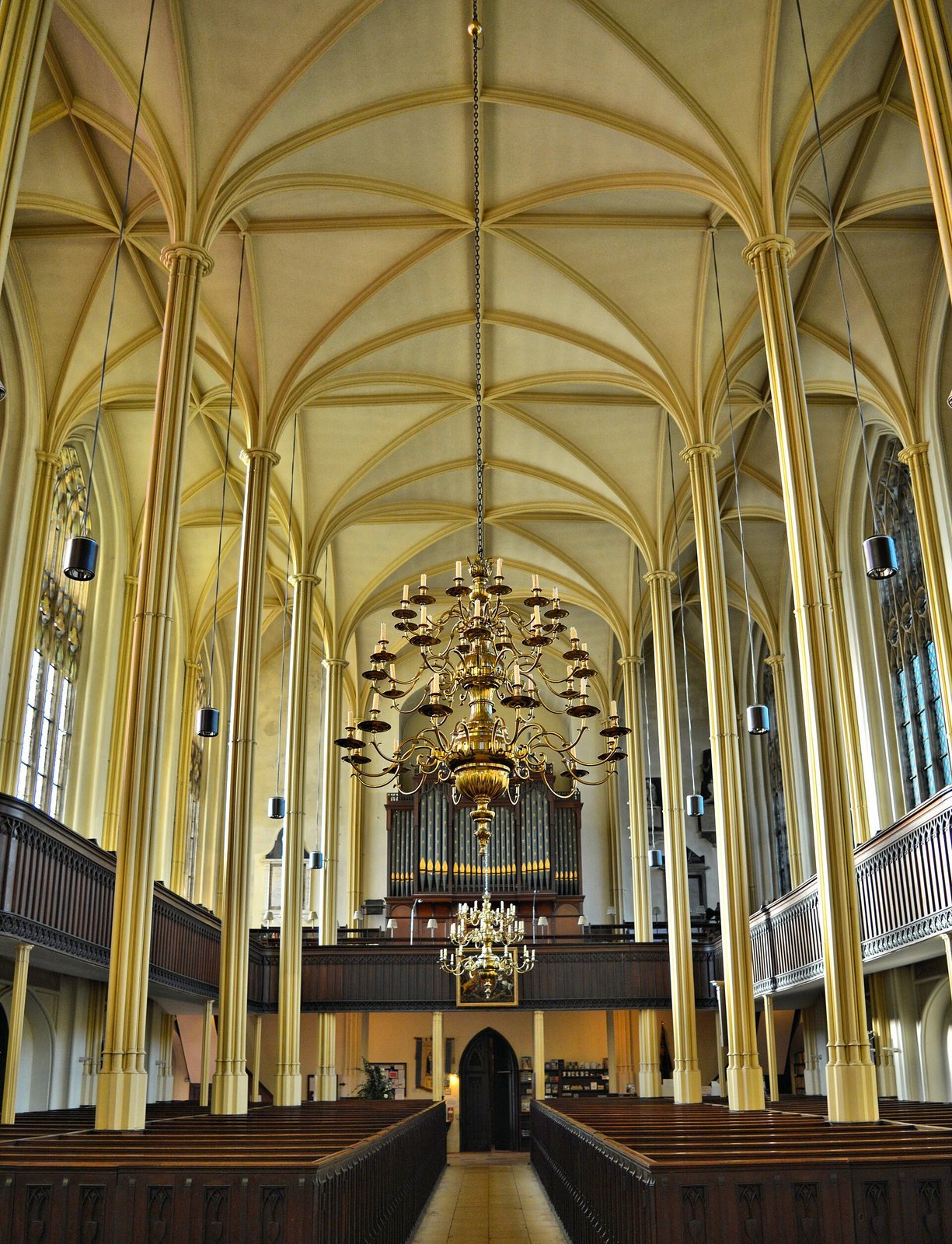
Some enclosed box pews are entered from a passage around the church rather than from the central aisle. Stained-glass windows include work by the English firm Clayton and Bell and artist William Wailes, while two large chandeliers dating to 1781 hang above the nave. Effigies in the north-aisle passage were transferred from the earlier church. A roll of honour commemorates parishioners who served in the First World War.