Church of St John the Baptist, Stokesay: A 12th-Century Church Rebuilt in 1654
Site at a Glance
- Rating
- 4.6
- Popularity
- Low
- Country
- United Kingdom
- Primary era
- Early Modern
- Eras represented
- Medieval, Early Modern
- Civilizations
- English
- Site type
- Religious
- Remains
- Church
On this page6 sections
History
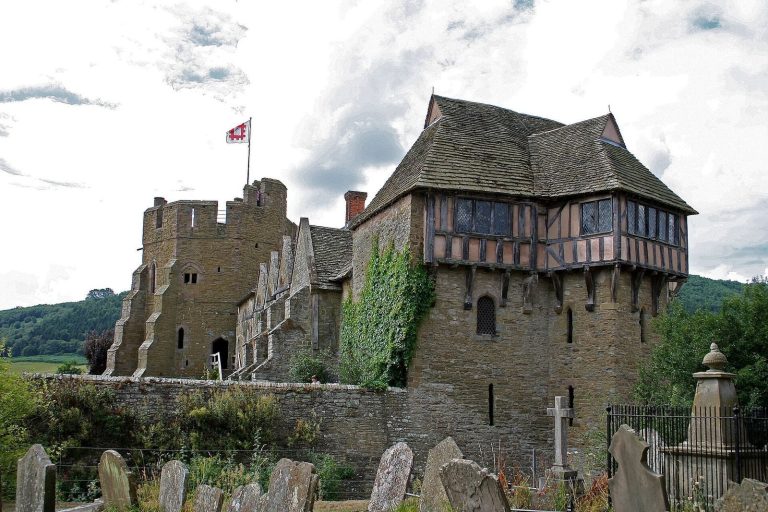
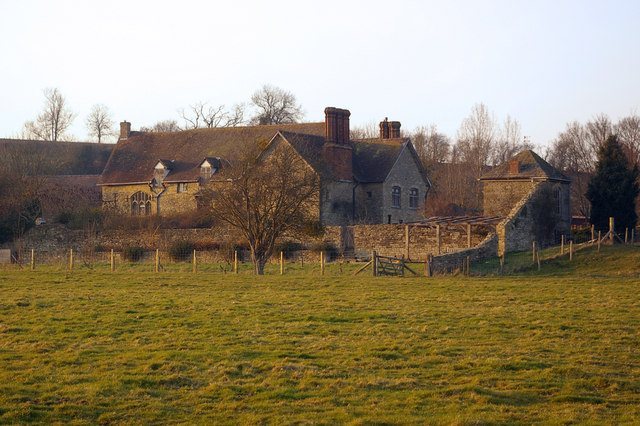
The Church of St John the Baptist, Stokesay, is a Church of England parish church in the United Kingdom, serving Craven Arms. Founded around 1150, it probably began as a chapel for Stokesay Castle, built by the de Lacy family. The church likely grew as the castle site developed during the 13th century.
Origins and Civil War damage
In 1646, during the English Civil War, a conflict between supporters of the king and Parliament, Royalists took refuge in the church with their horses. Parliamentarian soldiers who had captured Stokesay Castle forced them out, and fighting destroyed much of the building. The south side of the nave was completely lost, probably to cannon fire, while the north side sustained less damage.
Rebuilding and parish history
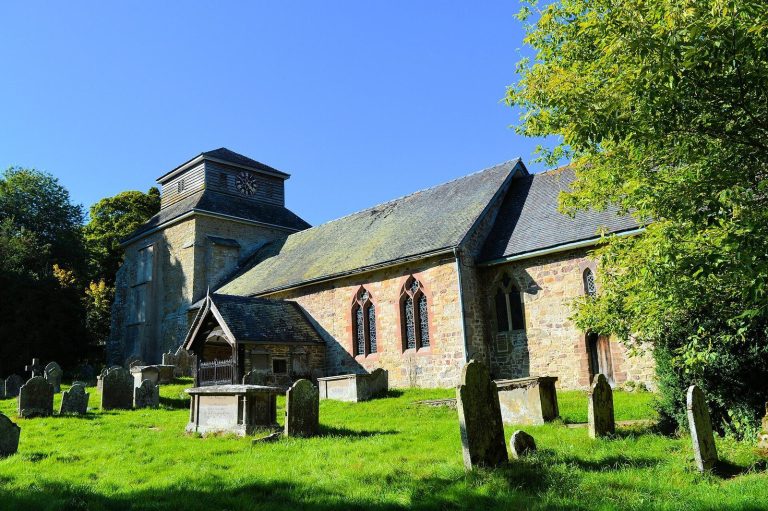
The church was largely rebuilt in 1654, making it a relatively rare church reconstruction from the Puritan period, a movement within English Protestantism that sought further reform of the Church of England. It serves as a parish church within the Diocese of Hereford and the Archdeaconry of Ludlow. The building received Grade I listing in 1954, England’s highest category of statutory protection for buildings of special architectural or historic interest.
Craven Arms’ parish war memorial was unveiled at a town junction in 1921 and transferred to the churchyard in 1956. Its First World War infantryman is nicknamed “Old Bill,” after the character created by British cartoonist Bruce Bairnsfather.
Remains
Church exterior
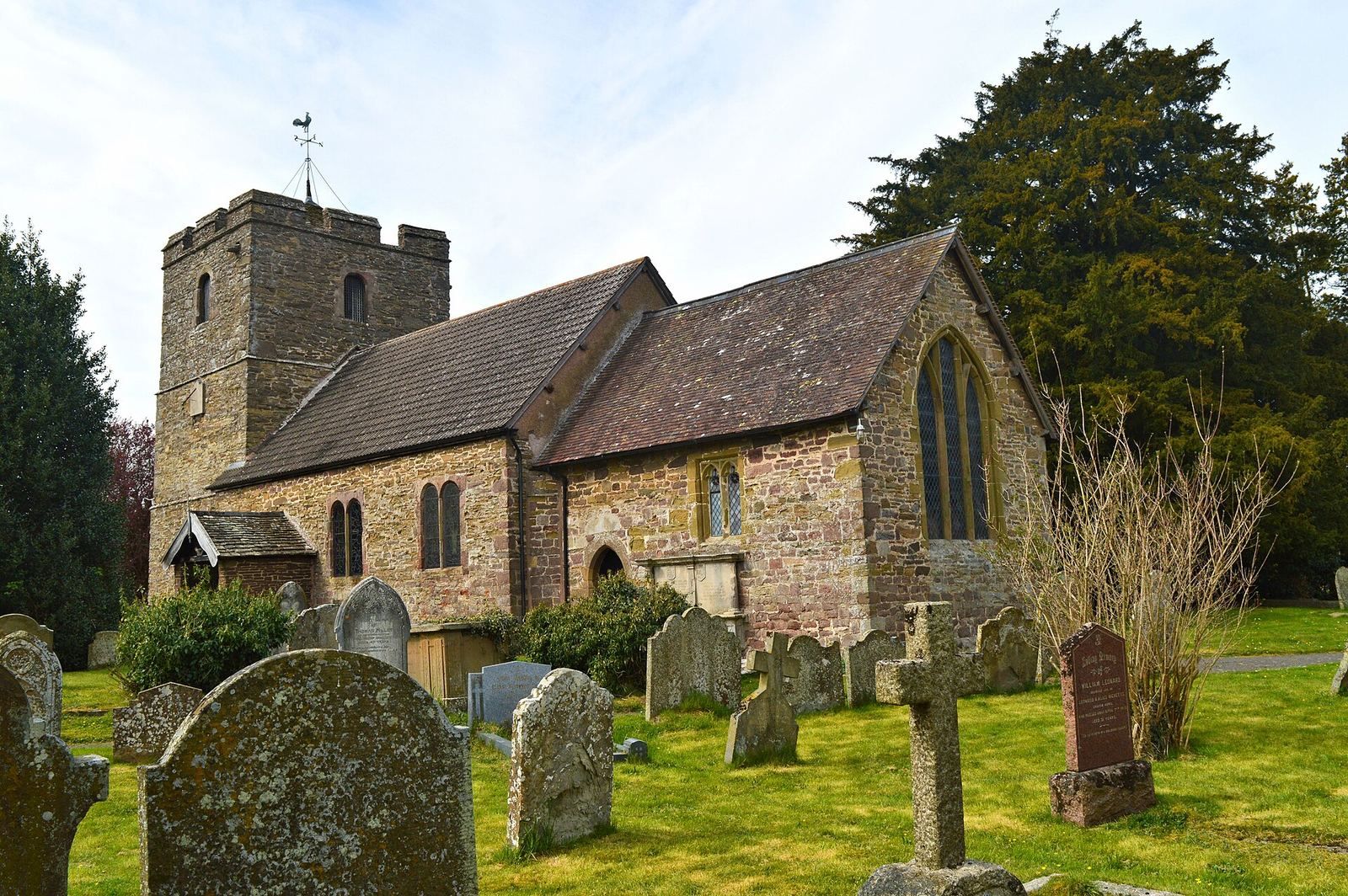
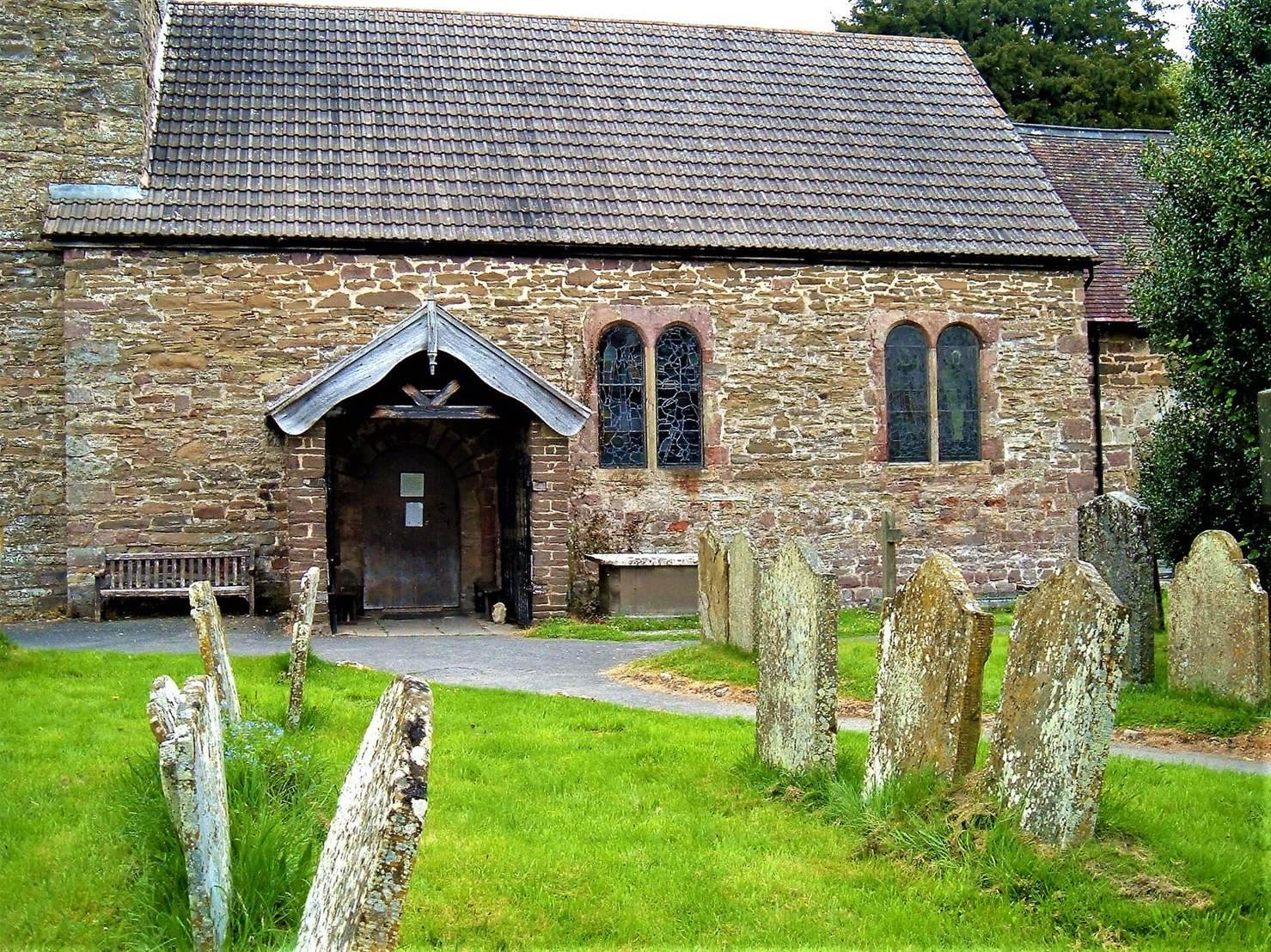
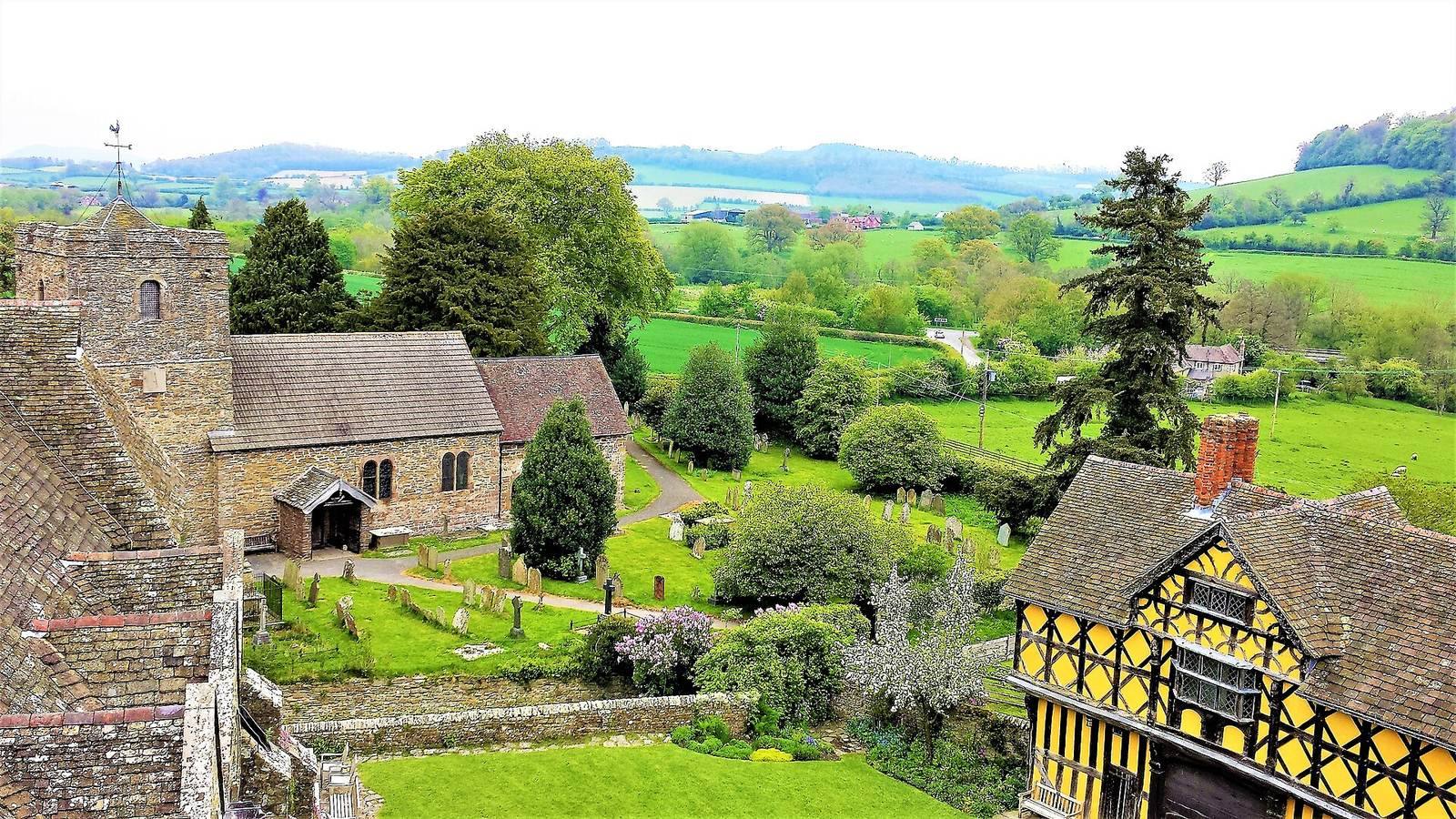
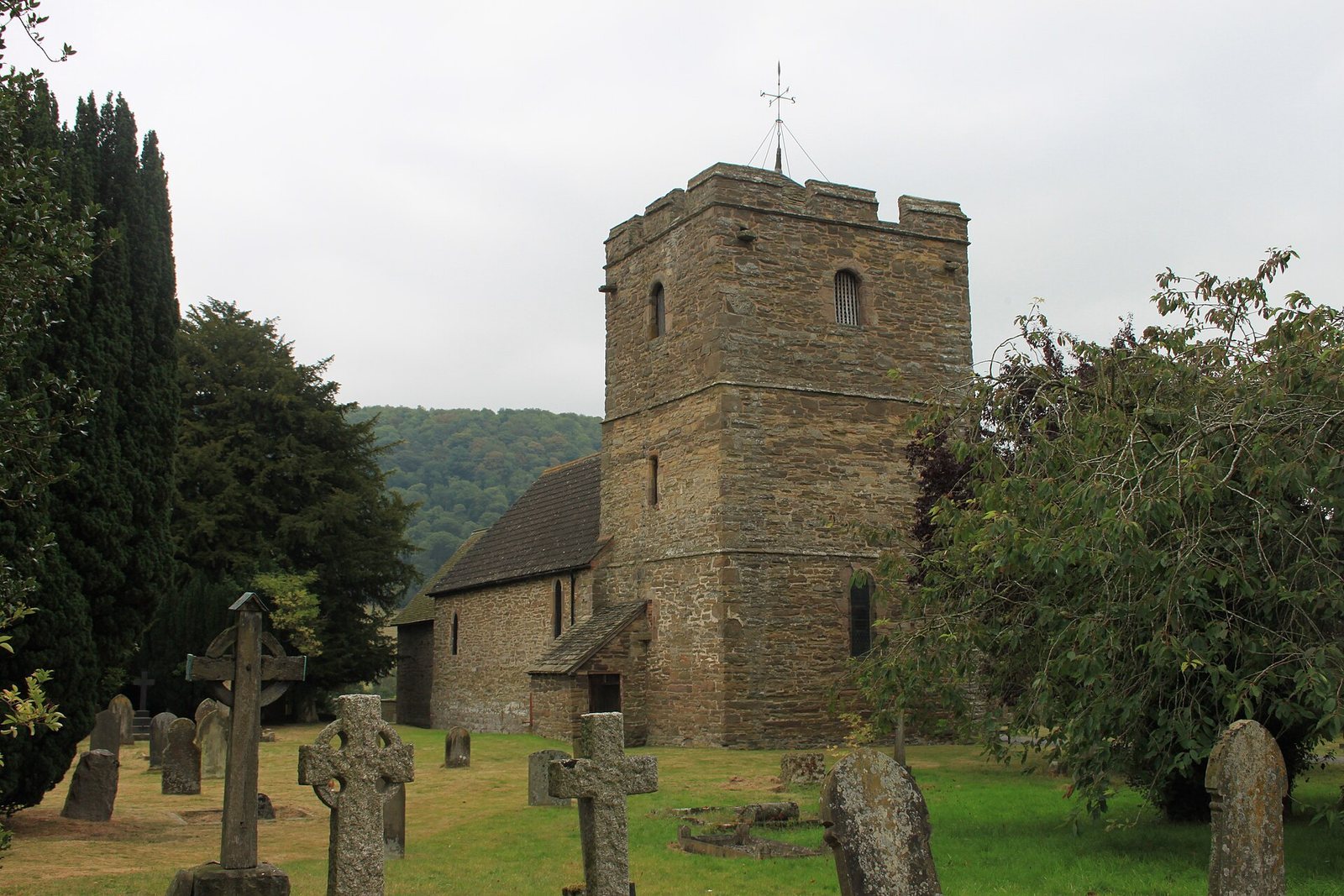
Set beside Stokesay Castle, the church comprises a nave, south porch, chancel and west tower. The three-stage tower has a sundial, a battlemented parapet and a weathervane. A tablet above the tower arch bears the date 1654. The south doorway is in the Norman style, an English architectural style associated with the period after the Norman Conquest and often marked by rounded arches and substantial masonry. Some early Norman fabric also survives at the lower levels, especially on the north side. The churchyard contains the parish memorial, a statue of a First World War infantryman.
Interior and furnishings
The nave roof, dated 1664, retains inclined supports with chamfered edges that end at defined stops. The late-17th-century interior preserves its furnishings and wall paintings, including biblical texts painted on the walls. Furnishings include a panelled, hooded two-level pulpit, a reading desk, enclosed box pews and rare pews with canopies. A raised gallery remains at the west end, with its staircase and space for musicians on the north side.