Church of St Francis, Victoria, Gozo: A Baroque Franciscan Church
Site at a Glance
- Rating
- 4.7
- Popularity
- Medium
- Country
- Malta
- Primary era
- Early Modern
- Eras represented
- Early Modern
- Civilizations
- Crusader, Knights Hospitaller
- Site type
- Religious
- Remains
- Church
On this page6 sections
History
The Church of St Francis is a Roman Catholic church attached to a Franciscan convent in Victoria, on Gozo, Malta. It is affiliated with the Conventual Franciscans, a branch of the Franciscan order, and serves St George’s Parish in Victoria. The present Baroque church was built largely during the seventeenth century and completed in 1663.
Foundation and dedication
The original church and convent were founded in 1492 by Jacob de Leo, a Franciscan provincial, or regional leader within the order. The first church was dedicated to St Mark the Evangelist. In 1535 its dedication changed to St Francis of Assisi. A confraternity, a religious association that supports devotional activities, was established at the church in 1663 to organize the feast of the Immaculate Conception, the Catholic teaching that Mary was conceived without original sin. The feast is celebrated at the church each year on 8 December.
Events and repairs
António Manoel de Vilhena, Grand Master of the Order of St John, the Catholic military order that governed Malta during his rule, stayed at the church and convent from 5 to 9 June 1742 while taking possession of the island. In December 1890, the government closed the church to the public because its vaulted ceiling was considered unsafe. Workers rebuilt the vault and façade, and the church reopened on 16 April 1893. Bishop Giovanni Maria Camilleri consecrated it on 11 November 1906.
Remains
Plan and façade
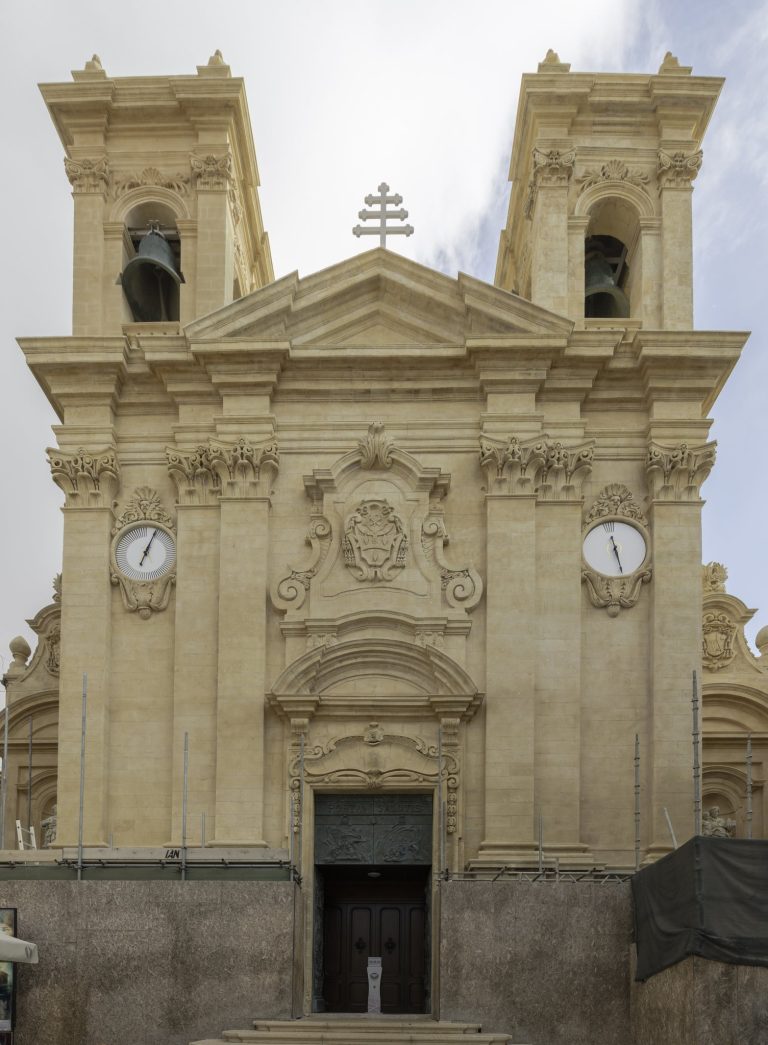
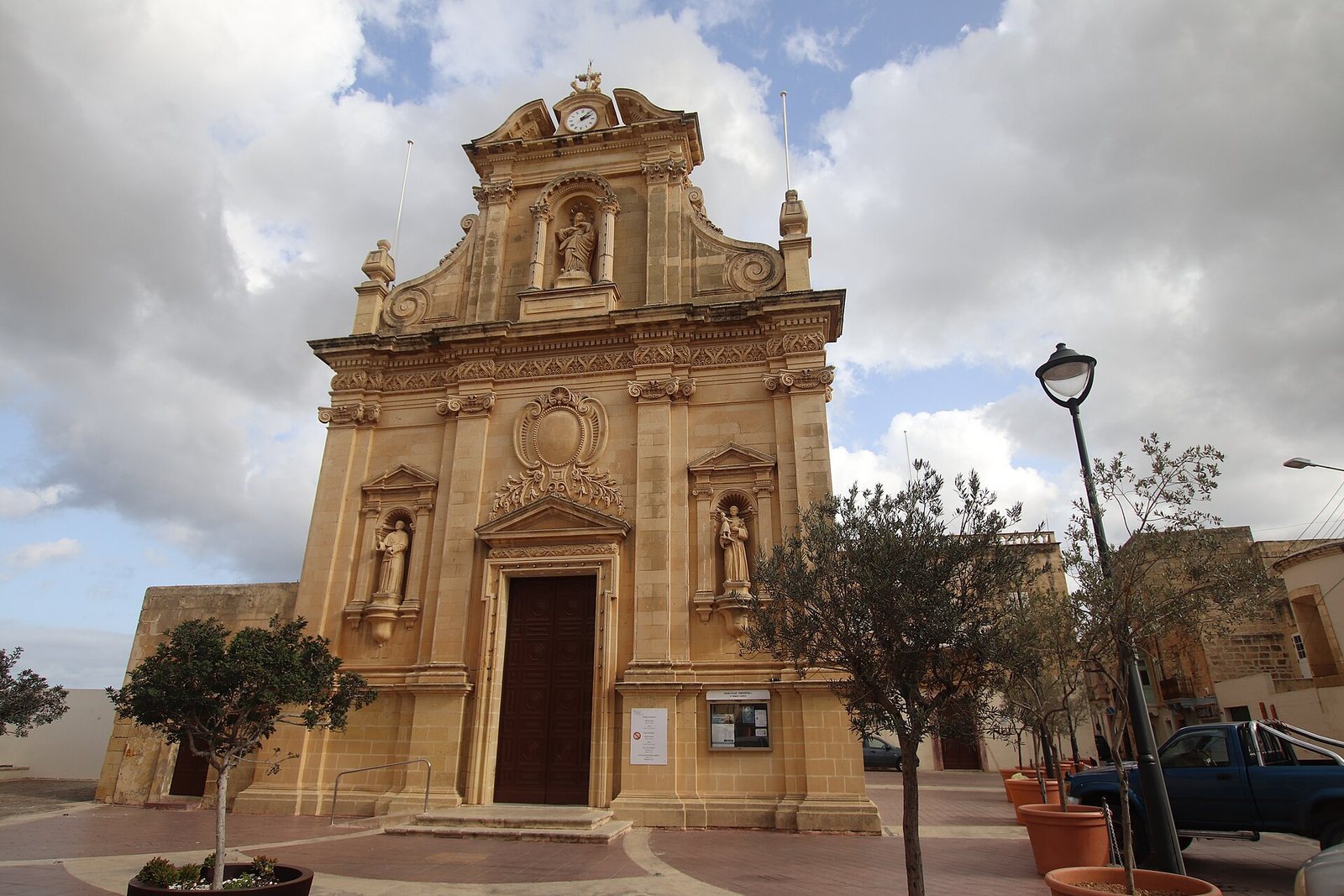
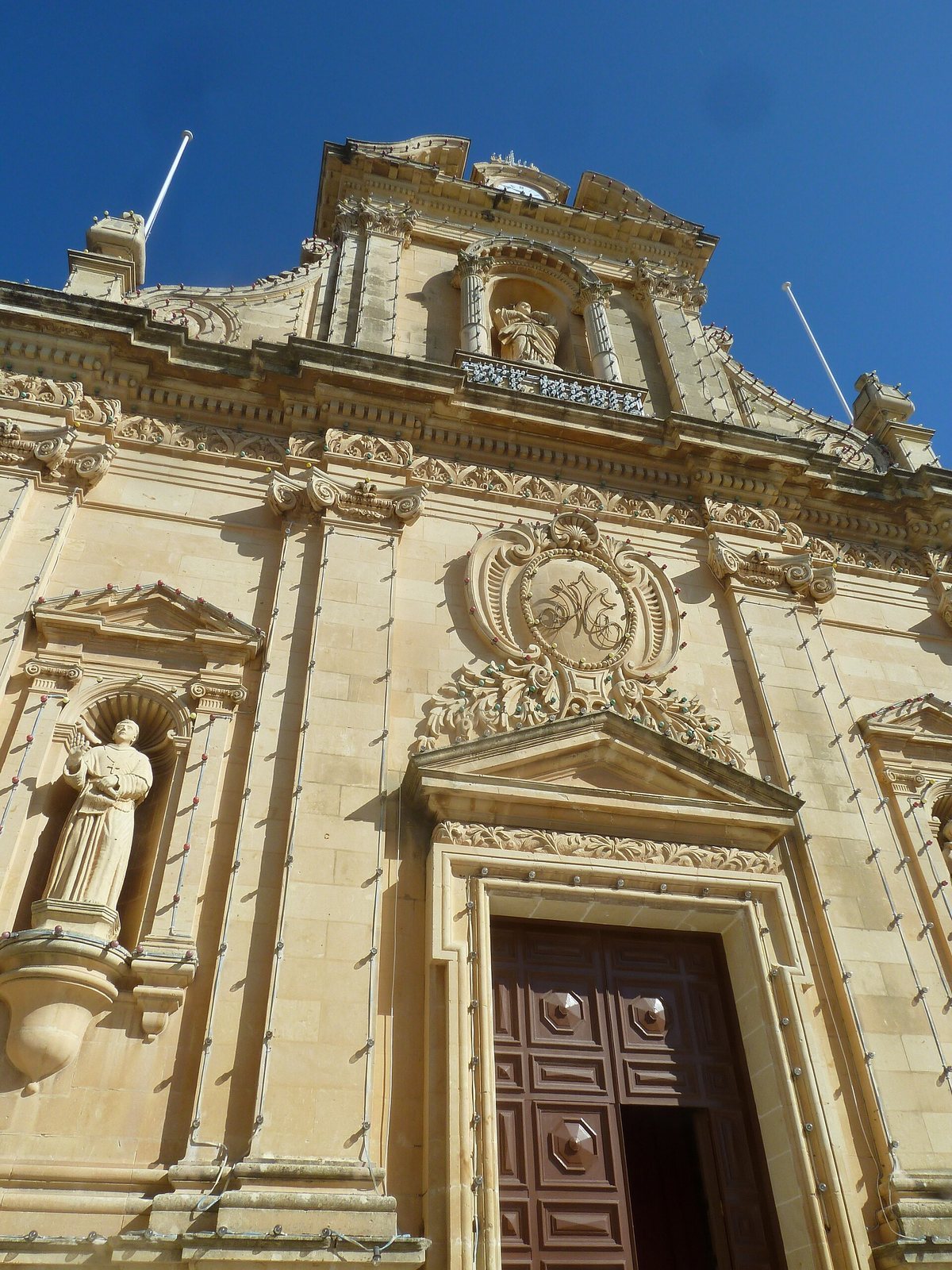
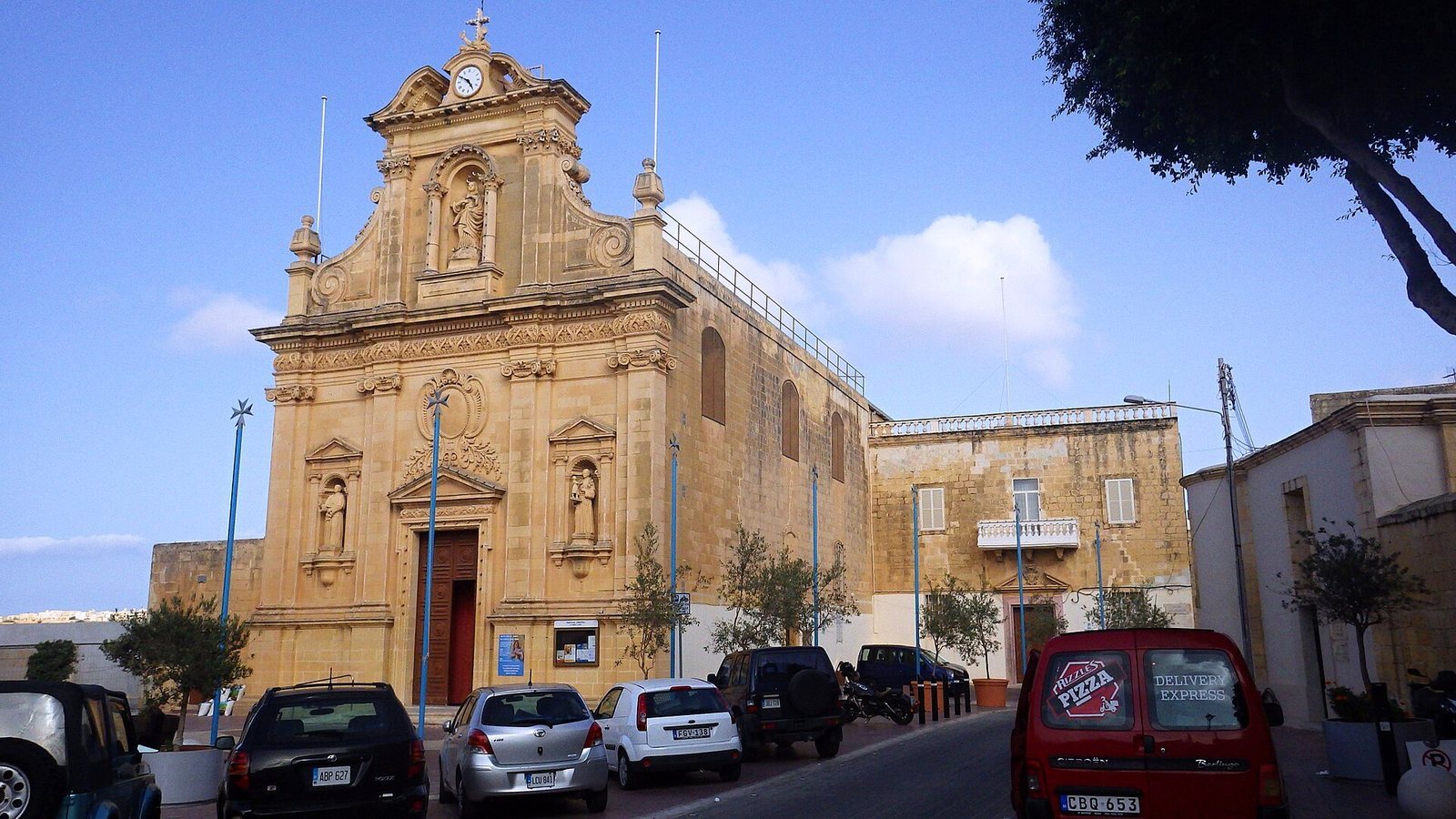
The church stands beside the Conventual Franciscan convent in St Francis Square. It has a rectangular plan, one dome and one tower, and is built with local stone, stucco and wood. Its façade rises above tall bases and is divided into three bays. The central bay contains a large rectangular stone doorway topped by a small triangular pediment. Above it, a Madonna emblem sits within an oval frame decorated with foliage and elongated scrolls. Shallow rectangular wall supports, called pilasters, with curled capitals mark the façade’s edges. Each side bay has a niche framed like a small façade, with a horizontal upper molding and triangular pediment; one niche holds a stone statue of St Francis. A decorative band with an S-shaped profile runs across the front. Above it, a second cornice supports the upper storey, where small towers flank a rectangular centre. An image of the Immaculate Conception stands between decorated column tops beneath a semicircular arch; a heavy cornice above supports a base bearing a clock and cross. Four bells were installed in 1956.
Artworks and commemorative features
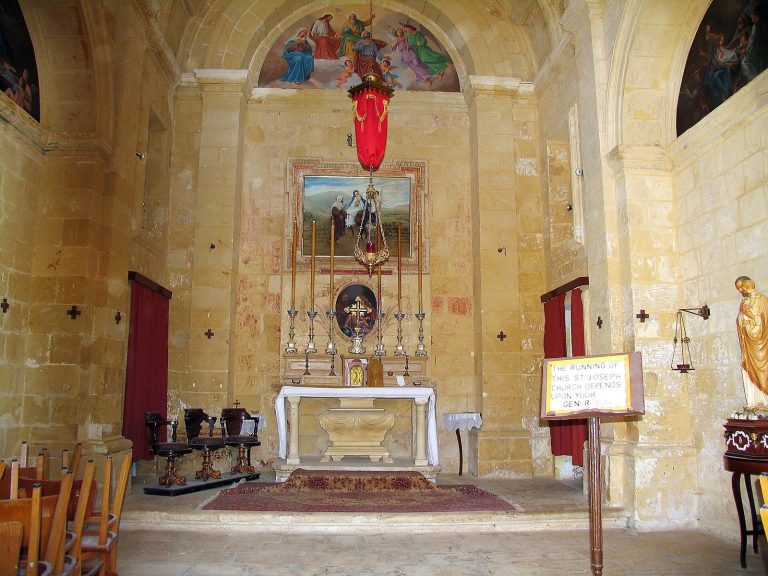
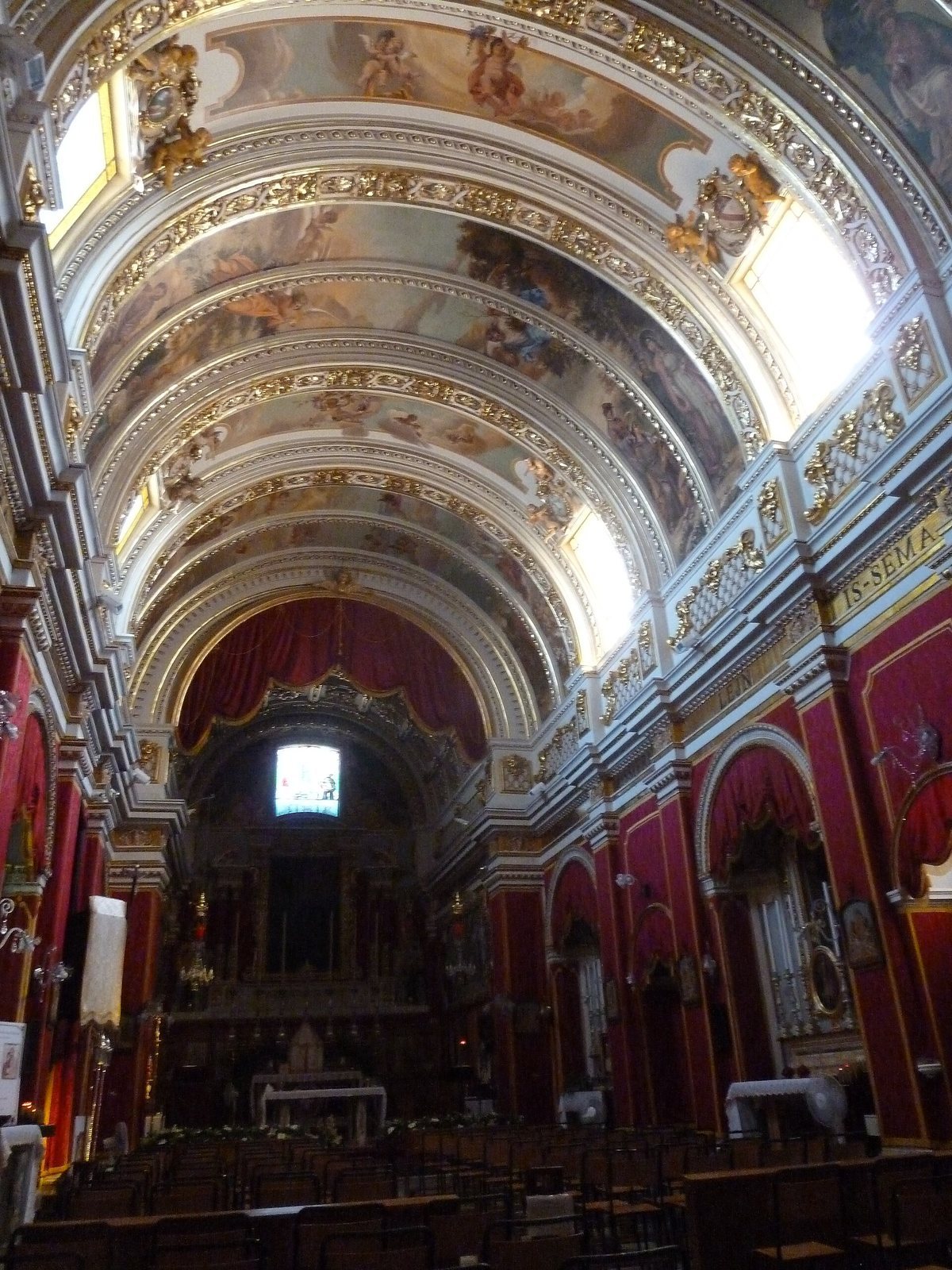
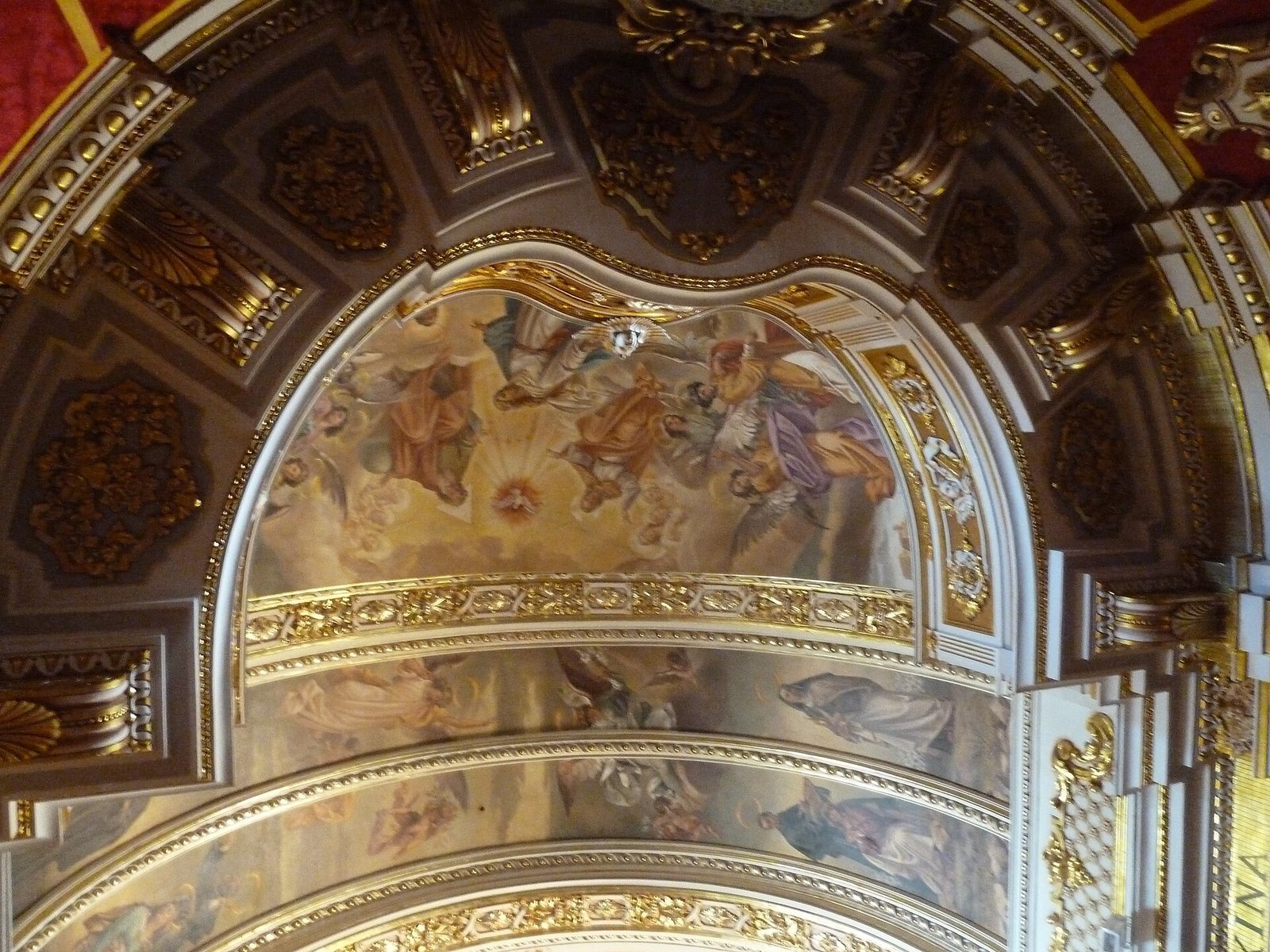
The main altar painting, by French artist Jean-Baptiste van Loo, shows St Francis of Assisi receiving the stigmata, wounds understood to correspond to those of Christ’s crucifixion. A wooden statue of Our Lady representing the Immaculate Conception was carried in a procession in 1698. The statue of St Isidore the Laborer dates to 1680 and was originally gilded. In the late eighteenth century, it was painted over to keep it from attracting the attention of French invaders. An inscription on the wall of the rooms occupied by Vilhena commemorates his stay at the church and convent.