Kamisamuraizuka Kofun: A Fourth-Century Burial Mound in Tochigi, Japan
Site at a Glance
- Rating
- 4.2
- Popularity
- Medium
- Country
- Japan
- Primary era
- Classical
- Eras represented
- Classical
- Civilizations
- Yamato
- Site type
- Burial
- Remains
- Burial Mound
On this page8 sections
History
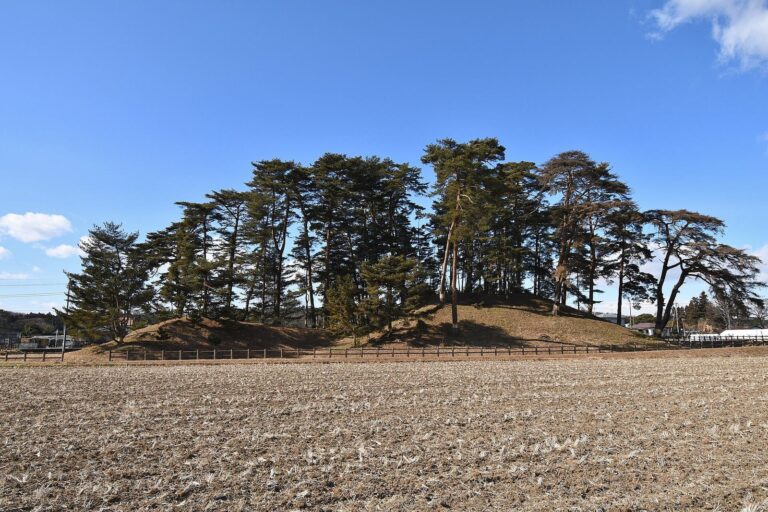
Kamisamuraizuka Kofun is an ancient Japanese burial mound at Yuzukami in Otawara, Tochigi Prefecture, Japan. Built around the end of the fourth century, at the start of the middle phase of the Kofun period, it is one of the principal ancient tombs of the Nasu region. The Kofun period takes its name from Japan’s monumental burial mounds.
Excavation in 1692
In 1692, Tokugawa Mitsukuni, a feudal lord associated with the Mito domain, ordered two investigators to excavate Kamisamuraizuka and an associated lower mound. Their work is regarded as Japan’s first scholarly archaeological excavation. Pine trees were planted on the mounds afterward to help preserve them.
The excavated grave goods were placed in a pine-board box and reburied about 2.4 metres underground. A ground-penetrating radar survey in fiscal 2021 produced no response corresponding to the box.
Protection and renewed investigation
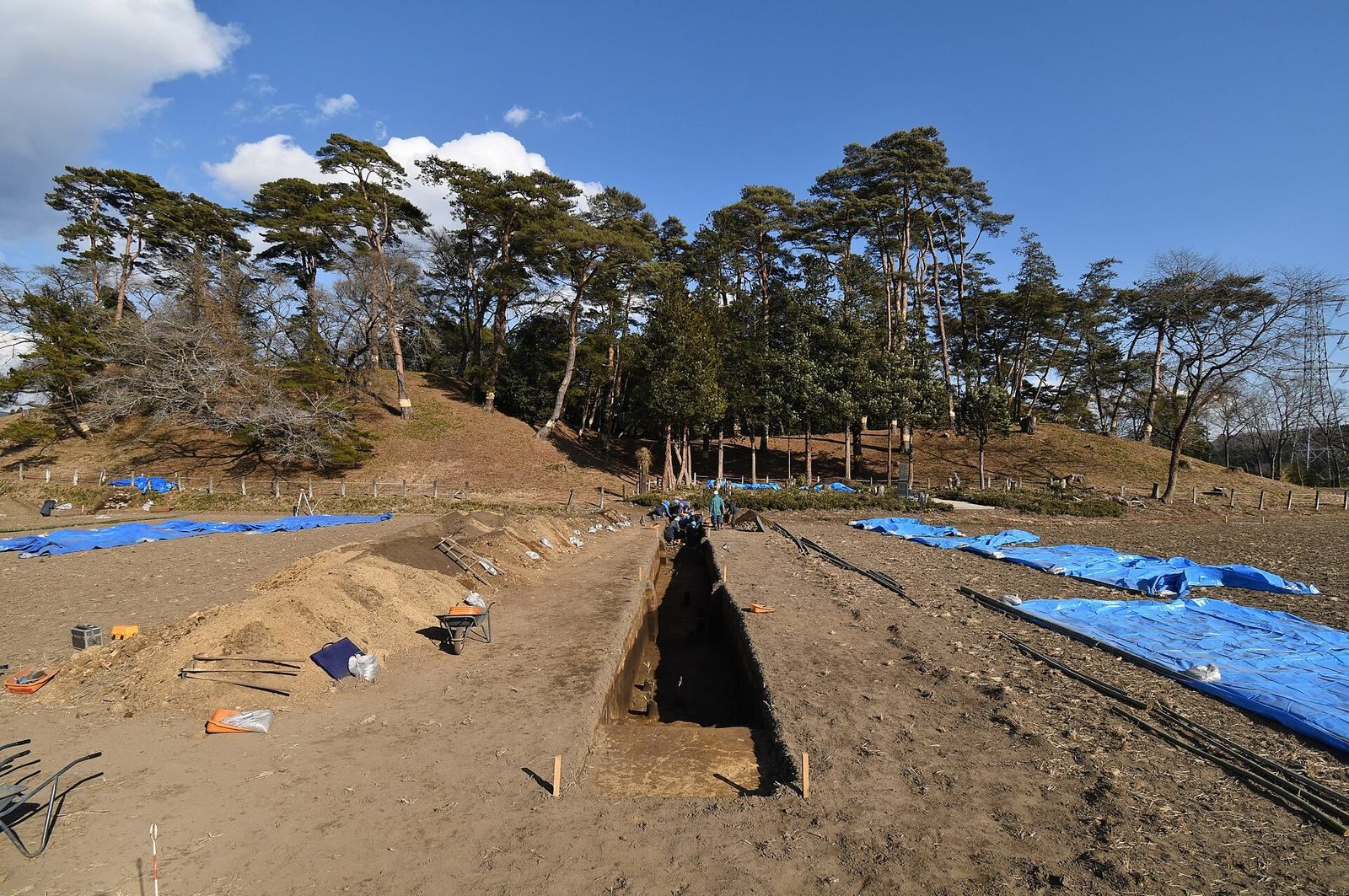
In 1951, Kamisamuraizuka and the lower mound were included together in the nationally designated Samuraizuka Kofun Historic Site. Since fiscal 2021, the Tochigi Future Creation Foundation has also conducted excavations around the mound.
Remains
Principal mound
Form and setting
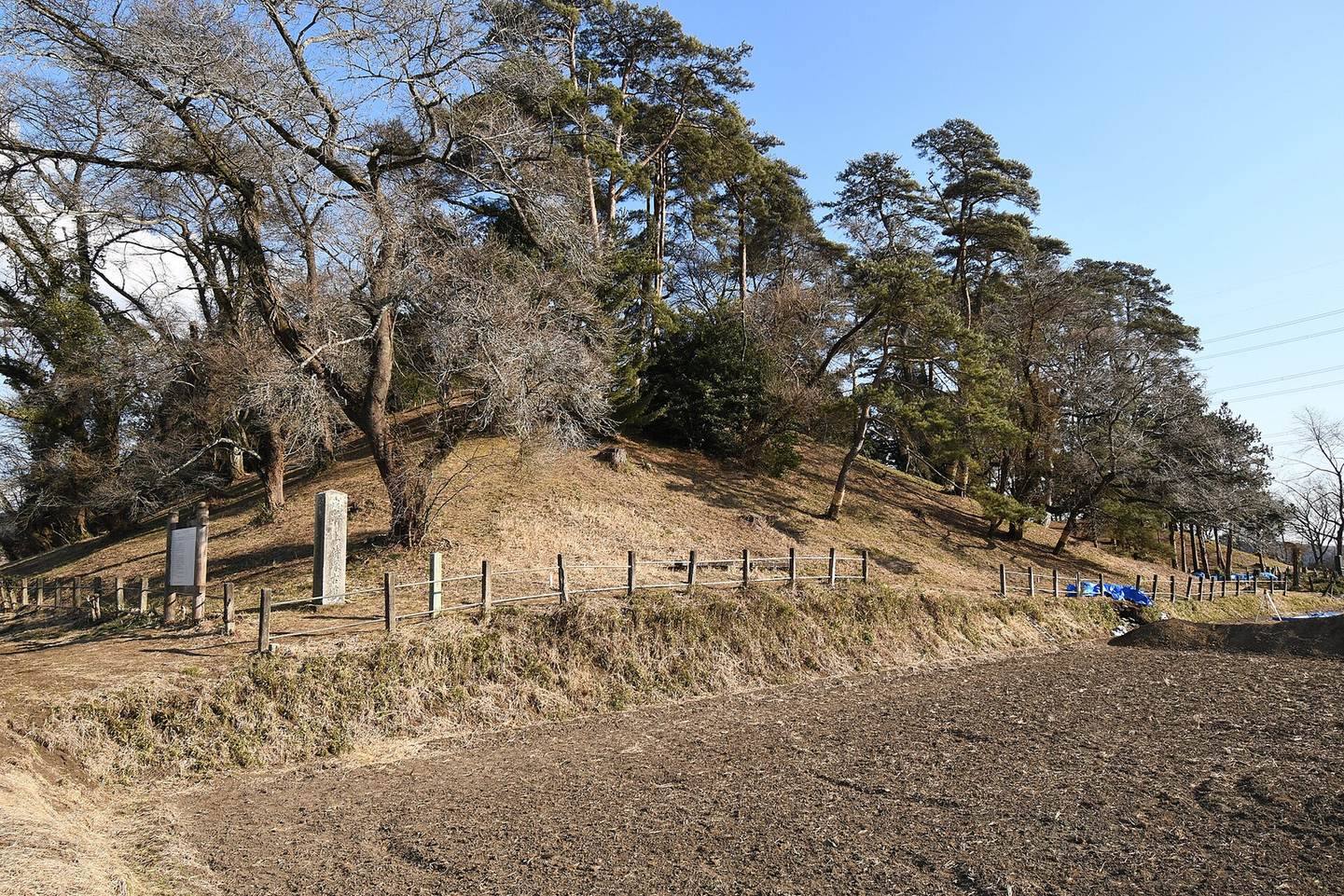
The mound stands on a terrace on the right bank of the Naka River. It has a rectangular front and a square rear, with the front facing south, and measures about 114 metres in length. The rear section is 60.5 metres long and 58 metres wide, rising 11.5 metres; the front section is 53.5 metres long and 52 metres wide, rising 6.5 metres. It is the largest of six mounds of this form in the Nasu region and the second largest of the type in Tochigi Prefecture.
Stone facing covers the mound’s exterior. A moat about 20 metres wide has been identified along its north, west, and south sides. On the east, the ground was cut down to a hard gravel layer that extends to the edge of the terrace.
Burial chamber and finds
A burial compartment sealed in clay is believed to lie beneath the summit of the rear section. Objects recovered in the 1692 excavation included a bronze mirror, possibly decorated with a twisted pattern, two tubular beads, and a stone armlet. Iron finds comprised 18 arrowheads, five armor fragments, a fragment of another iron object, a spearhead, an armor plate, 22 further armor fragments, and a fragment of an iron sword. The finds also included unglazed Haji pottery, an ancient Japanese earthenware, including a pedestal dish.
Northern mound
A separate mound of the same rectangular-front, square-rear form lies north of Kamisamuraizuka. It is 48.5 metres long and has been substantially reduced by later cutting.