St Luke Old Street: An Eighteenth-Century Parish Church in London
Site at a Glance
- Rating
- 4.7
- Popularity
- High
- Country
- United Kingdom
- Primary era
- Early Modern
- Eras represented
- Early Modern, Modern
- Civilizations
- British
- Site type
- Religious
- Remains
- Church
On this page8 sections
History
Foundation and construction
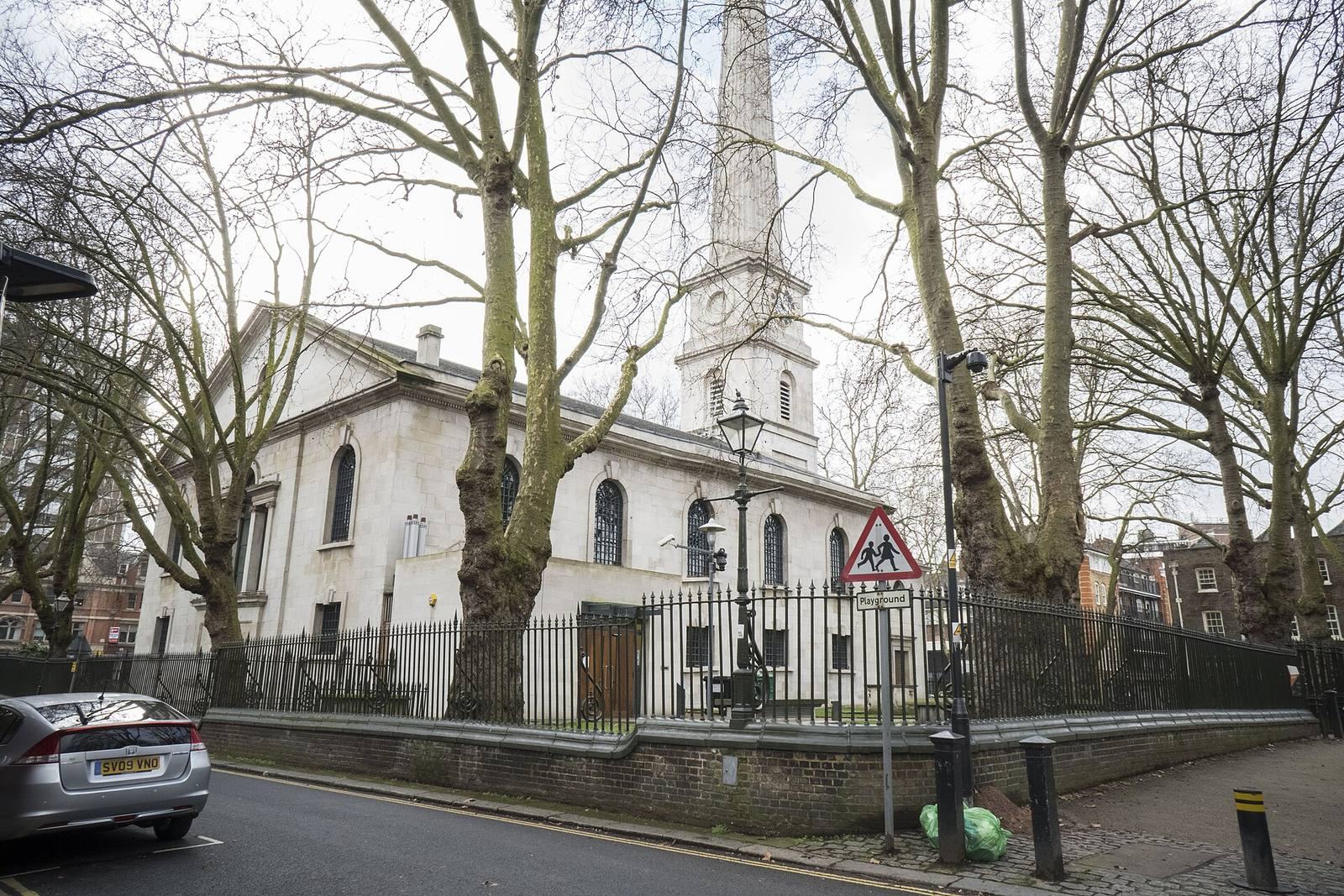
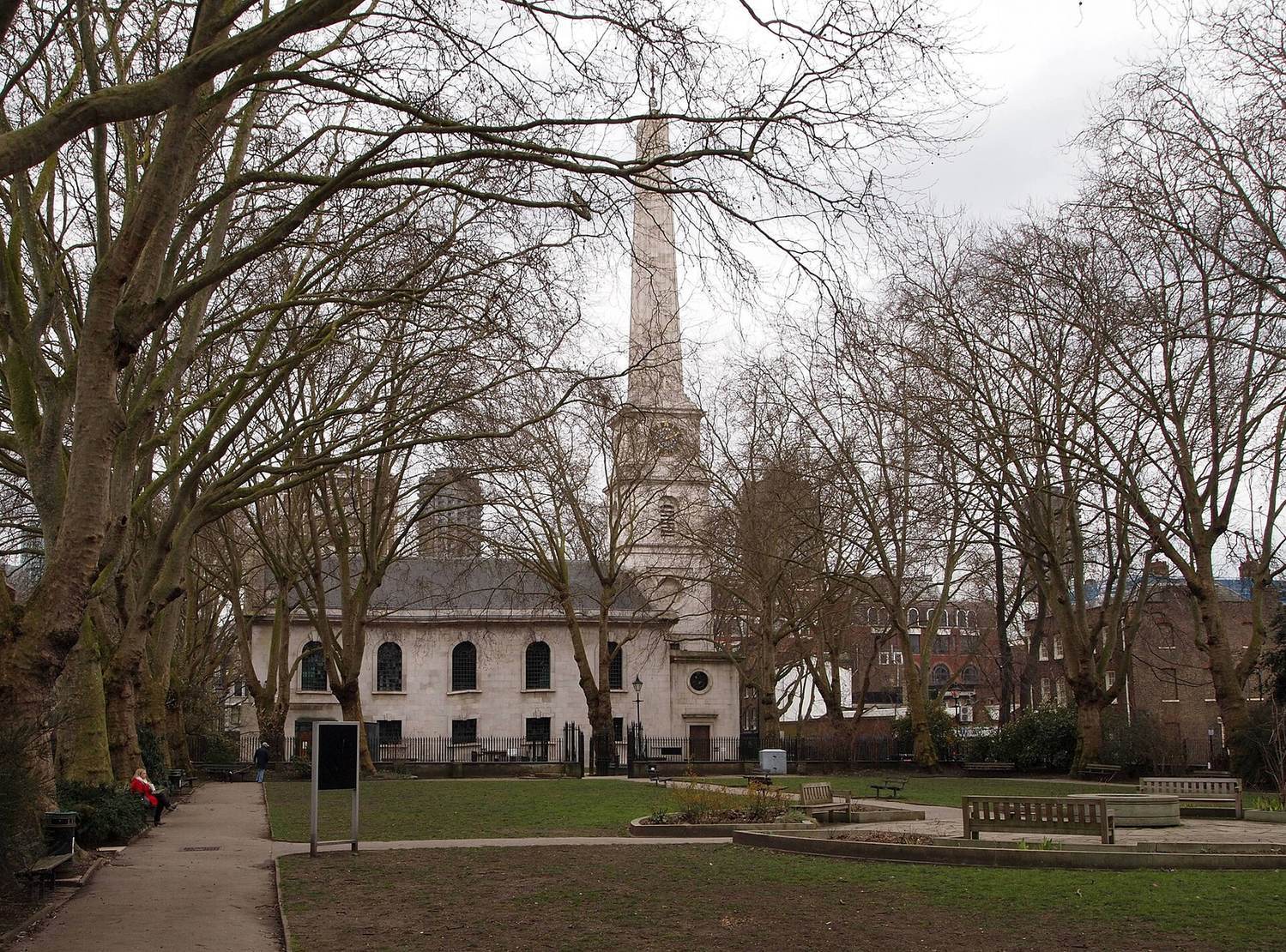
St Luke Old Street is an eighteenth-century parish church on Old Street in London, United Kingdom. It was built between 1727 and 1733 under a parliamentary programme launched in 1711 to provide churches for London’s growing population. In 1718, the Middlesex part of the parish of St Giles-without-Cripplegate, historically the Manor of Finsbury, was agreed as a separate parish. St Luke’s parish was established in 1733, when the church was consecrated on 18 October.
John James and Nicholas Hawksmoor, joint surveyors for the church-building programme, were responsible for its design. The division of their contributions remains debated. An earlier attribution assigned the main body to James and the west tower, staircase wings and spire to Hawksmoor. A 2026 study argued that Hawksmoor probably devised the overall plan, with the remaining design developed jointly.
Parish church and closure
St Luke served as a Church of England parish church from 1733 until 1959, within the Diocese of London, a regional church jurisdiction overseen by a bishop. Foundation settlement began soon after construction and caused structural problems. Along with the decline in the inner-city population, these problems led the diocese to close the church in 1959 and reunite its parish with St Giles-without-Cripplegate. The church was deconsecrated, formally ending its status as a consecrated place of worship.
From ruin to music centre
After closure, the roof was removed for safety, and the crypt, a burial chamber beneath the church, was bricked up in 1964. The building then stood roofless for about forty years. Initial stabilization took place in 1993–94. In 2000, before conversion, 1,053 burials in the crypt were archaeologically recorded, removed and reburied at Brookwood Cemetery in Surrey.
Conversion for the London Symphony Orchestra took place in the early 2000s, and the venue began operating in 2003 as LSO St Luke’s. It is used for the orchestra’s rehearsals, performances and recordings, and houses LSO Discovery, its community and music education programme. The church retained its Grade I listing, the highest category for buildings of special architectural or historic interest in England.
Remains
The site brings together the church’s historic exterior walls and west tower with a modern roof over its gallery hall, a worship space with galleries around the main interior. The church’s plain exterior and surviving fabric reflect its eighteenth-century construction, while the roof and interior supports belong to its later conversion.
Exterior and tower
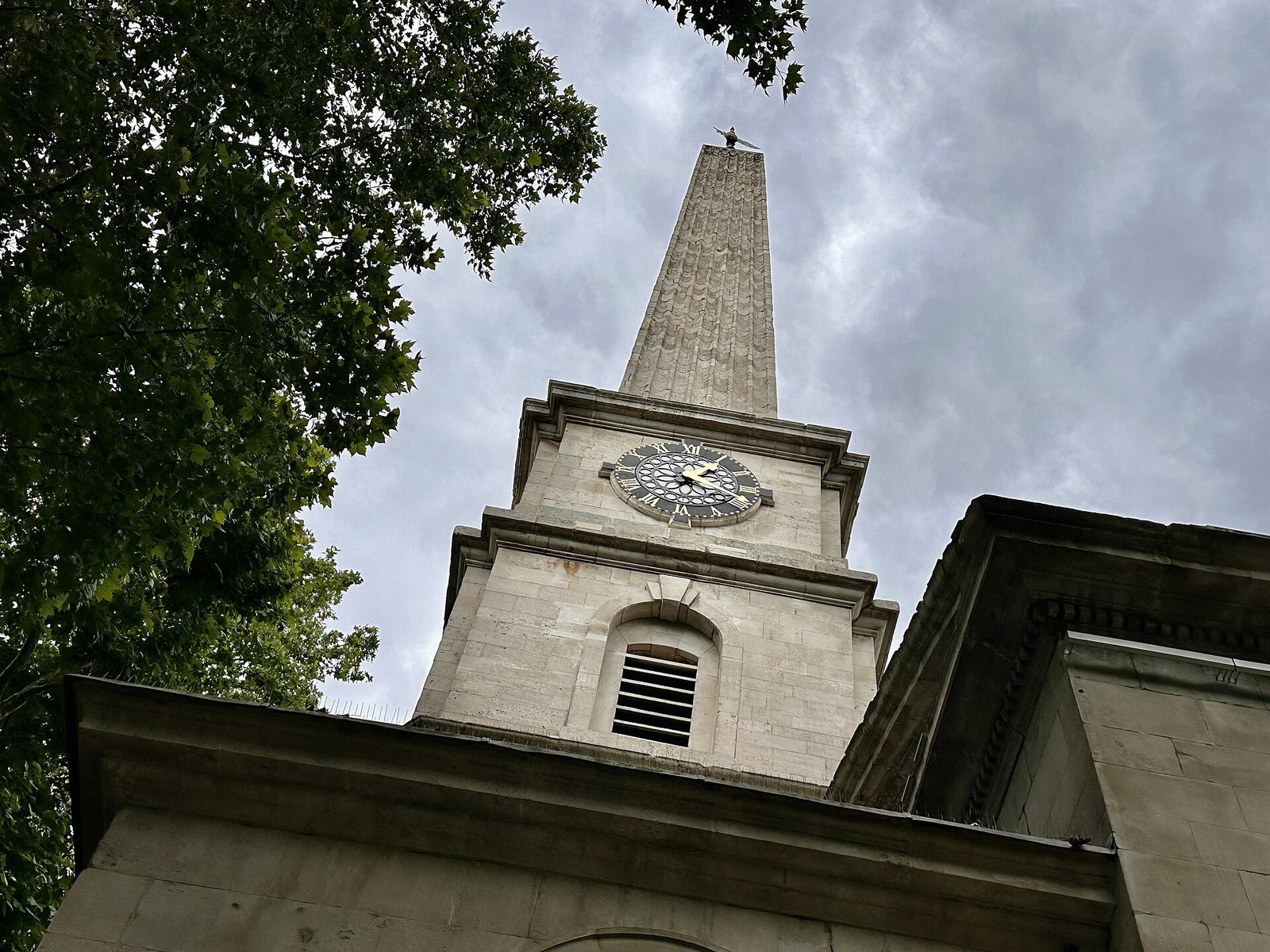
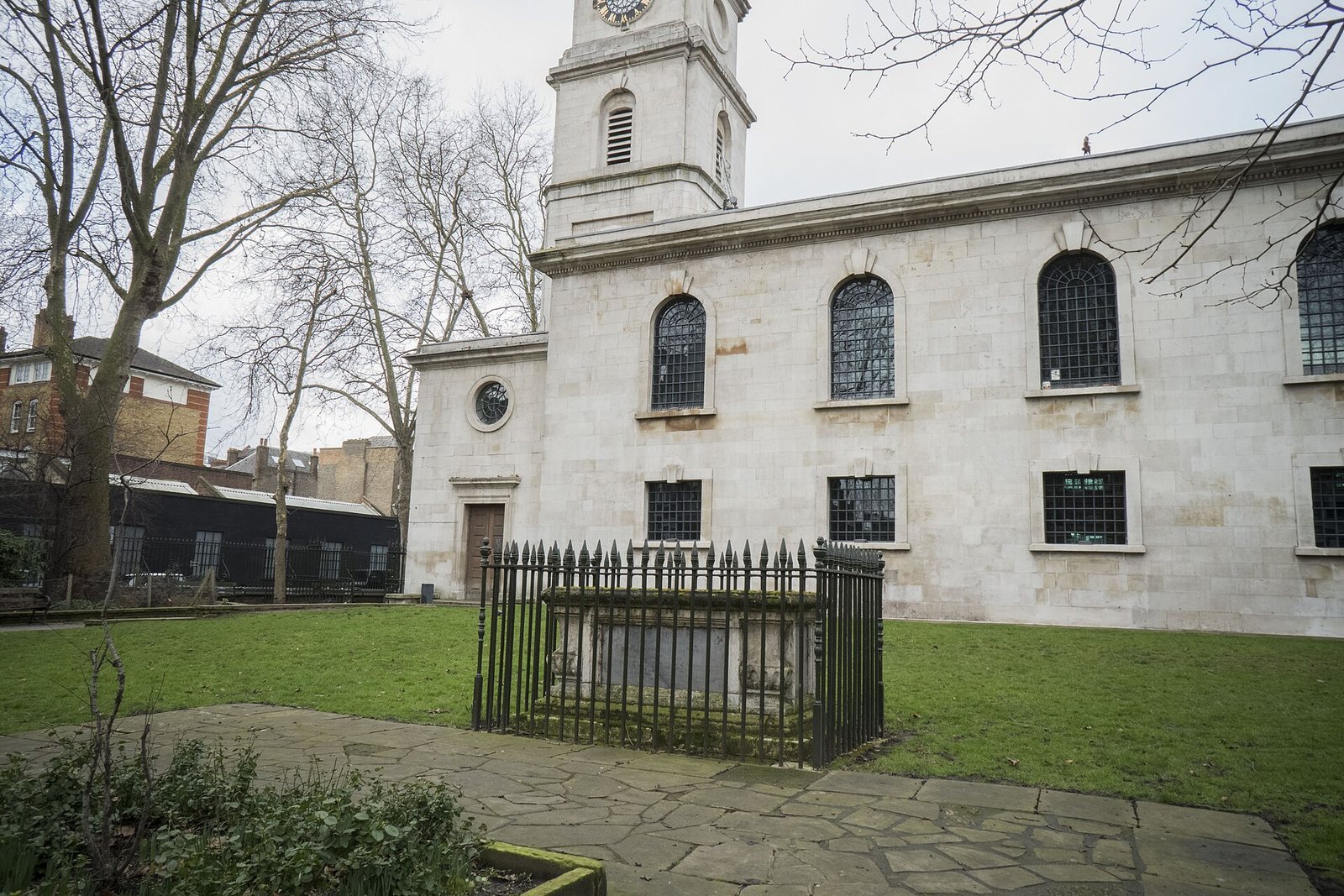
The west tower is flanked by staircase wings and topped by a tapering, obelisk-shaped spire. A weather vane depicts a dragon’s head with a tail like a fiery comet. Locals mistook the figure for a louse, giving rise by the mid-twentieth century to the nickname “lousy St Luke’s.” The exterior was kept plain for economy, with a Palladian-style motif, inspired by classical architecture associated with Andrea Palladio, in the east window. Subsidence has left the north-side window openings visibly distorted.
Hall and modern interior
The conversion retained the historic exterior and perimeter walls and added a heavy concrete slab roof supported inside the hall by tall steel columns. Its profile resembles that of the eighteenth-century roof, and it helps screen traffic noise from nearby roads. The historic sequence of windows informed the reinstatement of a gallery. The main hall accommodates up to 372 people; absorbent surfaces can be unrolled across the ceiling and walls to adjust the acoustics, while seating and staging can be rearranged. Rooms in the crypt provide practice space for professional musicians, students and community groups.
Church furnishings and churchyard
The font and organ case were moved to St Giles-without-Cripplegate in 1960, while the decorative structure behind the altar and the altar rails went to St Andrew Holborn. Built in 1733 and altered in 1863, the organ was installed at St Giles in 1971 and enlarged there. Churchyard burials included naturalist Mark Catesby (1683–1749), type founder William Caslon the elder (1692 or 1693–1766), his son William Caslon II (1720–1778), and architect George Dance the Elder (1695–1768), who served as a vestry member, part of the parish body responsible for local church and parish affairs. A listed chest tomb commemorates the Caslon family.