Engelthal Abbey: A Cistercian and Benedictine Monastery in Hesse
Site at a Glance
- Rating
- 4.5
- Popularity
- Medium
- Country
- Germany
- Primary era
- Early Modern
- Eras represented
- Medieval, Early Modern, Modern
- Civilizations
- German, Holy Roman Empire
- Site type
- Religious
- Remains
- Monastery
On this page7 sections
History
Cistercian foundation and wartime destruction
Engelthal Abbey is a monastery in Altenstadt, in the Wetterau region of Hesse, Germany. Founded in 1268 as a Cistercian nunnery, whose members followed the Rule of Saint Benedict, it was established by the knights of Büches and Rupert von Carben, the burgrave of Friedberg, an official responsible for a castle and its territory. The abbey also served as a religious foundation for members of the lower nobility.
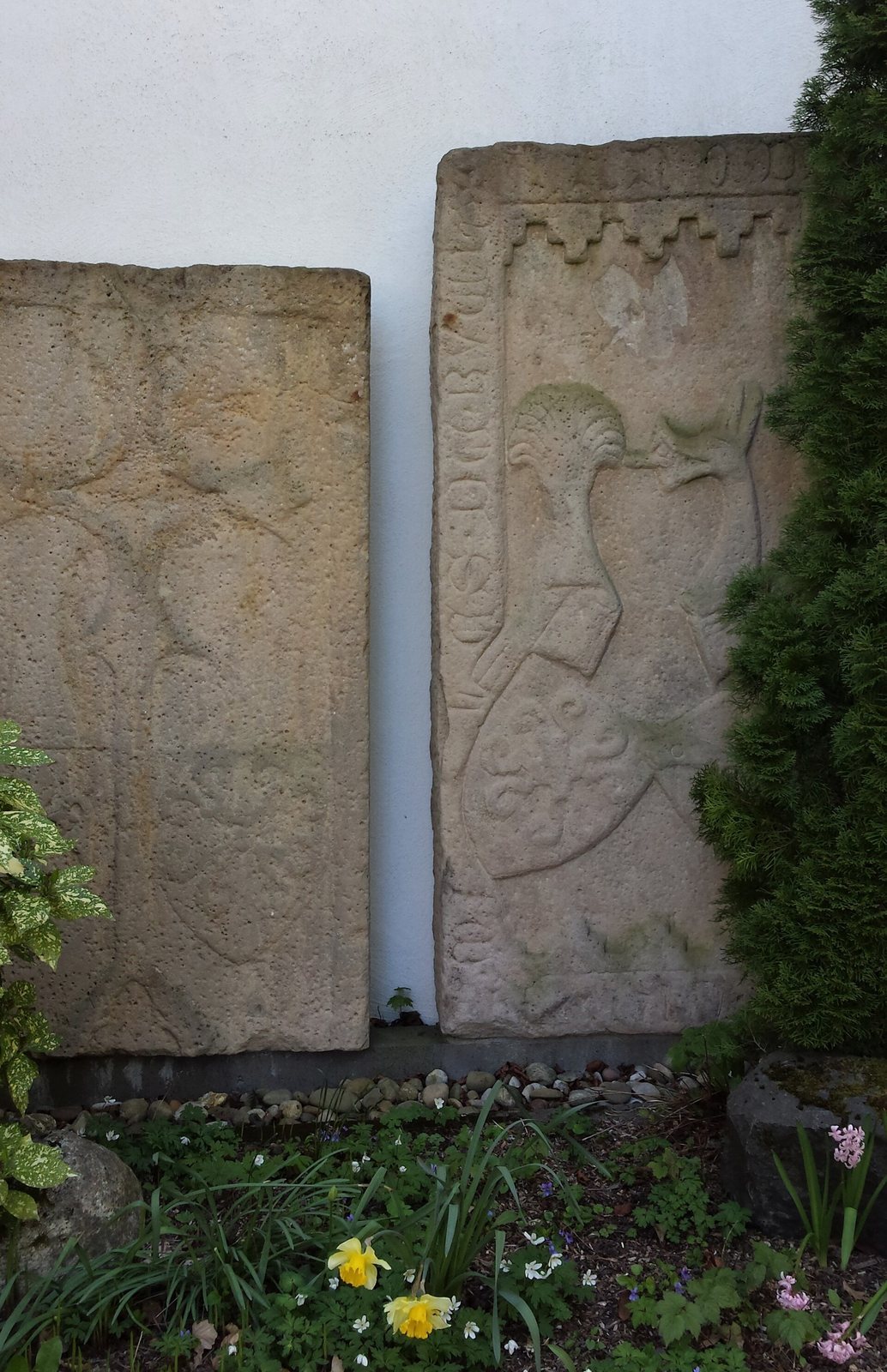
The nuns came from Arnsburg Abbey near Lich, which retained authority over Engelthal until its secularization. Konrad von Büches, one of the founding knights, lived at the abbey until his death in 1294.
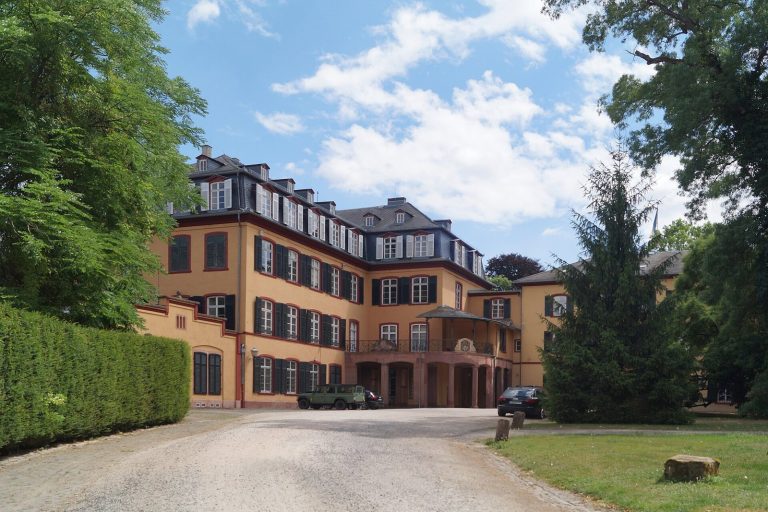
During the Thirty Years’ War, a European conflict fought from 1618 to 1648, Engelthal was largely destroyed. Its nuns fled to Aschaffenburg in 1622, and the complex was rebuilt on the ruins between 1666 and 1750.
Secularization and changes in ownership
In 1803, the Final Recess of the Imperial Deputation, a settlement that redistributed territories within the Holy Roman Empire, secularized the abbey. This transferred church property and authority to secular control. Its 24 nuns were sent back to their families, and the last abbess, the monastery’s female superior, died in Frankfurt in 1823. After secularization, the agricultural buildings were used as a farm estate.
The former abbey was granted to the House of Leiningen-Westerburg-Neuleiningen as compensation for territories lost on the left bank of the Rhine, then soon sold to the Count of Solms-Wildenfels. In 1806, the Grand Duchy of Hesse took sovereignty over Engelthal as it joined the Confederation of the Rhine, a French-influenced group of German states. The area became part of the Principality of Upper Hesse, called the Province of Upper Hesse from 1816, and the Altenstadt office, a local administrative jurisdiction. The Counts of Solms retained some administrative and judicial powers as mediatized lords, former territorial rulers who kept certain rights under a larger state, and maintained a smaller jurisdiction known as the Engelthal office.
A reform in 1821 abolished the offices and separated administration from justice. The Vilbel administrative district and the Solms lordship took over duties formerly handled by the Engelthal office; the lordship initially retained jurisdiction. The estate passed to the Count of Solms-Laubach in 1836, the Barons Heyl of Herrnsheim in 1917, and a settlement company in 1948.
Benedictine community and departure
The Diocese of Mainz acquired the cloister precinct in the mid-20th century. Benedictine nuns from Herstelle Abbey settled there in 1962, and Engelthal became an abbey in 1965. It joined the Beuron Congregation, a group of Benedictine monasteries. The sisters welcomed guests, held retreats, practiced monastic crafts, and restored religious artworks, including paintings.
In 2024, the community decided to move to Rochusberg near Bingen. The 12 sisters who remained left Engelthal in August 2026, citing their age and a lack of new vocations. Bishop Peter Kohlgraf of Mainz, Beuron Abbot President Franziskus Berzdorf, and regional guests attended a farewell Pontifical Mass on 23 August.
Remains
Layout and surviving structures
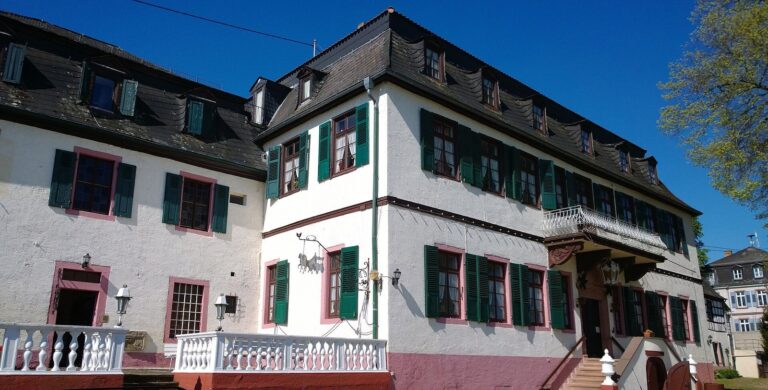
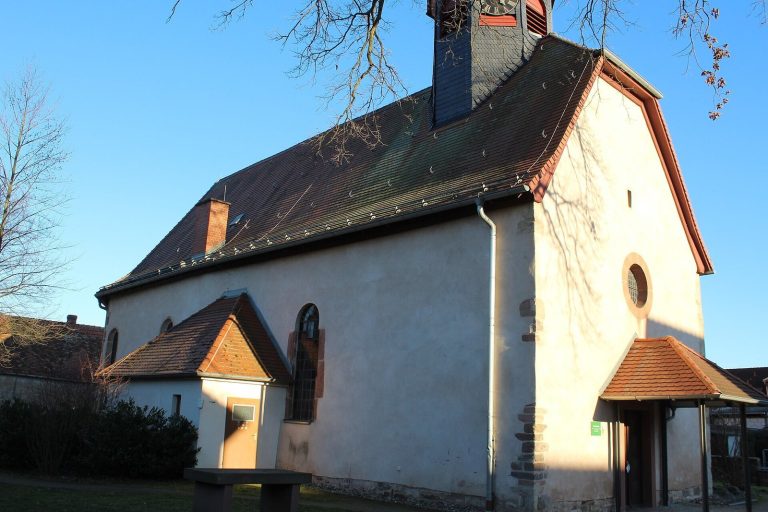
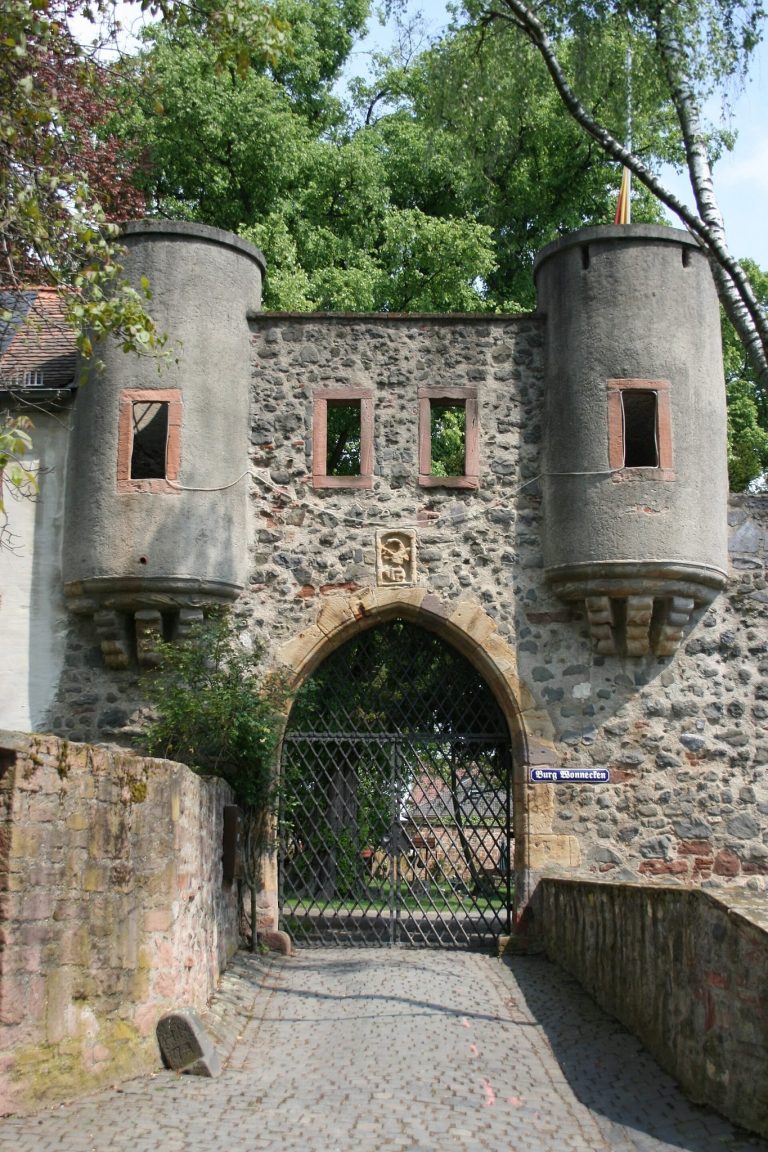
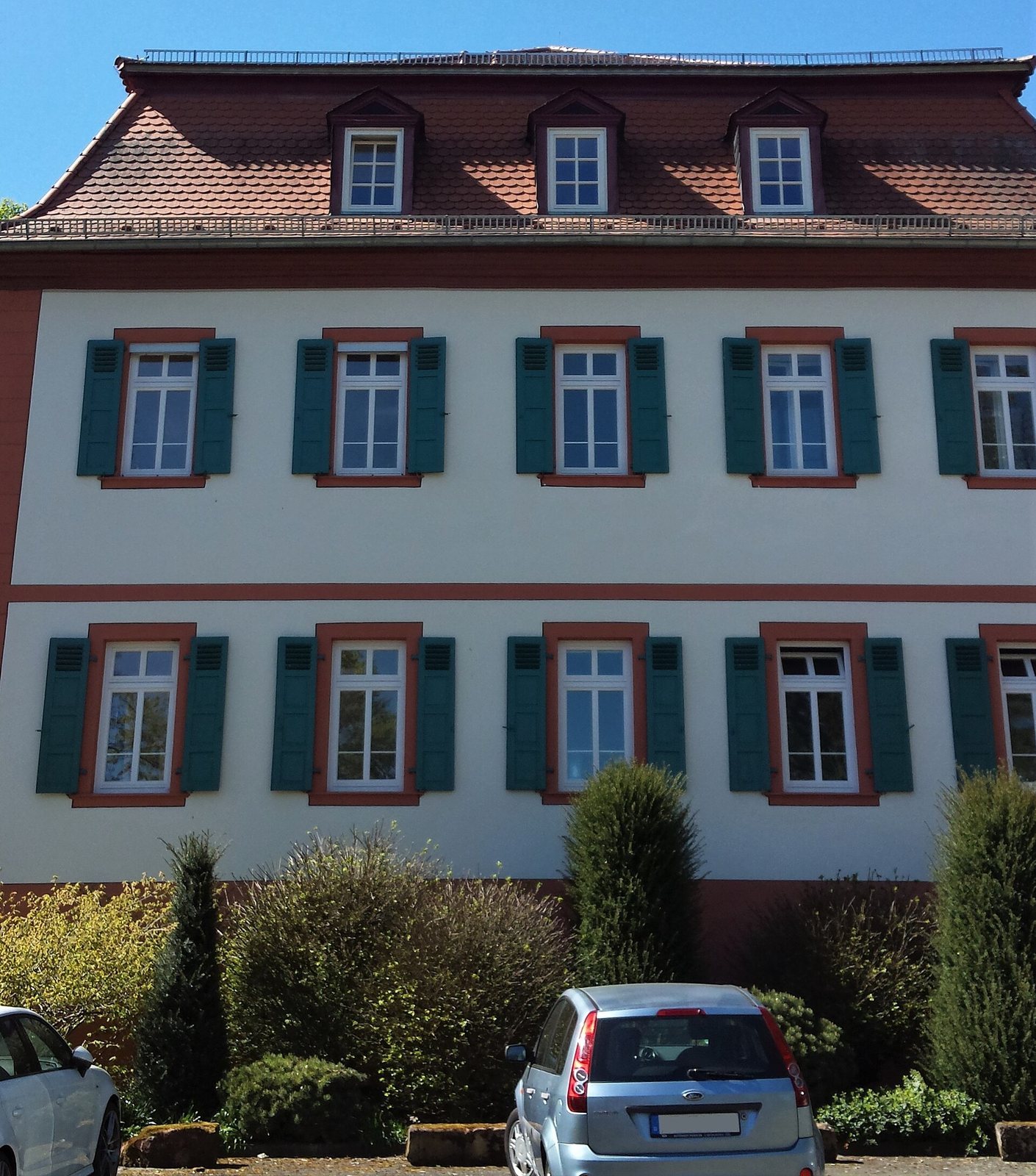
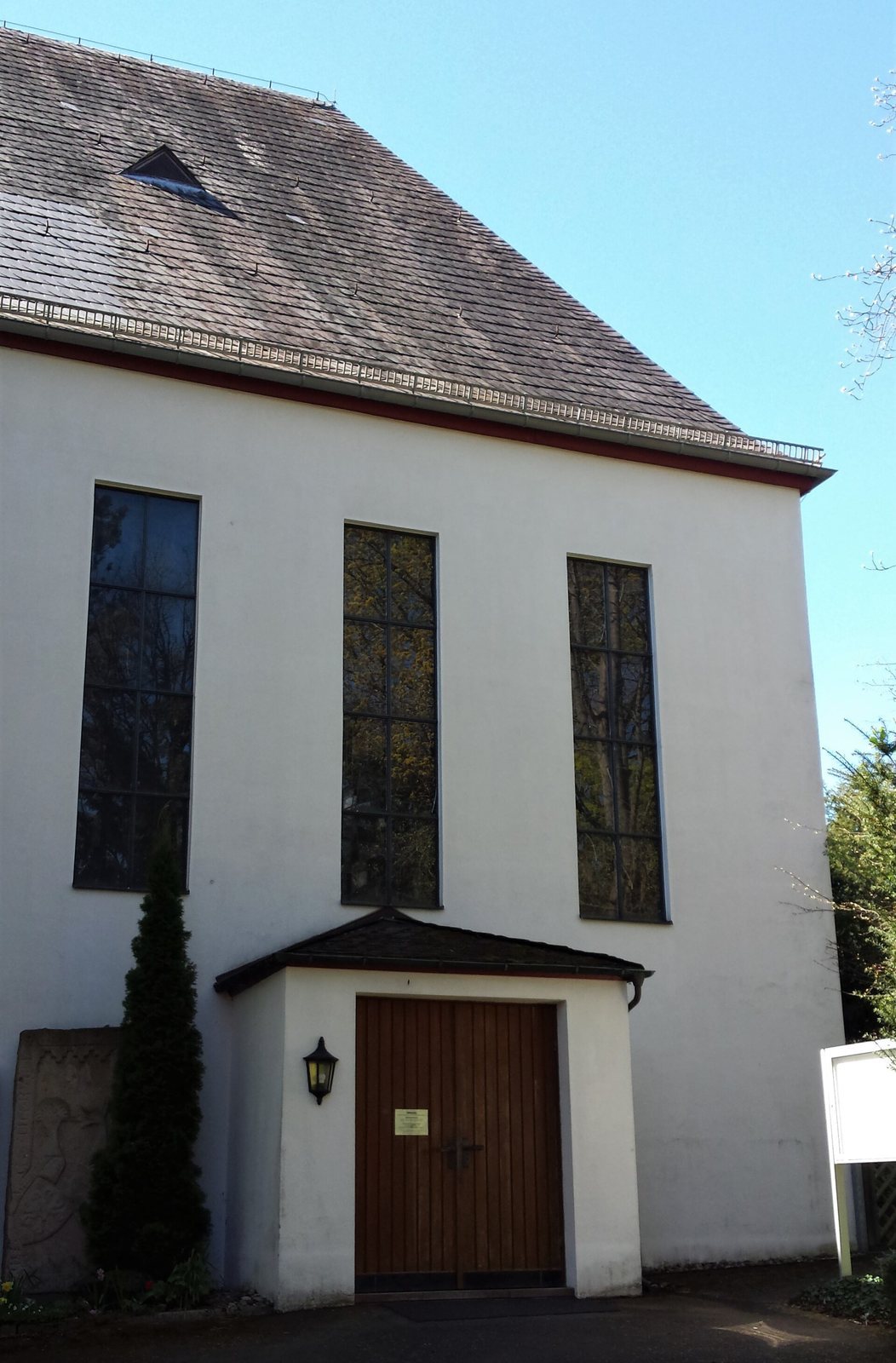
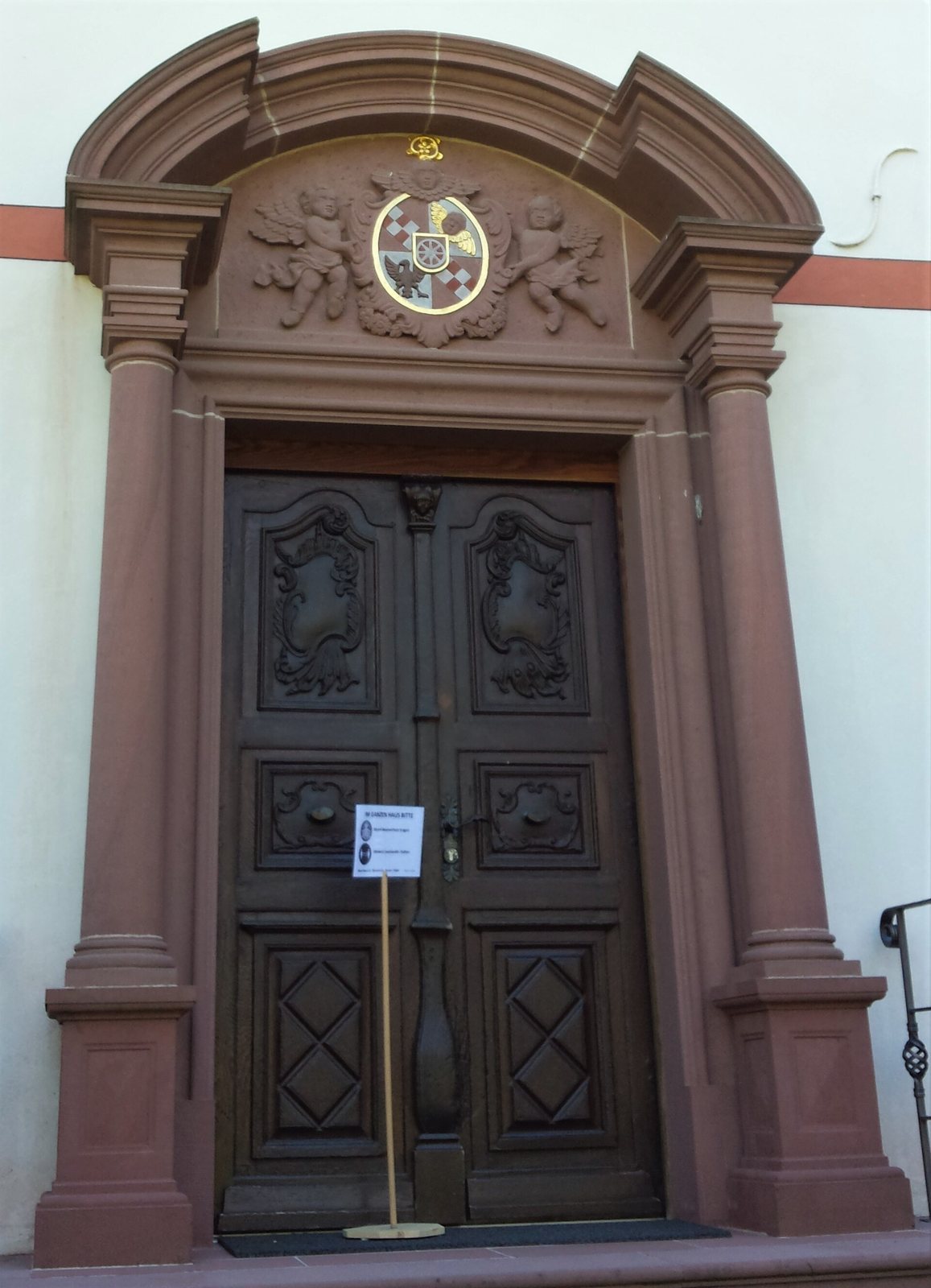
The rebuilt precinct has a predominantly late-Baroque character. Its buildings include a church, convent and agricultural buildings, and a representative residence for the abbess. The enclosure and convent buildings were partly demolished after secularization. The church remains in use as a Roman Catholic parish church, and Konrad von Büches’ grave slab is preserved.
Modern replacement building
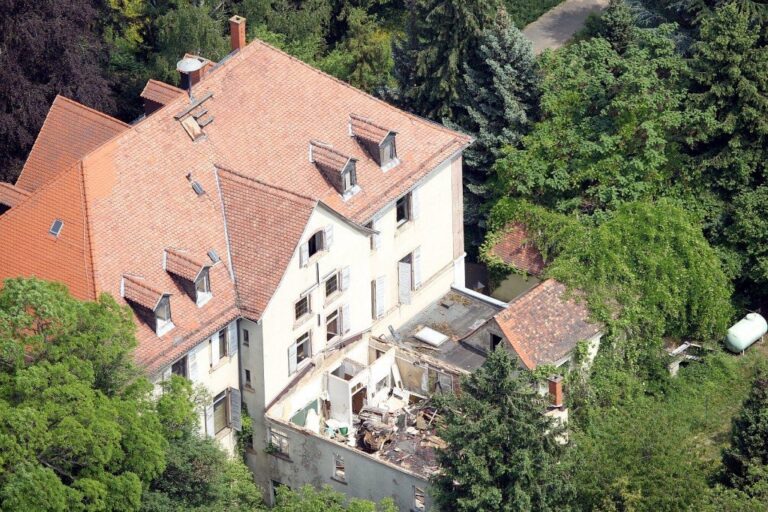
A new building was added to the complex in April 2010. It replaced the western and southern cloister wings and a small annex west of the church, which had been demolished because they were dilapidated. The project also redesigned the energy supply, with geothermal heating as its main feature.