Brinsop Court: A Medieval Manor House and Estate
Site at a Glance
- Rating
- 4.8
- Popularity
- Medium
- Country
- United Kingdom
- Primary era
- Medieval
- Eras represented
- Medieval, Early Modern, Modern
- Civilizations
- British, English
- Site type
- Domestic
- Remains
- Manor House
On this page10 sections
History
Medieval origins and landholding
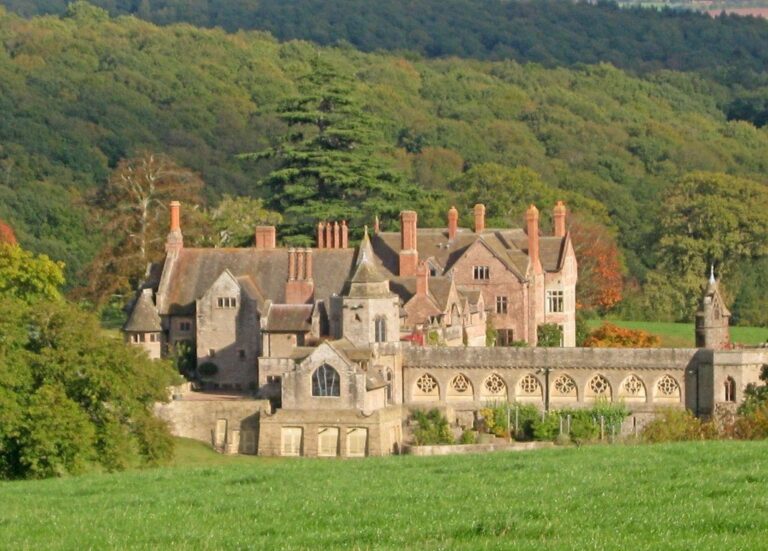
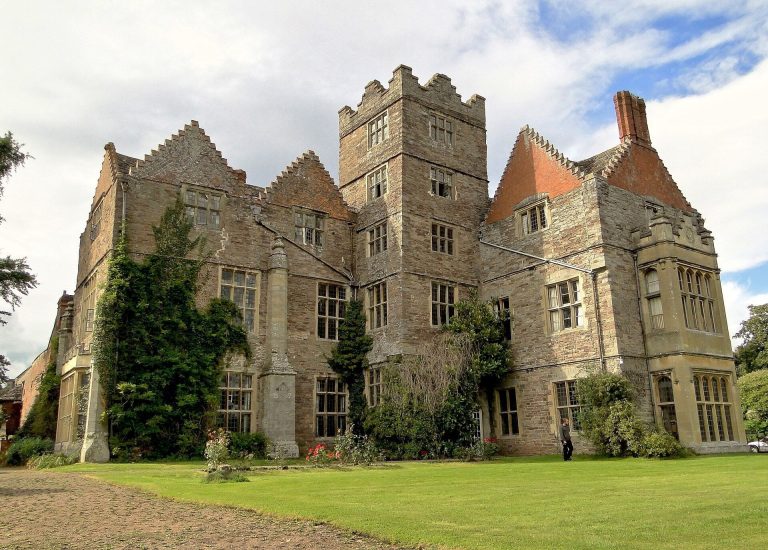
Brinsop Court is a manor house in the United Kingdom, built in the early fourteenth century by a local squire using local building traditions. Known as the Old Court, it was described as grander than Cheyney Longville, a manor held by a knight who was also a member of Parliament.
Brinsop’s medieval landholding history includes a Ralph whose son, also named Ralph, lived there and confirmed a charter. Sir Roger was knighted by Edward I for fighting the king’s enemies in the Welsh Wars, which began in 1282. A third Ralph died without an heir, and his sister inherited Brinsop. Under their 1305 marriage settlement, she brought the property to her husband, Adam Lucas. In 1340, Edward III authorized a reversion charter in favour of Ralph Tirell for 240 acres held in return for military service. Tirell was a tenant of Lord Herbert.
The Dansey family and the Civil War
The Dansey family owned the house for about 500 years, until the family line ended in the early nineteenth century. In 1645, during the English Civil Wars between supporters of the monarchy and Parliament, Charles I visited Brinsop Court. A church window commemorates the visit with a modified Dansey coat of arms associated with the Chandos, Talbot and Baskerville families. After the king’s defeat, Parliament fined the Danseys £390.
Ruin and nineteenth-century ownership
The house was partly damaged and demolished to reduce its defensive usefulness. Its remaining buildings fell into ruin during the eighteenth century, a period when stone was commonly taken from derelict structures for reuse.
Political economist David Ricardo bought Brinsop Court in 1817 for £26,000 and leased it to Thomas Hutchinson, brother-in-law of poet William Wordsworth. Wordsworth stayed from December 1827 to January 1828 and wrote three sonnets at the house. His sister Dorothy described the surroundings as cheerful, with flowering hedges and many orchards. From 1845, Dearman Edwards occupied the property as a tenant farmer. He bought it near the end of his life, in 1909, and it was subsequently sold.
Twentieth-century changes and later use
Hubert Delaval Astley and his wife, Lady Constance Sutton, owned Brinsop Court from 1912 and commissioned the architectural writer and garden designer Henry Avray Tipping to modernize it. Lady Constance, a keen collector of books, assembled a notable library there. The estate passed by inheritance to Captain Philip Astley. At the end of the Second World War, La Retraite school occupied the house; it later belonged to Sir Derrick Bailey.
Martin and Pat Churchward have owned Brinsop Court since 2005. It remains privately owned and is used mainly as an events venue. The house is Grade I listed, a category for buildings of exceptional interest; the bridge to its southwest is Grade II listed, for buildings of special interest.
Remains
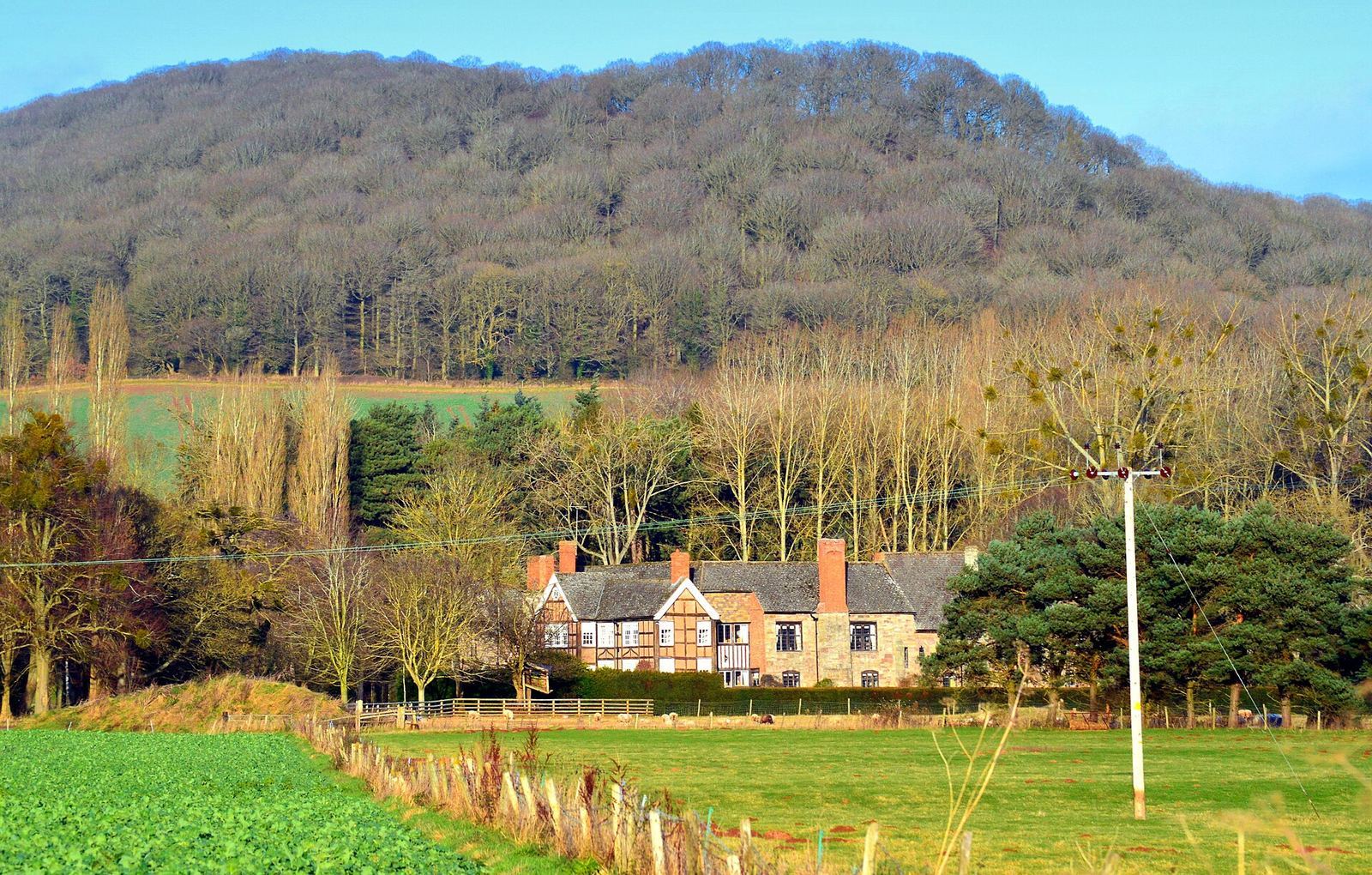
The house reflects successive building phases and local architectural traditions. Lawns surround it, a moat encircles the house, and the estate covers 800 acres.
The manor and its grounds
House and moat
The house includes sixteenth- and seventeenth-century work alongside an early twentieth-century reconstruction. Period fireplaces, ceilings and wooden panelling survive within it. A bridge crosses the moat on the southwest side.
East wing and farm buildings
The east wing, completed in 1913, formed a full square with the house. The same development upgraded the outbuildings and extended the gardens as part of the creation of a working farm.
The earlier court
An ancient manuscript presents the earlier court as a quadrangle reached by a drawbridge over the moat. A chapel occupied one side, with a crypt below, a roof formed by intersecting curved vaults, and wall paintings made on wet plaster. The quadrangle also contained a dungeon and a blacksmith’s forge. Two towers flanked the drawbridge, each topped with grotesque figures that included a monkey playing a fiddle. A third tower stood in the inner court and was once well preserved; it was later pulled down, and its stone was used to build a wall around the stables.