Melbury House: A Dorset Country House
Site at a Glance
- Popularity
- High
- Country
- United Kingdom
- Primary era
- Early Modern
- Eras represented
- Medieval, Early Modern
- Civilizations
- English
- Site type
- Domestic
- Remains
- Manor House
On this page9 sections
History
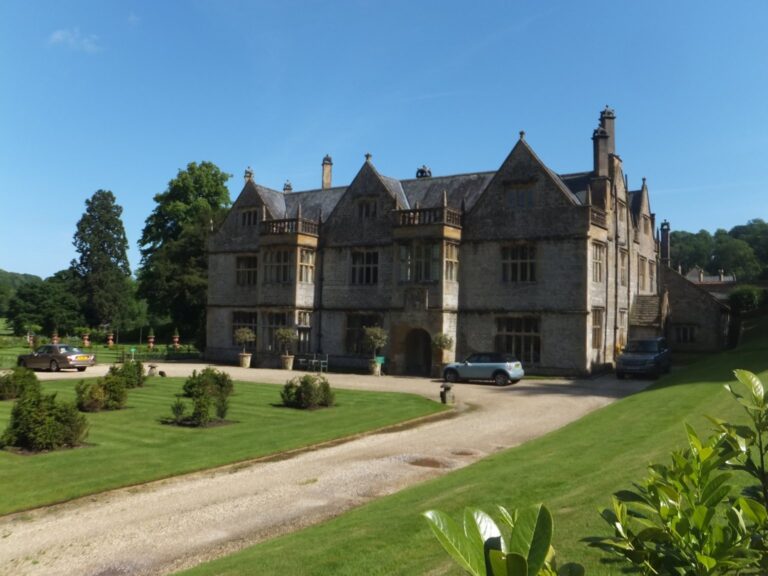
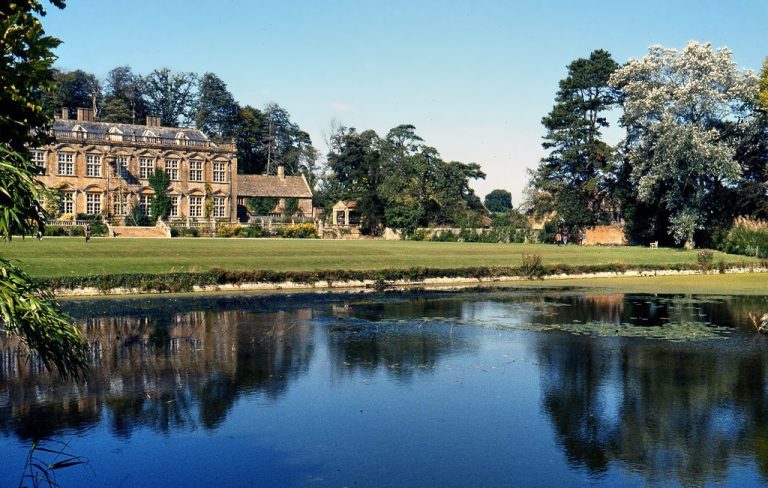
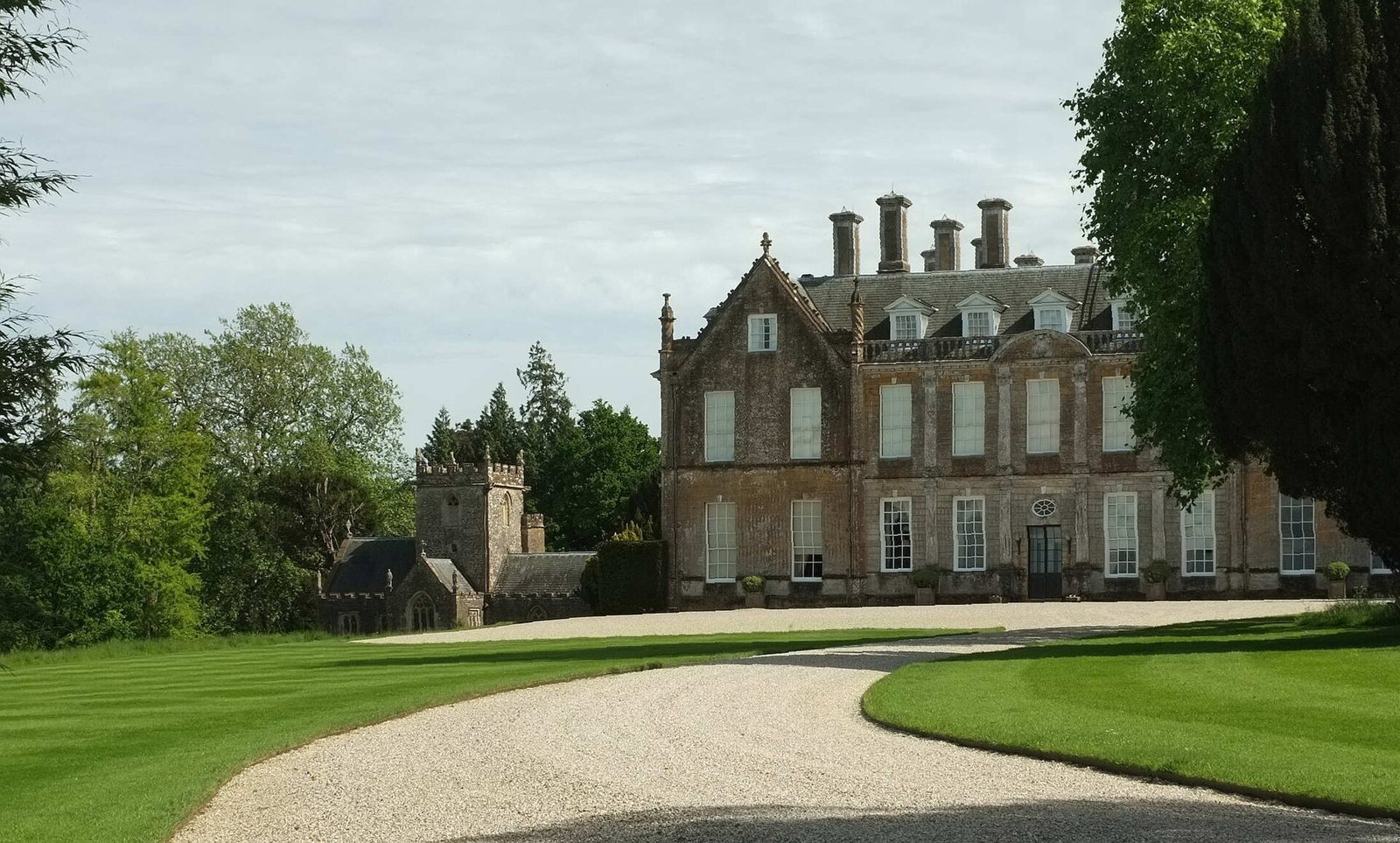
Melbury House is a country house in Melbury Sampford, near Evershot in Dorset, United Kingdom. Sir Giles Strangways rebuilt the medieval manor after 1546, creating a house that became the seat of the Strangways family and later passed through the Fox-Strangways inheritance.
The Strangways house
In 1500, Sir Henry Strangways acquired the Melbury estate from William Browning, whose widow he had married. The estate became the Strangways family’s Dorset seat. Sir Giles Strangways, Sir Henry’s great-grandson, rebuilt the Browning family’s medieval manor after 1546. Although Sir Giles’s spending left his estate burdened with debt when he died young, he built a restrained house at Melbury.
In 1692, Thomas Strangways, a member of Parliament, altered and extended the house under the direction of a local mason-builder named Watson, probably John Watson of Glashampton in Gloucestershire. The house was modernized again in the nineteenth century.
Inheritance and the Fox-Strangways family
After the childless Thomas Strangways died in 1726, his sister Susanna became his sole heir. She was a daughter of Thomas Strangways, who died in 1713, and the mother of Elizabeth Horner. Elizabeth was the sole heiress of Thomas Horner, a member of Parliament and sheriff, a county official, in Somerset in 1711–12. In 1726, under the terms of his wife’s inheritance, Horner adopted the Strangways name and coat of arms.
Elizabeth married Stephen Fox in 1735, when she was 13 and he was 31. Stephen, the eldest surviving son of Sir Stephen Fox, the first Paymaster of the Forces, an official responsible for military payments, later added the Strangways name and arms in 1758, becoming Stephen Fox-Strangways. His titles followed in stages: he became Baron Ilchester of Ilchester and Baron Strangways of Woodford in 1741, Baron Ilchester and Stavordale in 1747, and Earl of Ilchester in 1756. An earl and a baron are ranks in the British peerage.
Associations and later status
Writer and politician Horace Walpole admired the house’s paintings and tapestries during a visit. William Henry Fox Talbot, a pioneer of photography, was born there. Thomas Hardy used Melbury House as “King’s Hintock Court” in passing references in “The Duke’s Reappearance,” in A Changed Man and Other Tales, and in A Group of Noble Dames (1891).
The house is the home of the Honourable Charlotte Townshend, a major landowner in east Dorset who descends through her mother, Theresa Fox-Strangways, Viscountess Galway, from Harry Fox-Strangways, 7th Earl of Ilchester. Melbury House was listed Grade I in 1951, a category for buildings of exceptional interest. The house and stable yard have Grade I status; the landscaped gardens are Grade II*, a category for particularly important sites of more than special interest, and are included in the National Register of Historic Parks and Gardens.
Remains
Architectural layout
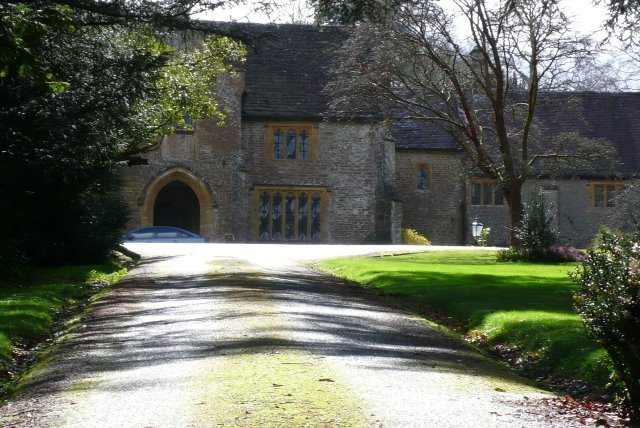
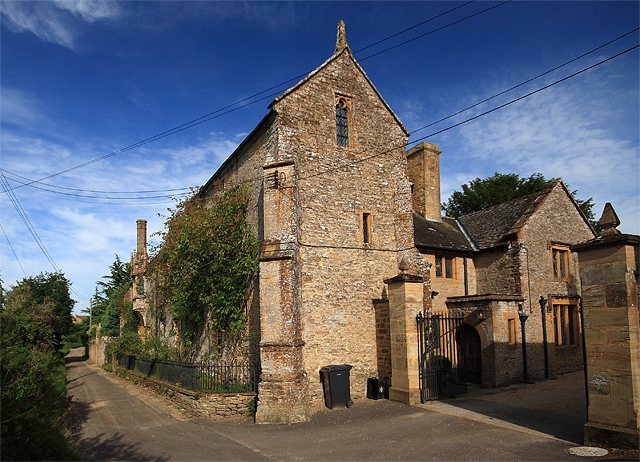
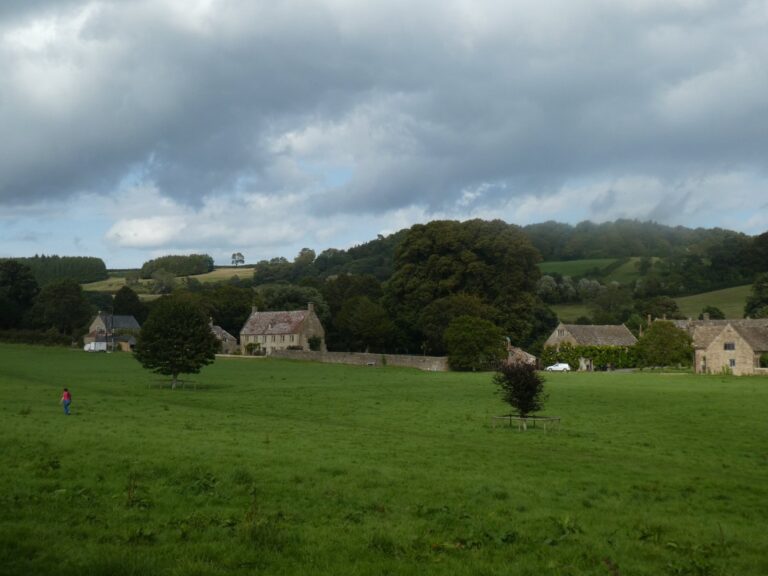
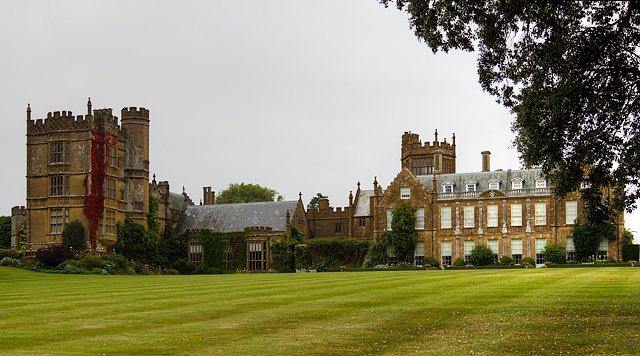
Melbury House has a restrained courtyard layout. Its stable yard lies to the north, and landscaped gardens form part of the grounds.
Courtyard ranges
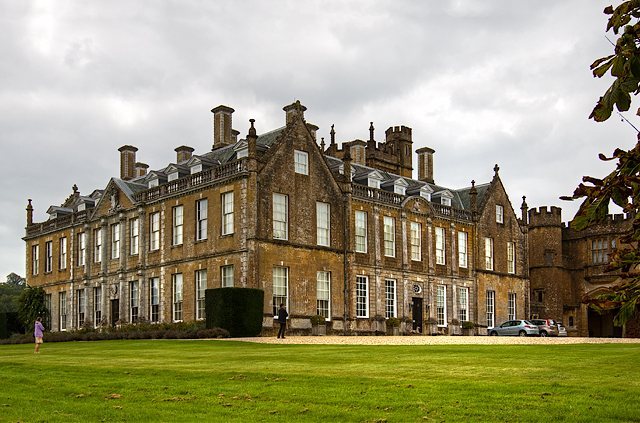
The house comprises three principal ranges arranged around a courtyard. Rebuilt after 1546, they were constructed from Ham stone, a type of limestone quarried about nine miles away.
Hexagonal tower
A hexagonal tower stands near the junction of the three ranges. Above the adjoining roof beams, tall arched windows are divided into many leaded panes and provide views in every direction over the park and surrounding countryside. The roof has mock battlements, decorative imitations of the notched tops of defensive walls.
Interior
The house’s richly appointed apartments were furnished with paintings and tapestries.