Porta Esquilina: A Gate in Rome’s Servian Wall
Site at a Glance
- Rating
- 4.5
- Popularity
- Medium
- Country
- Italy
- Primary era
- Classical
- Eras represented
- Classical
- Civilizations
- Roman
- Site type
- Military
- Remains
- Gate
On this page6 sections
History
Porta Esquilina was an ancient Roman gate in Rome, Italy, on the Esquiline Hill. Archaeological evidence dates it to the fourth century BCE, although tradition connected it with Rome’s sixth-century BCE expansion and King Servius Tullius, an early king credited with building the Servian Wall.
Origins and the city’s growth
In the traditional account, Rome’s expansion brought the Esquiline and other hills within the city, in an area previously occupied by the Sabines. The gate’s name comes from the hill; scholars have treated it as a possible indication of the gate’s antiquity. After Rome was sacked by the Gauls in 390 BCE, the Servian Wall was rebuilt in 378 BCE with squared blocks of tufa, a volcanic rock.
Porta Esquilina linked Rome with the Esquiline to the east. The Via Labicana and Via Praenestina began together at the gate, followed a shared route, then divided near the later Aurelian Walls. They led toward Labicum, Gabii, and Praeneste. As Rome spread beyond its early circuit, the gate no longer marked the city’s outer edge.
Republican and Augustan Rome
During the Republic, the Esquiline served as a cemetery. By the time of Augustus, Rome’s first emperor, the surrounding area had become densely settled. The statesman and patron Maecenas turned land there into gardens, and the district became part of the Subura. The busy Clivus Suburanus, a street lined with shops and taverns, also had a reputation for prostitution.
Literary accounts connect the gate with civic and military events. Livy recounts how the early consul Publius Valerius Publicola planned to lure Etruscan raiders toward cattle driven out through the gate, so Roman forces could ambush them. Cicero described entering Rome through it while trampling his Macedonian laurels, a detail taken to suggest that triumphal processions used the passage. During Sulla’s first march on Rome, the rival leader of Marius’s forces ordered the gate secured, while Sulla sent troops through it. Citizens recruited by Marius attacked the soldiers with bricks and stones.
Certain executions may have taken place beyond the pomerium, Rome’s sacred boundary. In Pro Cluentio, Cicero places the murder of Asinus of Larinum outside the gate; Tacitus’s Annals recounts the execution there of the astrologer Publius Marcius by consuls.
Another tradition explained the origin of the Quinquatria Minora, an annual masked and noisy procession held on June 13 in honor of Minerva, the Roman goddess associated with wisdom, crafts, and strategic warfare. After a decree limited the number of flute players permitted at ceremonies, some musicians went into exile at Tivoli. Their host later sent them away in a drunken gathering on an unguided cart. It entered Rome through Porta Esquilina, and the musicians were found at the Forum the following morning.
Imperial rebuilding and later change
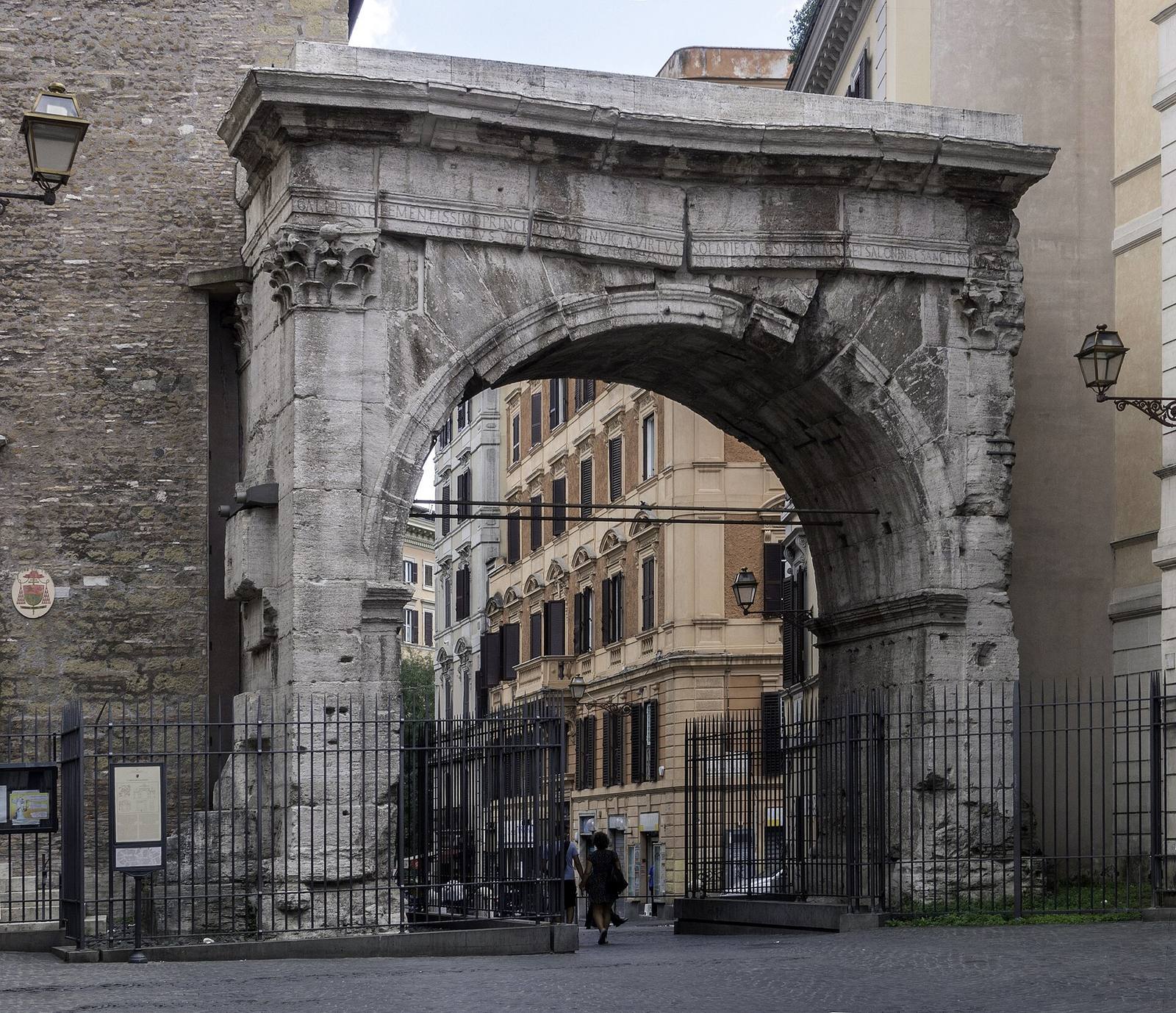
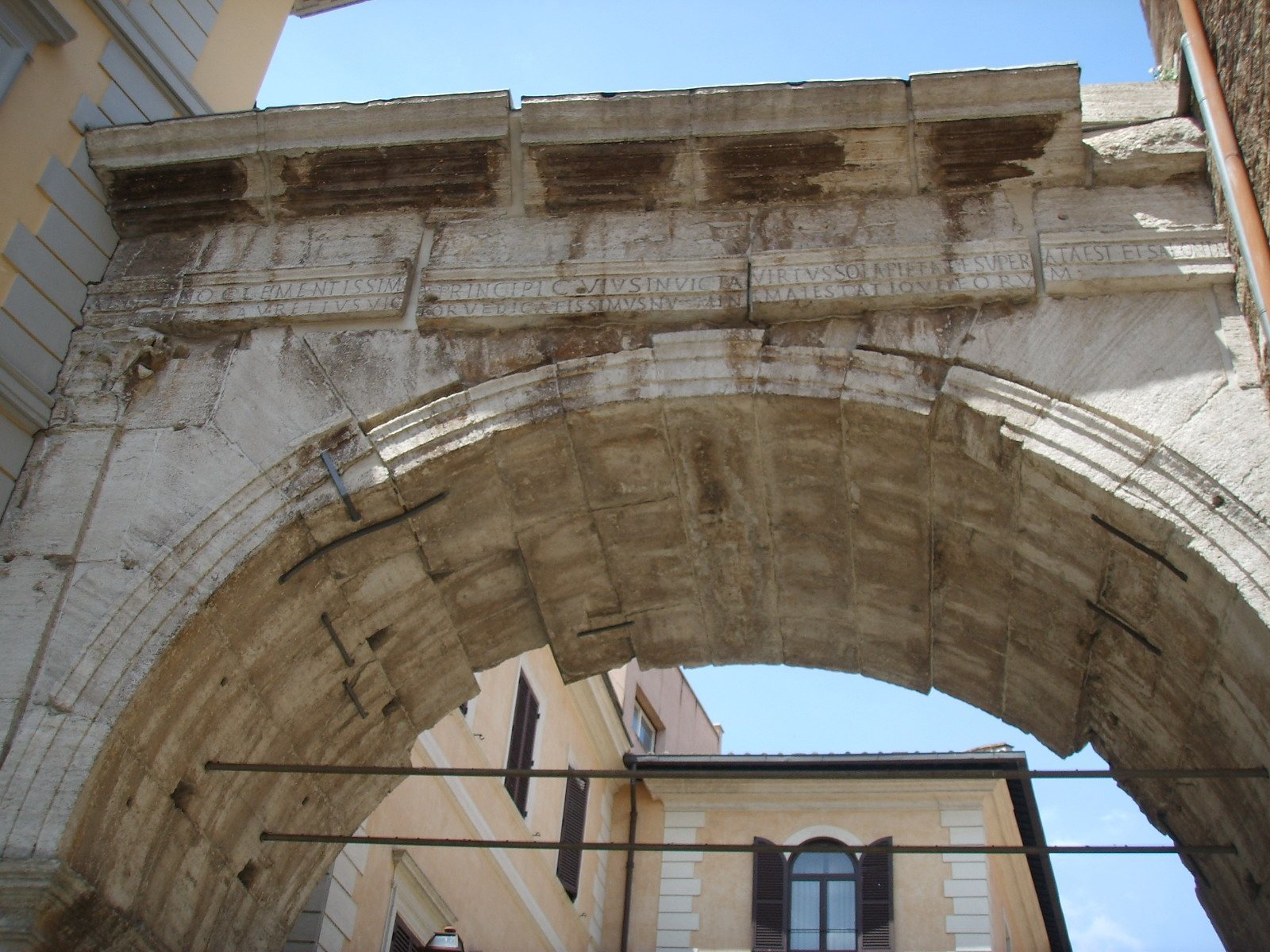
Augustus rebuilt the gate and gave it a monumental form. In 262, the prefect Marcus Aurelius Victor, an imperial official, restored and rededicated it to Emperor Gallienus and his wife, Cornelia Salonina. Thereafter it was known as the Arch of Gallienus. Gallienus passed through the gate on his way to the Horti Liciniani, his family’s estate, a possible reason for the dedication’s location and wording.
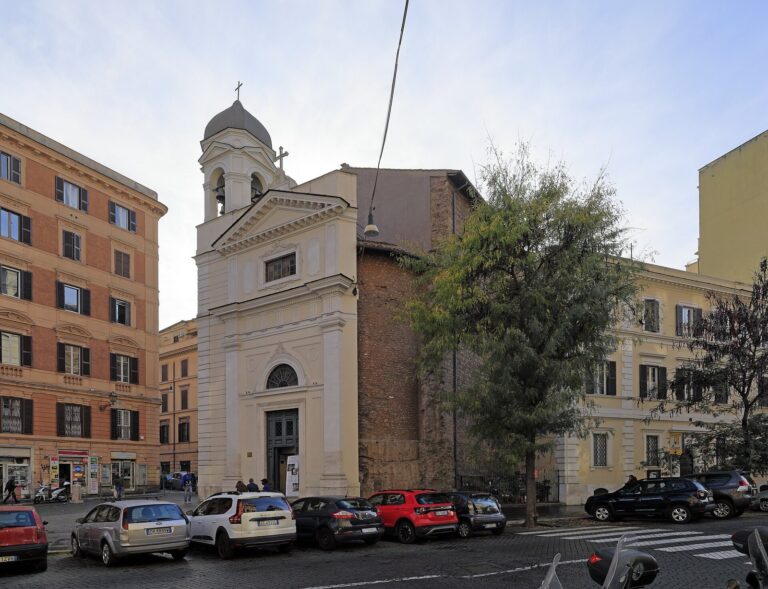
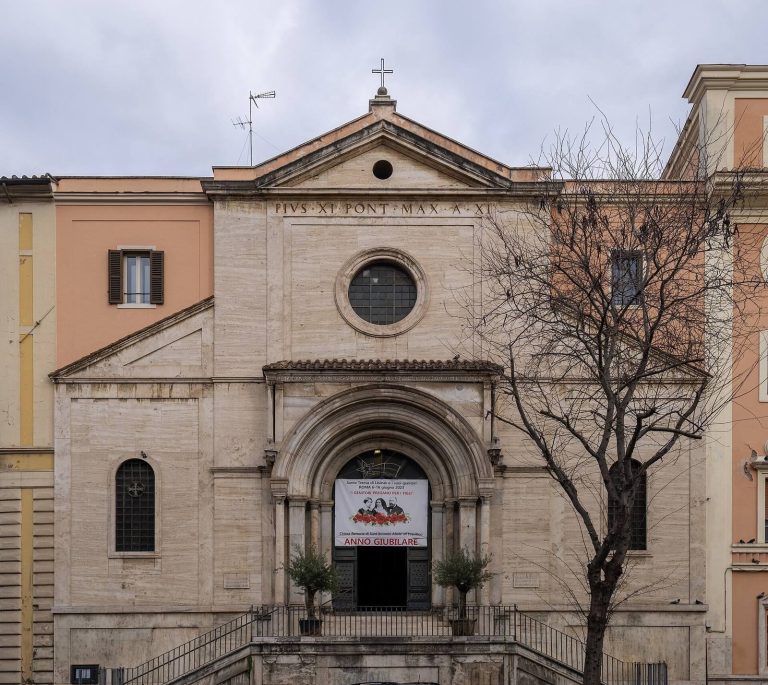
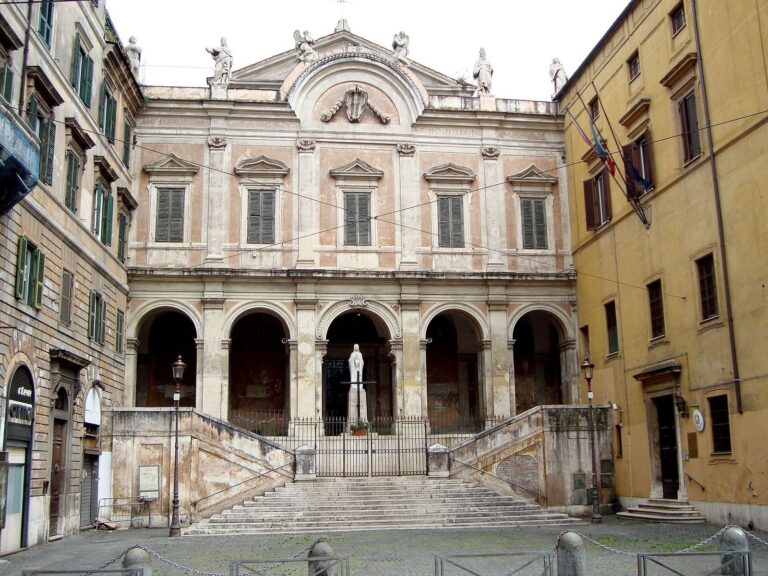
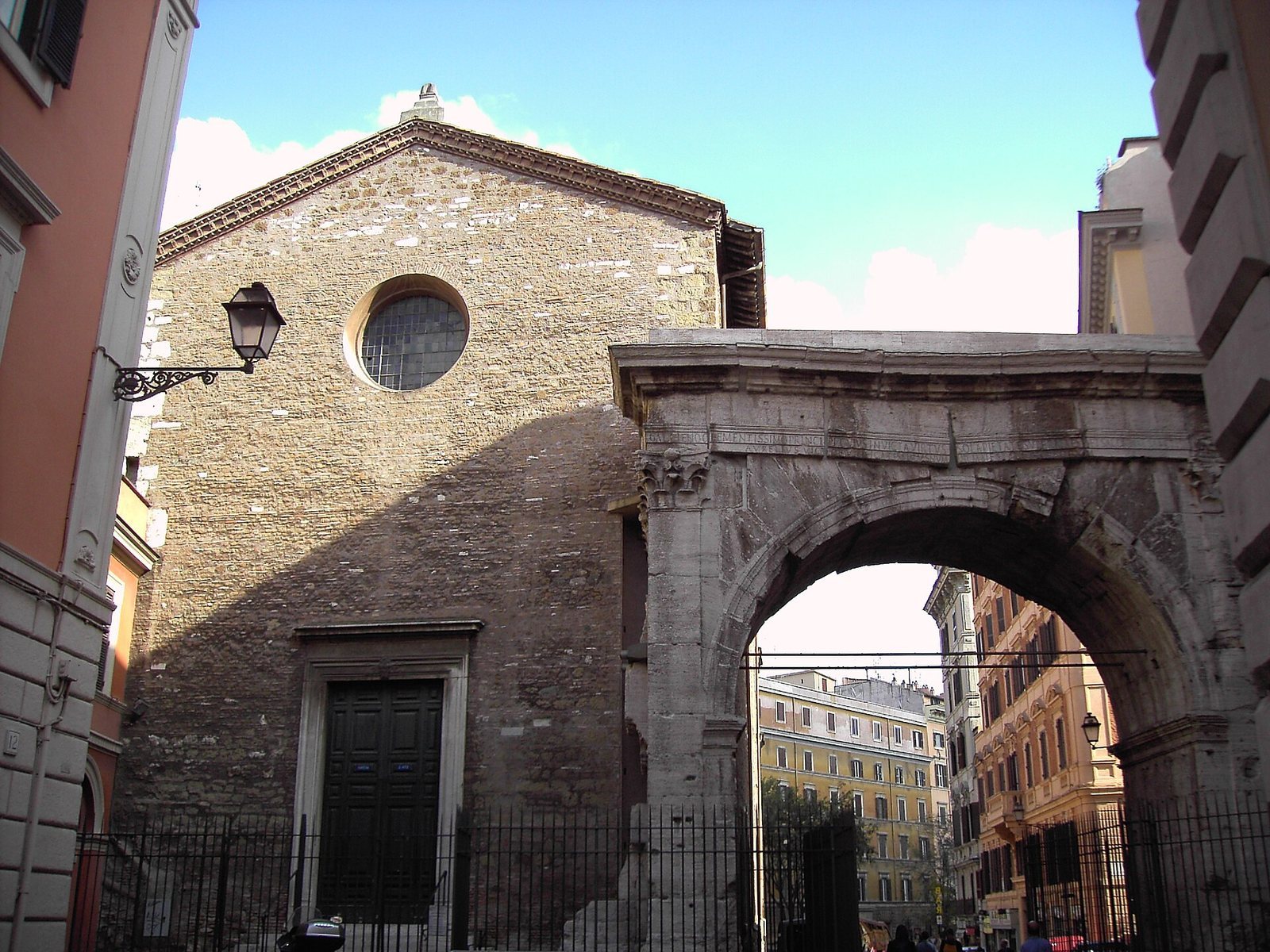
In 1447, the gate’s two side arches were demolished to make room for the church of Saints Vitus and Modestus. The central arch survived as the remaining part of the former three-opening gate.
Remains
The gate and its setting
Porta Esquilina stood in the Servian Wall, with a fortified earthwork rampart, or agger, extending northward from it. This roughly 1,300-metre stretch ran toward Porta Collina across Rome’s flat and especially exposed northern approach, where substantial fortification remains have been found. Maecenas’s large villa stood across the ancient rampart, and remains of it survive. The Golden House of Nero and the Baths of Titus and Trajan lay southwest of the gate.
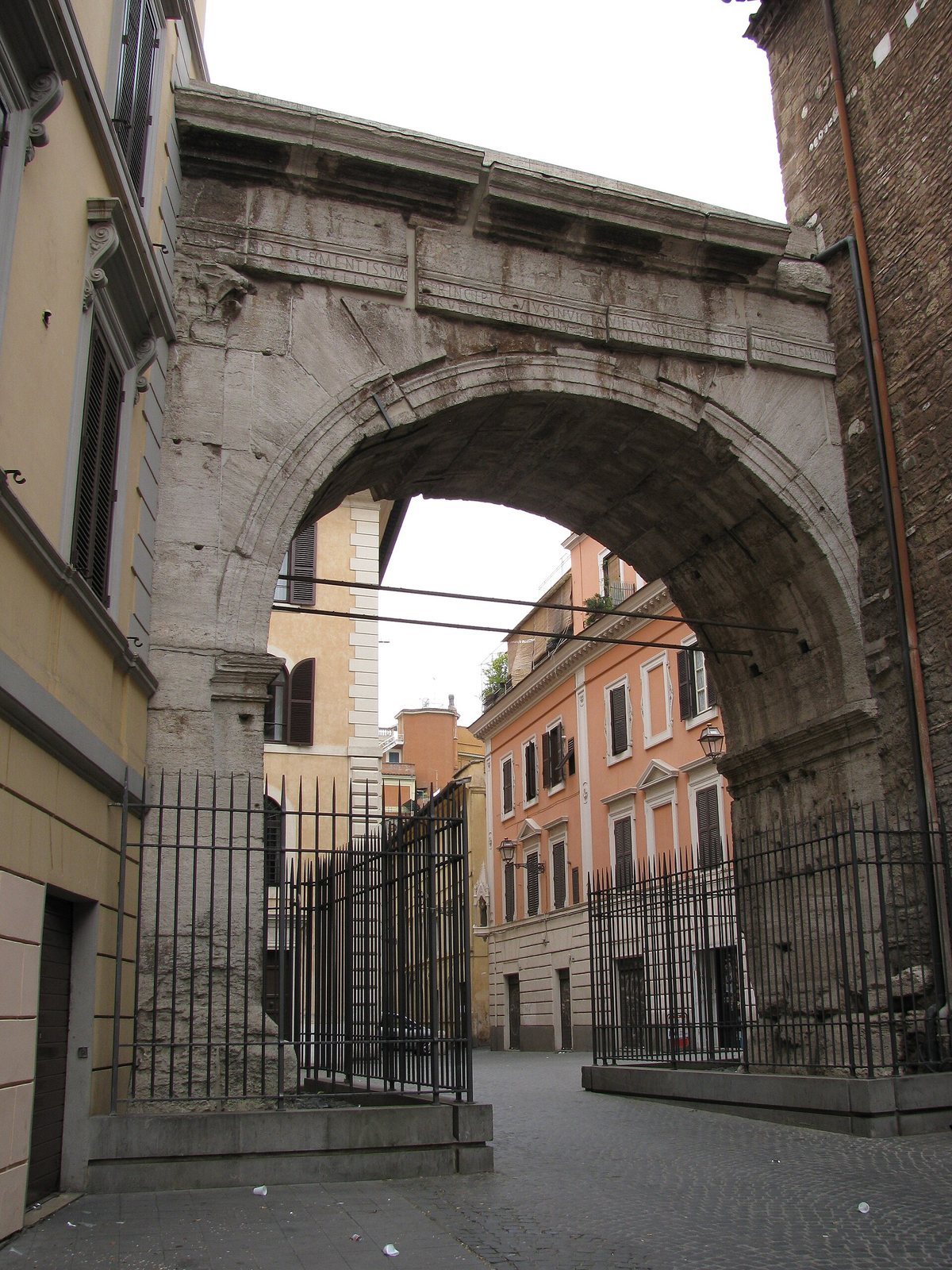
The gate had three arched openings, with a larger central opening between two smaller ones. Its Servian-period masonry was tufa; the Augustan rebuilding used travertine, a limestone building stone. The surviving central arch measures about 8.8 metres high, 7.3 metres wide, and 3.5 metres deep. Traces of foundations indicate that additional piers once stood there. The arch has a restrained, nearly square form, with cornices and Corinthian pilasters at its corners. These shallow wall supports have capitals decorated with acanthus leaves. On one side, the arch is attached to the church of Saints Vitus and Modestus.
An inscription from the Augustan rebuilding once occupied the attic, the upper section above the main structure, but it is now illegible and shows signs of erasure. A separate two-line dedication to Gallienus and Cornelia Salonina remains visible in the cornice below. Two keys from the Porta Salcicchia of Viterbo were hung on the gate from the thirteenth century until 1825. They had been given to Rome as a sign of submission.