Grove Place: An Elizabethan Mansion and Estate in the United Kingdom
Site at a Glance
- Popularity
- Medium
- Country
- United Kingdom
- Primary era
- Early Modern
- Eras represented
- Early Modern, Modern
- Civilizations
- British, English
- Site type
- Domestic
- Remains
- Elite Residence
On this page10 sections
History
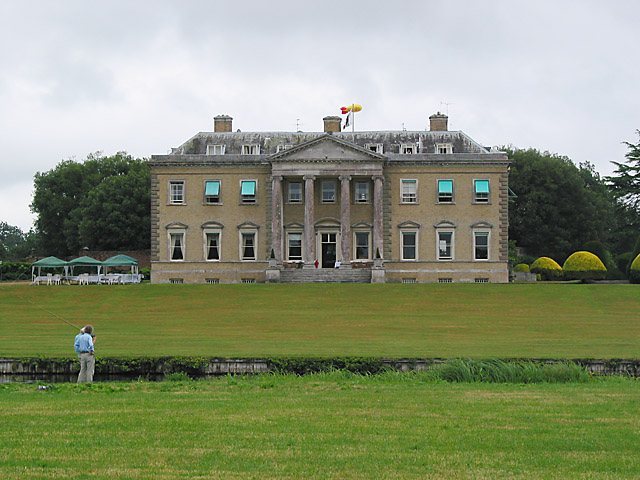
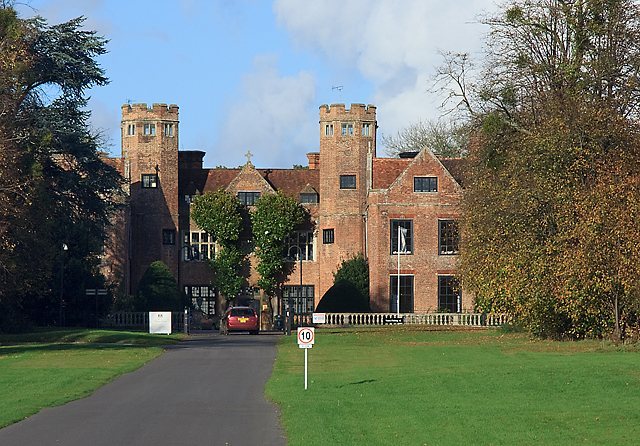
Grove Place is an Elizabethan mansion in the United Kingdom, built in the mid-to-late 16th century, probably between 1565 and 1576. Its architectural period takes its name from the reign of Queen Elizabeth I, from 1558 to 1603. The present house replaced a medieval one, which continued to be occupied into the following century.
Manor and construction
Grove Place formed part of the manor of Southwells, a landed estate associated with authority over its land and tenants. In the 15th century, Southwells came into the possession of the Dean and Canons, the clergy chapter responsible for St George’s Chapel at Windsor Castle. Southampton merchant John Mill acquired several estates in the area in the 1520s. His son Thomas leased the Grove Place house and six acres of garden from Romsey Abbey, a Benedictine abbey in Hampshire. When Thomas died in 1560, the property passed to his son Richard.
In 1561, James Paget, John Mill’s son-in-law, leased Southwells from the Dean and Canons for 81 years and commissioned a replacement for the medieval house. The new mansion was probably built between 1565 and 1576. In 1590, Paget’s son-in-law William Paulet transferred the remainder of the Southwells lease to Richard Mill.
Ownership from the seventeenth century
King Charles I bought the manor in 1630 and granted it to Henry Knollys. The Knollys family remained at Grove Place until Robert Knollys died without a male heir in 1751, when ownership reverted to the Mill family. The Mills retained most of the farmland but leased 88 acres, including the house.
The asylum years
Dr Edward Middleton bought the property in 1831 and converted it into a private asylum for people with mental illness. By 1844, his widow, Mrs Harriette Middleton, and her family owned and ran it. Nineteen private patients lived in the main house, while 53 resident paupers, people dependent on poor relief, were housed in outbuildings and divided into groups described as “clean” and “dirty.” After Harriette’s death, her son Henry declined the chance to buy the property. It was sold for £5,000 to Isaac Pothecary and William Symes of Bishop’s Waltham, with a mortgage from Harriette’s friends Thomas Burdon of London and Alexander Frederick Patterson of Southampton.
In 1852, two justices of the peace, local magistrates with judicial and administrative duties, selected 12 patients from Grove Place for Hampshire County Lunatic Asylum, an institution for people with mental illness. The first six were transferred on 13 December. The following year, visiting magistrates found evidence that a patient had been treated cruelly and severely, and recommended that Grove Place’s licence be discontinued. The property was sold to Dr James Baillie in 1854. The Lunacy Commissioners feared he might reduce accommodation standards further to recover his purchase costs, and the licence was not renewed. The house stood empty from 1855 until 1861, when Viscount Palmerston, the title of statesman Henry John Temple, later prime minister, bought it and leased it as a farmhouse.
Later owners and institutional use
Grove Place and the nearby New Forest provided the setting for Hide and Seek, E. E. Cowper’s debut novel, published in 1881 under the name “Mrs Frank Cooper.” The story takes place in 1647 during the English Civil War, the 1642–1651 conflict between supporters of Parliament and Royalists who supported the monarchy.
Colonel de Sales la Terriere bought the estate in 1895 and sold it in 1906. Clarence Wilson owned it by 1908. After a later auction, it passed to Lord Henry Grosvenor, who died in 1914. Major Oswald Magniac subsequently bought the estate and lived there until his death in 1939; his widow Florence continued to live at Grove Place with their daughter Joan.
The estate was divided into lots and sold in 1949. Grove Place House received Grade I listed status on 29 May 1957, England’s highest category of listed-building protection, reserved for buildings of exceptional interest. Northcliffe School bought the house and gardens in 1961. Atherley School took over Northcliffe in 1995 and closed in 2006. LifeCare Residences Ltd later redeveloped the property for retirement living.
Remains
House and historic layout
The estate’s historic layout includes the present Elizabethan mansion and the earlier medieval house, which stood about 100 metres to its southwest. The main house is the surviving mansion built in the mid-to-late 16th century. Its interior was restored in 1895.
Gardens and later buildings
Gardens
The gardens were extended in 1895. During Northcliffe School’s tenure, parts of the gardens were removed for new buildings, and the remaining grounds were poorly maintained. Atherley School later added further buildings on garden land.
Buildings in the grounds
Later redevelopment adapted the house into retirement flats and added several buildings and facilities in the grounds. These include a two-storey care home with 54 bedrooms and an associated car park, a workshop complex with a garage, mess and mobile-home park, an extension to the school building, several bungalows, and a gymnasium and swimming-pool complex.