Agnietenkapel: A Gothic Chapel and Early University Hall in Amsterdam
Site at a Glance
- Rating
- 4.5
- Popularity
- Medium
- Country
- Netherlands
- Primary era
- Medieval
- Eras represented
- Medieval, Modern
- Civilizations
- Duchy of Burgundy, Dutch
- Site type
- Religious
- Remains
- Chapel
On this page7 sections
History
Convent chapel and the Alteration
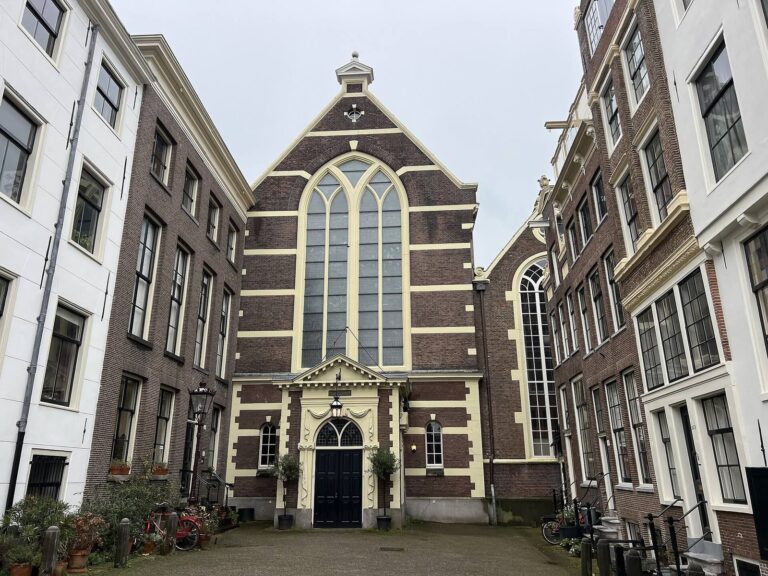
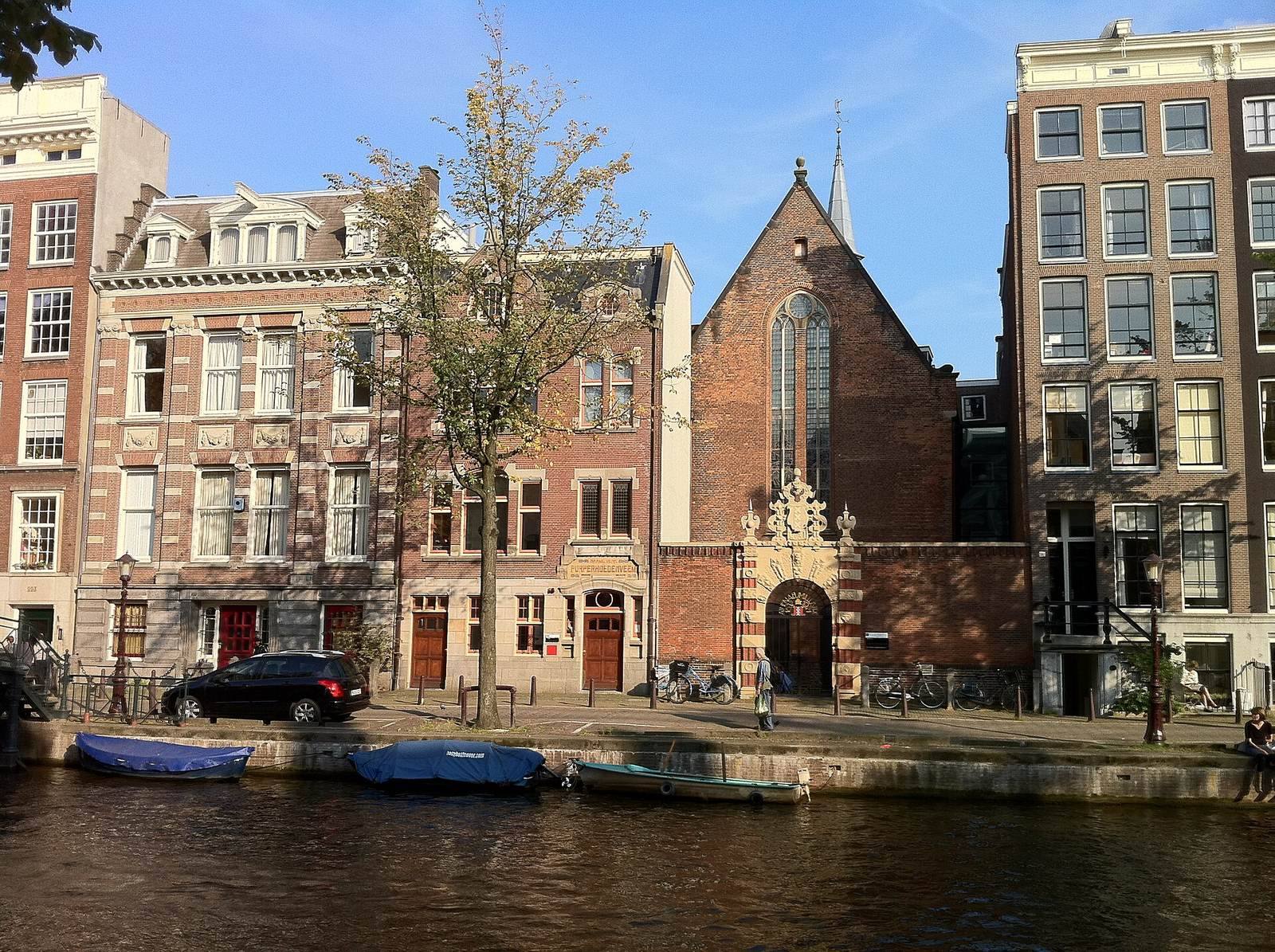
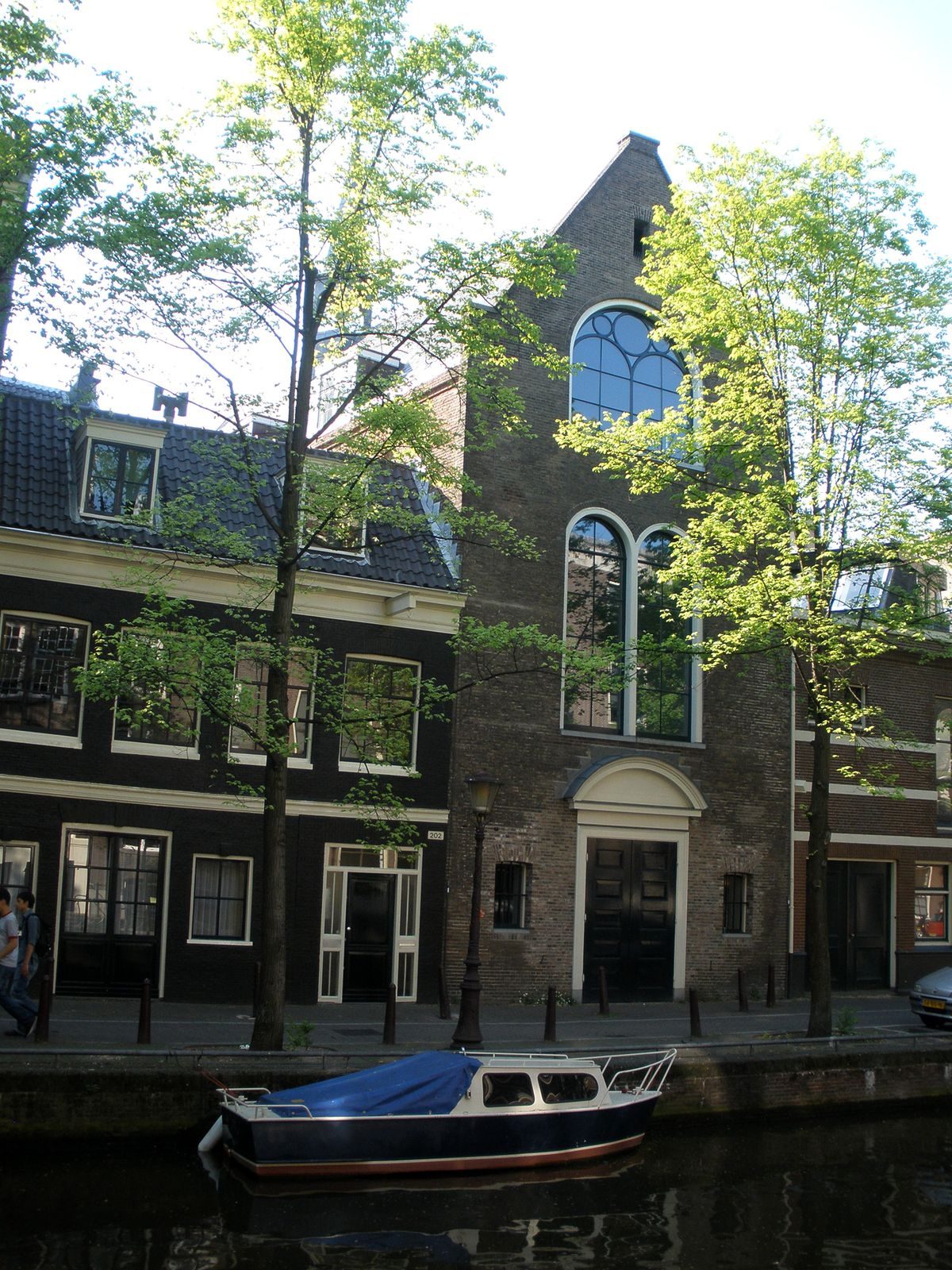
The Agnietenkapel is a Gothic chapel in Amsterdam, the Netherlands, built in 1470 for a convent of Franciscan nuns devoted to Saint Agnes, an early Christian martyr venerated as a saint. It replaced an earlier chapel destroyed in the great fire of 1452. The convent belonged to a district that contained about 20 Roman Catholic monasteries and convents.
In 1578, the Alteration changed Amsterdam from Catholic to Protestant rule, and monasteries were closed or demolished. The chapel was among the few Catholic buildings spared. Its ground floor served as an arsenal for the Admiralty of Amsterdam until a new naval storehouse, ’s Lands Zeemagazijn, was built in 1656. The chapel itself was deconsecrated.
The Athenaeum Illustre
From 1631, the chapel housed the Athenaeum Illustre, an institution of higher education that preceded the University of Amsterdam. It offered a step between Latin school and university study but could not award degrees. Leiden already had a university, and each province was allowed only one. Professors Gerardus Vossius and Caspar Barlaeus gave their inaugural lectures in the chapel on 8 and 9 January 1632. Public lectures in Latin followed there each morning, from 9 to 11.
A city library, the forerunner of the present Amsterdam University Library, opened in the chapel’s attic in 1632. As the Athenaeum Illustre expanded, it moved in 1864 to the Handboogdoelen on the Singel, a former civic-guard shooting range. The library’s growing collection was later transferred elsewhere as the chapel fell into disrepair.
School, museum, and university use
A primary school occupied the chapel until 1919. Renovation in 1921 prepared it for use as a university museum. The museum closed after restoration and renovation between 2004 and 2007, and its collection became part of the Amsterdam University Library’s Special Collections on the Oude Turfmarkt. The chapel has been a Dutch national monument since 1970. The University of Amsterdam continues to use it for academic ceremonies, lectures, conferences, and symposia.
Remains
Chapel and lecture hall
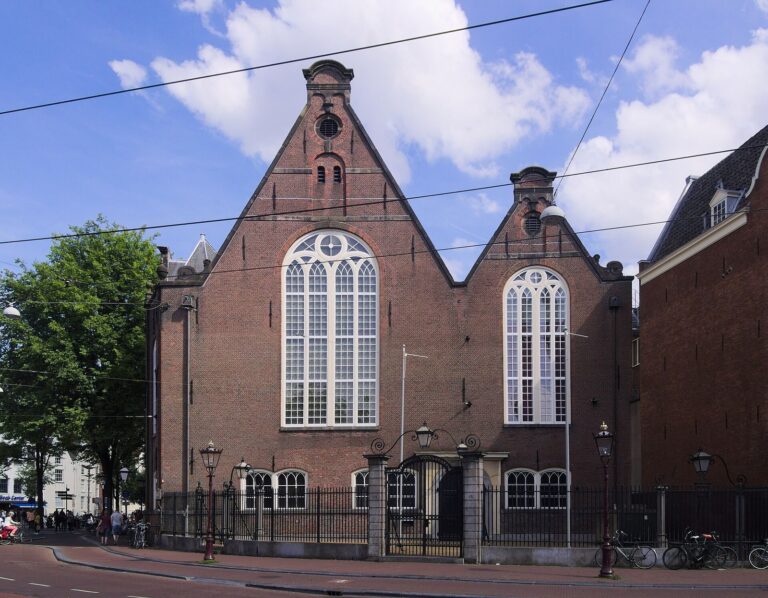
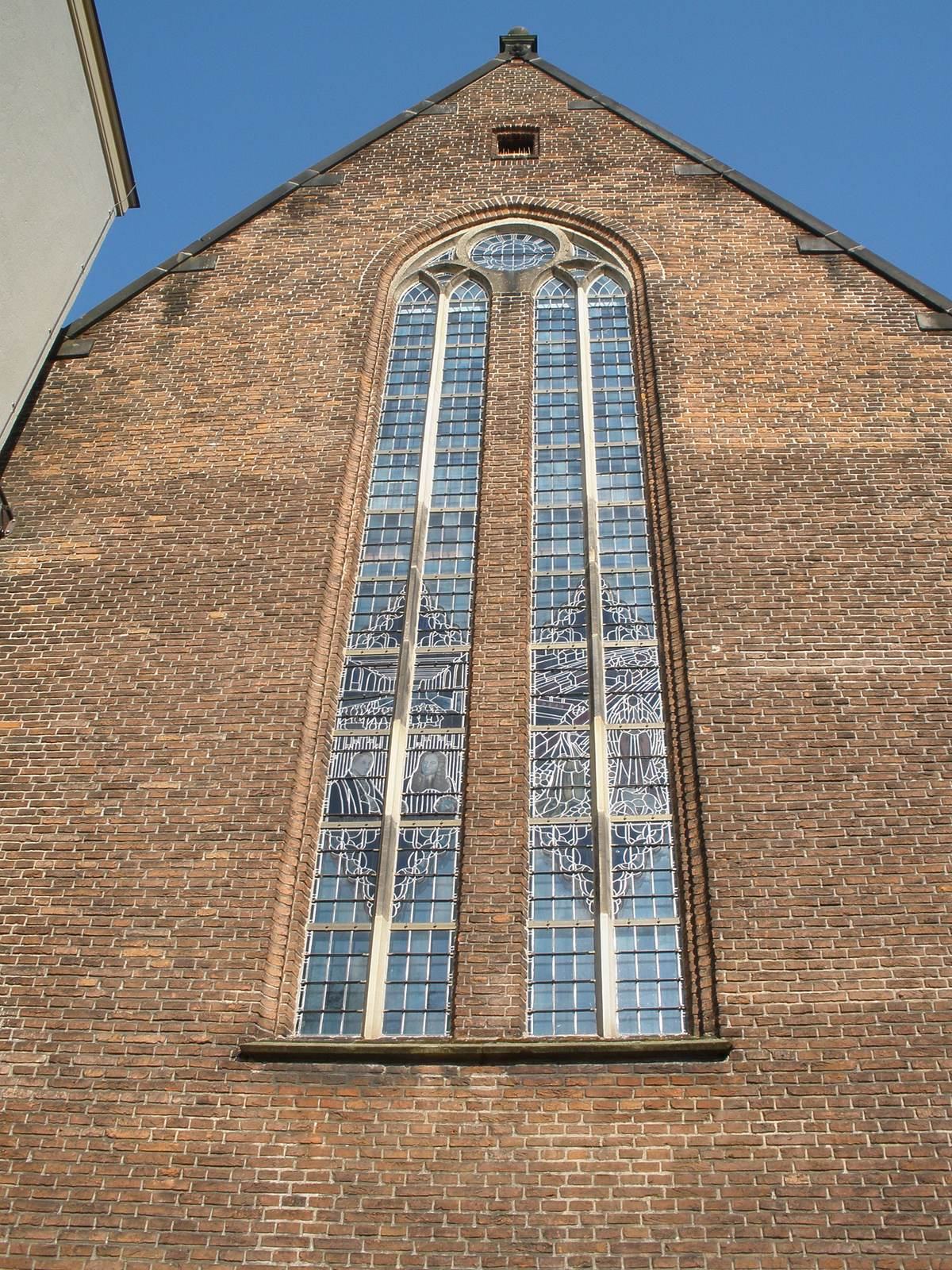
The fifteenth-century building is a double chapel in Gothic style, with its front at Oudezijds Voorburgwal 231 and its rear facing Oudezijds Achterburgwal. The large lecture hall occupies the first floor and is described as Amsterdam’s oldest lecture hall. Its painted ceiling and stained-glass windows, designed by Willem Bogtman, were restored during the 2004–2007 renovation.
Alterations and adjoining spaces
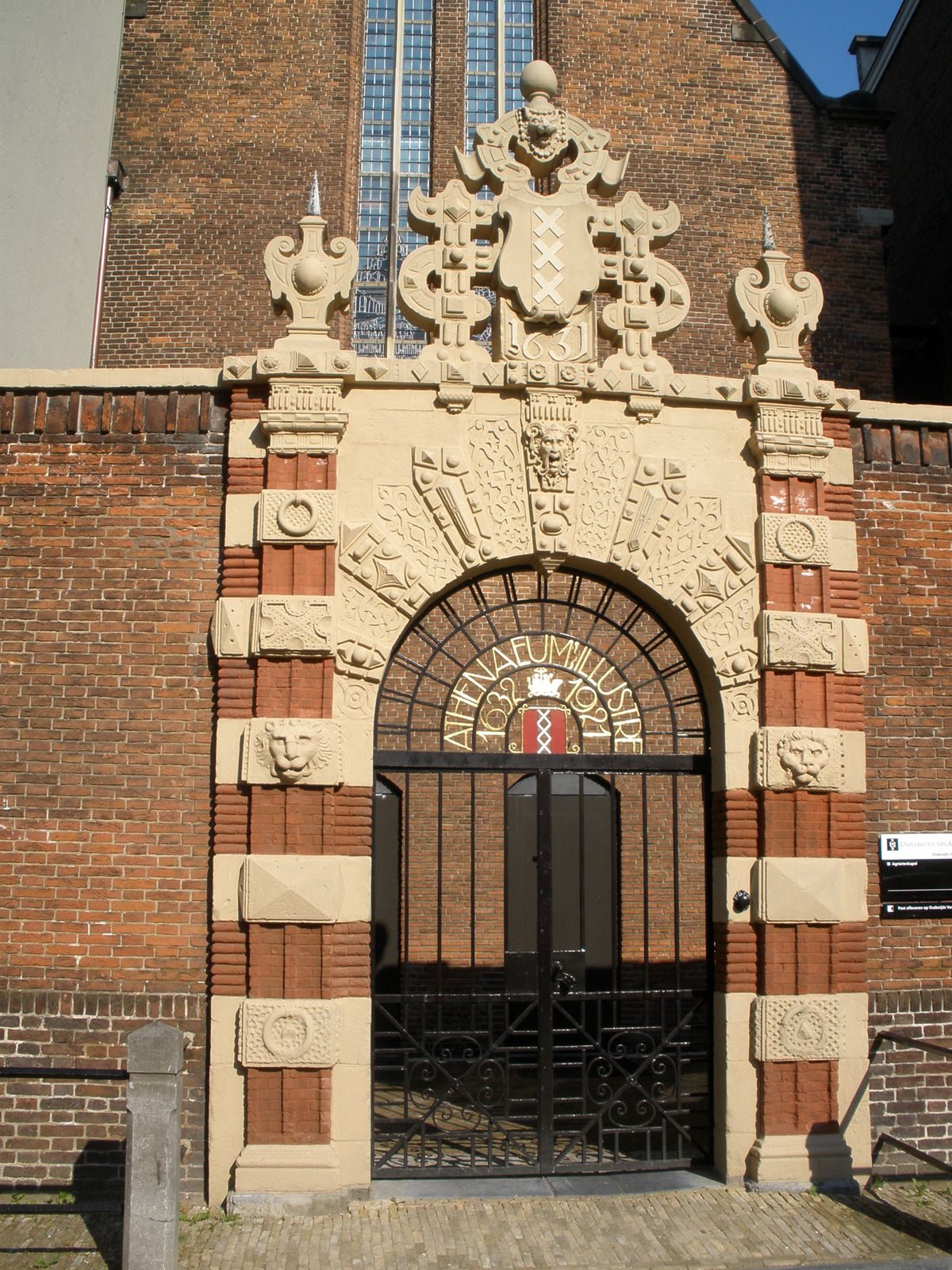
An entrance gate from the former City Carpenters’ Yard on Nieuwe Doelenstraat was installed at the chapel in 1921. Former alleys running along both sides were converted into glass-roofed outdoor spaces and incorporated into the building. An elevator and other facilities were added in the adjacent Purperhoedenveem building.