Montbarbat: An Iberian Settlement in Spain
Site at a Glance
- Rating
- 4.1
- Popularity
- Medium
- Country
- Spain
- Primary era
- Classical
- Eras represented
- Classical
- Civilizations
- Iberian
- Site type
- Settlement
- Remains
- Town
On this page12 sections
History
Montbarbat is an Iberian settlement in Spain, occupied from the fourth century BC to the beginning of the third century BC. The Iberians were ancient peoples of the peninsula, particularly its eastern and southern regions. Montbarbat was one of the area’s large Iberian settlements. An earlier phase of occupation, possibly between the seventh and fifth centuries BC, remains possible.
The settlement’s position gave it a strategic outlook over two communication routes. The Via Heraclea, later succeeded by the Roman Via Augusta, connected the Iberian Peninsula with the rest of Europe. A maritime and river route linked the coast and interior along the Tordera-Arbúcies watercourse corridor.
A University of Barcelona team led by archaeologist Maria del Vilar Vilà has excavated the site almost continuously since 1978.
Remains
Setting and enclosure
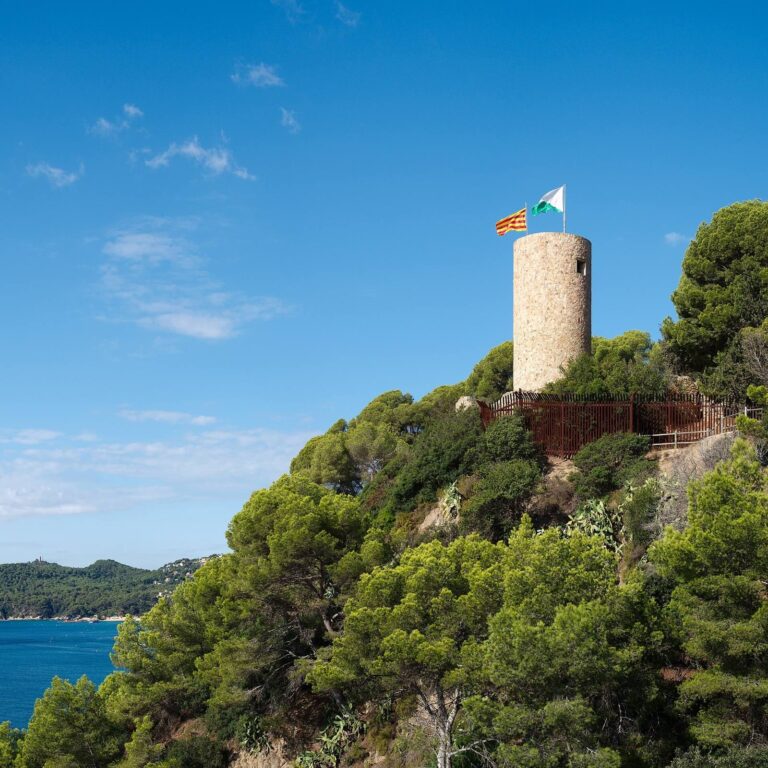
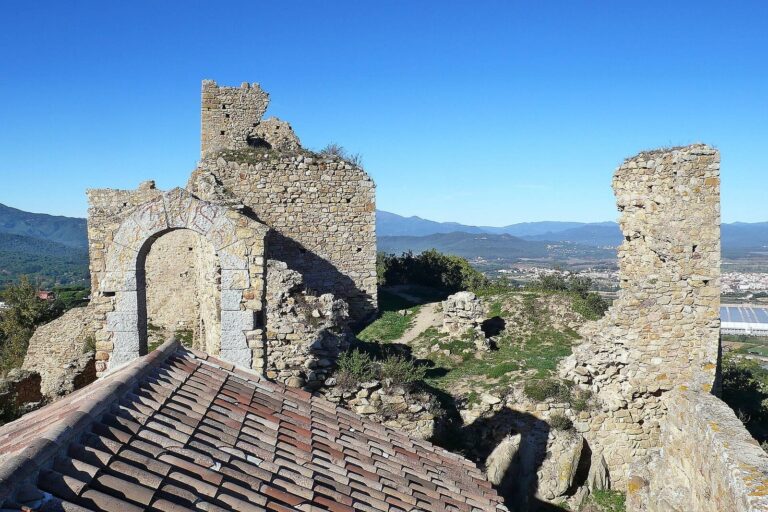
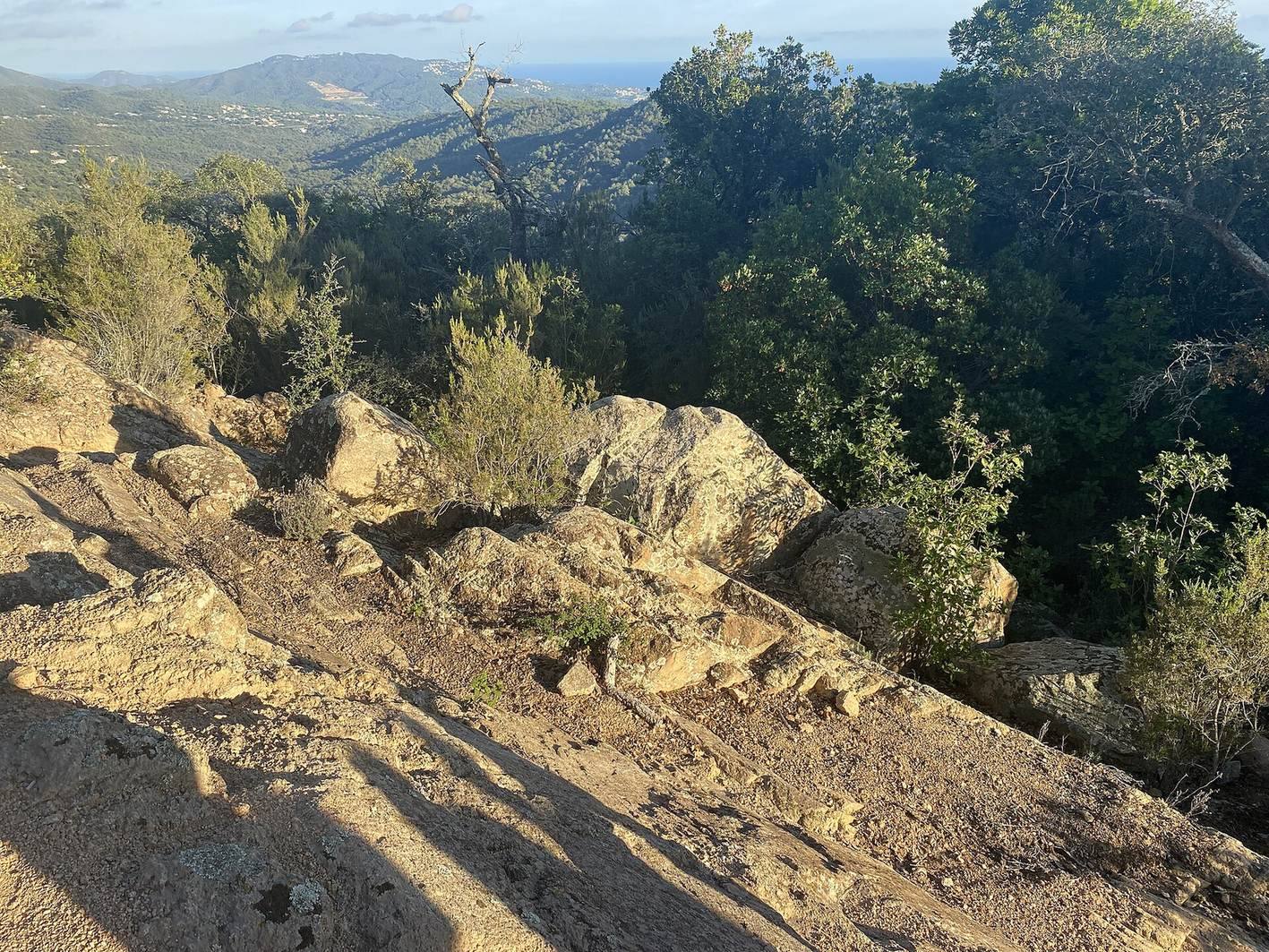
The settlement occupies the 331-metre summit of Montbarbat in the Coastal Range, at the northwestern edge of Lloret de Mar near the boundary with Maçanet de la Selva. It covers more than 5,500 square metres and partly follows the hill’s contours. The surrounding landscape encompasses the Selva depression, slopes of the Montseny, Guilleries and Cabrerès mountains, the western Gavarres, and the lower Tordera.
Enclosing wall
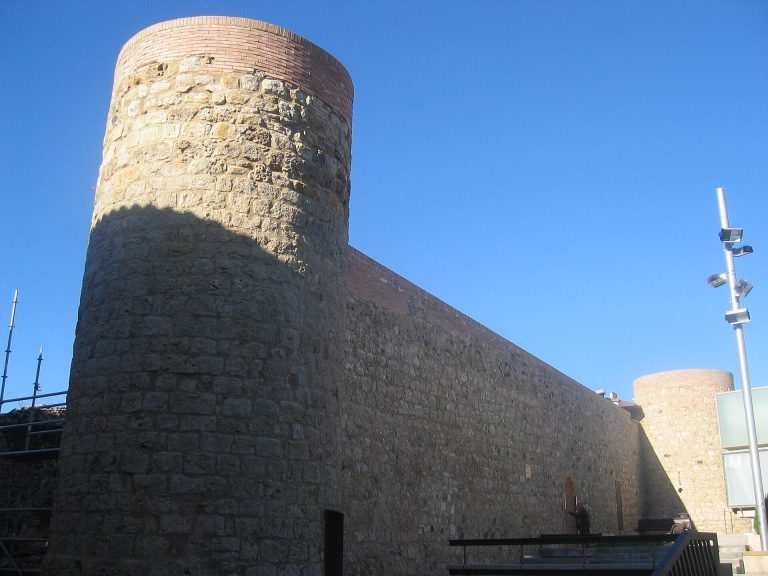
A wall with a perimeter of 370 metres enclosed the settlement. It is 1.20 to 1.50 metres thick, and about 90 metres are clearly visible today. Two carefully arranged outer faces of worked stone surround a core of smaller stones. The wall’s construction was partly independent of the terrain and dates from the fourth century BC onward. At least two towers strengthened the enclosure.
Western tower
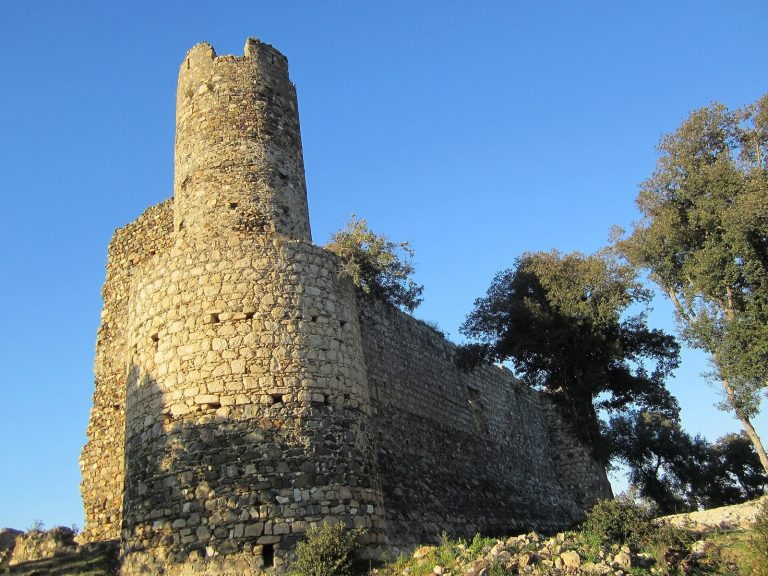
A rectangular tower on the settlement’s western side measures 2.70 by 5.50 metres. Its entrance, 1.10 metres wide, was inside a room adjoining the wall.
Settlement plan and buildings
Streets and shared spaces
In the southwest, buildings set against the wall opened onto two irregular streets with compacted-earth surfaces, laid perpendicular to one another. Houses in the central area followed a different arrangement. An open space there was probably used for communal activities. The settlement also had a storage area and a water cistern.
Houses
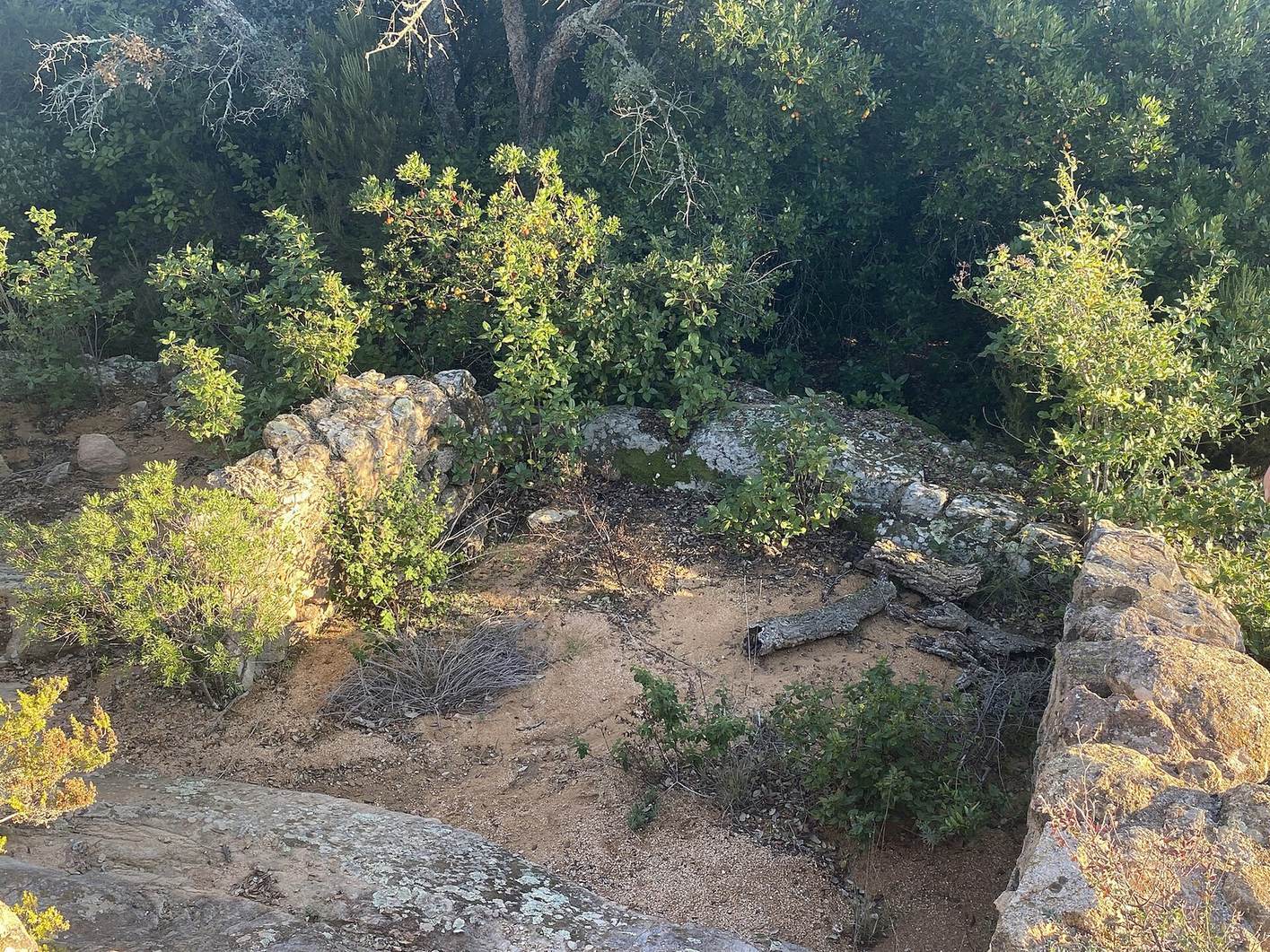
Houses were rectangular or trapezoidal and generally measured about 30 square metres. Stone footings survive, while the buildings’ upper portions were made of mud and their roofs of plant materials. Some houses had a single room; others had an entry room and a main room. Floors were compacted earth, and most rooms had a baked-clay hearth with insulating ceramic layers. One house contained a small domestic oven, while other houses had food-storage silos. Postholes in nearly every house point to the use of wooden structures.
Objects, materials, and subsistence
Pottery and trade
Pottery includes handmade cooking and storage vessels, as well as wheel-made Iberian tableware and storage vessels produced in regional workshops. Some wheel-made pieces have white or red painted decoration. Imported pottery includes luxury Greek tableware, especially from Attica, the region around Athens. Other wares came from workshops in Italy or the western Greek world, including southern Gaul and the Empordà region of northeastern Catalonia. These imports indicate trading connections. Amphorae, large vessels used for storage and transport, were Iberian, Punic, a culture associated with Carthage, or Massaliote, associated with the Greek city of Massalia, now Marseille.
Metalwork and other objects
Small bronze objects include earrings and brooches, while fragments of iron knives and nails also survive. Abundant iron slag indicates that inhabitants repaired tools and made simple implements. A firedog, a support used at a hearth, was shaped like a lamb’s head. Two figurines depict a human head and a lamb’s head. Other finds include necklace beads made of glass paste and stone mills used to grind grain and other seeds.
Building materials and food remains
Construction materials include tiles, fragments of packed earth, stucco, and adobe bricks. Plant remains include barley, wheat, and grapevine. Recovered animal bones come from sheep, goats, oxen, horses, and pigs.