Addington Palace: An Eighteenth-Century Mansion in Croydon
Site at a Glance
- Rating
- 4.3
- Popularity
- High
- Country
- United Kingdom
- Primary era
- Early Modern
- Eras represented
- Early Modern, Modern
- Civilizations
- British
- Site type
- Domestic
- Remains
- Elite Residence
On this page9 sections
History
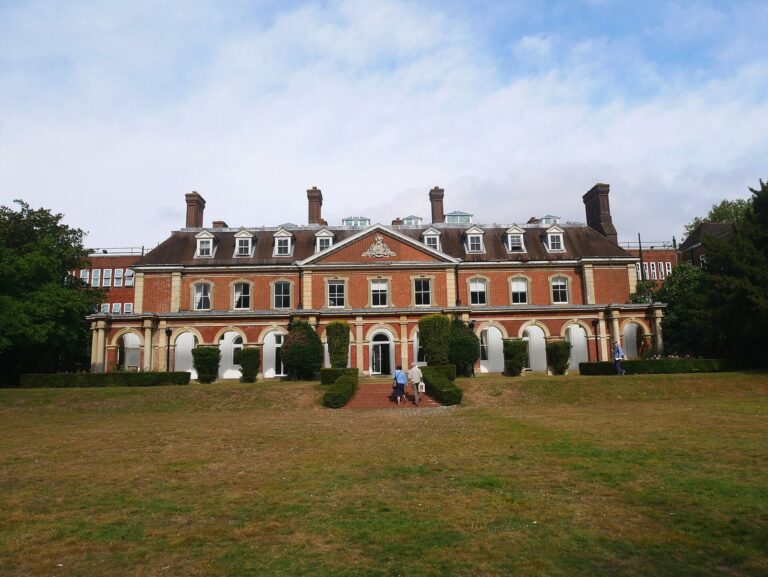
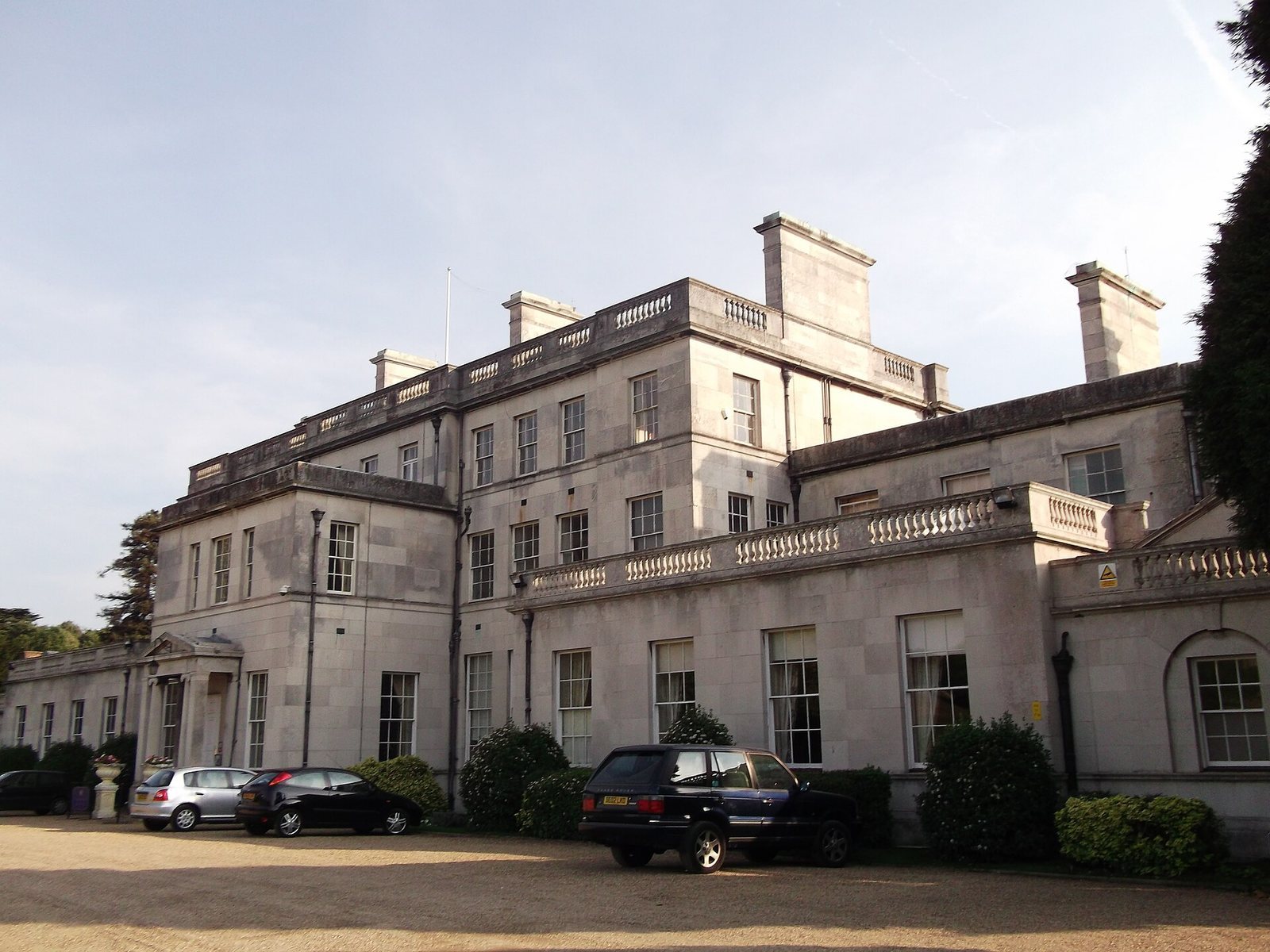
Addington Palace is an eighteenth-century mansion in Addington, within the London Borough of Croydon, United Kingdom. It was commissioned by Barlow Trecothick near the site of an earlier manor and designed in the Palladian style, a classical style based on the principles of Renaissance architect Andrea Palladio. From 1807 to 1897, it served as the Archbishops of Canterbury’s official summer residence.
The earlier manor and the Leigh family
Addington Place, the earlier manor associated with the estate, was built around the sixteenth century. The Leigh family held the estate, and after becoming lords of the manor acquired a kitchen serjeanty, a service in the royal household, sometime before 1504. The manor’s lord was traditionally responsible for preparing a spiced chicken porridge called Malepigernout, also known as dillegrout, for the English monarch’s coronation.
Building the mansion
Sir John Leigh, the last Leigh owner, died without heirs in 1737. The estate passed to distant relatives, who later sold it to Barlow Trecothick for £38,500. A merchant who had lived and traded in Boston before moving to London, Trecothick represented the City of London in Parliament from 1768 to 1774 and served as Lord Mayor in 1770. He commissioned the new mansion but died in 1774 before it was finished. His heir, James Ivers of Boston, adopted the Trecothick surname to inherit the estate and continued the work. Financial difficulties led him to sell it in 1802.
The estate was divided into lots for sale in 1803. Its next owners, William Coles and Westgarth Snaith, also encountered financial problems and sold it under an Act of Parliament in 1807. The mansion was acquired for the Archbishops of Canterbury because nearby Croydon Palace had become dilapidated and inconvenient.
The archbishops’ residence
During the archbishops’ ownership, the property was called Addington Farm; the name Addington Palace came into use later. It was the official summer home of six archbishops: Charles Manners-Sutton (1805–1828), William Howley (1828–1848), John Bird Sumner (1848–1862), Charles Thomas Longley (1862–1868), Archibald Campbell Tait (1868–1882), and Edward White Benson (1883–1896). The building was enlarged and altered during this period. All except Benson were buried at St Mary’s Church or in its churchyard at Addington; Benson was buried at Canterbury Cathedral.
Later ownership and uses
The mansion was sold in 1897 to Frederick Alexander English, a diamond merchant from South Africa. After English’s death, the Red Cross used it as a fever hospital during the First World War. It passed to the County Borough of Croydon in 1930 and received Grade II* listing in 1951, a category for particularly important buildings of more than special interest.
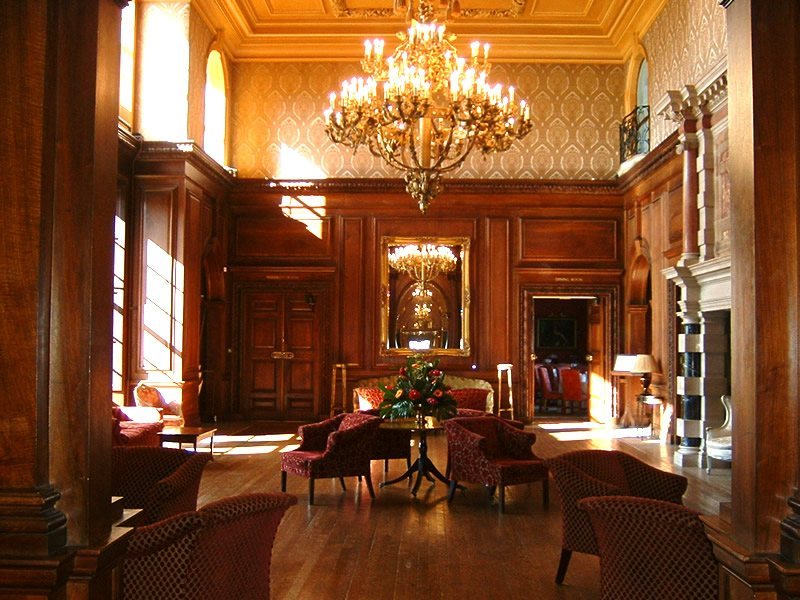
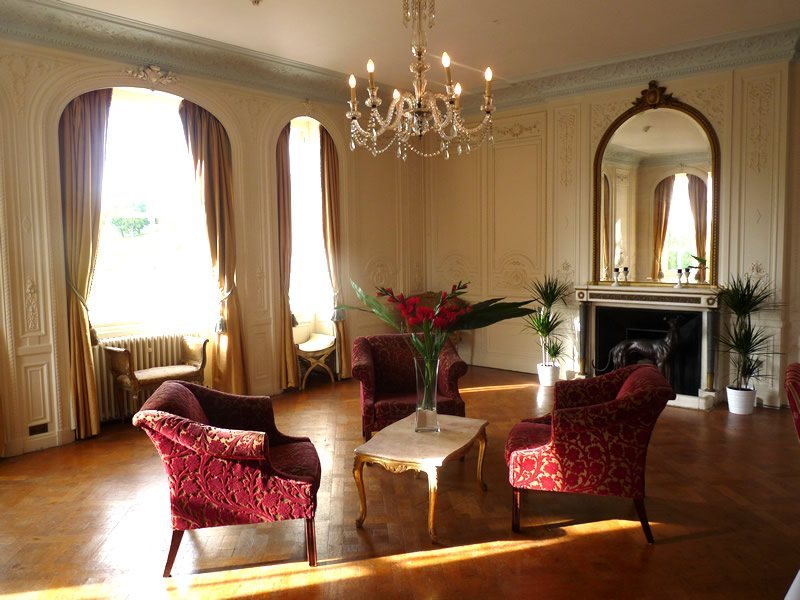
In 1953, the Royal School of Church Music leased the property, initially to house choirboys gathered from across Britain to sing at Queen Elizabeth II’s coronation. The school’s music publishing operation, residential college, and choir school remained there until 1996, when it moved to Salisbury. From that year, a private company operated the mansion as a conference and banqueting venue, health farm, and country club; it also hosted weddings. The operating company went into liquidation in 2021.
Remains
The mansion and its grounds
The mansion
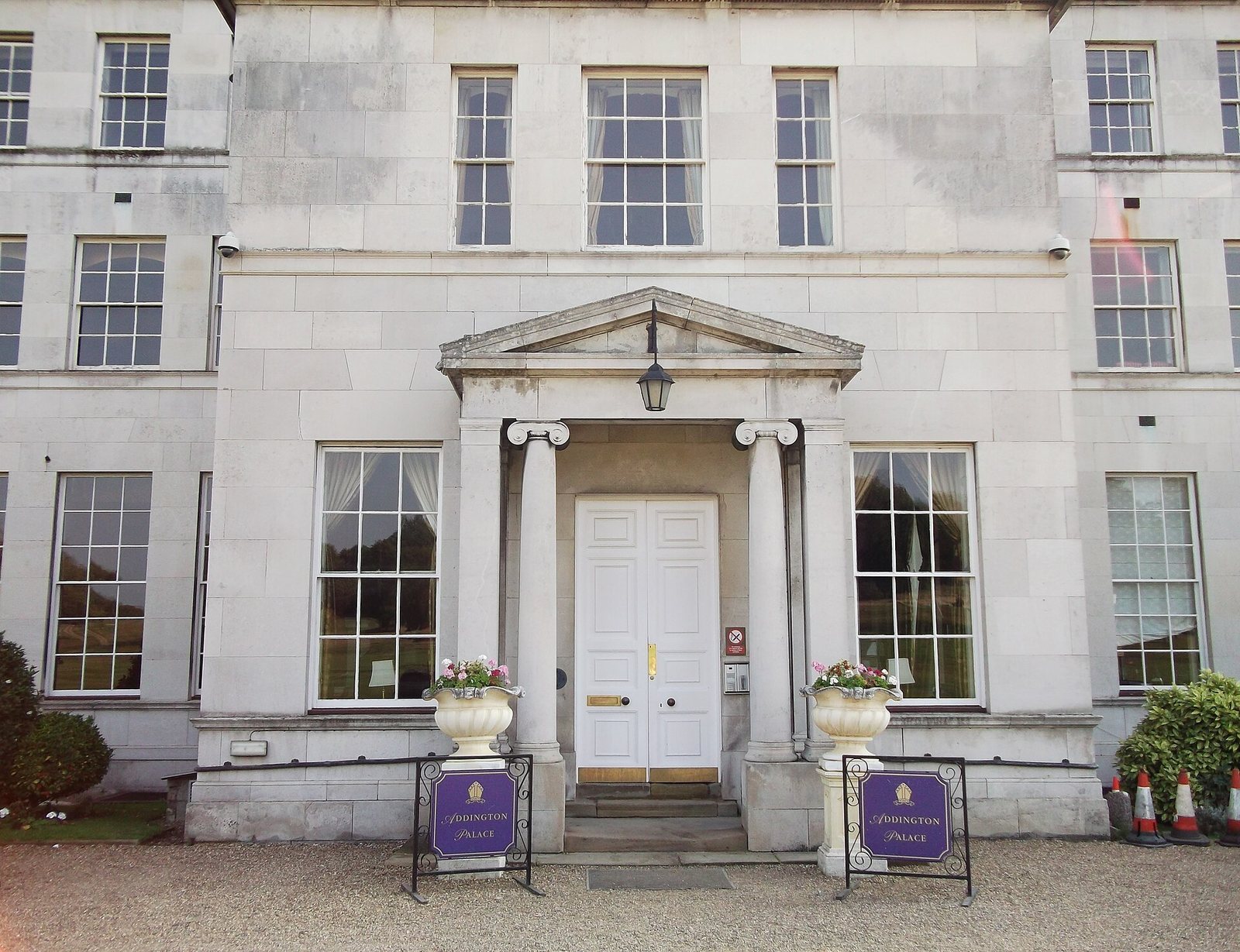
The mansion stands close to the site of the earlier manor house. Its Palladian design includes single-storey wings, giving the country house a low, extended form.
The landscaped grounds
James Trecothick had the estate’s extensive grounds and gardens landscaped by Lancelot “Capability” Brown, and the gardens largely retain their original design. The mansion is set within a park and golf courses. A large cedar of Lebanon stands beside the building and is counted among the Great Trees of London. Since the 1930s, golf clubs have occupied much of the grounds under leases.