Abbaye du Gard: A Cistercian Abbey in Crouy-Saint-Pierre, France
Site at a Glance
- Rating
- 4.3
- Popularity
- Very Low
- Country
- France
- Primary era
- Early Modern
- Eras represented
- Medieval, Early Modern
- Civilizations
- French
- Site type
- Religious
- Remains
- Monastery
On this page9 sections
History
Foundation and medieval abbey
Abbaye du Gard, officially Abbaye Notre-Dame du Gard, is a former Cistercian abbey at Crouy-Saint-Pierre, France. Meynard and twelve monks from Cherlieu founded it in 1137 on land belonging to Gérard de Picquigny, a vidame, or lay official involved in the defense and administration of a bishop’s interests. The Cistercians, a monastic order developed within the Benedictine tradition, established the abbey as a daughter house of Cherlieu in the Clairvaux lineage. Construction was completed in 1139. Bernard of Clairvaux is thought to have visited that year while travelling toward Flanders. The name Gard may come from the Picard word warder, meaning “to guard,” and refer to a guarded crossing of the Somme.
In 1191, King Philip Augustus placed the abbey under royal protection and entrusted it to the bailiff of Amiens. During the thirteenth century, the abbots maintained townhouses in Abbeville and later Amiens as places of refuge during unrest. The Abbeville house, Le Petit Gard, dates to 1250 and housed Picardy’s first printing press. On 17 September 1358, the abbot was accused of helping supporters of Charles the Bad, king of Navarre, enter Amiens. He was arrested, tried and beheaded in the city alongside sixteen notables. The abbey was later devastated during the Hundred Years’ War, a prolonged series of conflicts between the English and French crowns conventionally dated from 1337 to 1453.
Commendatory abbots and rebuilding
Twenty-nine regular abbots led the community before the abbey entered the commendatory system in 1518, following the 1516 Concordat of Bologna, an agreement between the French crown and the papacy over church appointments. A commendatory abbot held an abbey’s title and revenues, while daily monastic life could be managed by another person. Cardinal Jules Mazarin became commendatory abbot in 1657 and commissioned rebuilding of part of the abbey. He held the position until his death in 1661.
By the mid-eighteenth century, the cloister and dormitory had deteriorated and were demolished. With the approval of commendatory abbot Armand Jules de Rohan-Guéméné and the consent of Clairvaux, the prior organized rebuilding. The Bishop of Amiens, d’Orléans de La Motte, laid the first stone on 1 April 1752. A major timber harvest financed the work.
Revolution and changing communities
The abbey became national property in 1790 and was sold in 1793. Ten monks lived there at the time of the Revolution. The purchasers removed some buildings and cultivated the land; the church fell into ruin. Trappist monks, who followed a stricter observance within the Cistercian tradition, settled at the abbey in 1815 and left for Sept-Fons in 1845. Some founded Mont des Cats in 1826, followed by the daughter houses of Bellevaux and Saint-Sixte in 1828. In the mid-1840s, the Longueau–Boulogne railway was laid immediately beside the abbey buildings.
The Spiritans, members of the Congregation of the Holy Spirit, acquired the abbey in 1848 to house novices. From 1856 to 1860 it served as an orphanage founded by Father Bosquillon de Jenlis. Carthusian nuns from Sainte-Croix de Beauregard and Labastide-Saint-Pierre lived there from 1869 to 1906 and carried out substantial repairs in 1870–71. Laws restricting religious congregations forced them to leave; they took refuge in Belgium and later returned to France. After the abbey passed to private owners, building materials were removed and the remaining structures deteriorated, losing their roofs.
Restoration and later use
In 1967, Father Paul Dentin, founder of the Auxiliary Brothers of the Clergy, began restoring the abbey as his congregation’s mother house. With advice from Amiens architect François Vasselle, he adapted the building as a habitable centre for hospitality and prayer. The restoration received fourth prize in a heritage-restoration competition in 1971. The abbey buildings had been registered as French historic monuments in 1969, a form of statutory heritage protection.
In 2001, the Auxiliary Brothers moved their mother house to Lyon. The remaining buildings were sold to a private developer on 22 November and converted into a residence of 27 apartments.
Remains
Layout
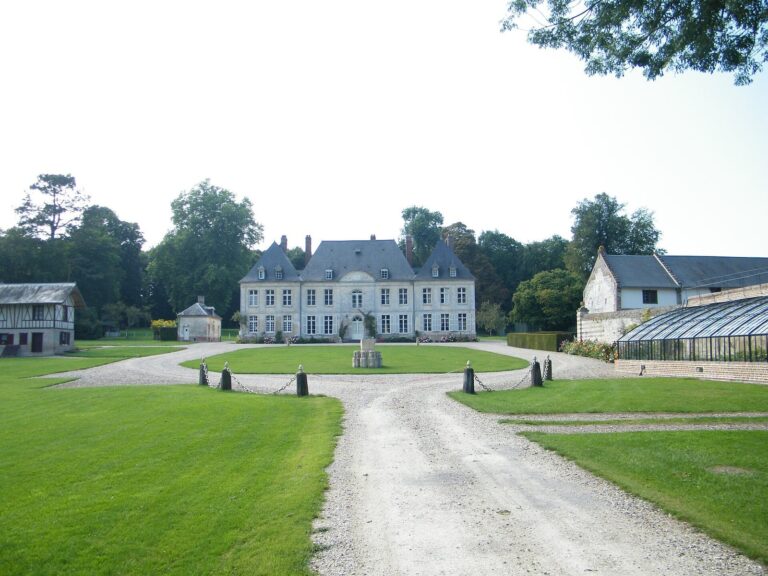
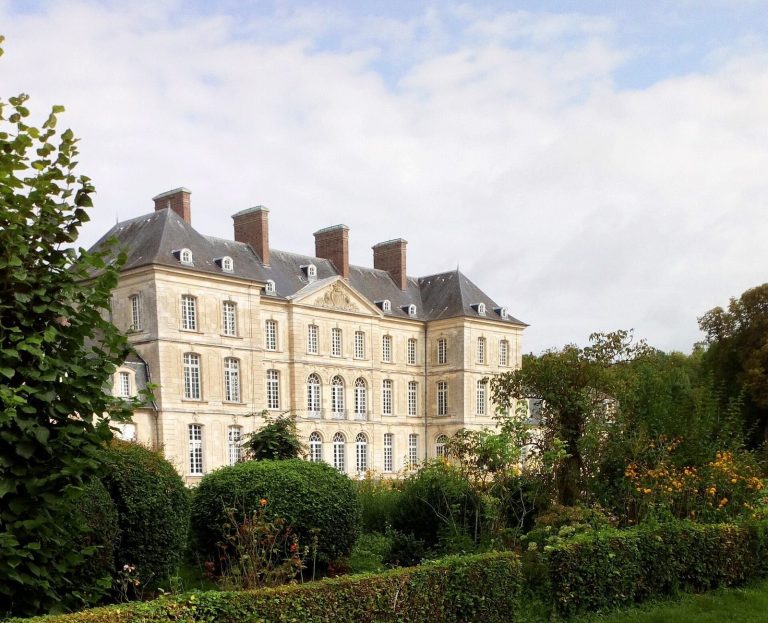
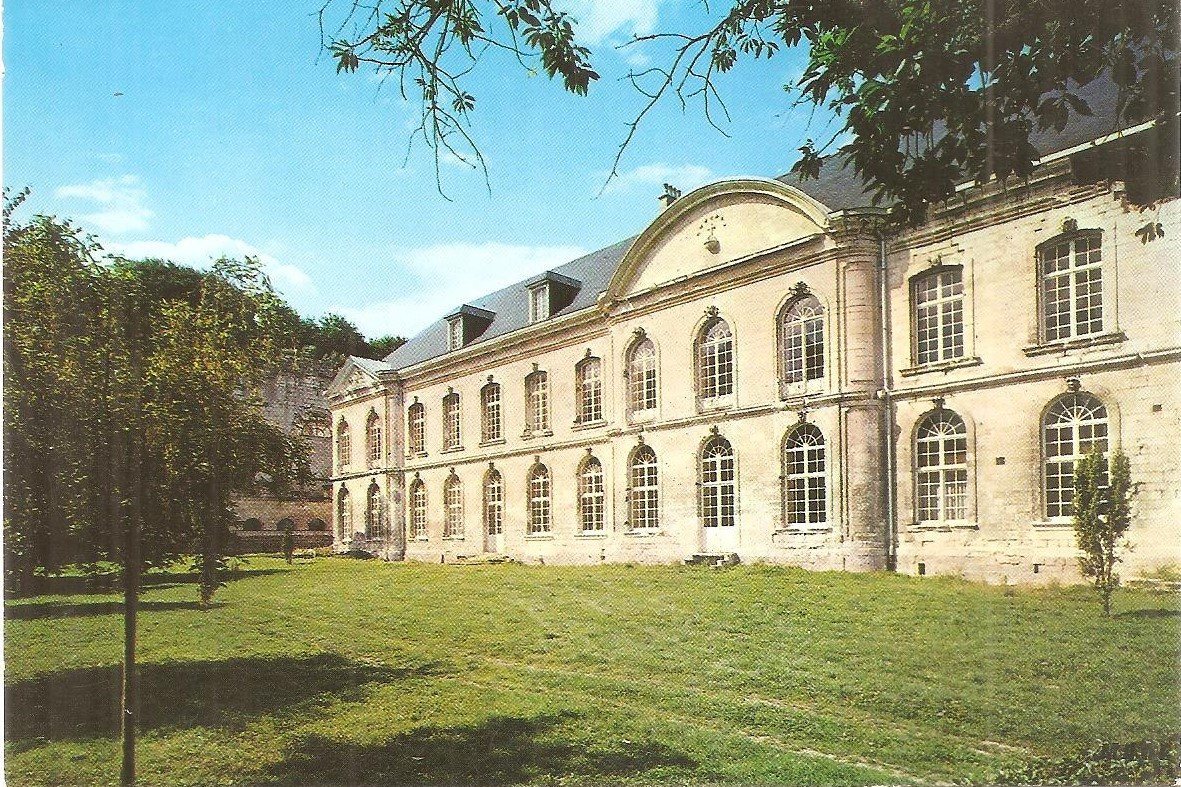
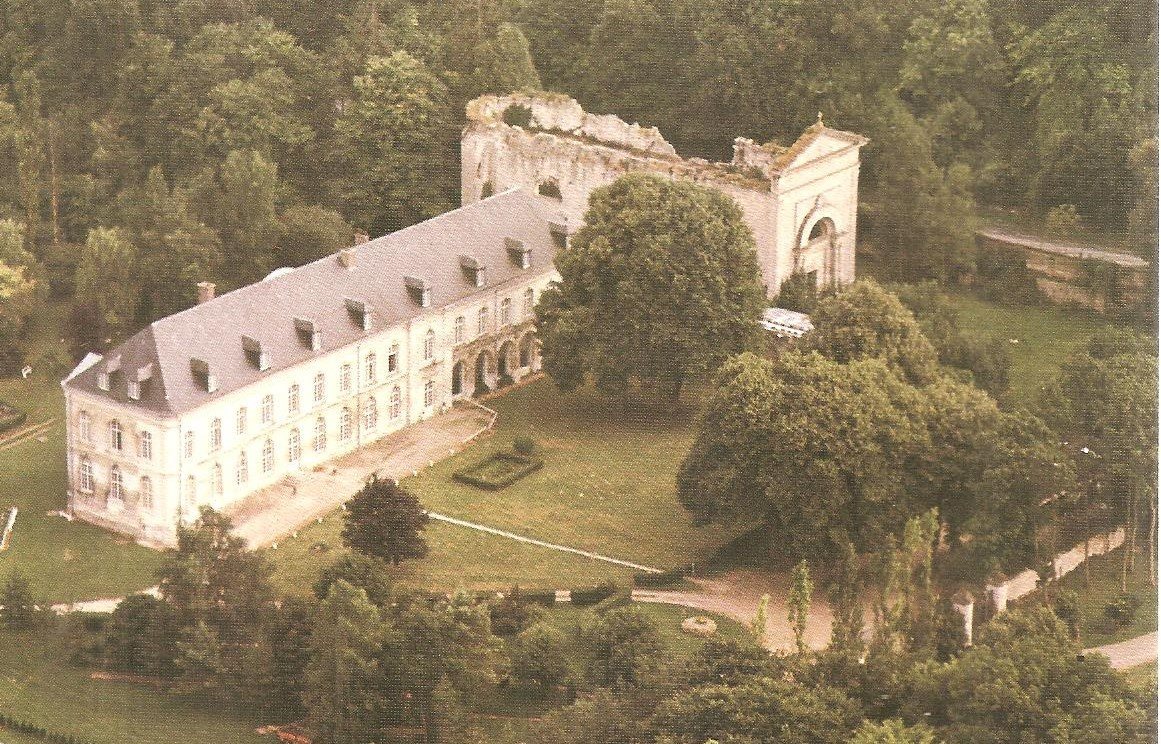
The complex stands on a slope above the Somme’s southern bank. Its large main residence lies north of the Baroque abbey church. The surviving monastic remains also include a chapter house and fragments of the cloister.
Abbey church
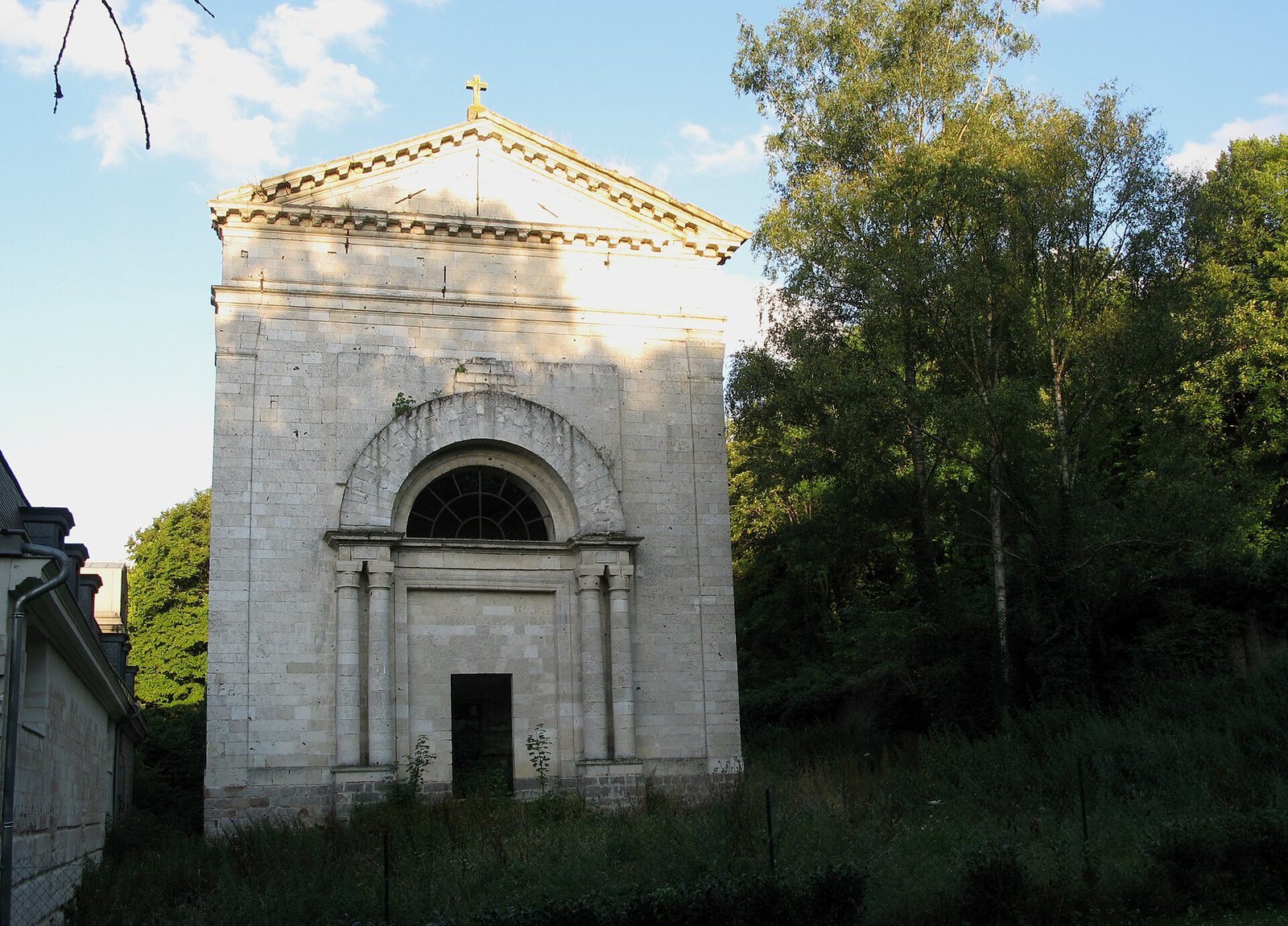
The Trappists began rebuilding the Baroque church in 1820, when the Bishop of Amiens, Marc Marie de Bombelles, laid its first stone; work finished in 1824. After the buildings fell into disrepair following 1906, the church roof collapsed, but its stone enclosing walls remained standing. The ruins were secured in 2001. The church’s former furnishings were dispersed: an altar, confessionals and choir panelling went to Hangest-sur-Somme, while sculptures went to Crouy-Saint-Pierre. The church’s movable inventory was divided between churches in those two localities.
Main residence
The main abbey residence’s roof was reconstructed during the restoration begun in 1967, allowing the building to be made habitable.