Caraca: A Roman City at Driebes, Spain
Site at a Glance
- Rating
- 4.6
- Popularity
- Medium
- Country
- Spain
- Primary era
- Classical
- Eras represented
- Classical
- Civilizations
- Roman
- Site type
- Settlement
- Remains
- City
On this page6 sections
History
Caraca was a Roman city at Driebes, Spain, on the right bank of the Tagus. It belonged to Tarraconensis, a Roman province in Hispania, and may have developed from a settlement of the Carpetani, a people of central Iberia before Roman rule. Its remains indicate an urban settlement of the High Empire, the earlier period of Roman imperial rule.
Ancient city and written accounts
Plutarch placed Caraca in central Hispania near the river Tagonio. He also recounted a siege of its inhabitants, the Caracitanos, led by Sertorius, a Roman general and political leader active in Hispania during the Republic. The Anonymous of Ravenna, a geographical compilation of places and routes, included Caraca on a route linking Complutum, Segóbriga and Carthago Nova.
Changing identifications and archaeological discovery
From the sixteenth century, writers identified the Tagonio with the Henares and Caraca with Guadalajara. The name caracense, meaning a person from Caraca, was consequently applied to Guadalajara’s inhabitants; in the late nineteenth century, the city’s cultural athenaeum adopted the name Ateneo Caracense. Adolf Schulten later placed Caraca at Taracena, while other proposals associated it with Carabaña and identified the Tagonio with the Tajuña.
Construction of the Estremera Canal at Driebes in 1945 uncovered the Driebes Treasure, a group of precious-metal objects weighing 13.8 kilograms and dating to the third century BC. The treasure is now displayed at the National Archaeological Museum in Madrid.
In 1981, Jorge Sánchez-Lafuente Pérez surveyed the hill of Virgen de la Muela at Driebes. Its position and the extent and importance of its ruins led him to identify it as an urban site of the High Empire, possibly Caraca, following an interpretation by Juan Manuel Abascal Palazón. A survey using ground-penetrating radar, which detects buried features, was conducted there in late 2016 by archaeologists Emilio Gamo and Javier Fernández. Excavations that began in spring 2017 established Caraca’s location at Driebes and have continued since.
Remains
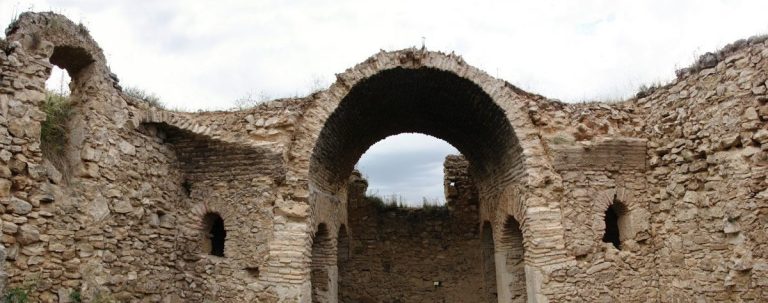
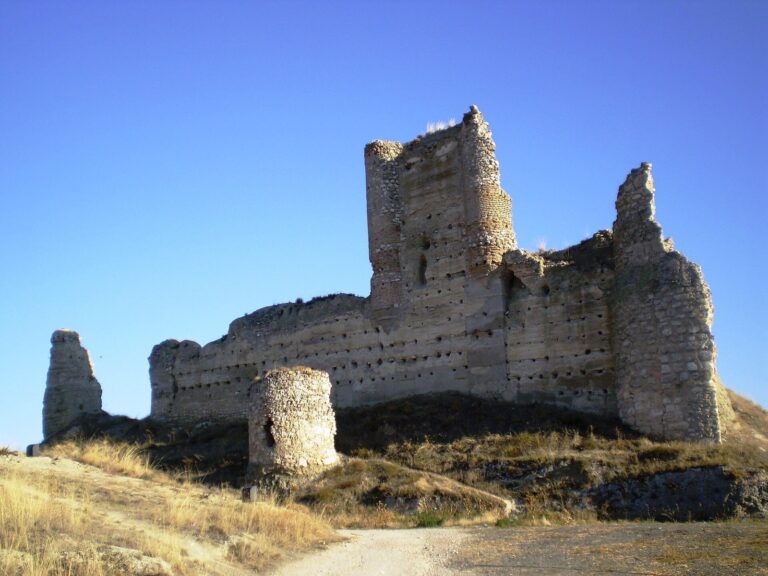
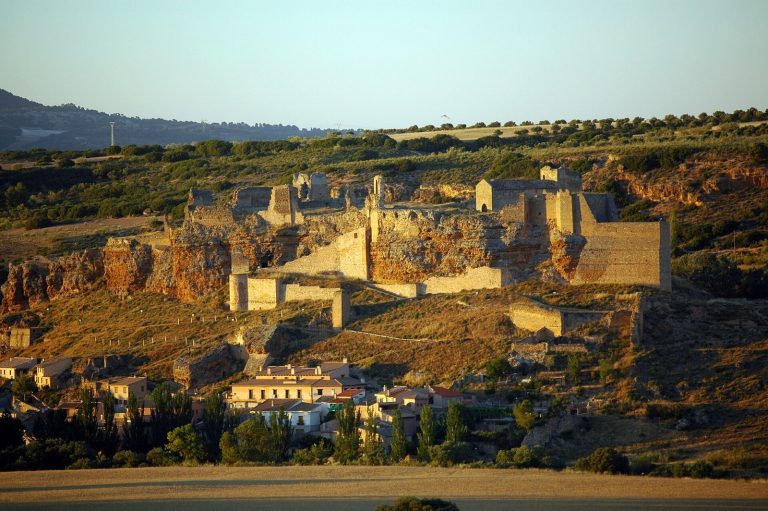
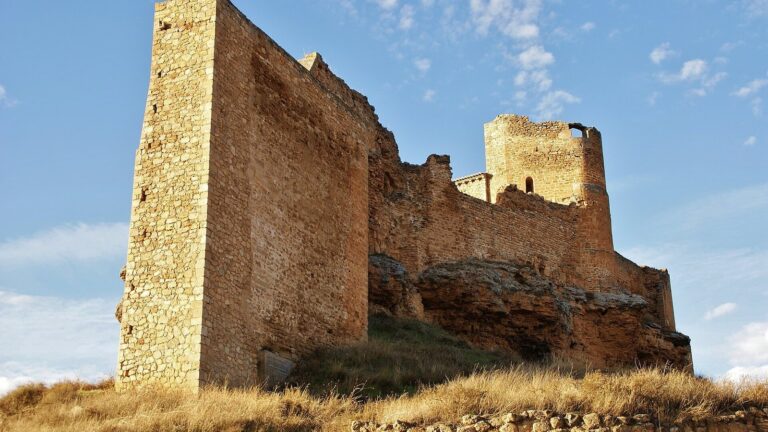
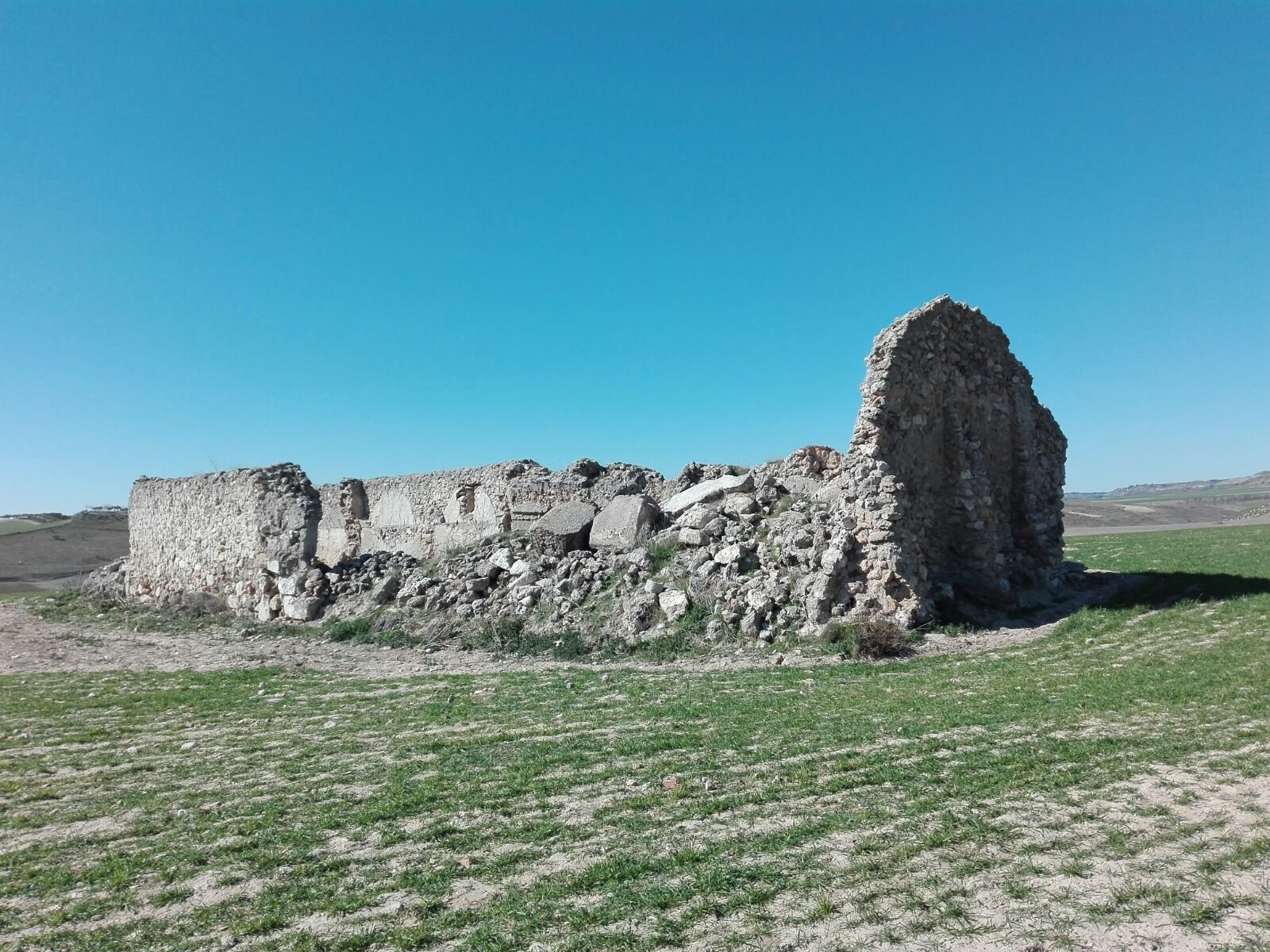
The archaeological site occupies the hill of Virgen de la Muela in Driebes, on the Tagus’s right bank. Some remains have also been tentatively placed beneath the ruins of the Virgen de la Muela hermitage south of Driebes. Excavations have revealed civic and residential buildings, baths, a temple and a cemetery.
Roman urban remains
The excavated remains include a forum, the central civic space of a Roman town, as well as public dwellings, baths and a temple. The forum survives in good condition.
Visigothic cemetery and Roman sculpture
A Visigothic cemetery occupies part of the site. The Visigoths were a people who established a kingdom in parts of the former Western Roman Empire. In 2025, archaeologists found a fragmentary Roman sculpture of a sphinx, a mythological creature, in the cemetery area. Dating to the High Empire, the sculpture probably belonged to a funerary monument.