Parish Church of St Peter and St Paul: A Medieval Parish Church in Pickering
Site at a Glance
- Rating
- 4.7
- Popularity
- Medium
- Country
- United Kingdom
- Primary era
- Medieval
- Eras represented
- Medieval
- Civilizations
- English
- Site type
- Religious
- Remains
- Church
On this page10 sections
History
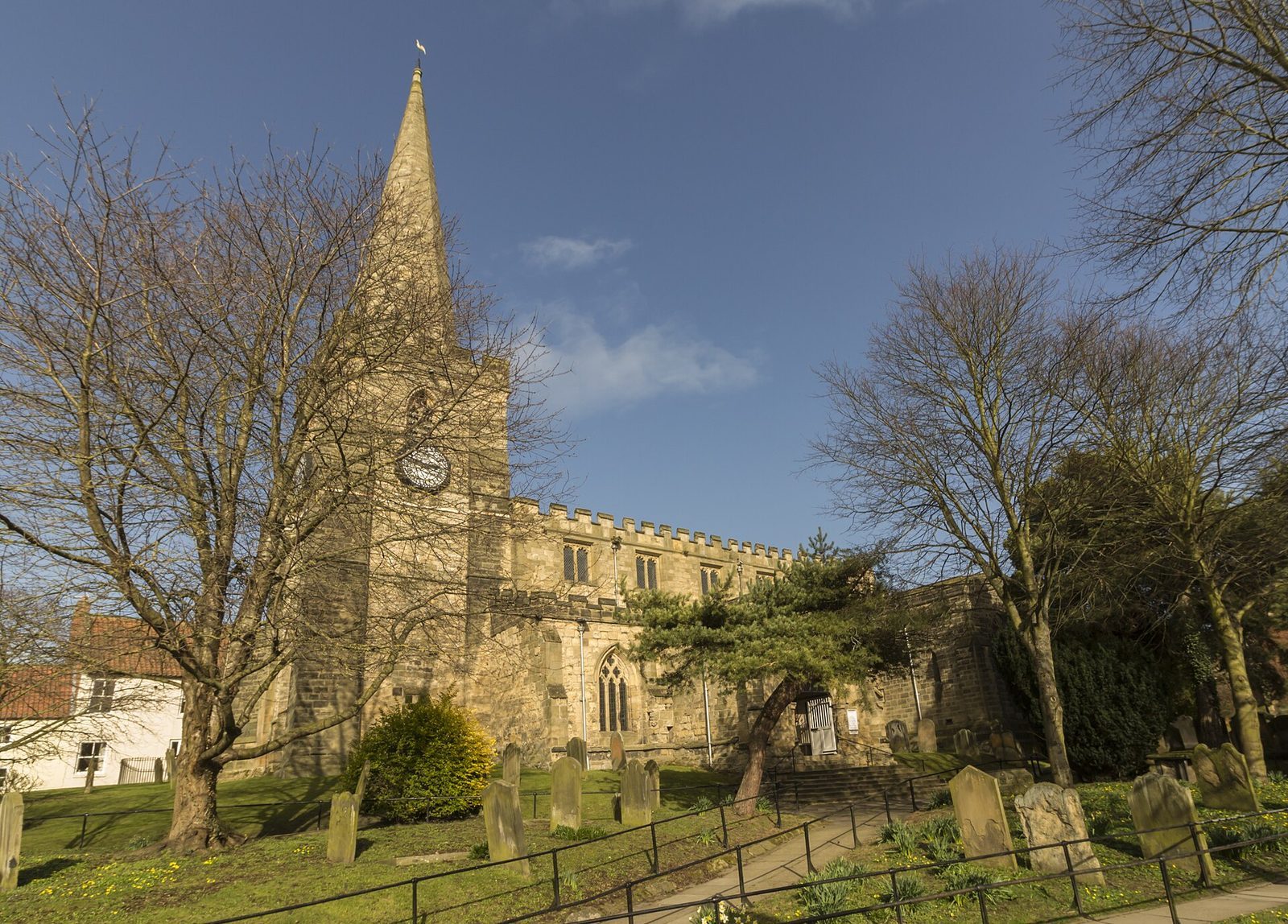
The Parish Church of St Peter and St Paul is an active Church of England parish in Pickering, North Yorkshire, United Kingdom. Its present building was begun around 1140 in the Norman style, a medieval architectural tradition associated with the Normans, and later acquired features in the English Gothic style. Its late-medieval wall paintings form an exceptionally complete surviving mural cycle.
Medieval development
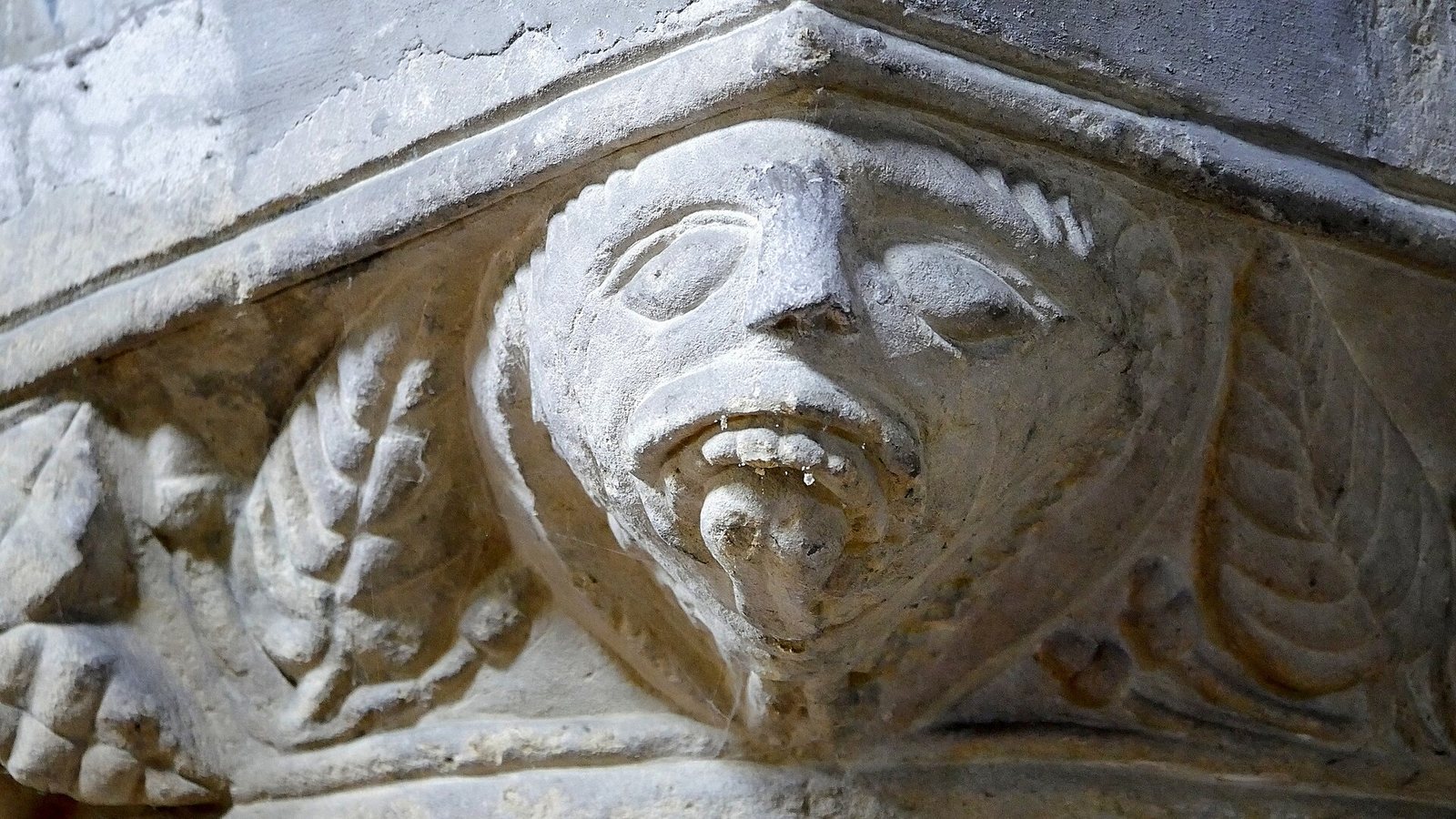
A church is believed to have stood on the site during the Anglo-Saxon period. Work on the present building began around 1140. A north aisle, or side passage, was added in 1150 and a south aisle in 1190; the building’s elaborately carved capitals, the sculpted tops of columns, belong to this phase.
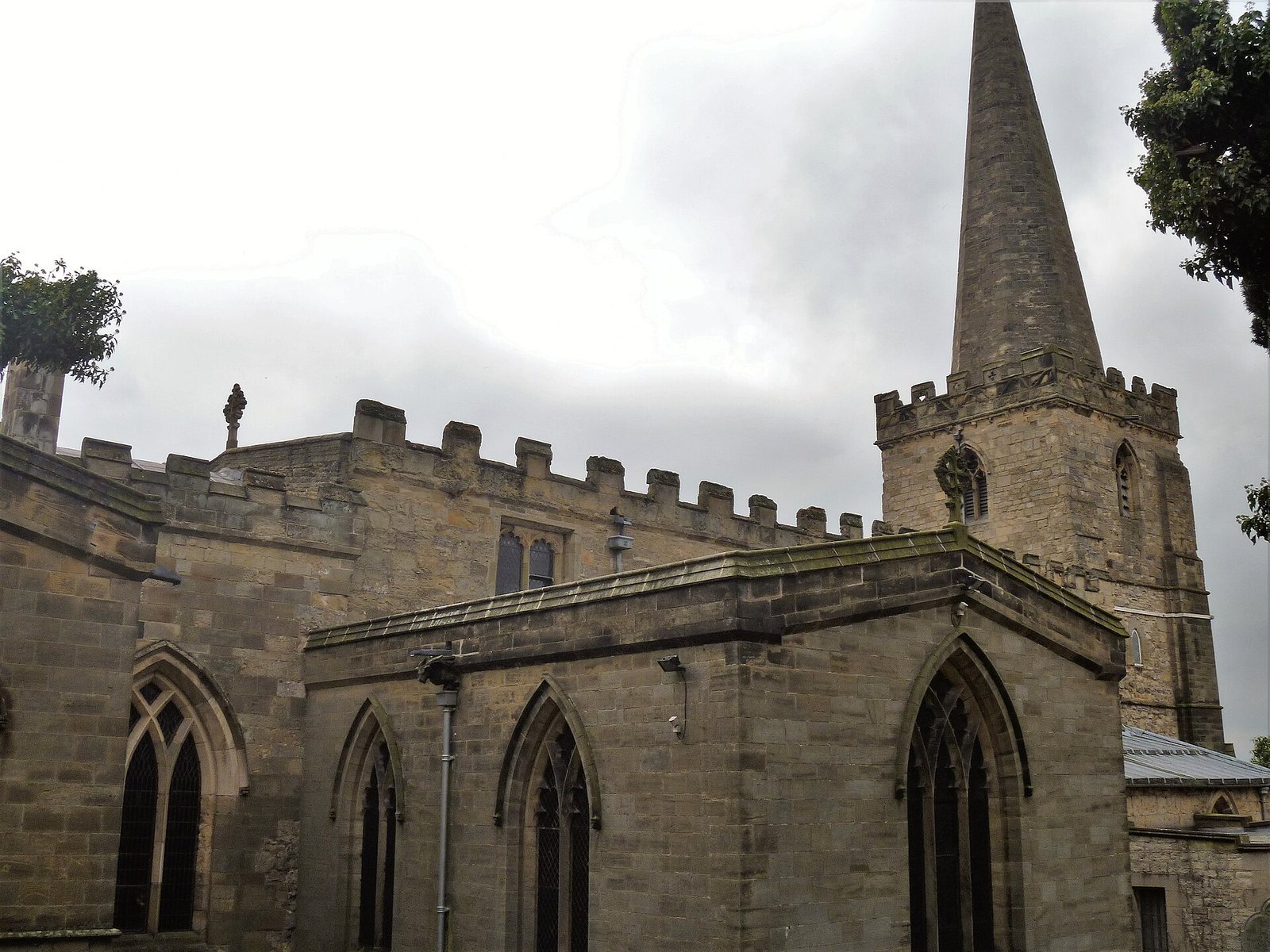
A tower originally stood at the church’s centre, but collapsed around 1200. It was replaced by a tower at the west end, and a spire was added later. Around 1300, the chancel, the area near the altar, was enlarged to accommodate more elaborate services. A north chantry chapel, used for prayers or services for the dead, followed in 1337, and a south chapel of this kind was built in 1407.
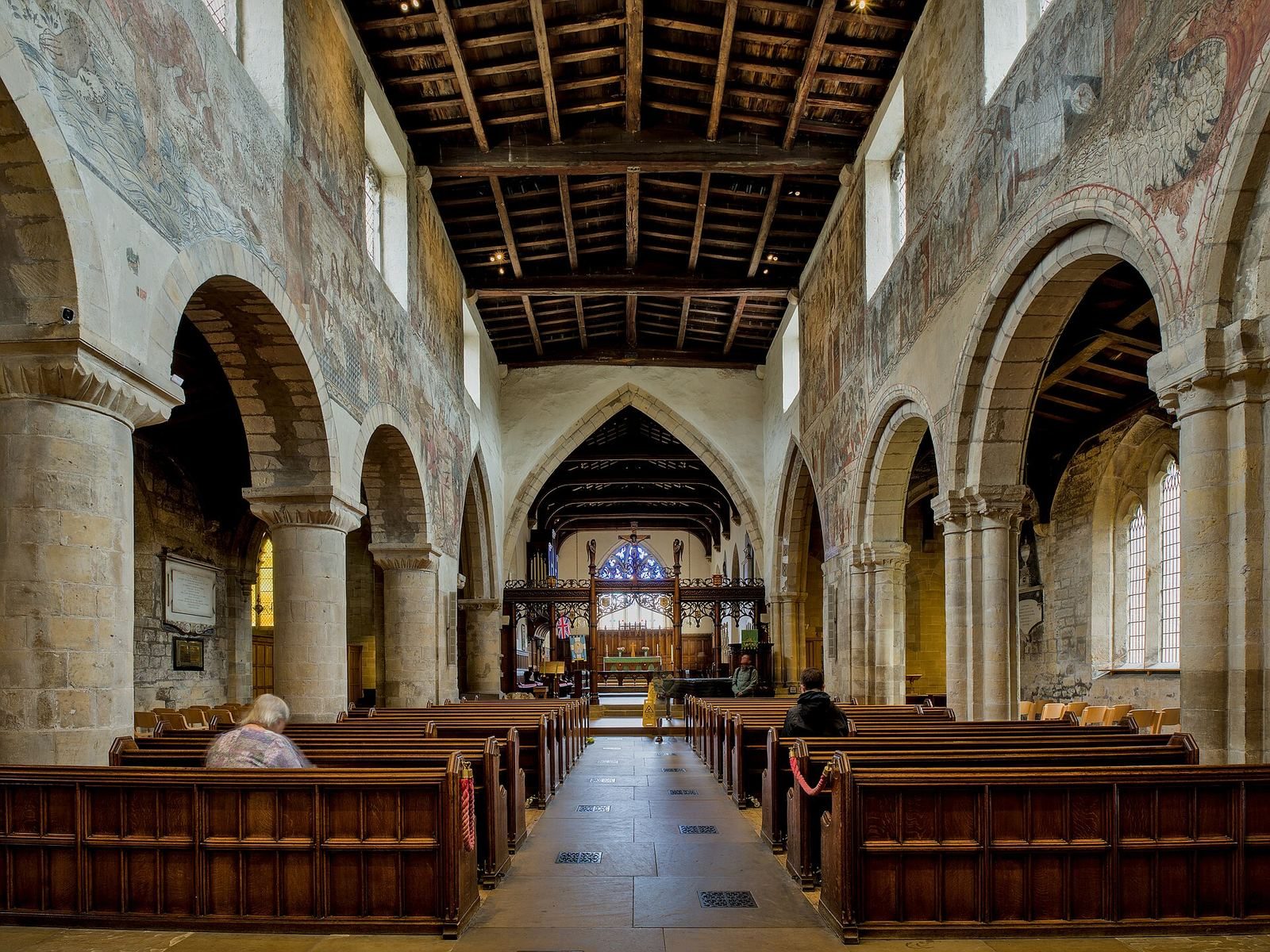
The last major structural changes came in the fifteenth century, when the nave, the church’s main body, was raised and clerestory windows were installed high above the lower roofs. Wall paintings were added to the church during this phase and are thought to have been commissioned in 1450.
Paintings and later history
The paintings were covered over during the following century, probably around 1547, amid the Edwardian Reformation, the religious changes in England under Edward VI. Plaster fell from a wall in 1852, exposing some of the artwork. John Ponsonby, vicar from 1814 to 1857, disliked the paintings and had them covered again after commissioning the artist W. H. Dykes to sketch them. This decision frustrated Thomas Musgrave, Archbishop of York. In 1876, the new vicar, G. H. Lightfoot, had the whitewash removed and the paintings restored.
The church, formerly Roman Catholic, now belongs to the Anglican Church of England and the Diocese and Province of York. It is also within the Archdeaconry of Cleveland and the Deanery of Northern Ryedale. It received Grade I listed-building status in 1950, the highest category of that designation in England.
Remains
Church fabric and furnishings
The church stands on a small hill at the centre of Pickering, within a churchyard that has mature trees. Its surviving fabric combines Norman and English Gothic work. The plan has a nave flanked by north and south aisles, while the east end, including the chancel, is wider than the nave. A tower rises at the west end beneath a later spire, which can be seen across the Ryedale district.
Early church remains
Inside the present building, a stone font and a carved cross shaft are attributed to the earlier church on the site.
Tower and chapels
The west-end tower and its spire remain part of the church’s skyline. Two chapels stand beside the sanctuary. The north chapel once contained a sculpted effigy of Sir William Bruce; his remains were moved to the chancel step to make room for the present organ. The south chapel retains effigies, or sculpted memorial figures, of Sir David and Dame Margery Roucliffe. Sir David died in 1406.
Wall paintings
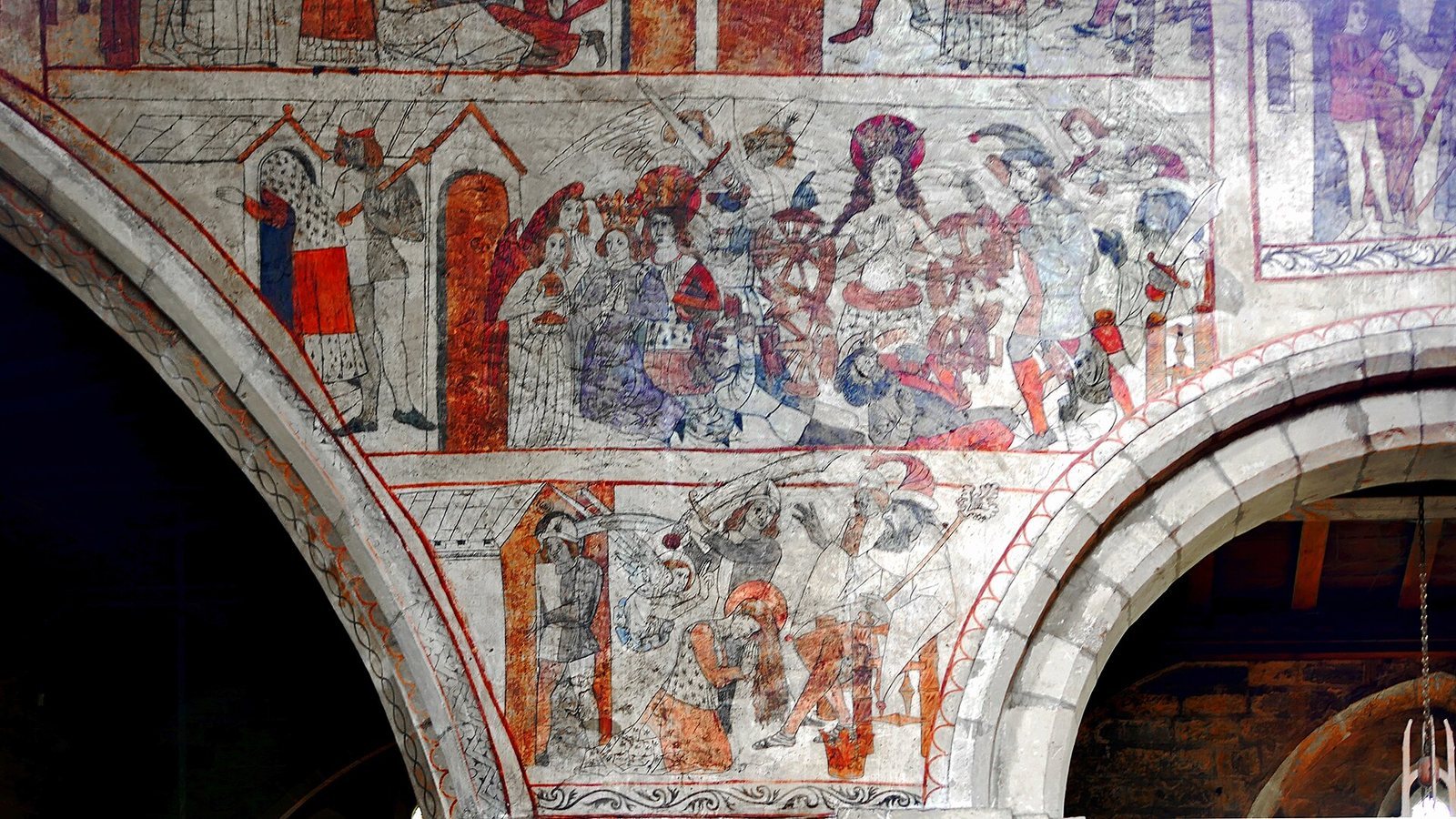
The Pickering Wall Paintings cover most of the nave walls, above the rows of arches and between the upper windowed sections. They follow the liturgical calendar and depict saints’ lives, the life of Christ and the Works of Mercy, acts of practical care for people in need. The cycle is exceptionally complete and ranks among the best-preserved examples of its kind in the United Kingdom.
North wall
From west to east, the north wall shows St George and the Dragon, St Christopher carrying the Child Jesus, and the beheading of John the Baptist. Above the last scene is the Coronation of the Virgin by the Holy Trinity, with martyred apostles also represented. The sequence continues with the martyrdoms of St Edmund and St Thomas Becket.
South wall
Moving east to west, the south wall depicts the martyrdom of St Catherine of Alexandria, the Seven Corporal Works of Mercy, and episodes from Christ’s Passion and Resurrection. It also includes the Harrowing of Hell, the Christian subject of Christ’s descent to the realm of the dead.