Leper Chapel of St Mary Magdalene, Cambridge: A Medieval Hospital Chapel
Site at a Glance
- Rating
- 4.5
- Popularity
- Medium
- Country
- United Kingdom
- Primary era
- Medieval
- Eras represented
- Medieval
- Civilizations
- English
- Site type
- Religious
- Remains
- Chapel
On this page5 sections
History
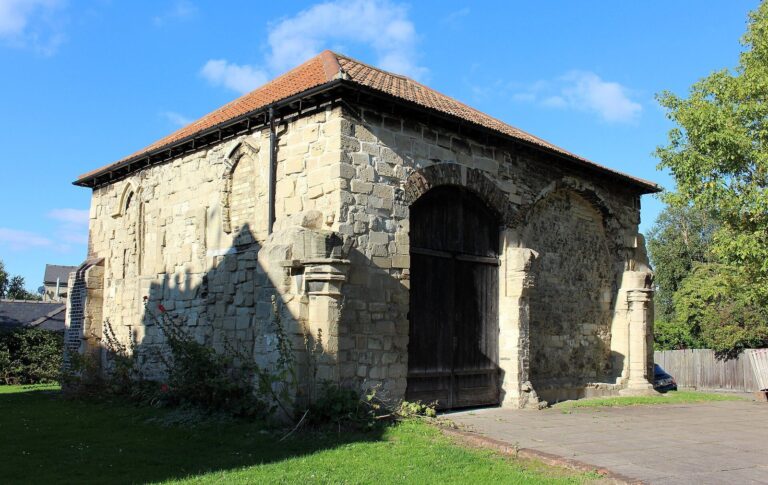
The Leper Chapel of St Mary Magdalene, in Cambridge, United Kingdom, is a Romanesque chapel built around 1125 as part of a leper hospital outside the town. Romanesque architecture is a medieval European style shaped by Roman building traditions. The chapel later became closely linked to Stourbridge Fair, whose income supported the hospital and made its priest’s post unusually lucrative.
The hospital and Stourbridge Fair
In 1199, King John granted the chapel permission to hold a three-day fair to raise funds for the care and treatment of people with leprosy. From 1211, the fair took place on Stourbridge Common around 14 September, the Feast of the Holy Cross, a Christian observance commemorating the cross of Jesus. Stourbridge Fair grew into one of medieval Europe’s largest fairs, and its revenues made the chapel’s priestly office one of the English church’s most lucrative.
In 1279, the hospital stopped taking new patients, and those still living there were transferred to a new colony near Ely. The chapel had no parish, and its priest held a sinecure, an office with little or no active duty.
Closure and changing uses
Legislation in 1546 closed the chapel and transferred its property to the Crown. The town and the University of Cambridge later disputed control of the fair. Elizabeth I, queen of England, settled the dispute in the town’s favour while preserving the university’s authority over weights, measures, and the quality of goods.
The chapel was later used to store the fair’s stalls and, during the fair in at least the eighteenth century, as a pub. No services were held after 1751. In 1783, the building was offered for sale as a storage shed. Thomas Kerrich bought and restored it in 1816, then gave it to the University of Cambridge.
Preservation and present use
The university transferred the chapel to the Cambridge Preservation Society in 1951. Stourbridge Fair was abolished in 1933 and revived in the twenty-first century; it is now held annually at the chapel. The chapel is again used for worship and belongs to the Parish of Christ the Redeemer. Founded in 1999, the Friends of the Leper Chapel promotes its educational, cultural, and religious use, while Cambridge Past, Present and Future maintains the building. The chapel is a Grade I listed building, England’s highest category for buildings of special architectural or historic interest.
Remains
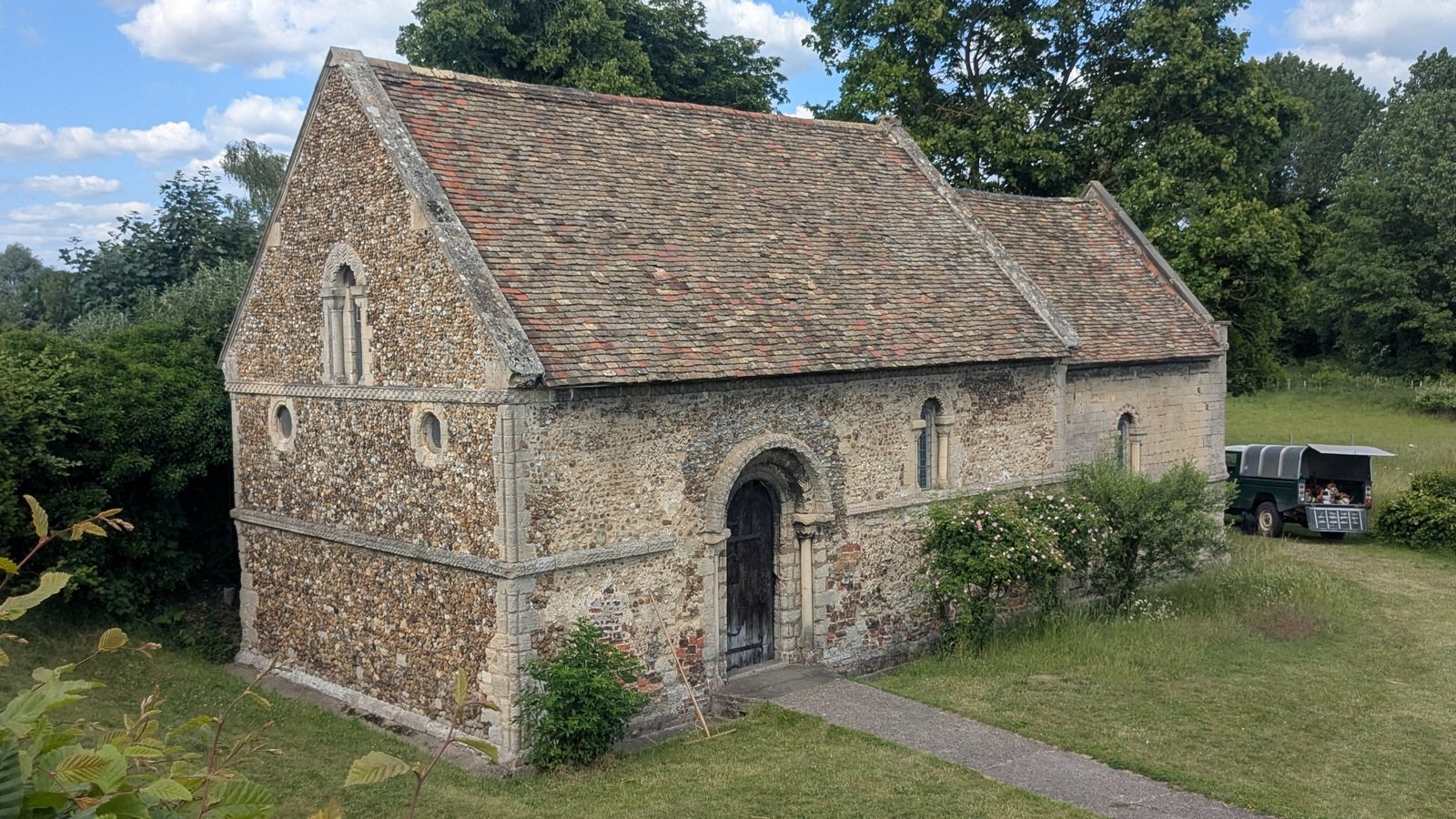
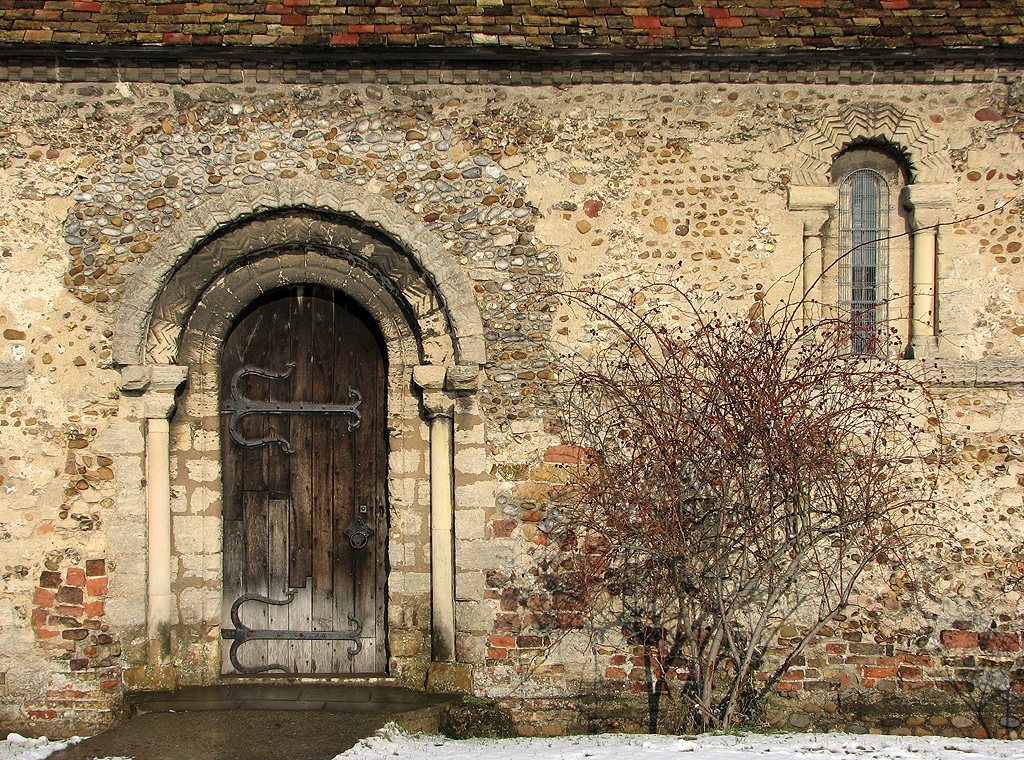
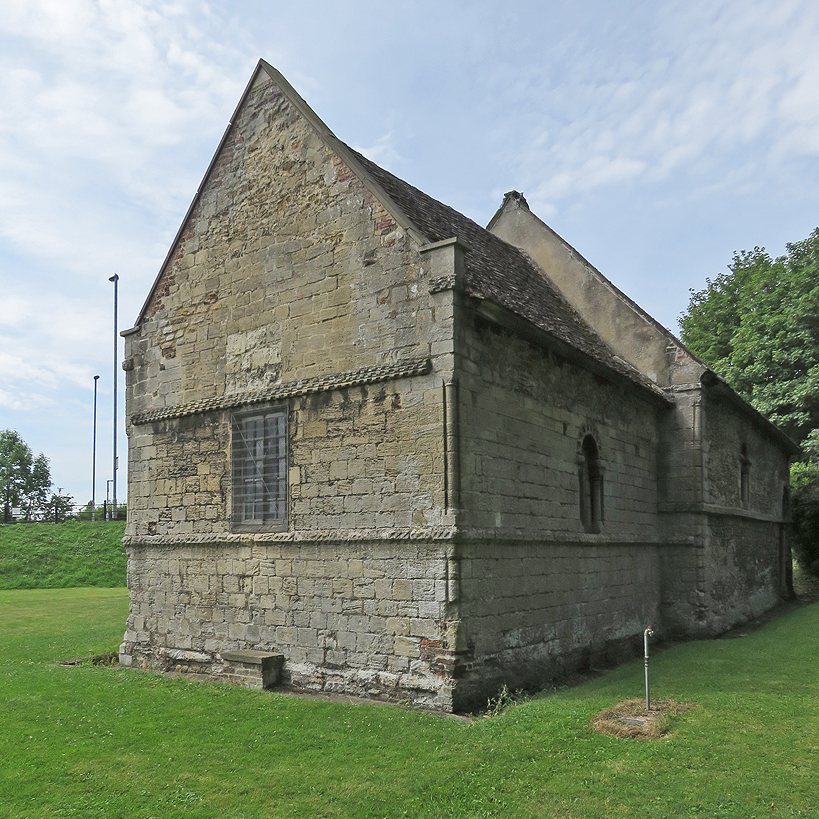
The chapel stands on Cambridge’s eastern side, off Newmarket Road and near the railway crossing at Barnwell Junction. Stourbridge Common lies a short distance behind it and extends down to the River Cam. The building retains its Romanesque character: a small section of the east wall contains original masonry from around 1125, while most of the rest was rebuilt in the thirteenth century. Many Romanesque features survive in the chapel.