Nikolje Monastery in Ovčar–Kablar: A Serbian Orthodox Monastery
Site at a Glance
- Rating
- 4.9
- Popularity
- High
- Country
- Serbia
- Primary era
- Early Modern
- Eras represented
- Early Modern, Modern
- Civilizations
- Ottoman, Serbian
- Site type
- Religious
- Remains
- Monastery
On this page12 sections
History
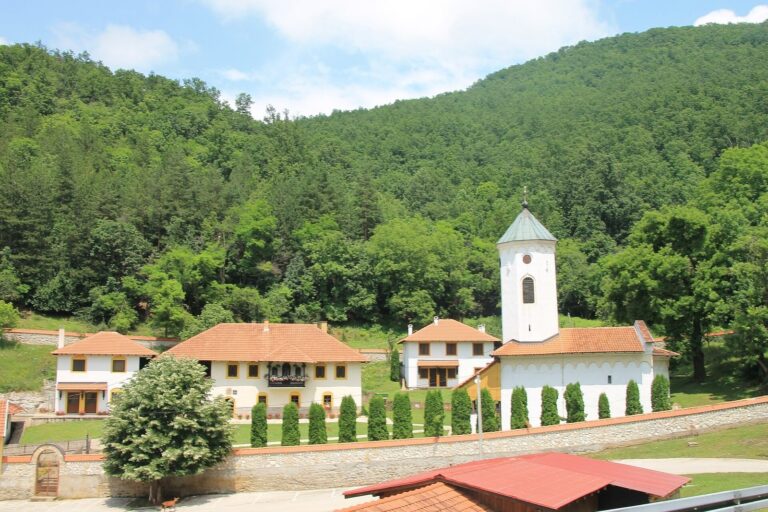
Nikolje Monastery is a Serbian Orthodox monastery in the village of Rošci, Serbia. Its foundation is generally placed in the late fifteenth or early sixteenth century. First recorded in 1489, it may have been established earlier, and its founder or patron is unknown. It may be the oldest of the ten monasteries in the Ovčar–Kablar gorge.
Dedicated to Saint Nicholas, an early Christian bishop widely revered in Orthodox Christianity, Nikolje belongs to the Diocese of Žiča, a jurisdiction of the Serbian Orthodox Church. The gorge’s monasteries are collectively nicknamed the Serbian Mount Athos, recalling the monastic center on Mount Athos in Greece. Nikolje is now home to a community of nuns.
Ottoman rule and monastic life
The monastery endured during Ottoman rule and maintained a workshop for copying manuscripts even during the Ottoman occupation of Serbia. Vuk Karadžić, a Serbian linguist and language reformer, recorded that as many as 300 monks had once lived there.
Prince Miloš and nineteenth-century renewal
During the Second Serbian Uprising, the 1815 revolt against Ottoman rule, Prince Miloš Obrenović and his family took refuge at Nikolje while hiding with local people. In 1817, Miloš gave the monastery a watermill at Prijevor and some land. At that time its abbot was Atanasije Radovanović. Major renovations took place in 1817 and about 1857, during Miloš’s rule.
Twentieth-century history and preservation
Before the Second World War, the monastery owned 272.66 hectares of land. This included 130 hectares of forest, with the remainder made up of meadows and fields in Prijevor and Mijokovci. Gavrilo Marković served as abbot from 1907 to 1927. Tekla Mićić became abbess in 1954; Efrosinija Simić held the office until 1987, when Evpraksija Belić succeeded her and served until 2018.
Restoration work on the old residence took place in 1955–1956 and 1975, and again in 2006. The church’s architecture was restored in 1956–1960 and 1975, while work on its painted decoration followed in 1965 and 1980. Nikolje is protected as a Cultural Monument of Great Importance, a formal Serbian state heritage designation. Its annual feast, the Translation of the Relics of Saint Nicholas, commemorates the transfer of the saint’s relics and falls on May 22, or May 9 in the Orthodox calendar.
Remains
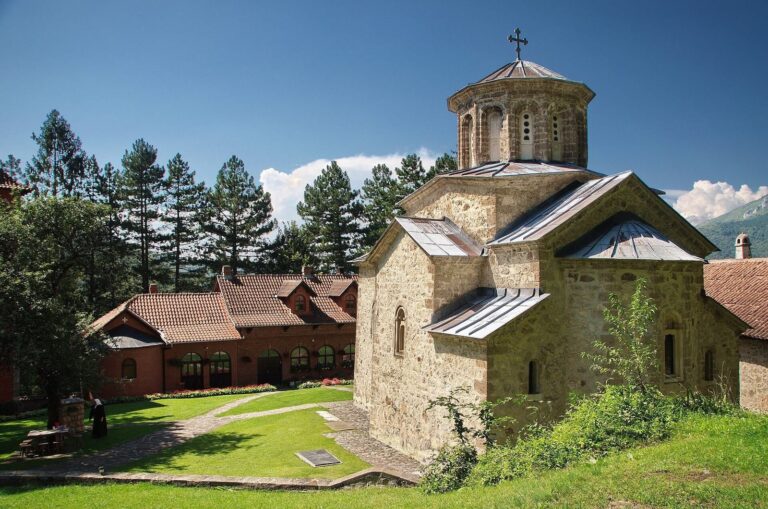
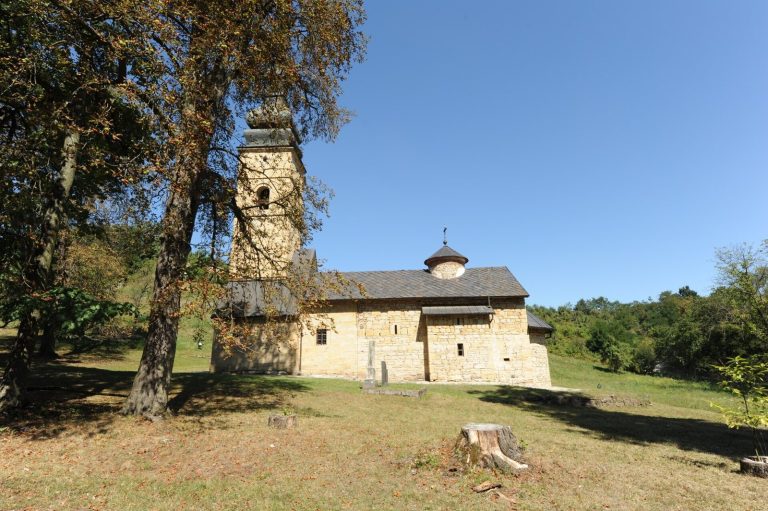
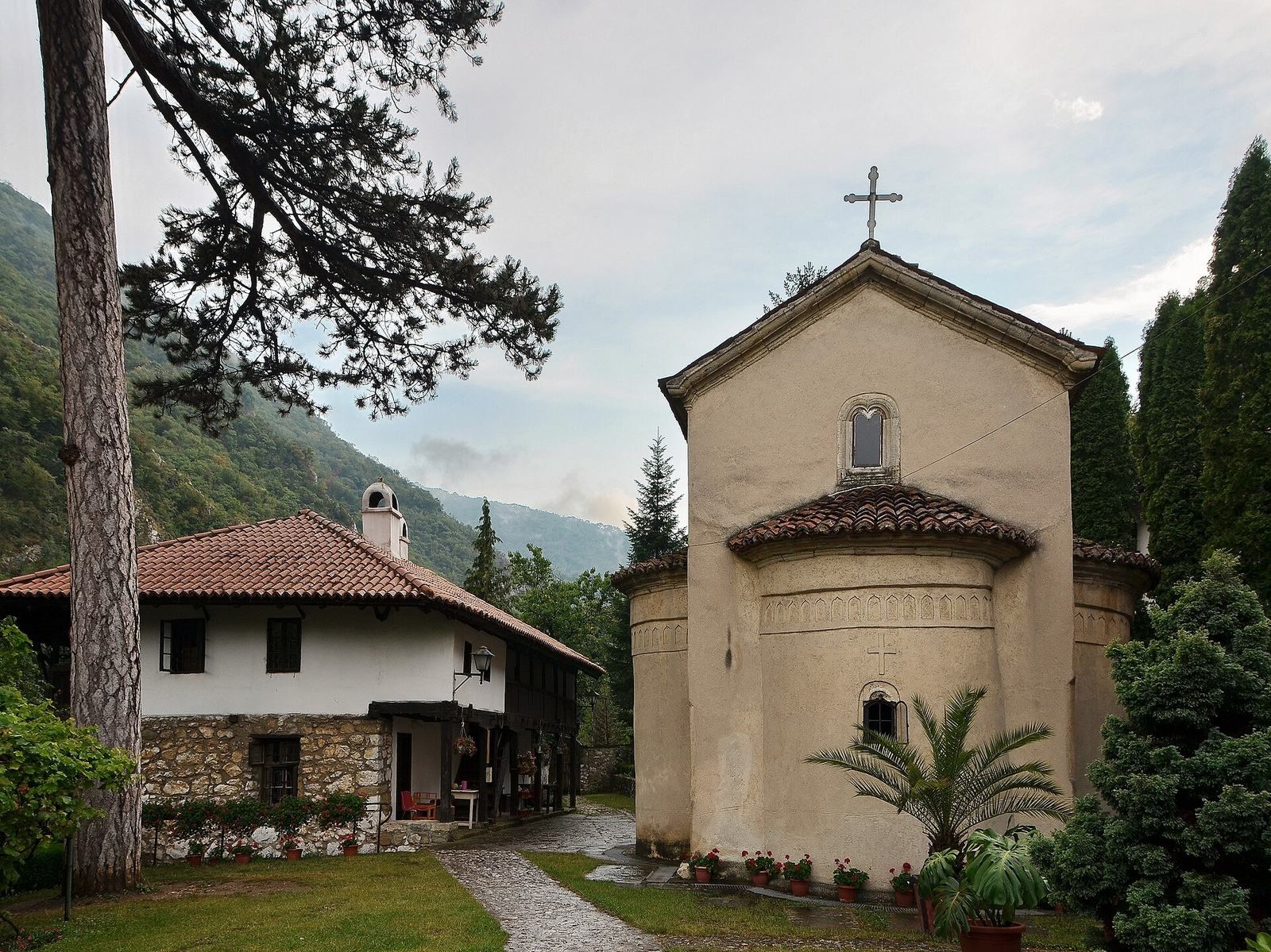
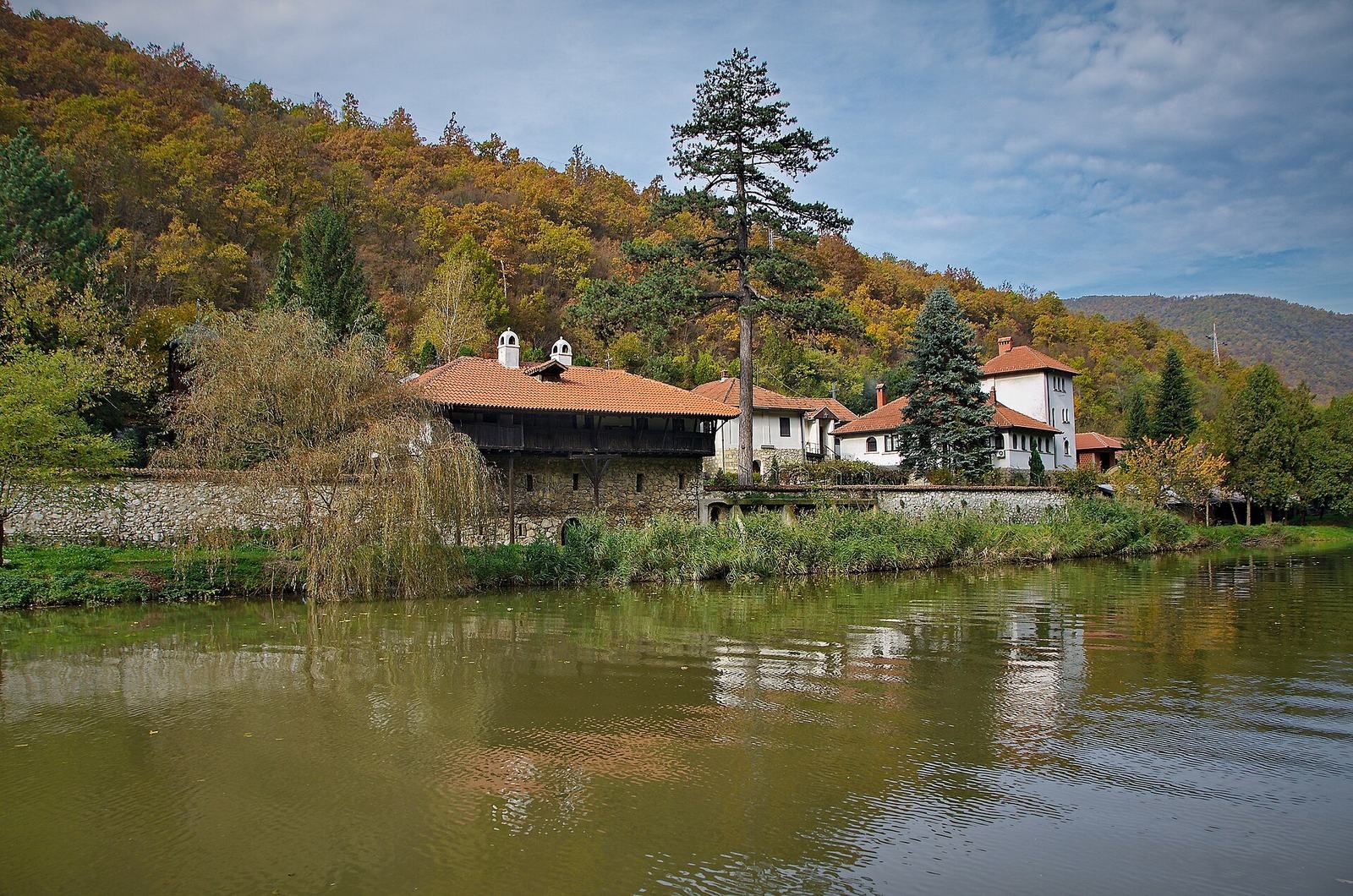
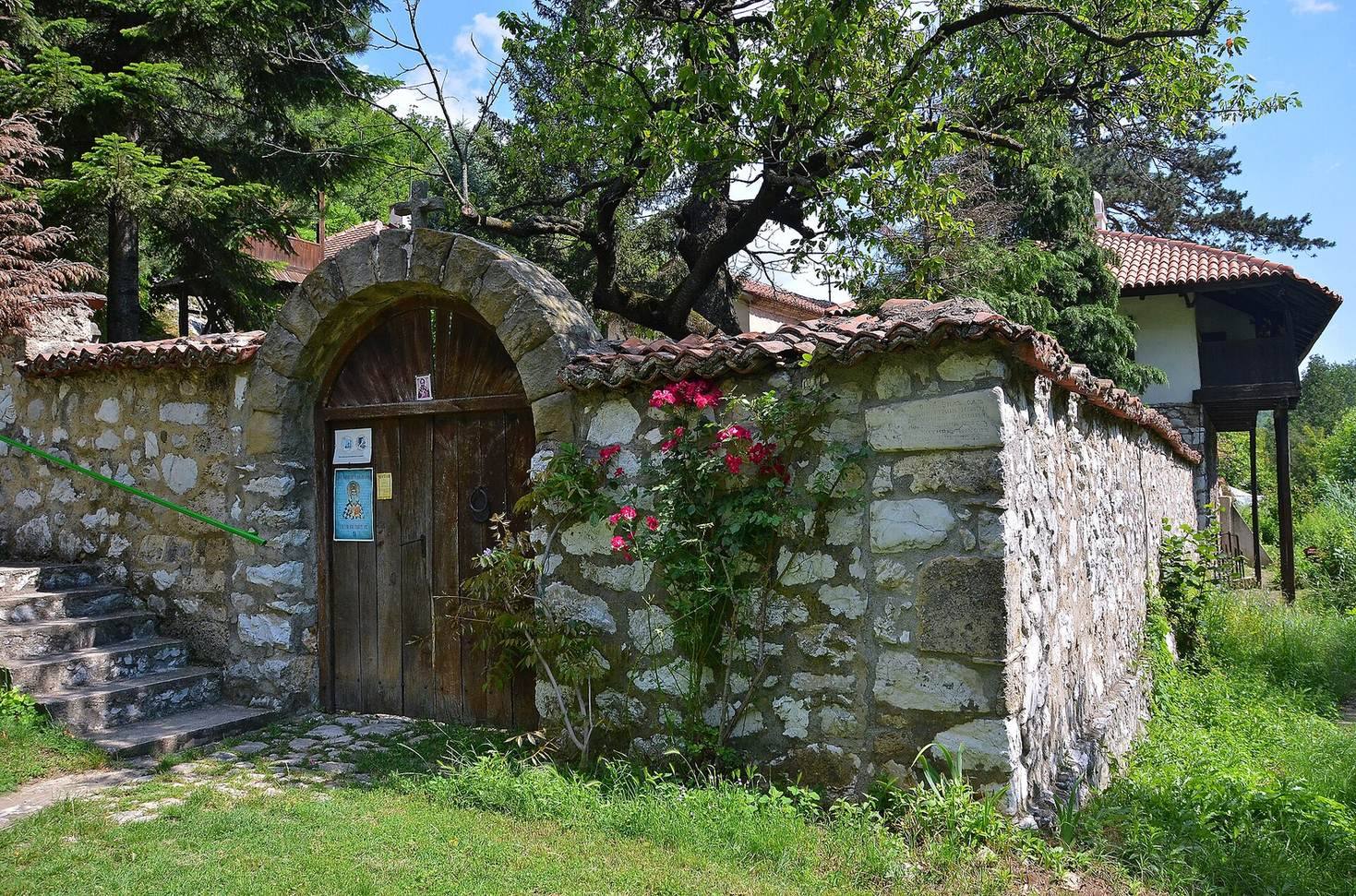
The monastery’s principal surviving buildings are a modest church without a dome and the old konak, a residential building, set south of the church beside the West Morava. The site lies at the foot of Mount Kablar on the river’s left bank. The monastery entrance is on the west side, while the church is entered from the south.
Church
Plan and exterior
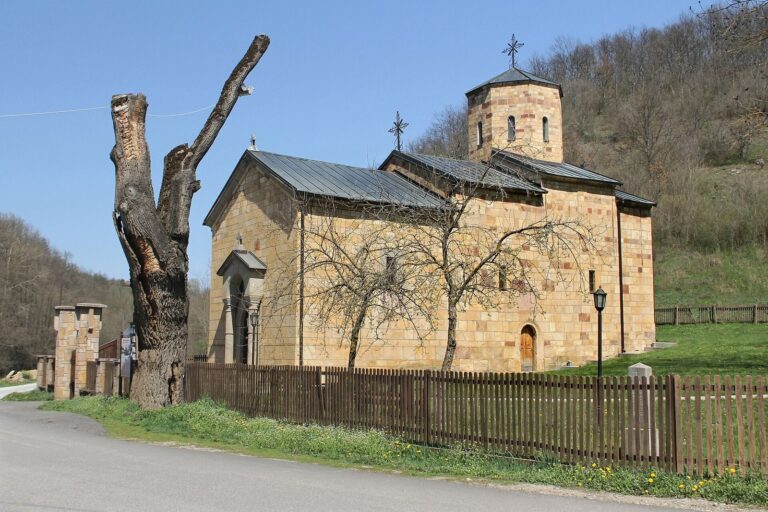
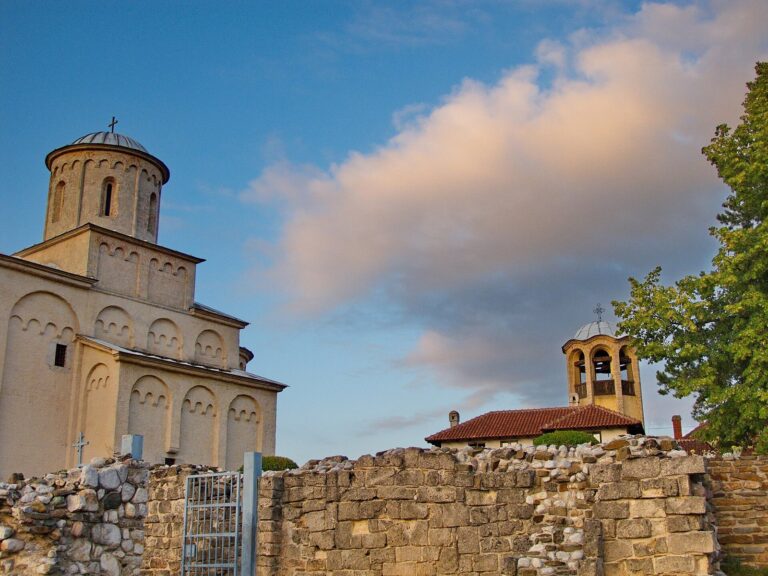
The church has a three-apsed plan, with three sanctuary ends, and walls built from irregularly shaped stone. Relief decoration appears on the window sills. Nineteenth-century work added exterior plaster and a row of shallow, closed plaster recesses to the apses.
Wall paintings and icon screen
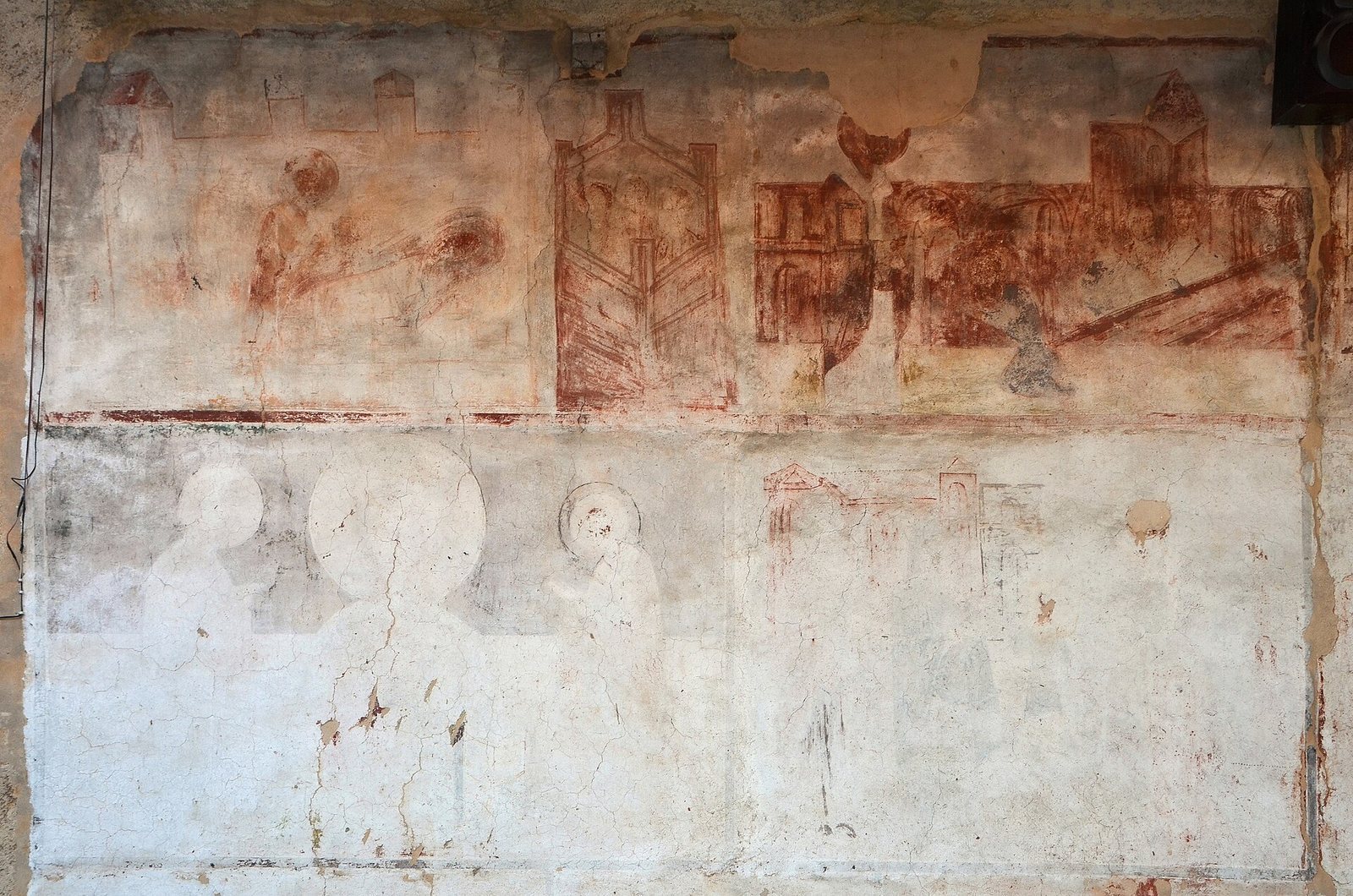
An inscription dates the church’s wall paintings to 1587. Their subjects include the unusual scene of Wisdom building herself a temple. Another painted cycle, added in 1637 to the façade beneath the porch and the ground floor of the entrance vestibule, depicts the Passion of Christ. Further nineteenth-century paintings appear on the south façade and above the icon screen, the screen of icons separating the sanctuary from the main church space. A new icon screen was installed in 1826, probably by the Serbian painter Janko Mihailović Moler.
The old konak
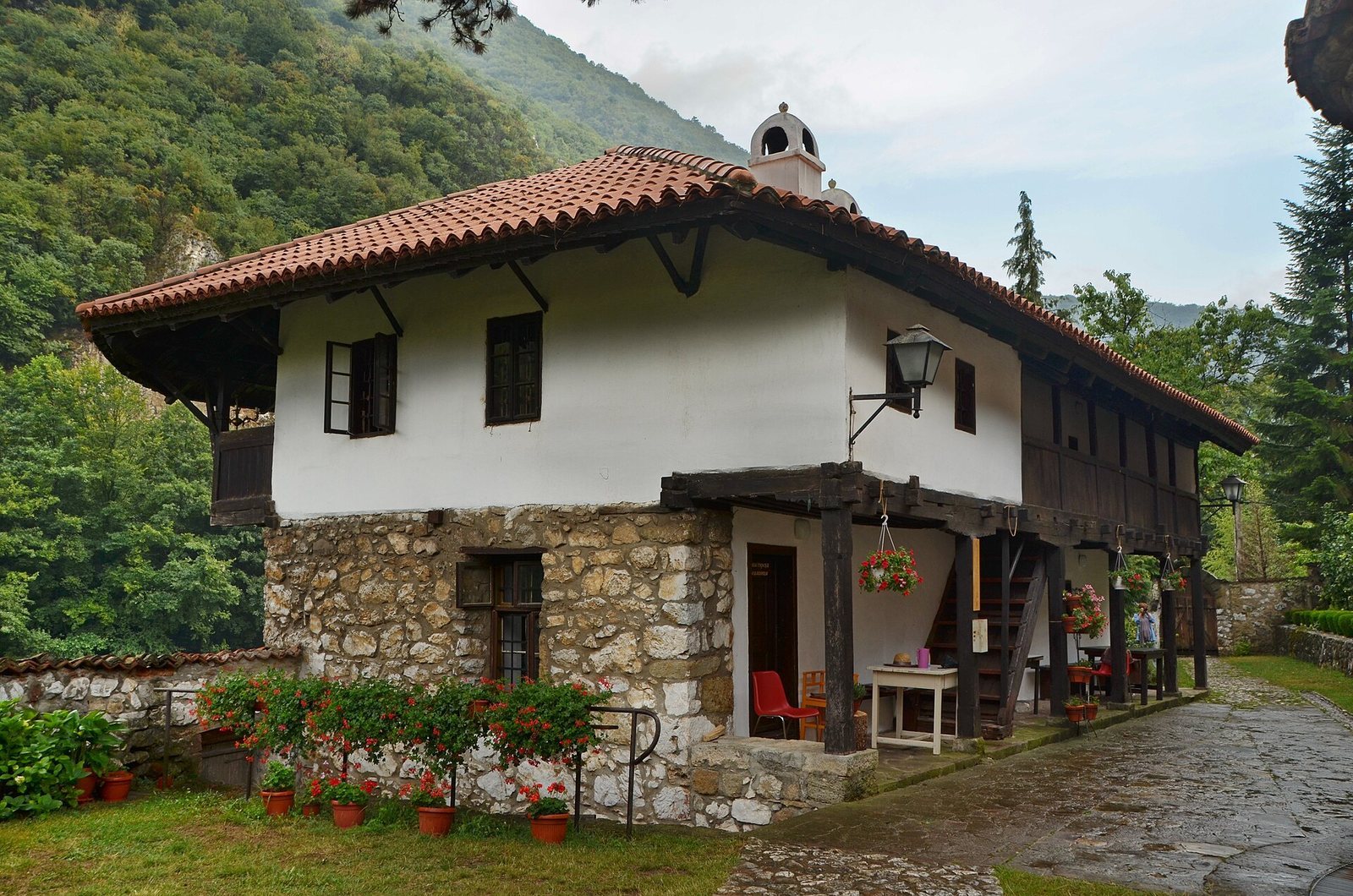
The two-storey konak has a ground floor and an upper floor. Its river-facing ground floor is built of massive stone, while the side facing the church and the upper floor use timber framing. A wooden porch-gallery runs along the upper storey, and a wooden staircase connects the floors.
Manuscripts and icon
Nikolje Gospel and icon
The Nikolje Gospel was written at the monastery in the fifteenth century by the medieval scribe Hval Hristjanin. Its small leaves are written in Cyrillic script, and the manuscript has a leather binding and gold-colored miniature illustrations. During the First World War, it left the Serbian National Library’s custody as the library evacuated its collection in 1914. It later belonged to Sir Alfred Chester Beatty and is now held by the Chester Beatty Library in Dublin. A digital version, made in 2005, is also held by the Vladislav Petković Dis Municipal Library in Čačak. An icon painted at Nikolje in 1489 is now in the National Museum in Belgrade.
Karan Gospel
The monastery treasury also includes the Karan Gospel, a manuscript dated 1608. Lay scribes produced it at a copying workshop associated with the Church of the Annunciation at Karan, near Požega. Its ornamentation reflects Islamic influence.