Grabovac Monastery: A Serbian Orthodox Monastery in Belgrade, Serbia
Site at a Glance
- Rating
- 4.9
- Popularity
- High
- Country
- Serbia
- Primary era
- Modern
- Eras represented
- Modern
- Civilizations
- Serbian
- Site type
- Religious
- Remains
- Monastery
On this page11 sections
History
Foundation and Ottoman rule
Grabovac Monastery is a Serbian Orthodox monastery in Grabovac, within the City of Belgrade, Serbia, whose origins are traditionally placed around the turn of the fourteenth century. Tradition associates the earlier monastery with the Serbian kings Stefan Milutin and Stefan Dragutin. A foundation legend dates Dragutin’s establishment of it to 1282, near a spring where he found relief after injuring his leg in a fall from his horse. The story connects the foundation to Dragutin receiving Posavina, then part of Hungary, to govern from King Ladislaus IV of Hungary.
The monastery was destroyed in 1521 as the Ottoman army of Sultan Suleiman the Magnificent advanced toward Belgrade. It was later rebuilt with the favor of the vizier of Buda, a senior Ottoman official. Ottoman tax records list the monastery among taxable institutions in 1572.
Migration, uprising, and destruction
During the Great Migration of the Serbs, the late-seventeenth-century movement of Serbs northward, the Serbian Orthodox Church held its final assembly at Grabovac in 1690. Patriarch Arsenije Čarnojević led the migration across the Sava. The monastery also became a gathering place for insurgents preparing to fight Ottoman rule during the First Serbian Uprising, a revolt in Serbia in the early nineteenth century.
After the uprising failed, Ottoman forces razed and burned the monastery in 1813. The church and monastic cells were destroyed, the bells were taken, and the treasury was looted.
Rebuilding and the parish years
Rebuilding followed, but work remained incomplete until 1859, during the rule of Serbian Prince Miloš Obrenović. That year the residence was finished, and an elementary school that had operated in the monastery courtyard moved into it. At villagers’ request, the monastery became a parish church in 1865, making its land easier for them to reach.
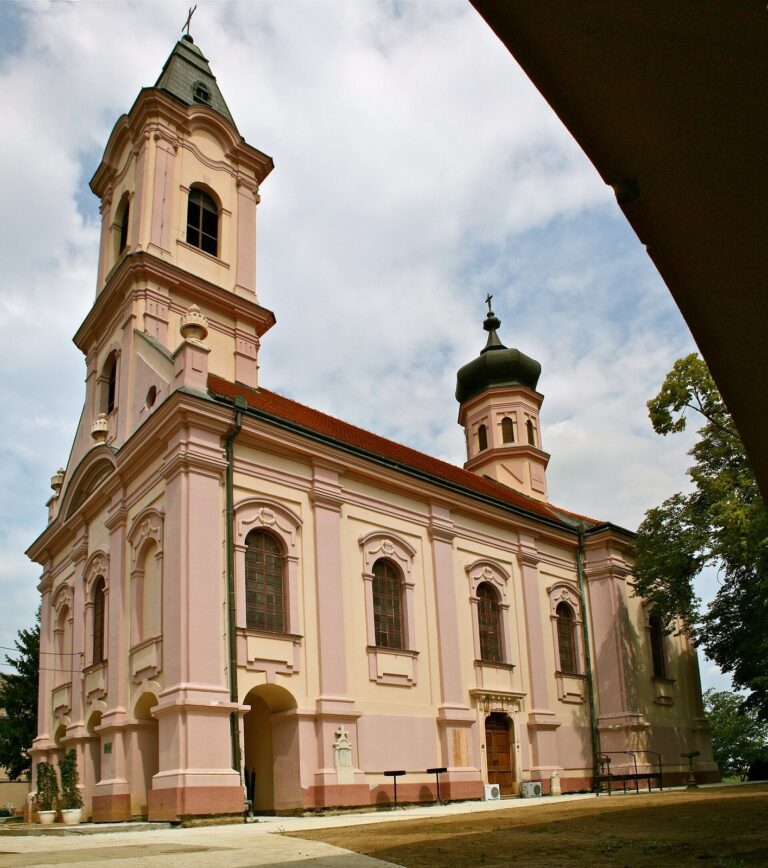
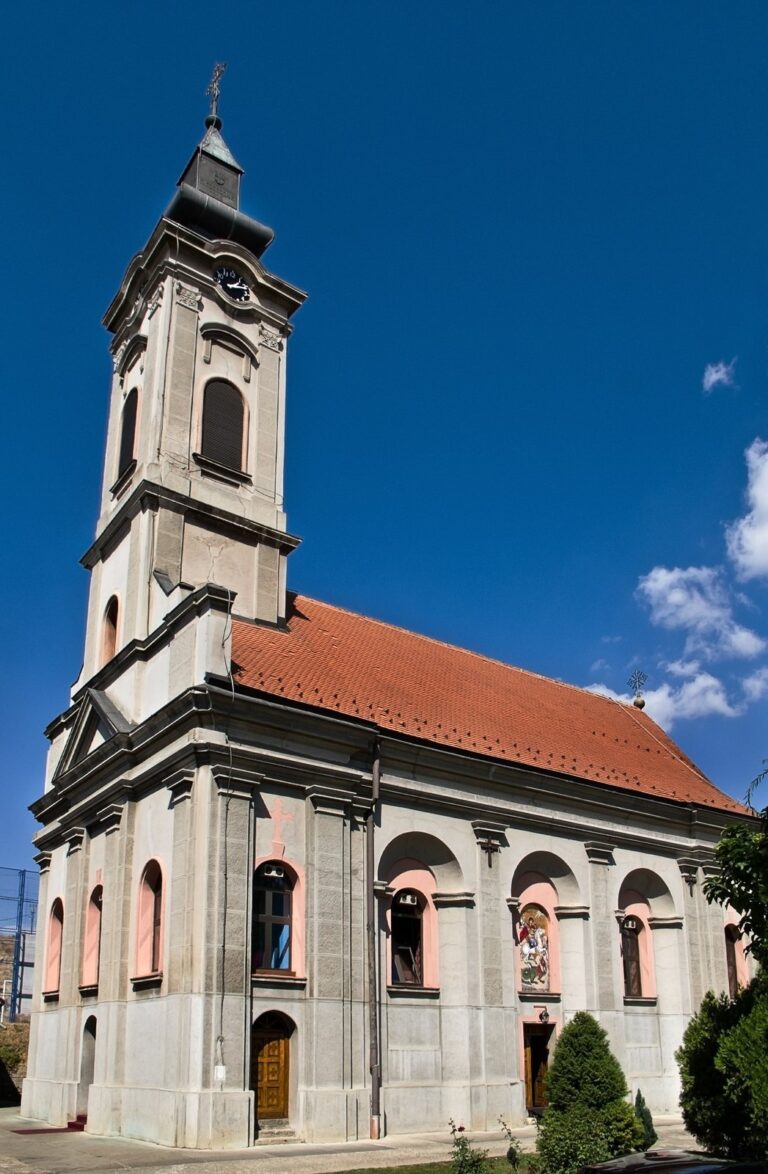
Construction of a new monastery church began in 1890 on the foundations of the church destroyed in 1813. An inscription dates the present church to 1894 and credits a ‘builder from Macedonia.’ Monastery status was restored in 1928, although the estate did not regain its former boundaries.
Modern monastic life and preservation
The monastery was home to monks until 1970, then to nuns until 2018, when a community of monks returned. A new residence was built from 1975 to 1980 on the foundations of the earlier one, through the efforts of Damaskin, the monastic spiritual guide, Abbess Anastasia Spasojević, and Sister Haritina. All three are buried in the monastery courtyard. An arson fire in the residences during the 1980s led to the transfer of many books and other objects to Belgrade.
Professional restoration work took place in 1931–1932 and 1952–1954. The monastery belongs to the Serbian Orthodox Church and the Valjevo diocese. It is protected as a cultural monument in Serbia and is listed among Belgrade’s cultural properties. Its importance includes its evidence for Serbian cultural and historical conditions in the late nineteenth century and the continuity of monastic life around Belgrade since the early fourteenth century.
Remains
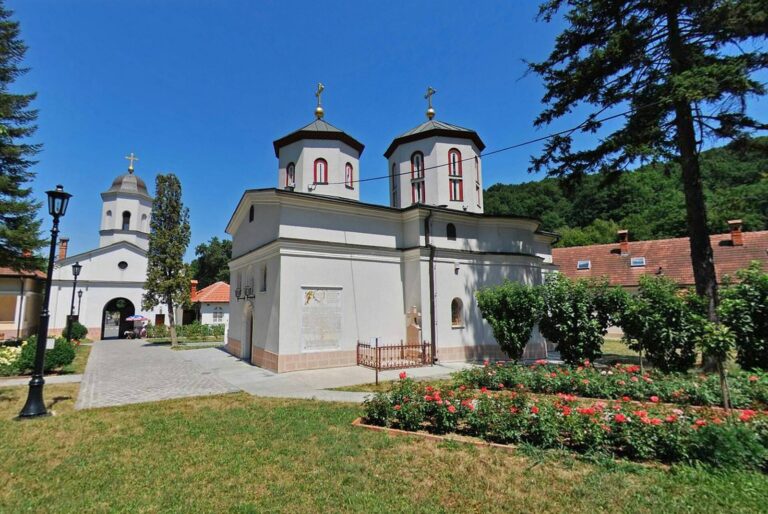
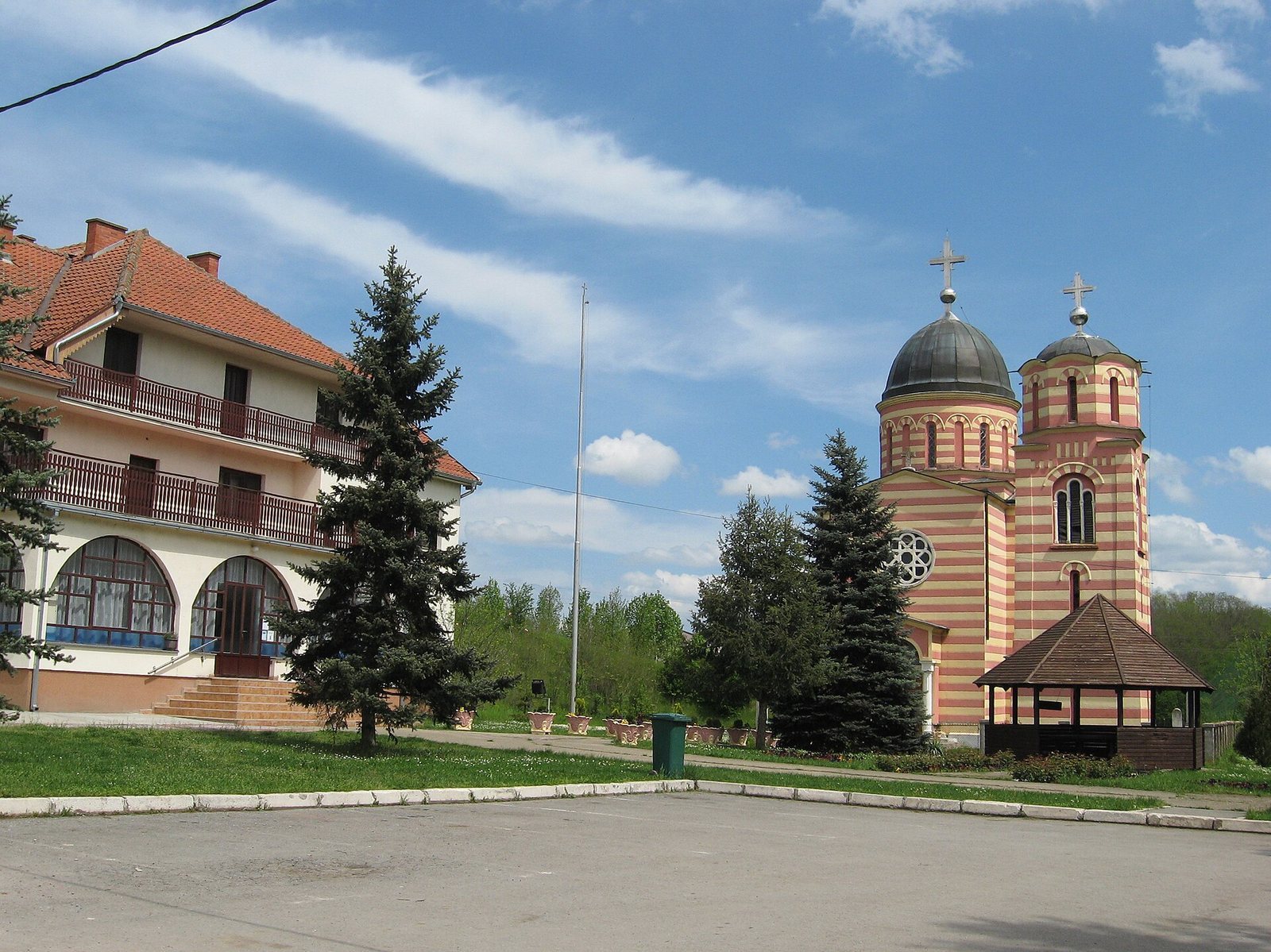
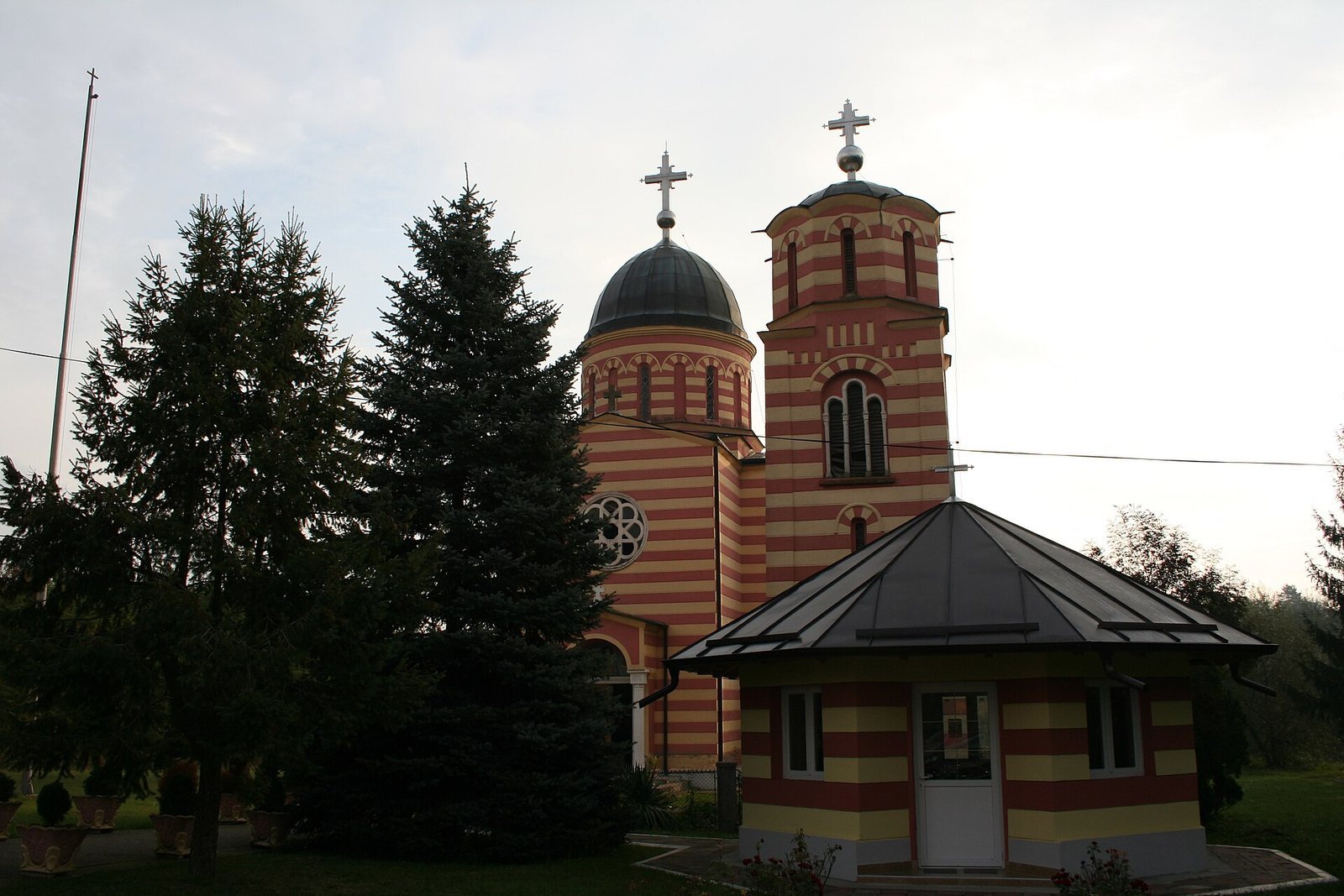
The surviving features include the Church of Saint Nicholas, a chapel beside the spring of Vidan Voda, and the monastery library. The church has a single main hall and a centrally arranged free-cross plan, a cross-shaped layout whose arms define the building’s footprint.
Church of Saint Nicholas
Plan and exterior
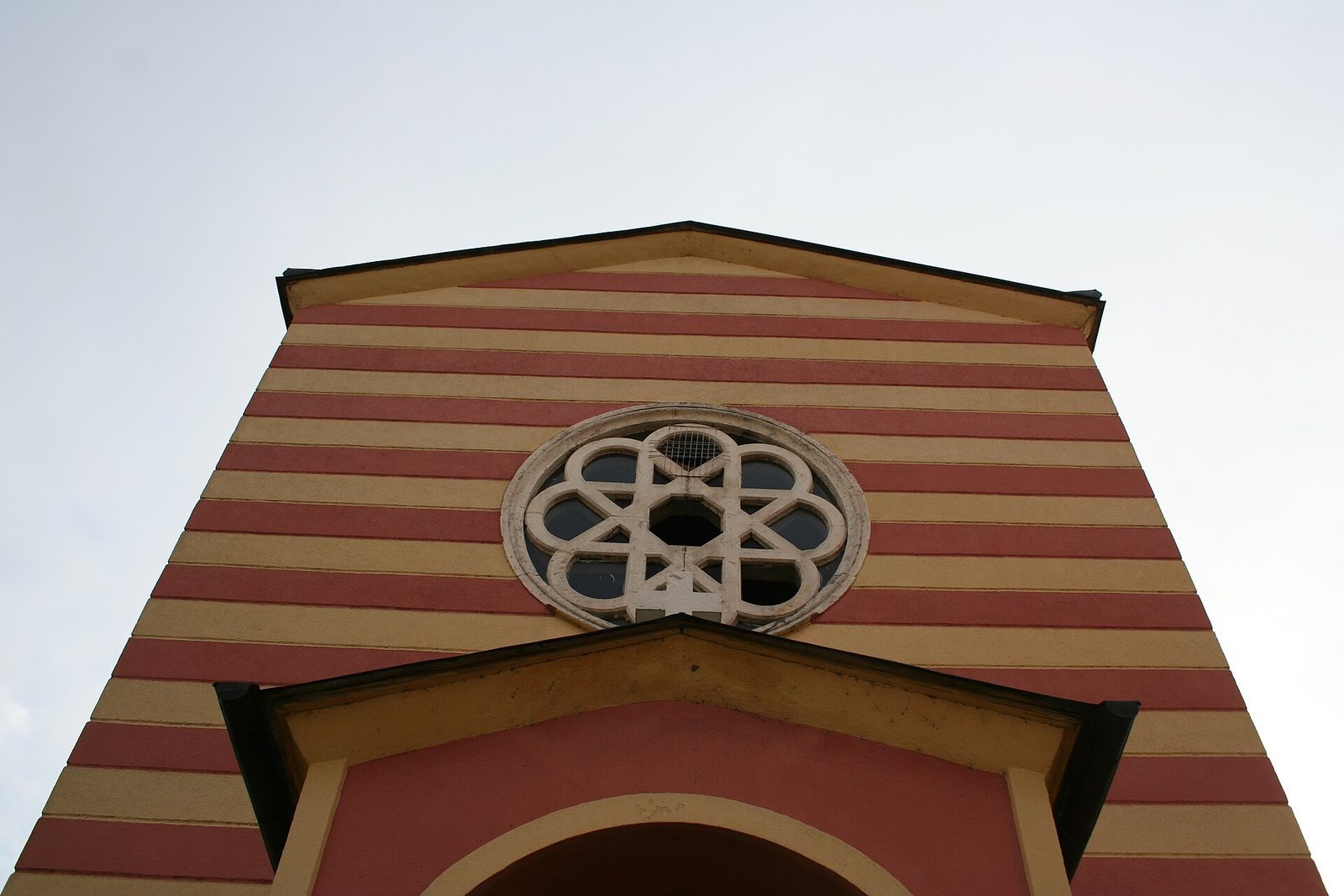
The church’s central dome rises above the main hall. At the eastern end, the sanctuary projection is semicircular inside and three-sided outside. Ochre and red plaster bands alternate across the façades, following examples from medieval Serbian architecture. A porch projects from the western façade on two stone columns and is topped by a large decorative circular stone window. A new cross was placed on the church in 1991, and the façade was renovated in 1993.
Interior and devotional features
The eclectic iconostasis, an icon screen separating the sanctuary from the main worship space, was painted by Živko Jugović in 1893. Interior wall paintings were made between 1988 and 1990 by Lazar Lečić, Saša Savić, and Goran Desančić; the chapel was painted later. The church preserves an icon of the Mother of God of Peć, a devotional image of the Virgin Mary regarded as miraculous, as well as images of Saints Cosmas and Damian, Christian saints traditionally associated with healing, and Saint George, a Christian saint and martyr. A marble plaque commemorates Belgrade’s liberators in 1806 and their gathering at the monastery before setting out for the city.
Vidan Voda spring and chapel
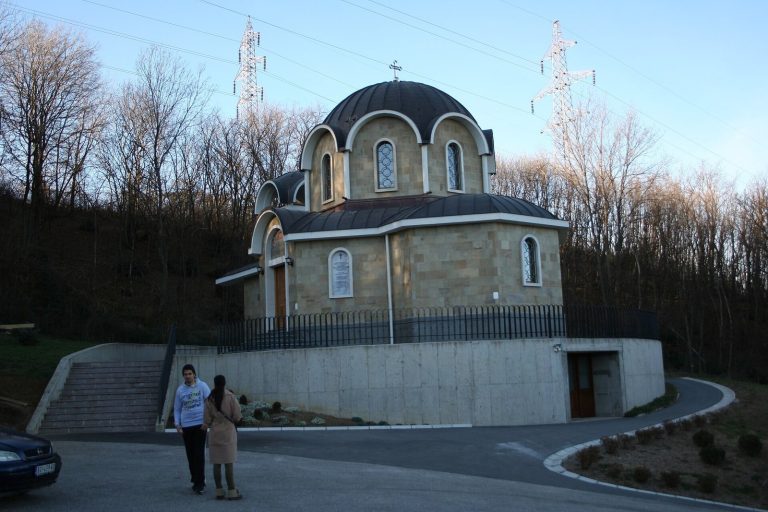
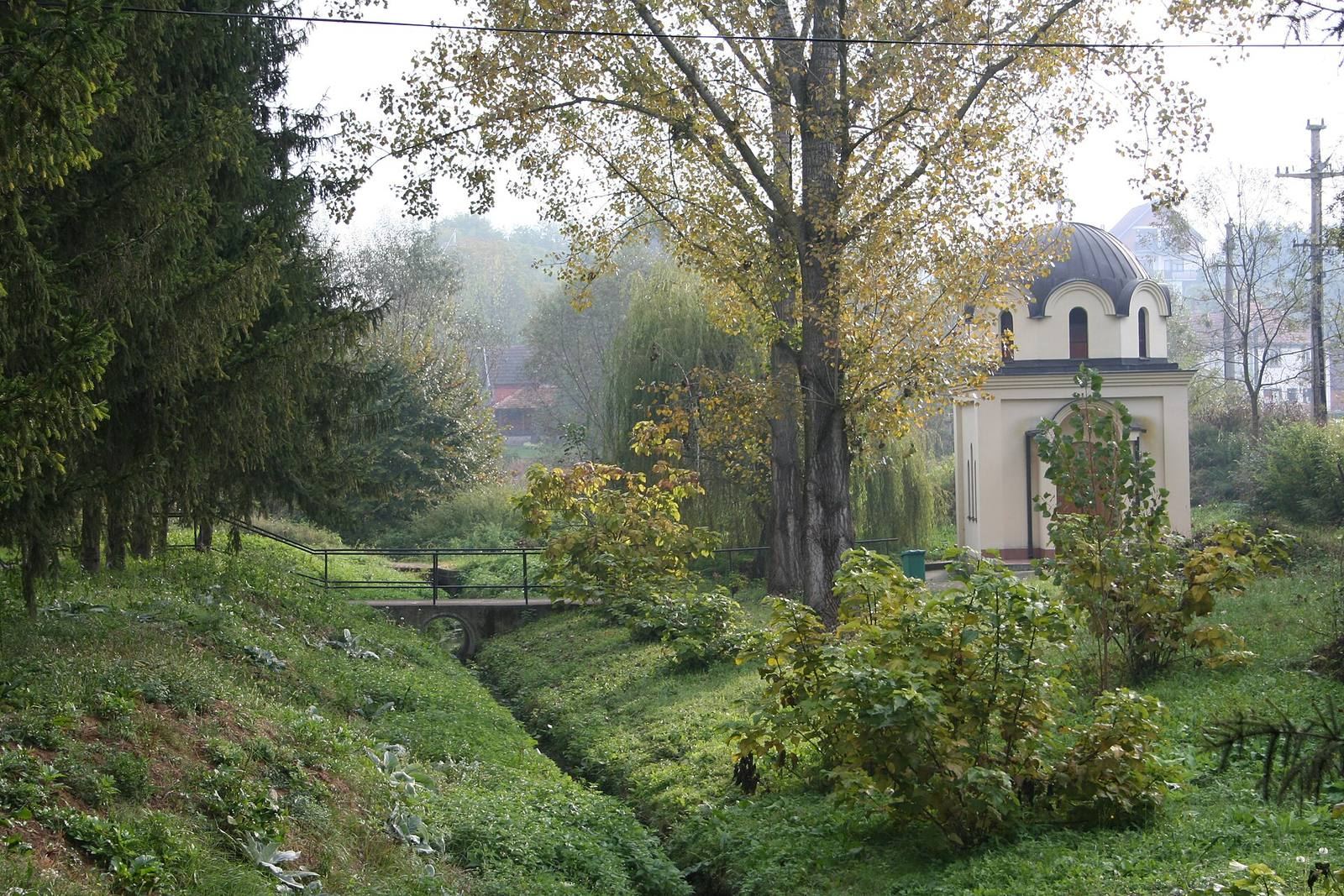
A chapel beside the spring of Vidan Voda is used for baptisms. Local tradition holds that the spring’s mineral water has healing properties. A fountain was installed beside the spring in 1993.
Monastery library
The monastery library has 113 manuscripts, many dating from the period when the Serbian Church gained self-governing status. Its holdings include the fourteenth-century Gospel of Romul and the fifteenth-century Dioptra, a compilation concerning care of the soul.