Komuroyama Kofun: A Keyhole-Shaped Burial Mound in Fujiidera, Japan
Site at a Glance
- Rating
- 4
- Popularity
- Medium
- Country
- Japan
- Primary era
- Classical
- Eras represented
- Classical
- Civilizations
- Yamato
- Site type
- Burial
- Remains
- Burial Mound
On this page6 sections
History
Construction and political setting
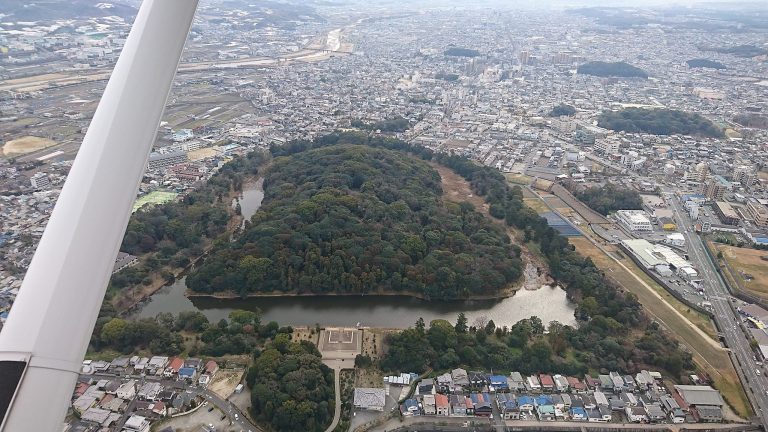
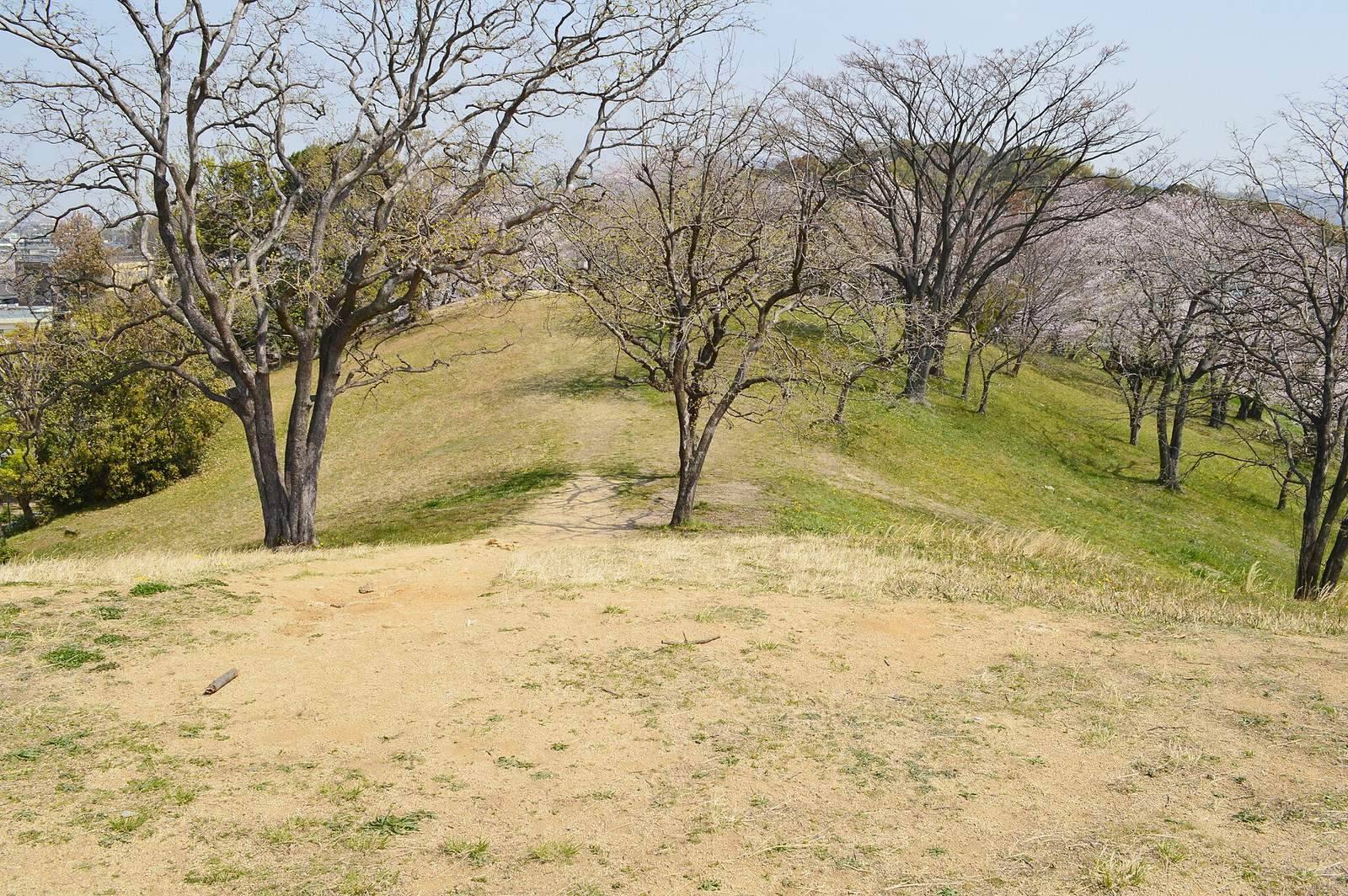
Komuroyama Kofun is a keyhole-shaped burial mound in Fujiidera City, Osaka Prefecture, Japan, probably built in the late fourth or early fifth century during the middle Kofun period, an era of ancient Japanese history associated with large burial mounds. Its likely date is contemporary with Tsudō Shiroyama Kofun, regarded as the earliest tomb in the Furuichi Kofun Group for a sovereign whose title is translated as “Great King.” Komuroyama is large, but smaller than the group’s giant Great King tombs. This relative scale has been interpreted as evidence of political hierarchy within the Yamato polity, an early power centered in the Yamato region.
Surveys and heritage status
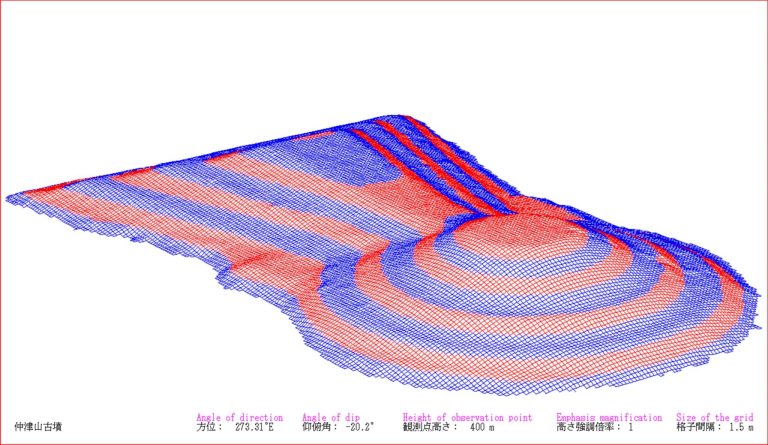
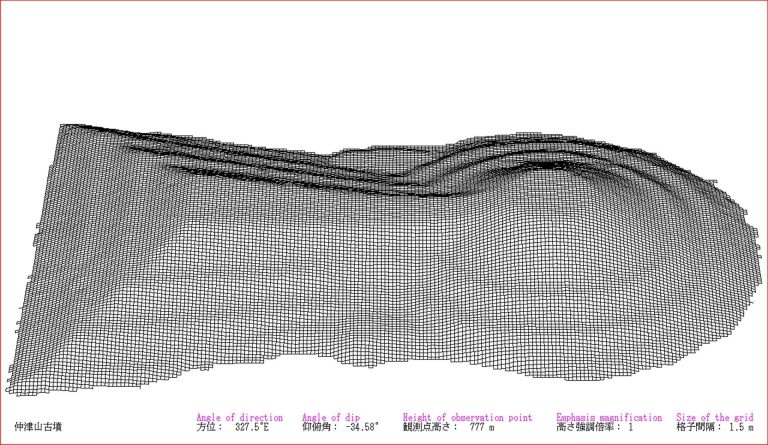
Kōsaku Hamada surveyed the mound in 1900, and Sueji Umehara published a report in 1934. Further mound surveys followed in 1960 and 1980. Investigations took place at the rear mound’s edge in 1984 and among underground remains during nearby house rebuilding in 1985. An aerial laser survey map was produced in 2015. In 1956, Komuroyama and four other tombs received National Historic Site designation as the Komuroyama Kofun Group. In 2001, the designation was combined with others, Aoyama and Bansho-yama tombs were added, and the name became Furuichi Kofun Group. The group forms part of the UNESCO World Heritage property Mozu-Furuichi Kofun Group: Mounded Tombs of Ancient Japan.
Remains
Mound and enclosure
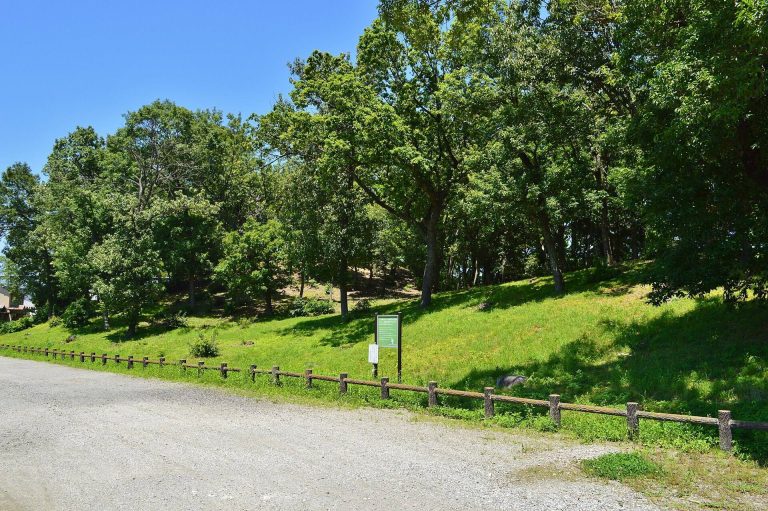
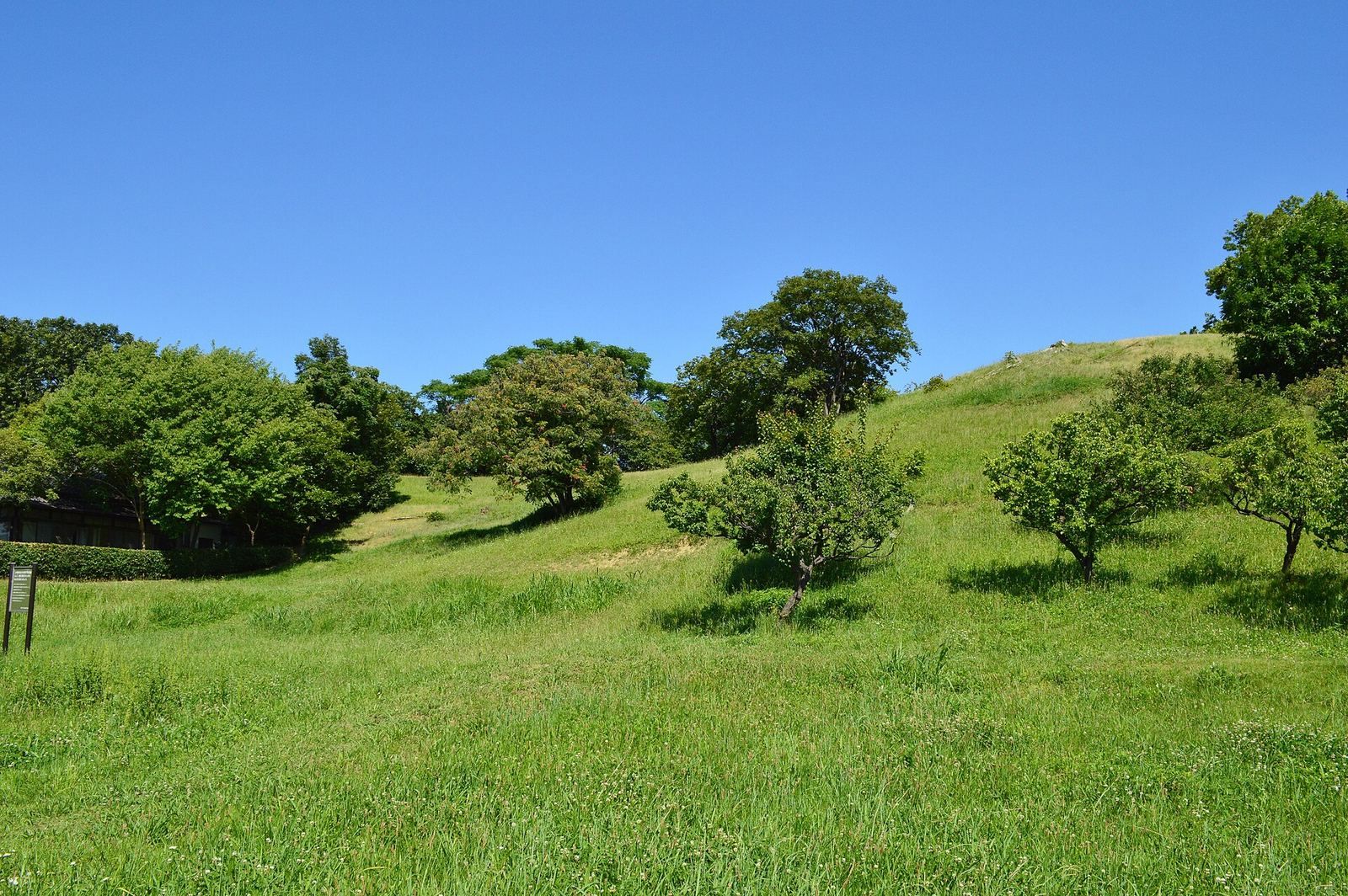
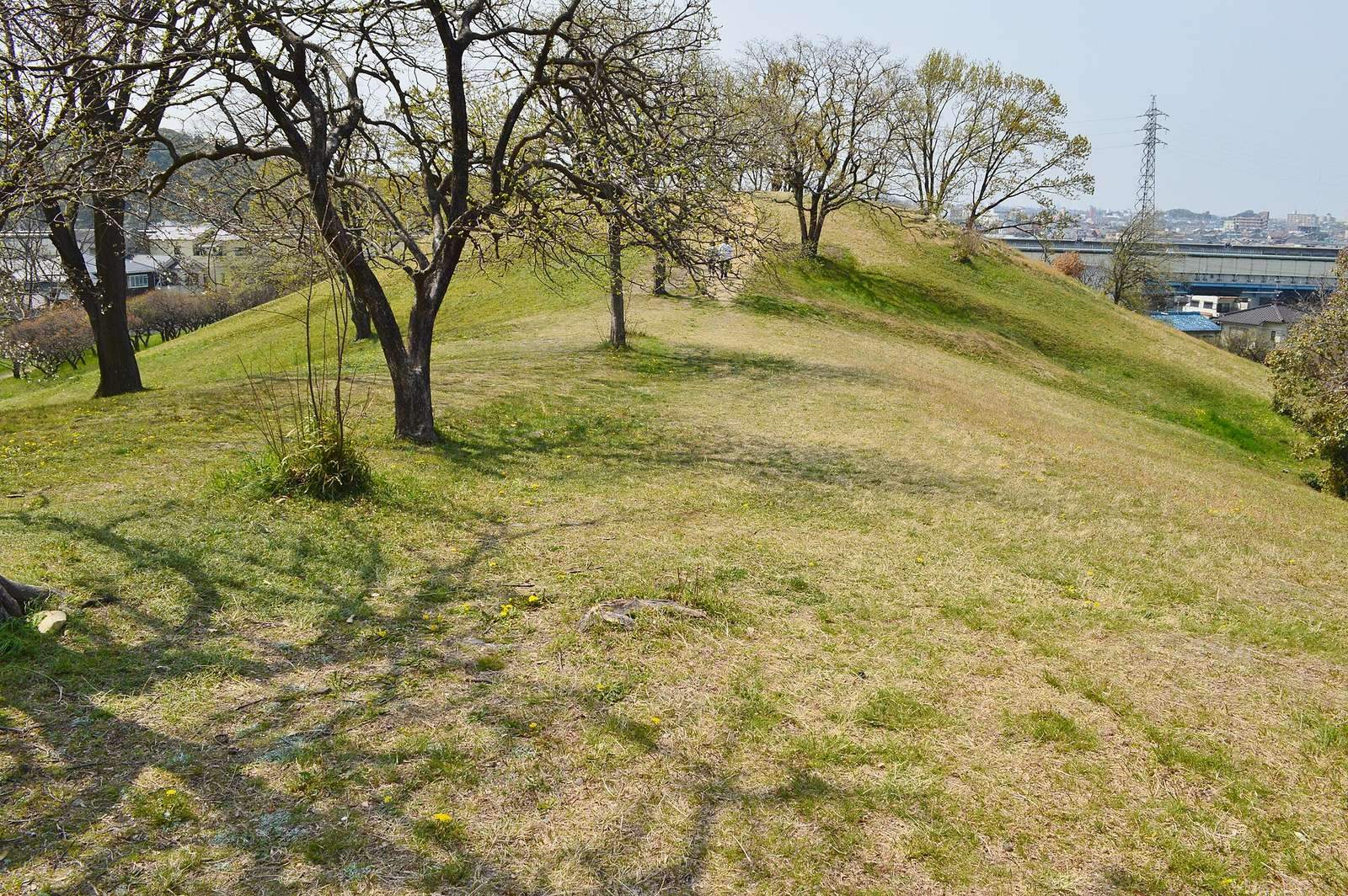
The mound stands on the middle terrace of the Kokufu Plateau. Its front points northeast, and the keyhole-shaped structure measures about 150 metres in length. It has three tiers, with the rear circular section rising about 15 metres. A moat and embankment surround the mound; stone facing covers the mound’s exterior and the embankment’s inner slope.
Haniwa and burial evidence
A projecting platform extends from the eastern side of the mound’s narrow middle section. Finds from the exterior include rows of cylindrical haniwa, clay objects placed on or around burial mounds, as well as examples shaped like houses, shields, quivers, canopies and helmets. Slab stones at the summit of the rear mound suggest that its burial chamber may have been built in a pit and lined with stone.