John Halle’s Hall: A Late-Medieval Hall House in Salisbury
Site at a Glance
- Rating
- 5
- Popularity
- Very Low
- Country
- United Kingdom
- Primary era
- Medieval
- Eras represented
- Medieval, Early Modern, Modern
- Civilizations
- British, English
- Site type
- Domestic
- Remains
- House
On this page5 sections
History
John Halle and civic Salisbury
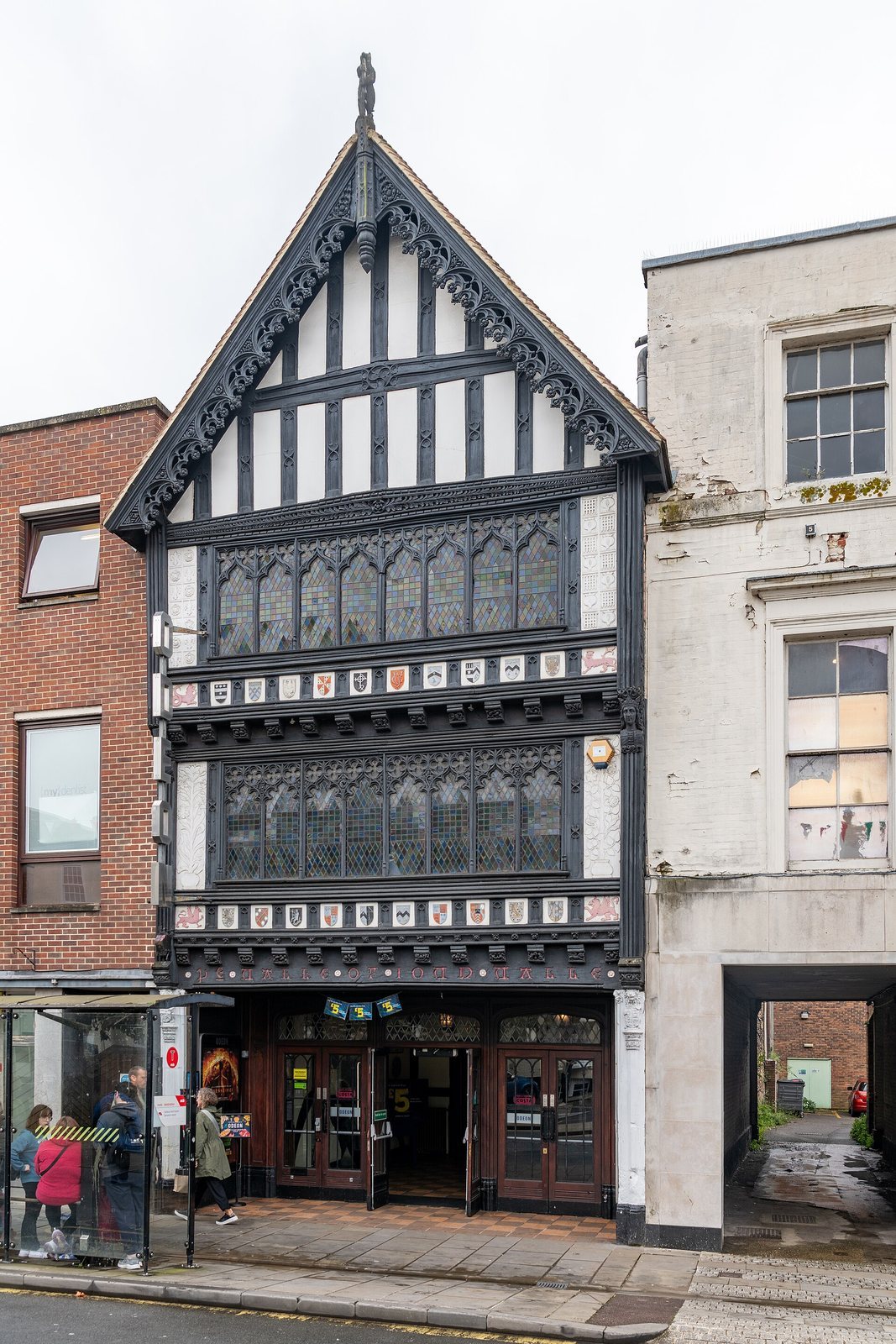
John Halle’s Hall is a late-medieval hall house in central Salisbury, United Kingdom, built between 1470 and 1483 for the wealthy wool merchant and civic leader John Halle. Halle may have been the son of Thomas Halle, who served on Salisbury’s municipal governing body from 1436 to 1440. John joined the city’s Common Council in 1446, became an alderman in 1448, and served as constable of New Street Ward, a local ward officer, in 1449. He was elected mayor in 1451, 1458, 1460, 1461 and 1465, and died on 18 October 1479.
Construction and later use
By 1455, Halle owned property beside the Ditch, also called New Canal, and on Carternstrete, now Catherine Street, to the east. He bought the plot for his hall house in 1467. The building received additions in the 16th, 19th and 20th centuries before being adapted for use as a cinema. John Halle’s Hall is Grade I listed, the highest category in England’s listed-building system.
Remains
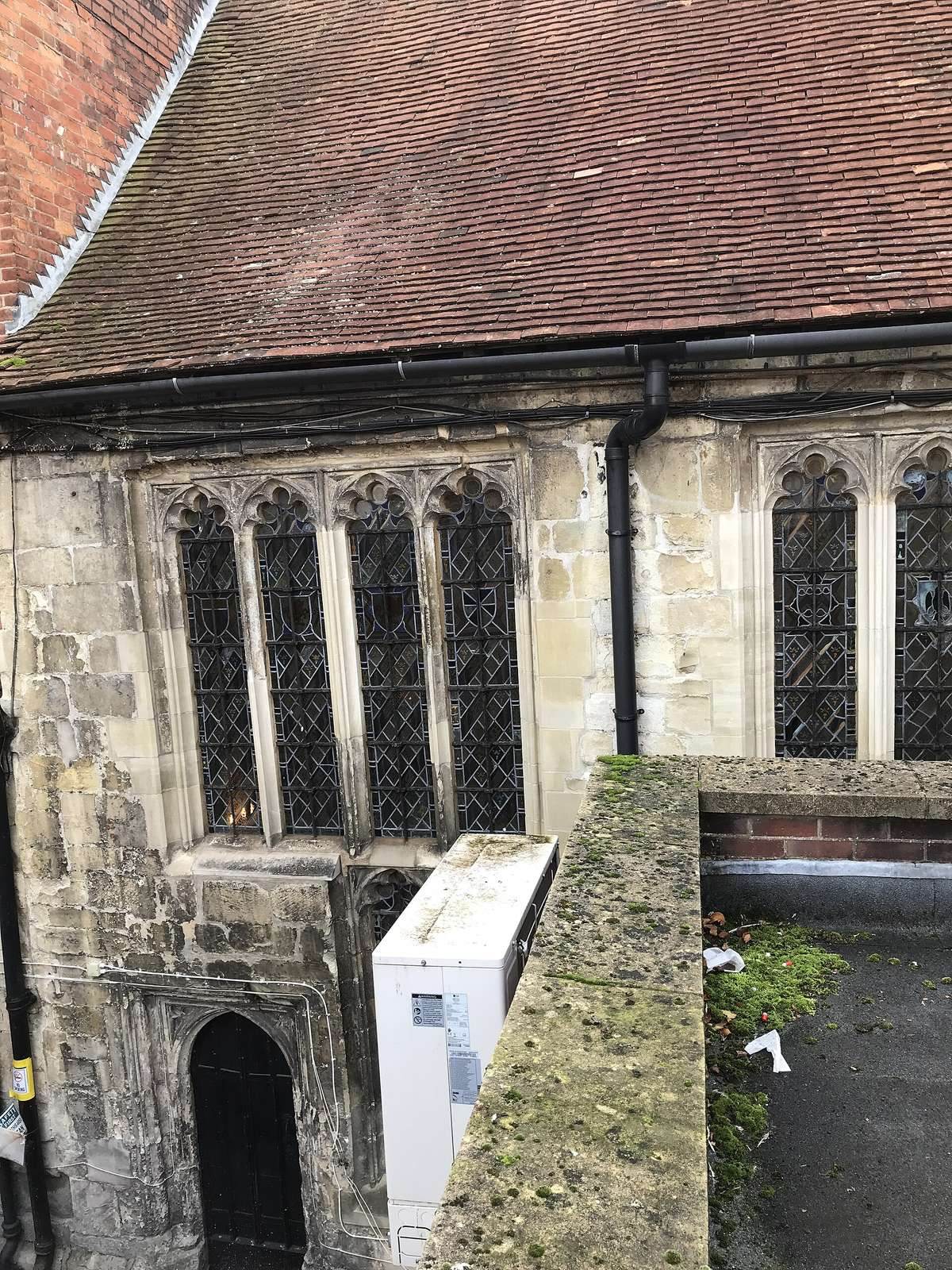
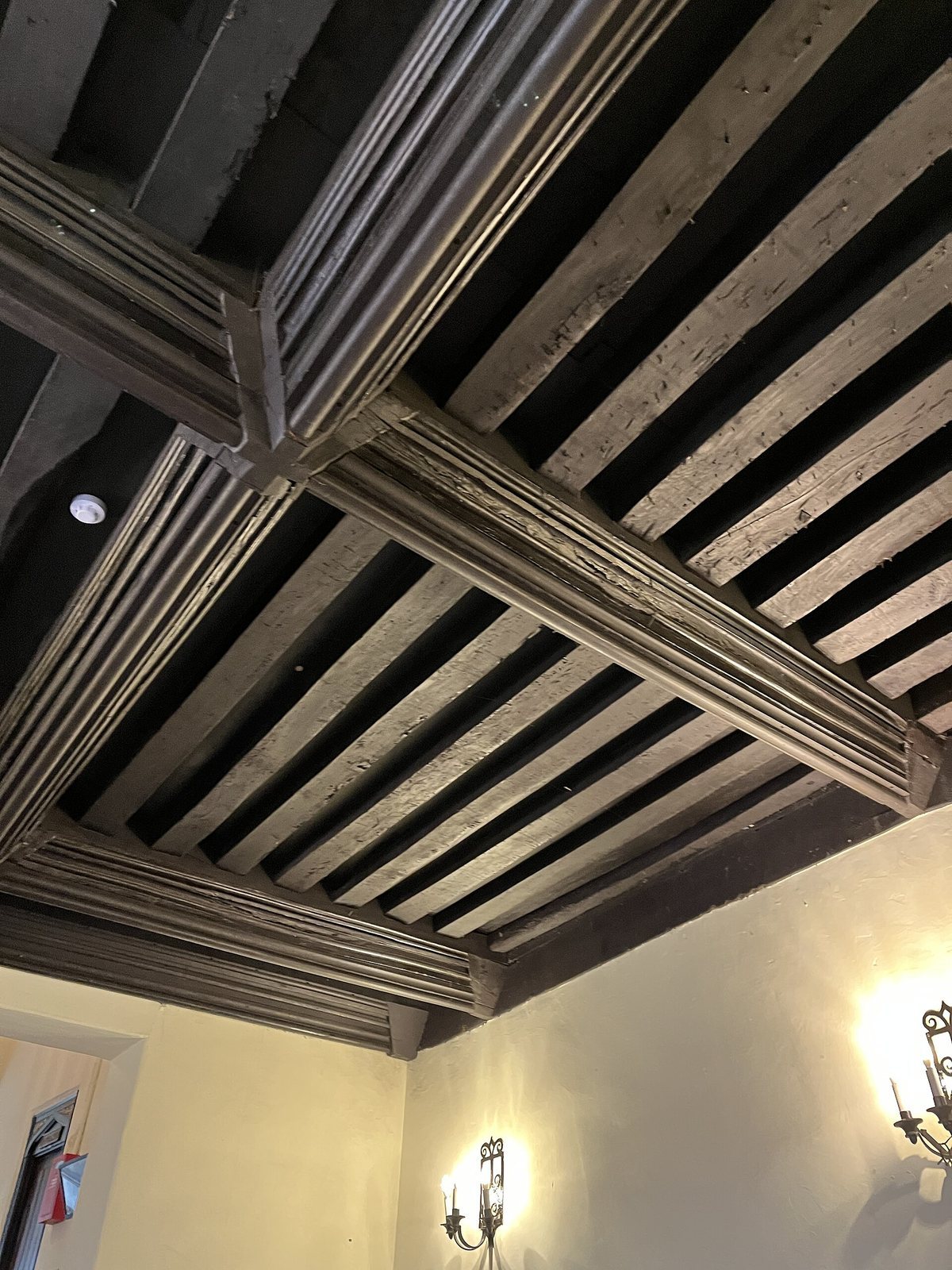
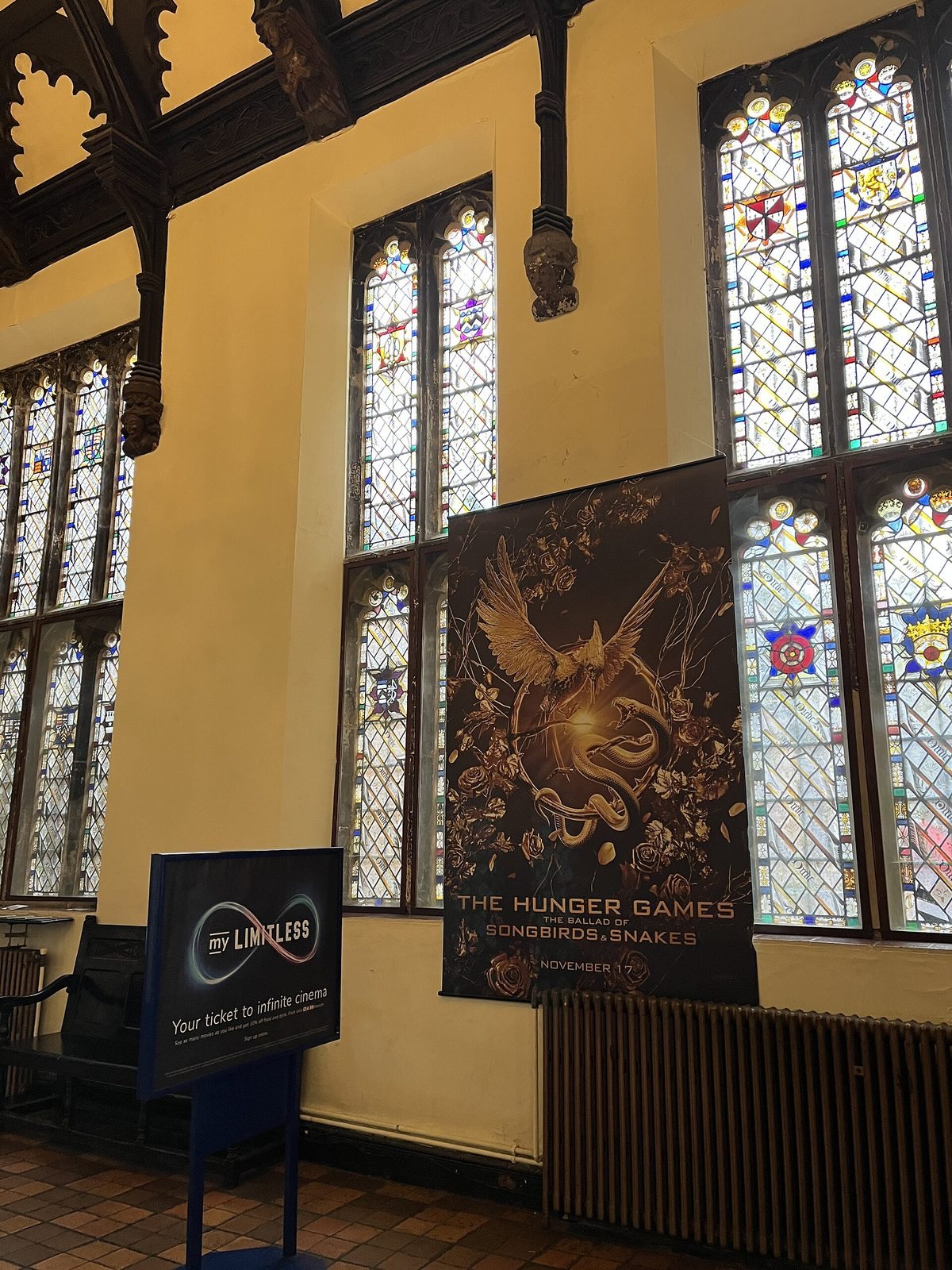
The hall house and cinema
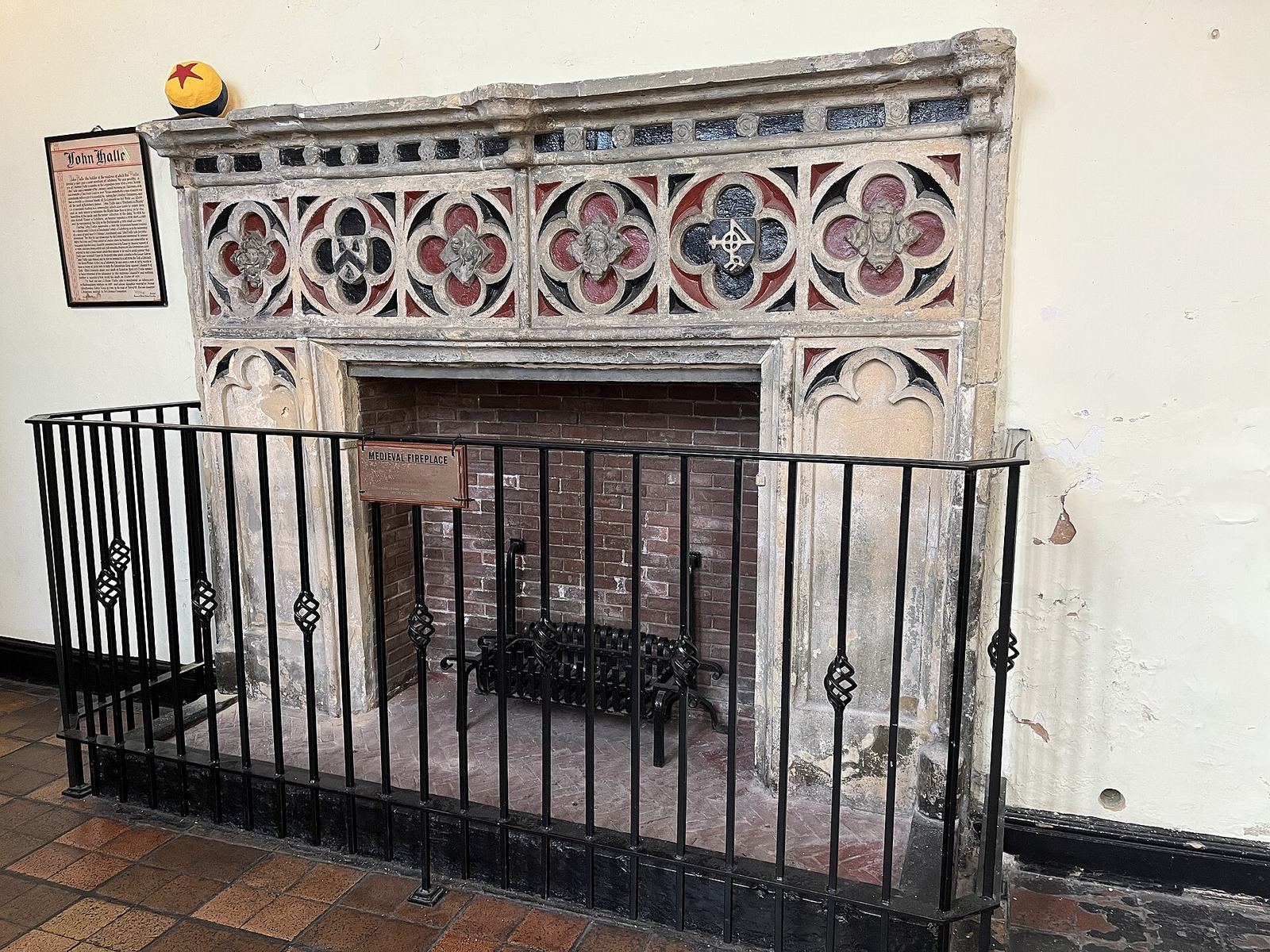
The surviving ground-floor rooms form a north-to-south sequence within the late-medieval hall house. At the north end, the entrance room contains a minstrels’ gallery, an elevated platform traditionally used by musicians or entertainers; the room now serves as the cinema’s entrance lobby and ticket office. Beyond it are the main hall and a smaller inner room with a lower ceiling. A Victorian street façade, added in 1880 and 1881, uses timber framing in a mock-Tudor style, a revival that imitates features associated with Tudor buildings. The cinema’s main screening room, built in 1931, stands behind the foyer. Architectural historian Nikolaus Pevsner described the combination of the cinema, its emphatically Tudor-like façade and the surviving house as a curiosity.