St Giles’ Church, Imber: A Medieval Church in a Military Training Area
Site at a Glance
- Rating
- 4.7
- Popularity
- Medium
- Country
- United Kingdom
- Primary era
- Medieval
- Eras represented
- Medieval, Early Modern, Modern
- Civilizations
- British, English
- Site type
- Religious
- Remains
- Church
On this page8 sections
History
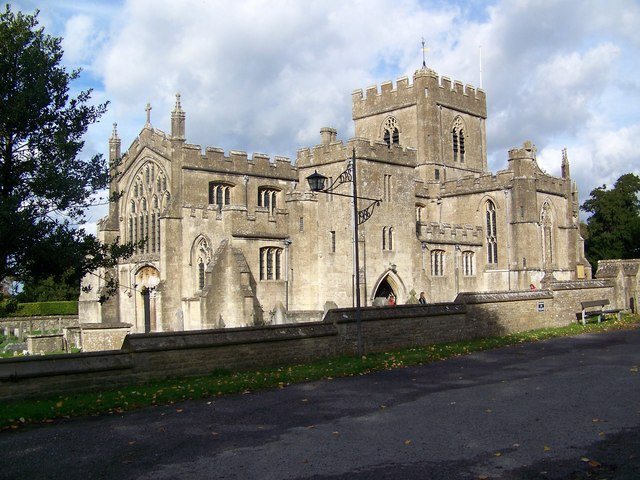
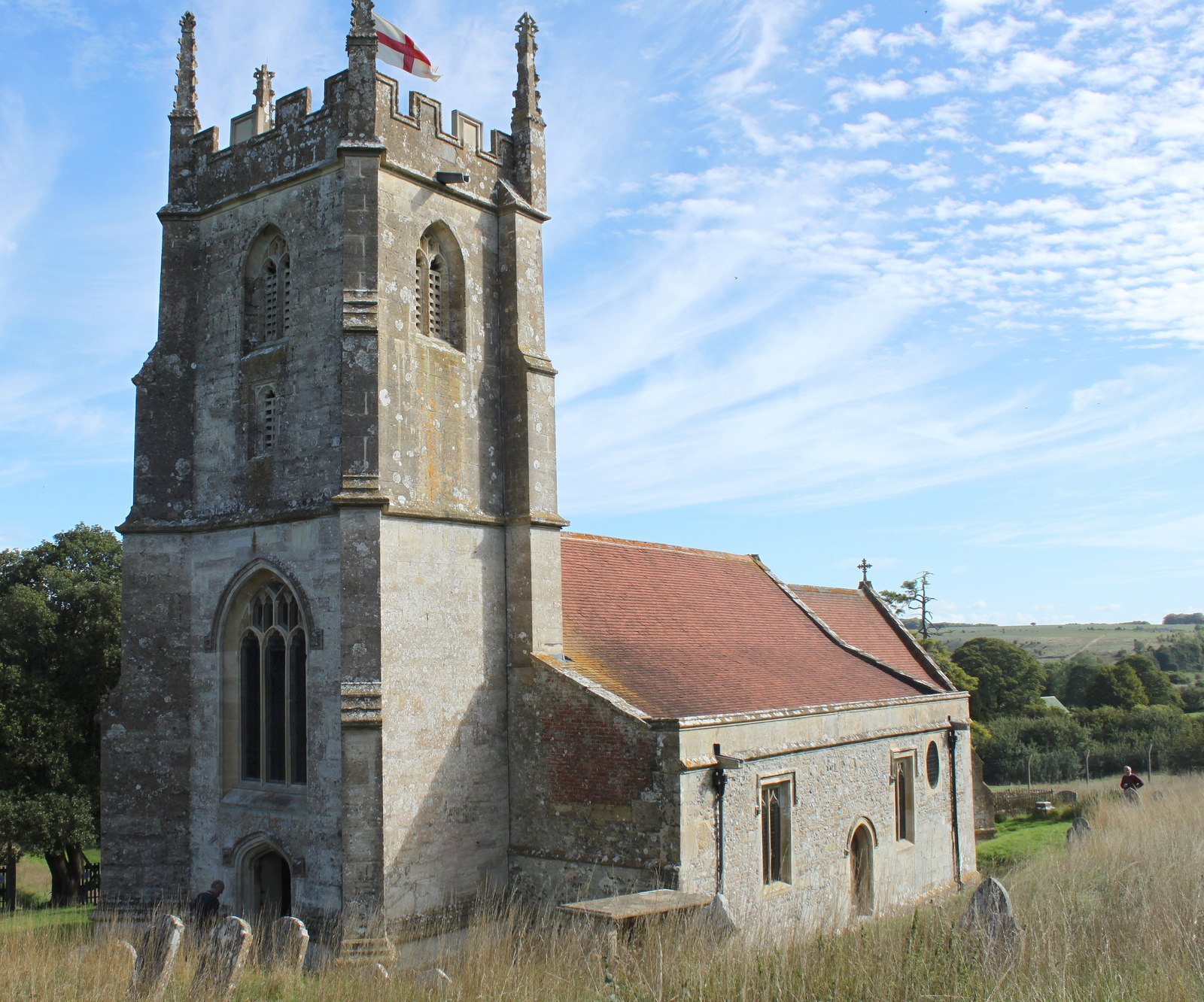
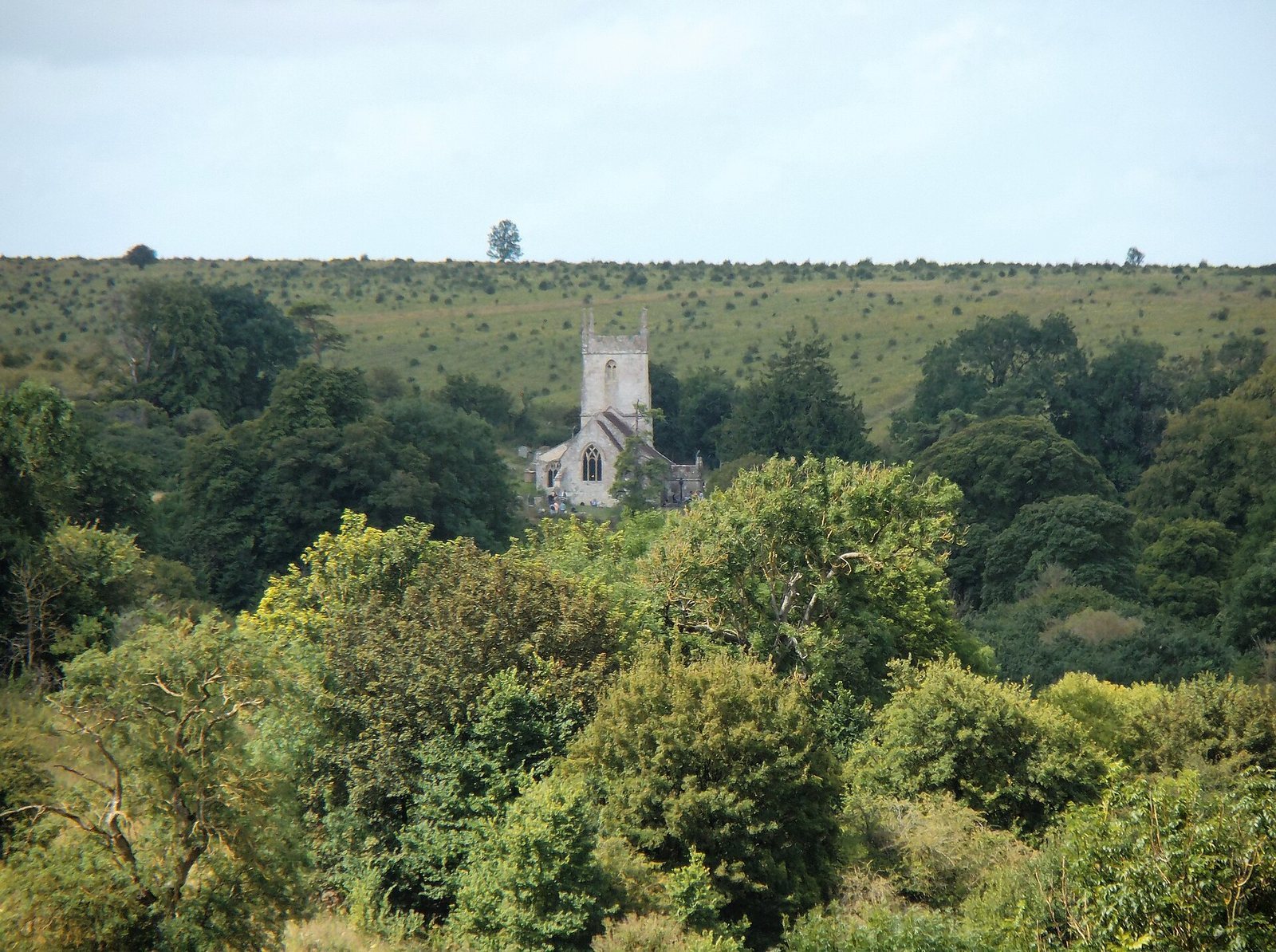
St Giles’ Church, Imber, is an Anglican church in the United Kingdom, combining Romanesque architecture, associated with rounded arches and substantial masonry, with English Gothic forms, especially pointed arches. A church stood on the site by the mid-twelfth century, and the building served Imber until the village’s evacuation in 1943.
Medieval origins and rebuilding
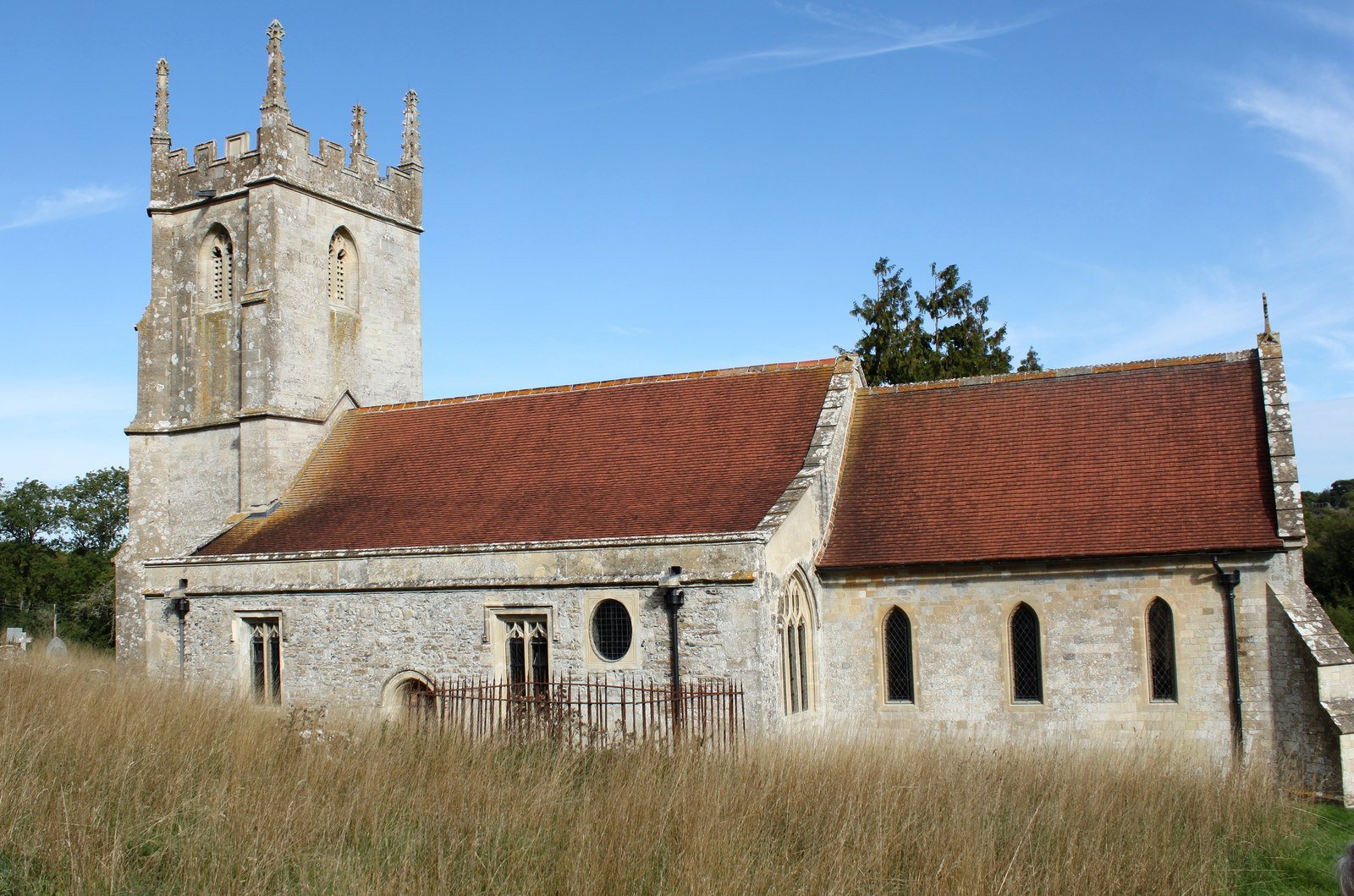
Imber was established by the tenth century and appears in a document dated 967. It formed part of the Edington estate and belonged to the abbess of Romsey, the head of a community of nuns, before passing to other lords. The church on the site by the mid-twelfth century was replaced by the present building. Its nave, the main body of the church, was rebuilt in the late thirteenth century.
During the fourteenth century, around 1400, north and south aisles, side spaces beside the nave, were added, along with the tower and north porch. The nave roof was also rebuilt in this phase. Extensive work in the nineteenth century included rebuilding the chancel, the area around the altar, and adding a northeast vestry, a room for clergy and church furnishings, in 1849.
Military expansion and evacuation
Military activity around Imber increased in the late nineteenth century and grew further during the First World War. Troops were quartered at Imber Court in 1916. From 1927, the War Office, the British government department responsible for the army, acquired land and leased it to farmers. By 1932 it owned all the village’s agricultural land.
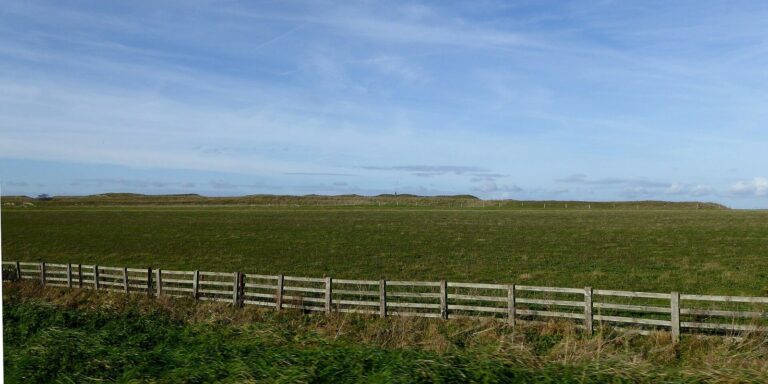
In November 1943, the entire civilian population was forced to leave so Imber could be used as an exercise area for American troops preparing for the invasion of Normandy. Residents were not allowed to return after the war, and the village remained within a British Army training area on Salisbury Plain.
Church stewardship after 1943
Unlike the rest of the parish, the church and graveyard remained in the Diocese of Salisbury, the Church of England district overseen by a bishop, although the Ministry of Defence controlled access. For Church of England administration, Imber’s local ecclesiastical parish was incorporated into that of Edington to the north. In the early 1950s, the War Office undertook to keep the church in minimal repair while its future was considered.
By 2001, extensive repairs were needed. The Edington-with-Imber Parochial Church Council sought to end the church’s regular worship role because access for services was effectively limited to once a year. St Giles’ was declared redundant on 1 November 2002, and responsibility returned to the Diocese of Salisbury. It was listed at Grade I in 1987, the highest category for historic buildings in England, reserved for buildings of exceptional interest.
On 14 September 2005, the church passed to the Churches Conservation Trust, a charity that cares for historic churches no longer used for regular worship. With Ministry of Defence support, the Trust undertook extensive work, and restoration began in 2008. Former residents have continued to be buried in the churchyard. Ray Nash, whose family had left Imber in 1936, was buried there in 2023; the previous funeral had taken place a decade earlier.
Remains
Plan and construction
Dressed limestone forms the church, whose plan includes a nave and chancel, north and south aisles, a north porch, and a northeast vestry. The tower is topped by five pinnacles. Lightning struck the tower in 2003 and weakened it; it was subsequently included in the restoration work.
Surviving interior features
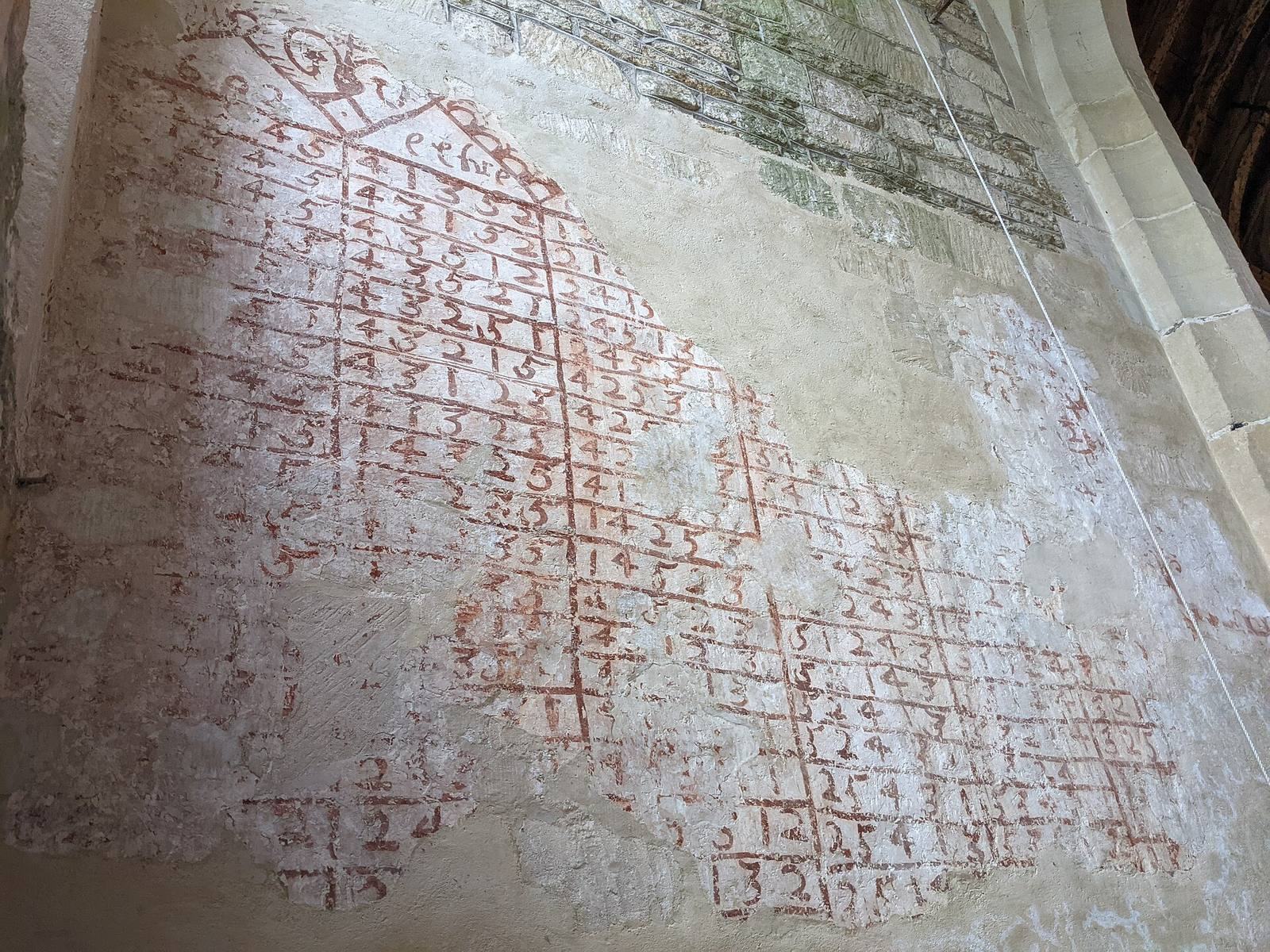
Wall paintings survive inside the church, including examples dated to the thirteenth and fifteenth centuries. A painted set of seventeenth-century bell-ringing changes appears on the tower’s north wall. These changes are sequences created by varying the order in which bells are rung. Memorial monuments are also preserved inside. A ring of six bells was installed in August 2010, after the restoration.
Dispersed furnishings
After the 1943 evacuation, furnishings and fittings were removed and distributed among other churches. The font went to Brixton Deverill and the pulpit to Winterbourne Stoke. Seating, a bell, and two effigies, sculpted representations of people used as memorials, were taken to Edington Priory.