Kacapun Monastery: A Serbian Orthodox Monastic Complex
Site at a Glance
- Rating
- 4.9
- Popularity
- Medium
- Country
- Serbia
- Primary era
- Medieval
- Eras represented
- Medieval, Early Modern
- Civilizations
- Ottoman, Serbian, Serbian Despotate
- Site type
- Religious
- Remains
- Monastery
On this page11 sections
History
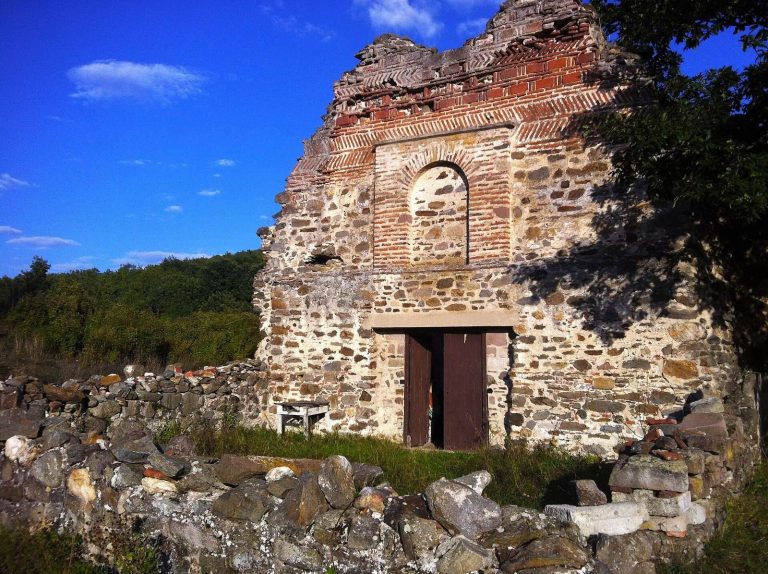
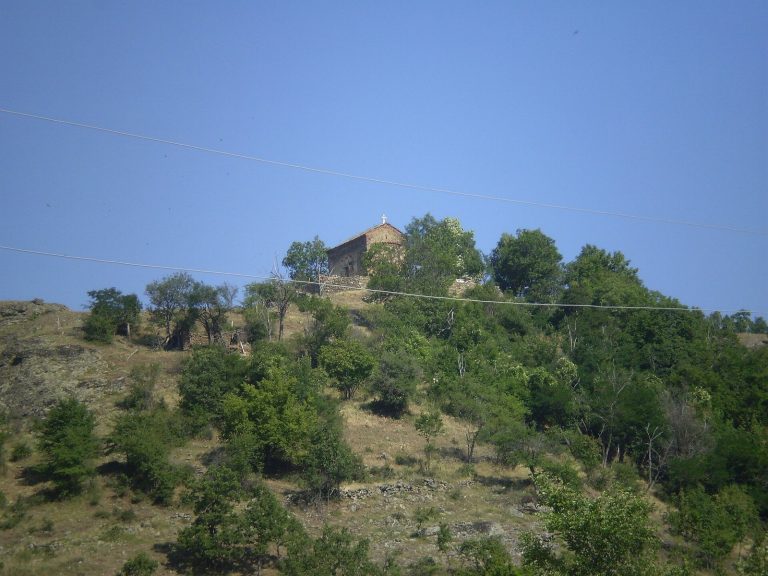
Kacapun Monastery is a Serbian Orthodox monastery on a small plateau near the beginning of the Lepenička River gorge in Serbia, about 10 km southwest of Vladičin Han. Dedicated to Elijah, an Israelite prophet revered in Christianity, it is affiliated with the Diocese of Vranje. Tradition places its foundation in the 13th century and links it to the Nemanjić dynasty, a medieval Serbian ruling house associated with the development of Serbian Orthodox institutions. The monastery stood on the site of an older monastery, and its position on the route to Hilandar, a Serbian Orthodox monastery on Mount Athos in Greece, is connected with the tradition of Nemanjić patronage. The church’s modest architecture, however, is characteristic of the early 15th century, casting doubt on the traditional foundation date.
Restoration and monastic life
Local villagers and their advisers restored the church in the early 17th century. Monastic life later ceased for about a century, but the monastery is active today. At one time, its community included as many as 300 monks.
A tradition recorded in 1908 places a further restoration around 1828 and names a priest, Stefan, as responsible. It says that the church then acquired its dedication to Elijah and became a monastery fairly soon afterward. Another tradition holds that Ottoman conquerors spared the monastery because they feared Elijah as a prophet and saint.
Nineteenth-century records and protection
Donation notes refer to the monastery as dedicated to Saint Elijah. One records Rista’s gift of an ox from the village of Sukašarak; another, dated 1838, records a gift of 100 oka by Rista Stojanov. An oka was a historical measure of weight or capacity whose modern equivalent varied. In 1889, the monastery’s property included seven hectares of arable land and 38 hectares of forest, a record of its poverty.
Serbia listed Kacapun Monastery as a protected cultural monument on 18 March 1983.
Remains
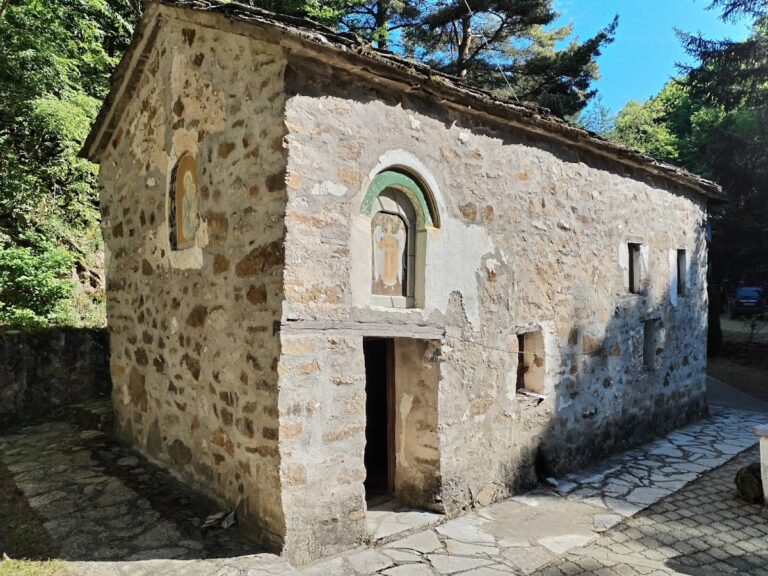
The complex stands on a small plateau beside the Toplica stream. The stream runs by both the church and the monastic residence and was once bordered by 20 mills. Crayfish and other river life indicate the water’s cleanliness. The church, the complex’s main surviving building, has a single main hall with a sanctuary at one end and an entrance vestibule.
Church and monastic buildings
Church structure
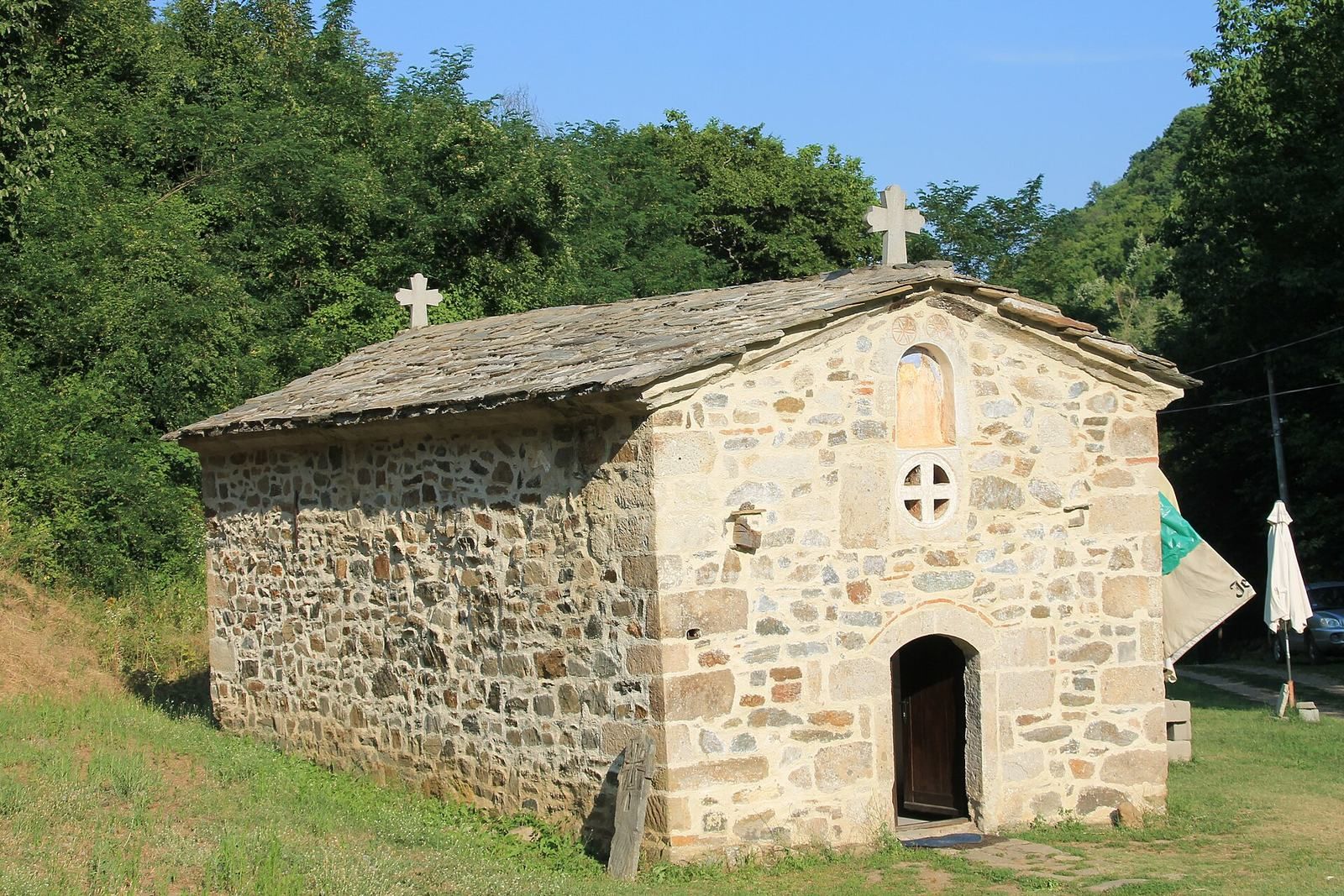
The church’s walls are made of roughly dressed stone blocks set in mud mortar and whitewashed on the outside. A projecting cornice is formed from shaped stone blocks. The interior has a main body, or nave, an altar space at the sanctuary end, and a narthex, an entrance vestibule. Its curved, barrel-shaped ceiling is reinforced by wooden beams: two are visible in the nave and altar area, and three in the narthex. The small doorway requires entrants to bow as they pass through.
Monastic residence
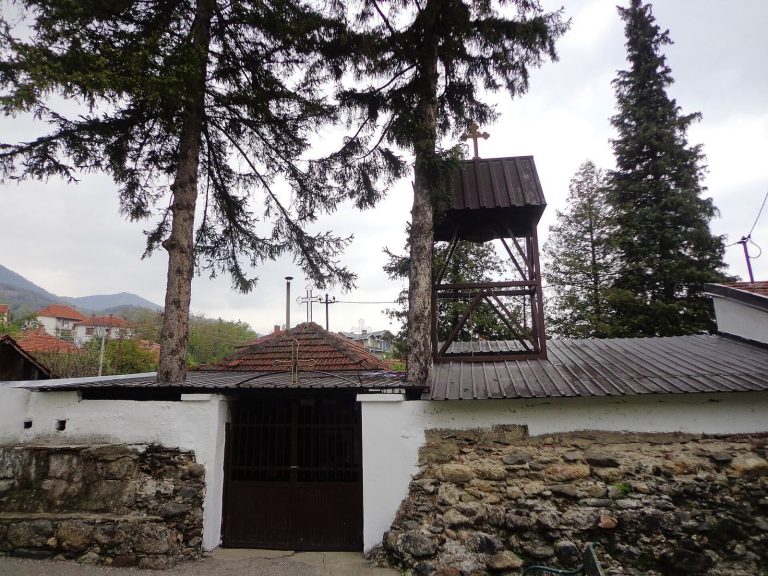
The former residence was about 30 m long and had a ground floor, an upper storey, and a bell tower. The old building collapsed through age, while its bell tower has since been rebuilt.
Painted decoration
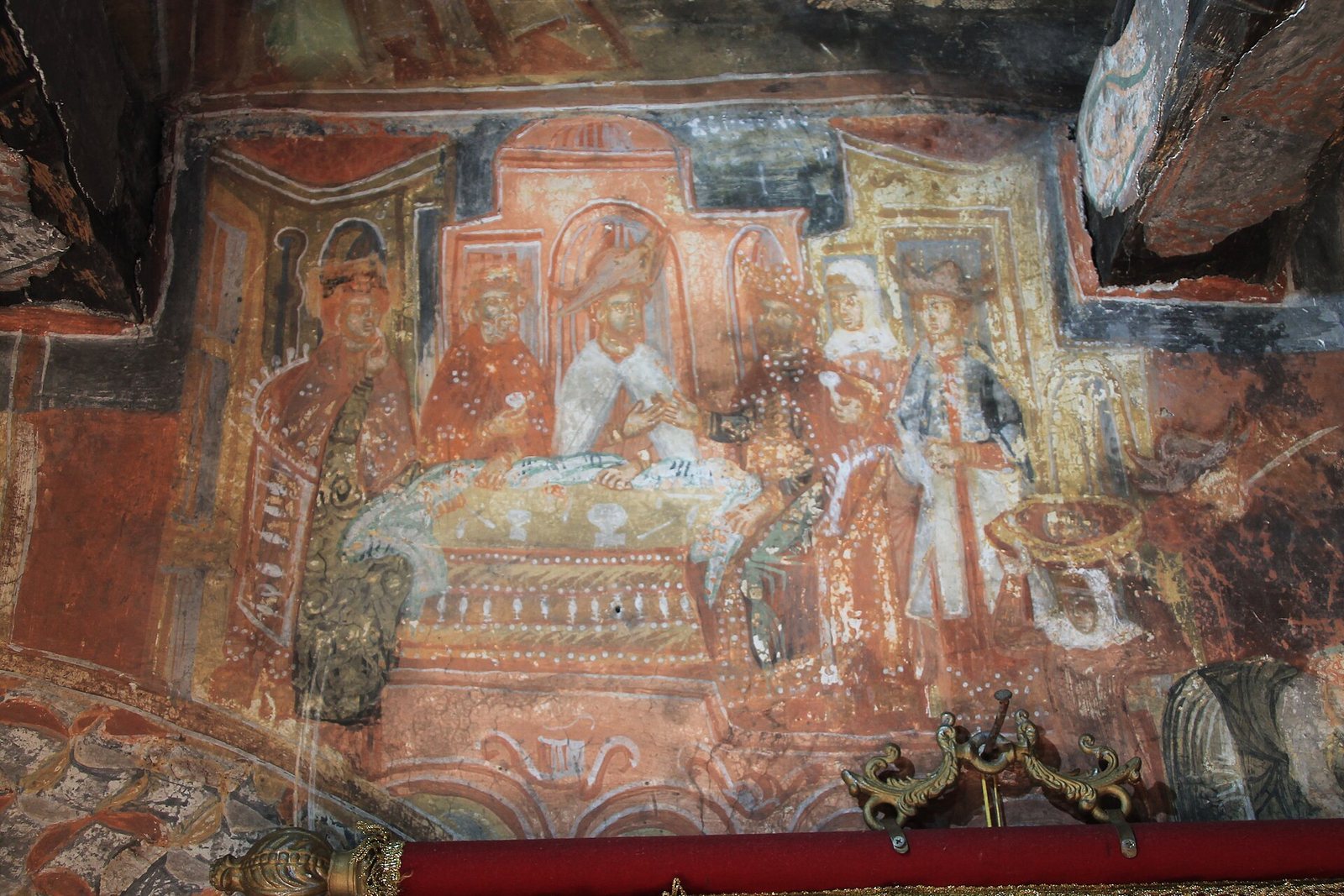
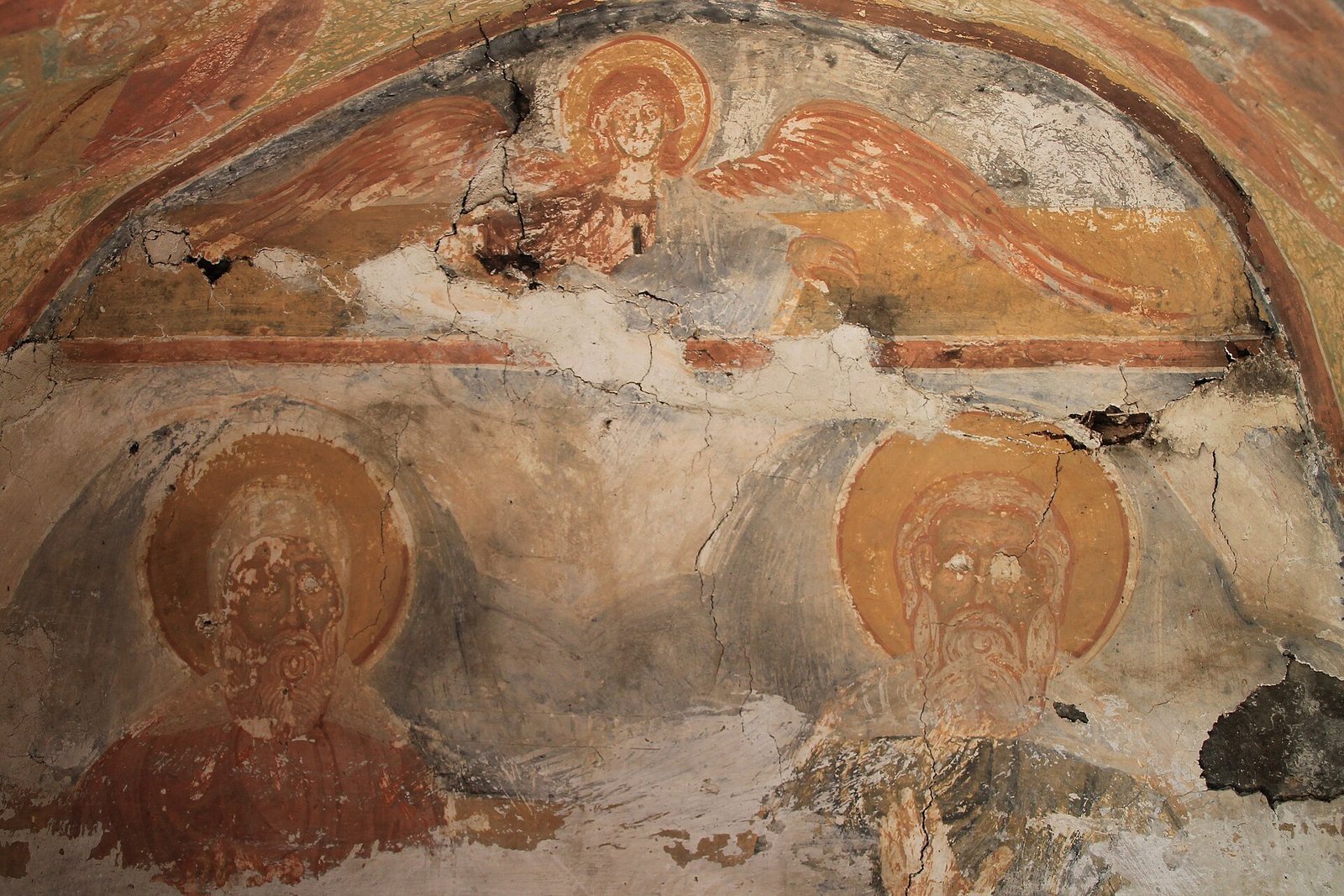
The church’s walls and vaulted ceilings were painted in a style characteristic of Serbian art in the first decades of the 17th century. The paintings are damaged, particularly in their lower areas, but their general arrangement remains discernible.
Narthex
The north wall is divided into three painted zones. The first combines standing figures and medallions, including Saint Simeon Nemanja, a medieval Serbian ruler associated with the founding of the Nemanjić dynasty, and Saint Sava, a Serbian Orthodox monk and church leader. Busts and fragments of two smaller scenes occupy the second zone, while the third shows Christ’s miracles. On the badly damaged east wall, paintings in the first two zones are covered by plaster and whitewash. A niche above the doorway contains an image of Elijah, the church’s patron. The south wall’s first zone is dominated by a fiery river, with dozens of people struggling to escape its waves.
The narthex ceiling is divided into three rectangular panels. They show the Virgin praying with raised arms, Christ Emmanuel, and Christ under the title Angel of Great Counsel. Eight large prophets appear on each side of the central panels.
Nave and entrance
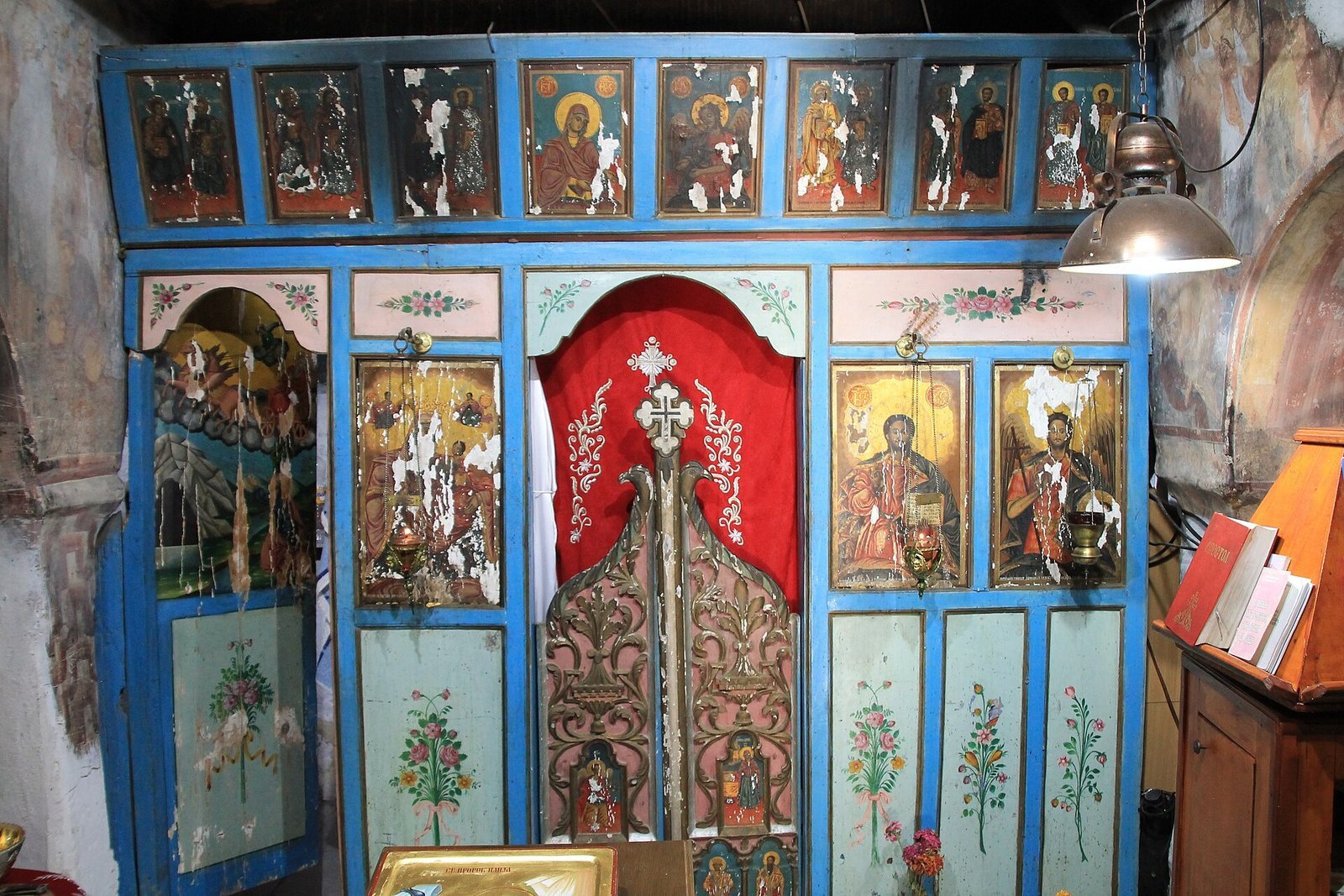
The iconostasis, a screen bearing icons that separates the sanctuary from the nave, contains 21 icons. A partly legible donor inscription appears on the horizontal architectural member above the doorway from the narthex into the church. The word Presbyter can be read in its fourth line. North of the entrance portal, a scene shows the Miracle of Saint Demetrius at Thessaloniki. Demetrius, a Christian martyr associated with the city, rides a rearing horse and spears enemy soldiers as they fall beneath its hooves.
On the nave’s west wall, the first painted zone shows the Archangel Michael, a leading angel in Christian tradition, alongside Emperor Constantine, who supported Christianity, and his mother Helena, venerated as a saint. The second zone depicts the death of the Virgin, and the third shows Christ’s Ascension.
Facade
The church facade bears a scene of the Resurrection of Christ in the position where an image of the patron saint would normally appear.