Church of San Miguel, Murcia: A Baroque Catholic Parish
Site at a Glance
- Rating
- 4.7
- Popularity
- Medium
- Country
- Spain
- Primary era
- Early Modern
- Eras represented
- Early Modern, Modern
- Civilizations
- Crown of Castile, Spanish
- Site type
- Religious
- Remains
- Church
On this page13 sections
History
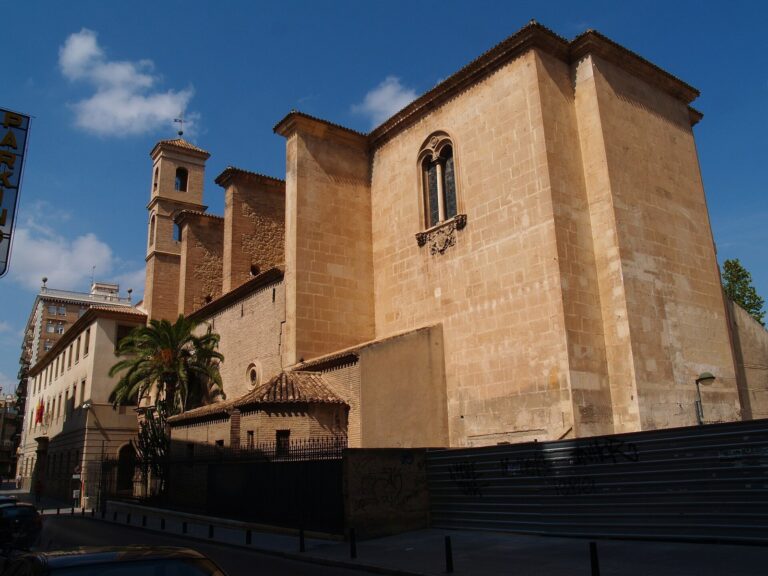
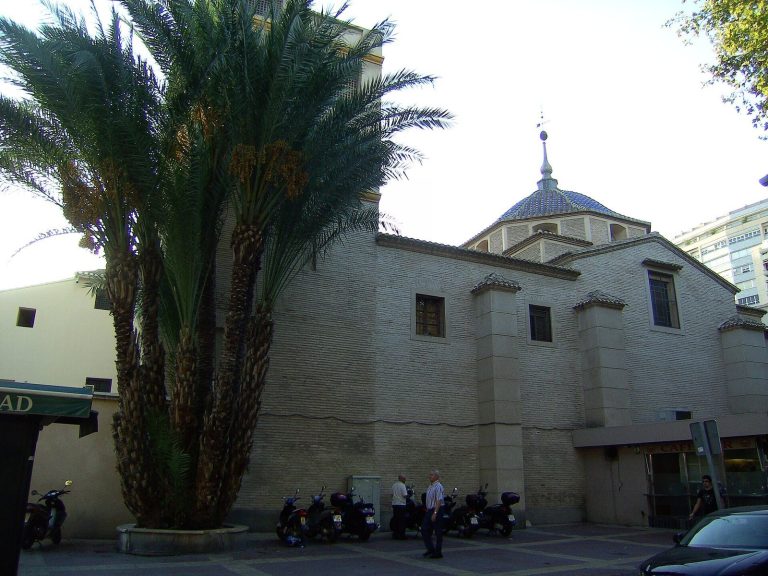
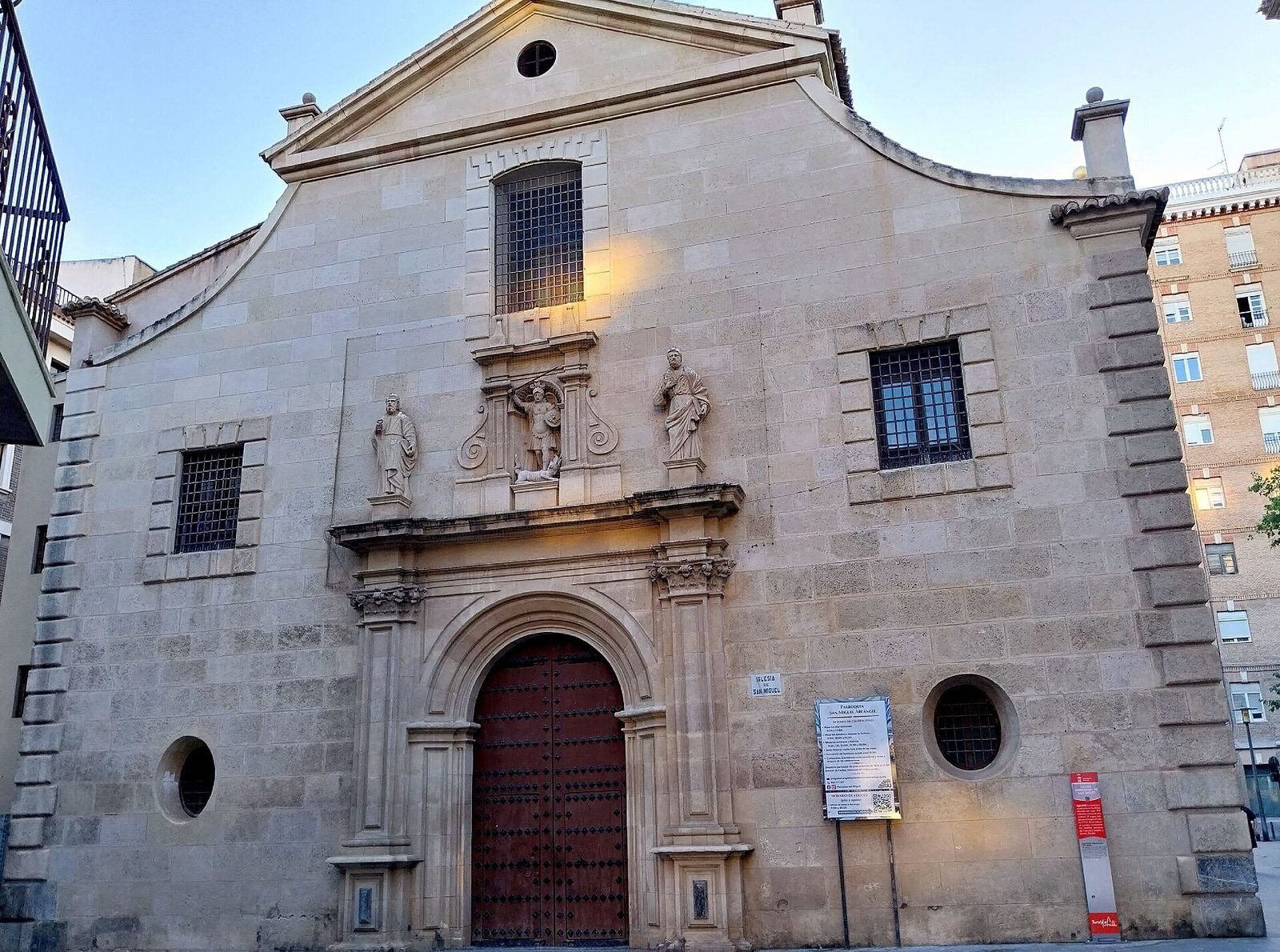
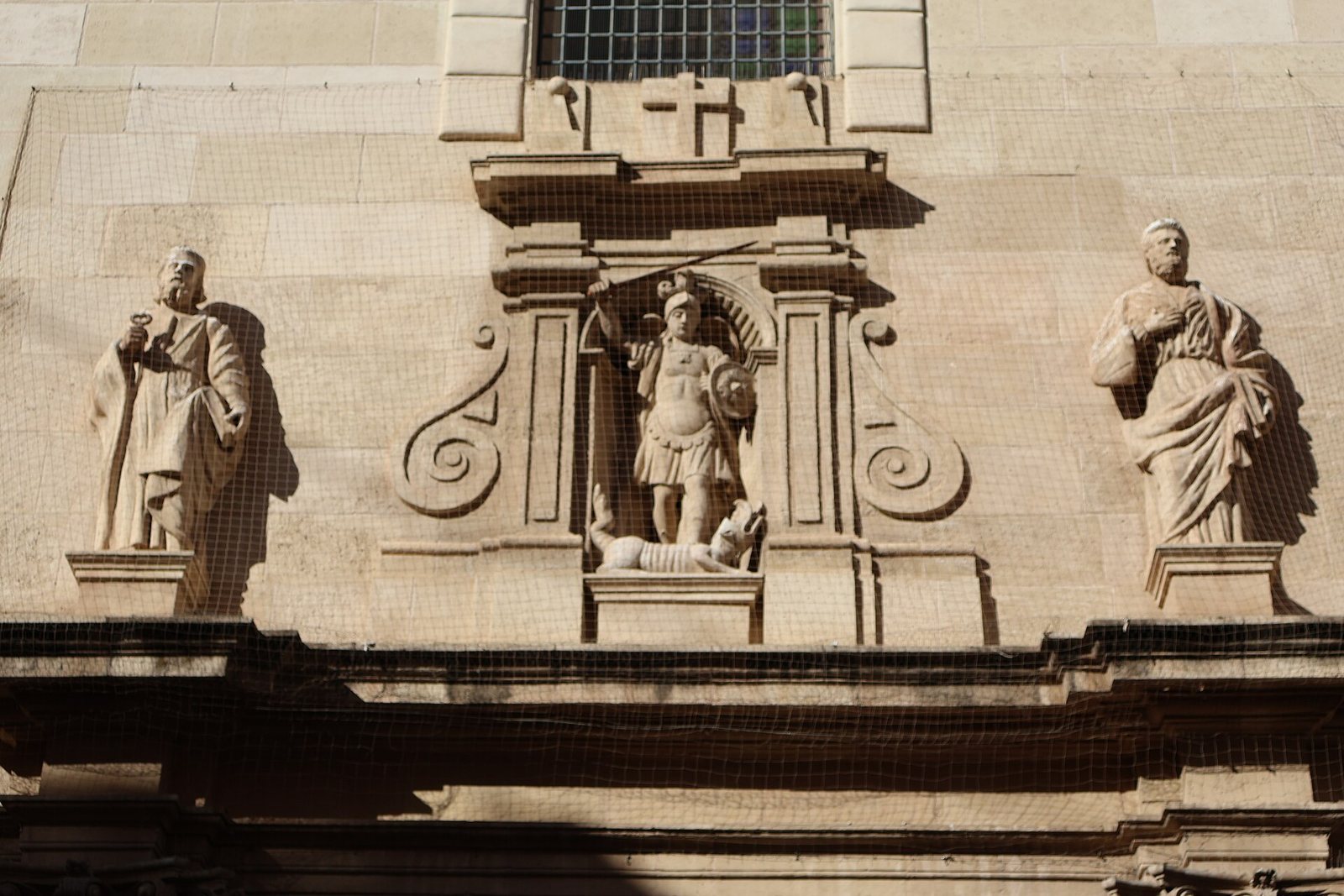
The Church of San Miguel is a Catholic parish in Murcia, Spain, dedicated to the Archangel Michael. Its present Baroque building was consecrated in 1712 and is regarded as a notable example of Murcian Baroque, especially for its interior.
Medieval origins
The church began in Arrixaca Vieja, the northern part of Murcia’s former Islamic suburb. The area had country estates and gardened leisure houses used by wealthy residents. After the Christian conquest of Murcia in 1266, Alfonso X of Castile granted the district to the Mudejar population, Muslims who remained in territory under Christian rule. Following the area’s depopulation, Christian settlers began moving there.
The earliest known reference to the church dates to 1272. In a document from that year, Alfonso X mentioned a priest of San Miguel who was to celebrate Mass in the chapel of the Alcázar Mayor. The church was also called San Miguel de la Villanueva, a name associated with the resettlement of this part of the suburb.
Rebuilding and later repairs
By the early seventeenth century, the medieval church was in very poor condition. Its demolition and replacement were decided on in 1625, but the flood of San Calixto in 1651 devastated this part of Murcia and destroyed work nearing completion. Construction of the present church resumed in 1691. In 1703, master mason Pedro Ruiz was working on the main chapel, the final part still unfinished. The church was consecrated and opened for worship in 1712.
In 1864, water seepage from the adjacent Acequia Mayor Aljufía, a major irrigation canal, caused the church tower to collapse. The accident damaged the crossing, where the nave and transept meet, and the presbytery, the area around the main altar. Worship moved temporarily to the nearby College of San Esteban, a Jesuit educational institution, while repairs took place. A replacement tower was completed in 1879.
Parish and religious associations
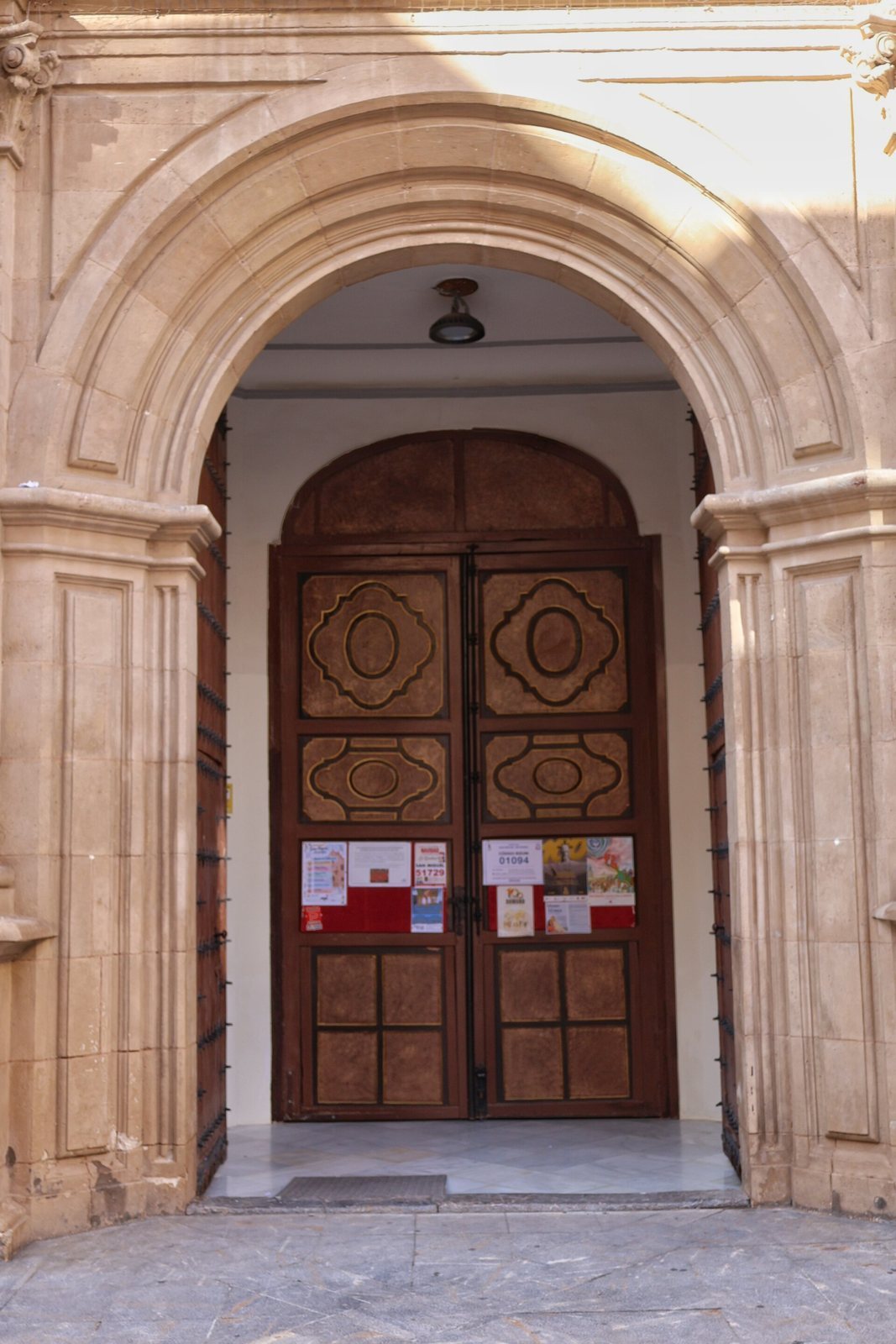
San Miguel remains a Catholic parish in the Diocese of Cartagena, a region administered by a bishop. Since 1949 it has been the seat of the Brotherhood of the Most Holy Christ of Mercy. The brotherhood’s Good Friday evening procession begins at nearby San Esteban because the church doorway is too small for the procession to pass through. The church is listed as a Spanish Asset of Cultural Interest, a cultural-heritage designation.
Remains
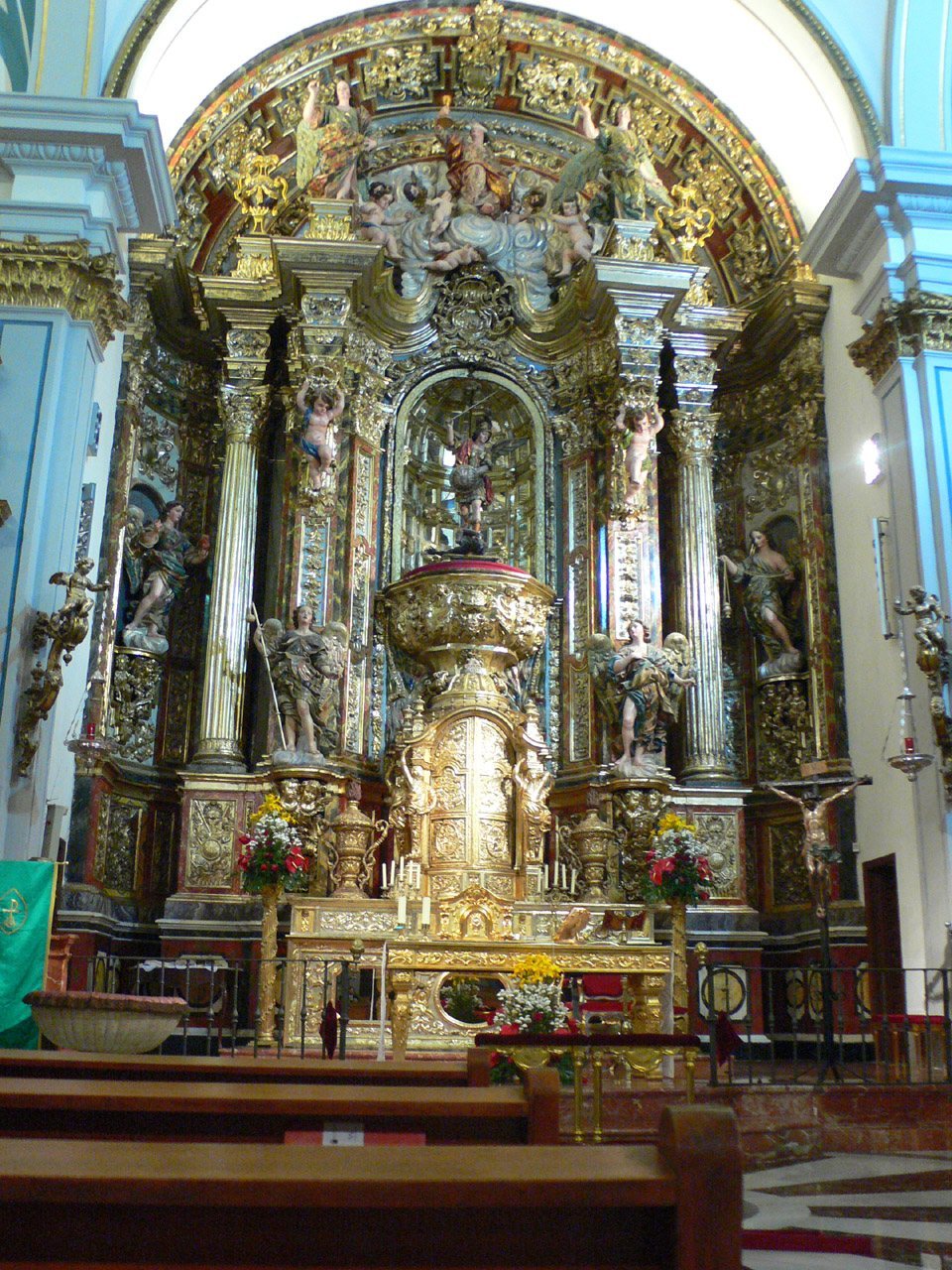
The surviving church is a Baroque building whose interior is distinguished by numerous altarpieces and sculptures. Its works include the main altarpiece, side altarpieces, and devotional images made by or associated with sculptors active in Murcia.
Altarpieces
Main altarpiece
Commissioned in 1731 from Jacinto Perales and Francisco Salzillo, the main altarpiece is regarded as one of the finest Baroque examples in Murcia and the wider region. Its design gives prominence to architectural forms and a central niche. The tabernacle, a receptacle for the consecrated bread, projects forward from the flanking sections. Salzillo carved the archangels, personifications of virtues, and angels supporting the dome; their color contrasts with the strongly gilded composition.
Altarpieces of Our Lady of Sorrows and the Rosary
The altarpiece on the epistle side, the side traditionally associated with the reading of the Epistle during Mass, was made by Nicolás de Rueda in the eighteenth century. It holds the historic image of Our Lady of Sorrows of the Holy Steps, dating to the mid-eighteenth century and following Salzillo’s model for the subject. Since 1963, the image has processed on Holy Tuesday with the Brotherhood of the Health under the title Virgin of the First Sorrow.
Nicolás de Rueda also made the altarpiece of the Virgin of the Rosary. It includes two painted panels attributed to Juan Ruiz Melgarejo and dated 1737–1738.
Sculptures
Works associated with Nicolás Salzillo
The church’s image of its patron, the Archangel Michael, is a sculpture by Nicolás Salzillo dated 1708. The collection also includes his Saint Jude Thaddeus, made before 1718, and a Saint Joseph and the Child attributed to Nicolás and his son Francisco, who worked together on the piece.
Holy Family and Immaculate Conception
Francisco Salzillo’s small Holy Family group has carved heads, hands, and feet, while glued canvas forms the remaining parts of the figures. His Immaculate Conception uses a composition inspired by Andalusian paintings: the face turns slightly to one side, the hands meet at the chest, and the drapery gives the figure a monumental form.
Nazarene of the Bailío
The church contains the Nazarene of the Bailío, a devotional image of Christ carrying the cross. Roque López made the sculpture in 1797. It has processed with the Brotherhood of Mercy since 2012.
Brotherhood crucifix
The principal crucifix of the Brotherhood of Mercy is a sixteenth-century Renaissance work by the Jesuit sculptor Domingo Beltrán. It came from the nearby College of San Esteban and can be viewed at San Miguel.