İkiztepe: A Prehistoric Settlement in Turkey
Site at a Glance
- Rating
- 3.7
- Popularity
- Medium
- Country
- Turkey
- Primary era
- Bronze Age
- Eras represented
- Stone Age, Bronze Age, Iron Age
- Civilizations
- Hittite
- Site type
- Settlement
- Remains
- Town
On this page19 sections
History
İkiztepe is a prehistoric settlement formed by four mounds northwest of Bafra in Turkey, with evidence of activity possibly reaching back to the sixth millennium BCE. Finds represent the Late Chalcolithic and Bronze Ages, the Iron Age, the Hellenistic period after Alexander the Great’s conquests, and the Roman period, though they do not demonstrate continuous occupation. The settlement became an important regional center for weaving and metalworking.
Prehistoric settlement and the changing shoreline
The earliest finds come from Tepe II. Between the fifth and third millennia BCE, İkiztepe stood close to the sea, whereas the site is now about 7 km from the coast. One proposed explanation is that the Bosphorus was temporarily blocked in the Late Chalcolithic and Early Bronze Age, exposing more shoreline along the Black Sea and making travel between Varna and the İkiztepe region easier. This remains a hypothesis.
Bronze Age burials and economy
An Early Bronze Age I cemetery on Tepe I held about 725 graves and is among the largest excavated burial grounds outside a settlement in Anatolia. A further 690 skeletons have been found at İkiztepe. A separate cemetery belongs to an Early Bronze Age III layer. Weaving was a major activity, and the quantity of textile-making tools and fabric remains points to a regional weaving center. Metalworking was also prominent. Nearby copper and arsenic deposits supplied materials for copper alloys; the mines at Durağan may be those mentioned by the ancient geographer Strabo.
Hittite and Iron Age occupation
The Early Iron Age layer, dated to the thirteenth century BCE, lies directly above a Hittite layer. The continuity between them has been interpreted as evidence that Iron Age inhabitants entered and settled the earlier Hittite site. İkiztepe has also been proposed as the location of the Hittite city of Zalpuwa, but the identification is uncertain. Finds from the Hellenistic and Roman periods indicate activity in those later eras, without establishing an uninterrupted sequence of settlement.
Archaeological investigations
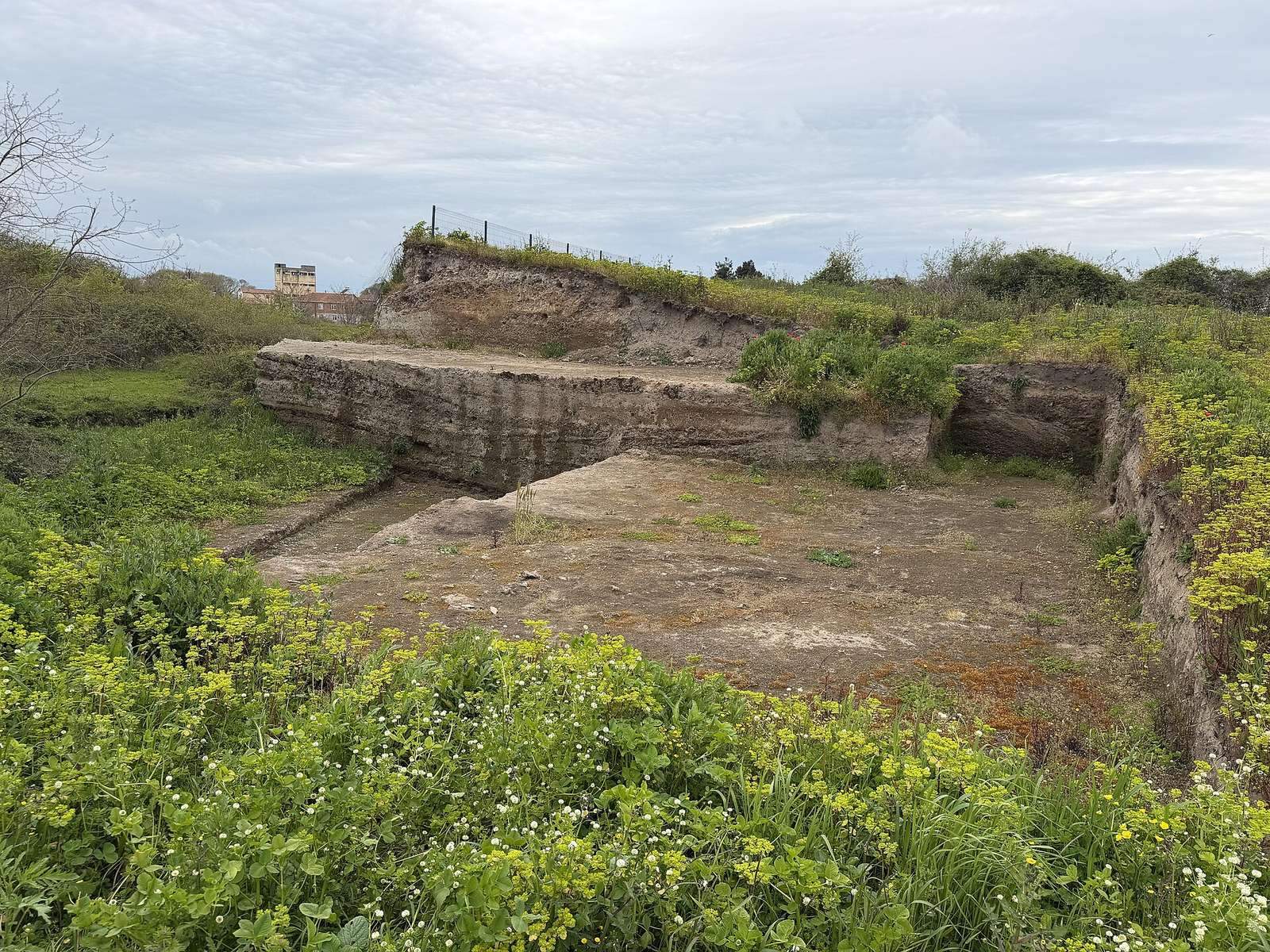
Surveys in Samsun in 1940–41 included İkiztepe, and James Mellaart is credited with discovering the mound. Excavations began under O. Pelen in 1969. Uluğ Bahadır Alkım led surveys in the area in the early 1970s and began systematic excavation in 1974. After Alkım’s death in 1981, Önder Bilgi directed the work, which continued until his retirement in 2012. Aslıhan Beyazıt resumed excavations in 2021, and they are ongoing.
Remains
Mounds and settlement layout
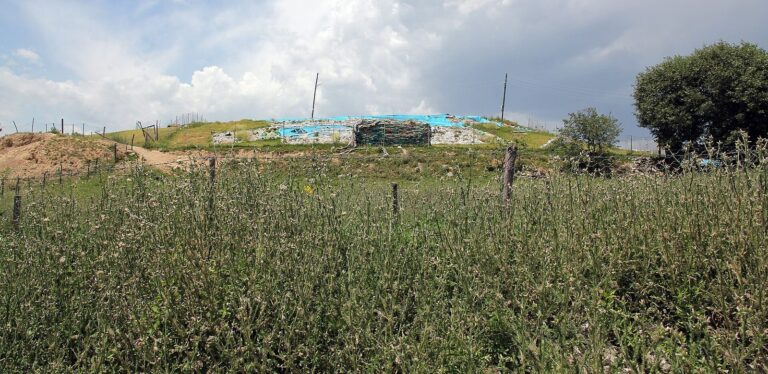
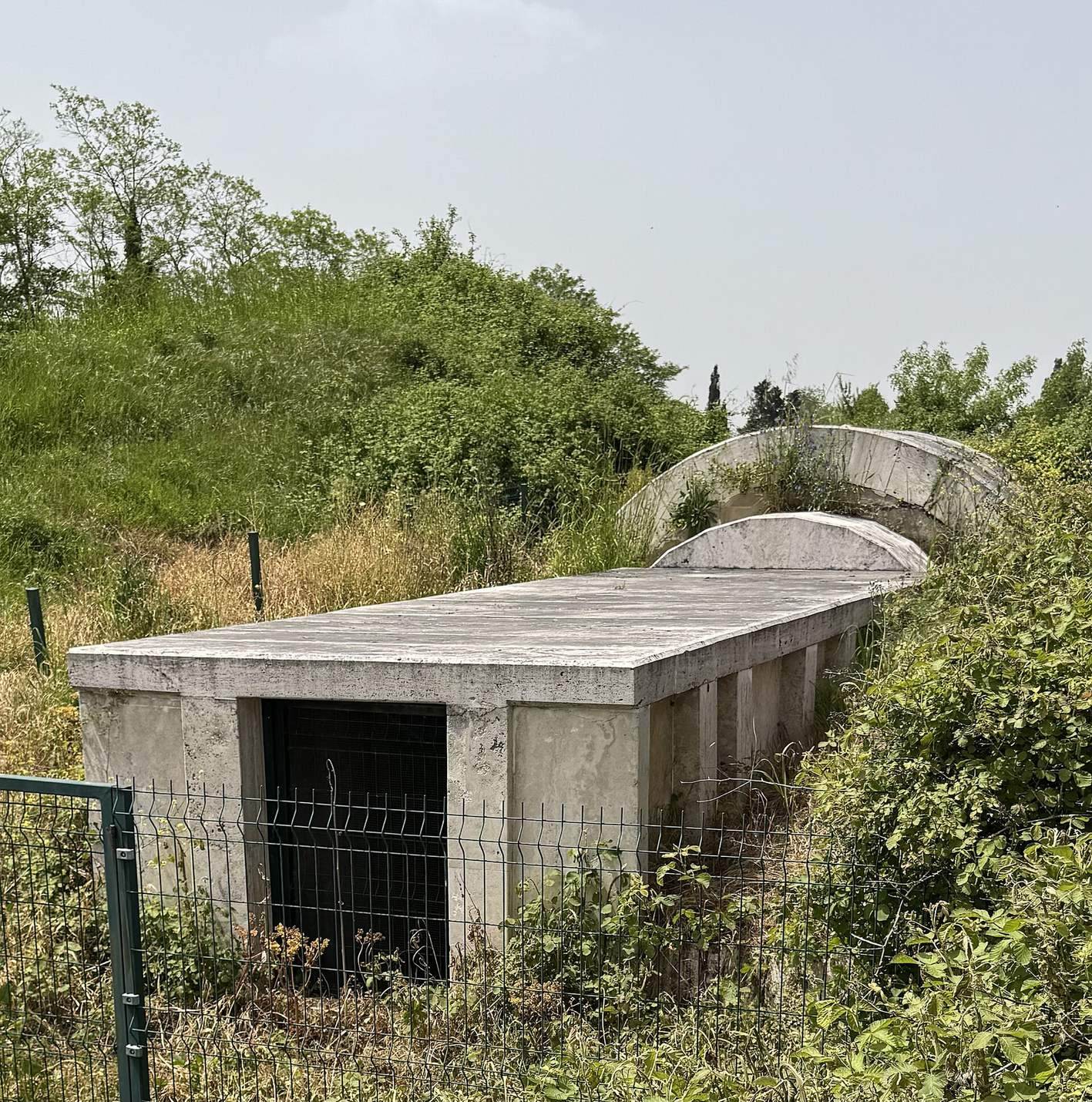
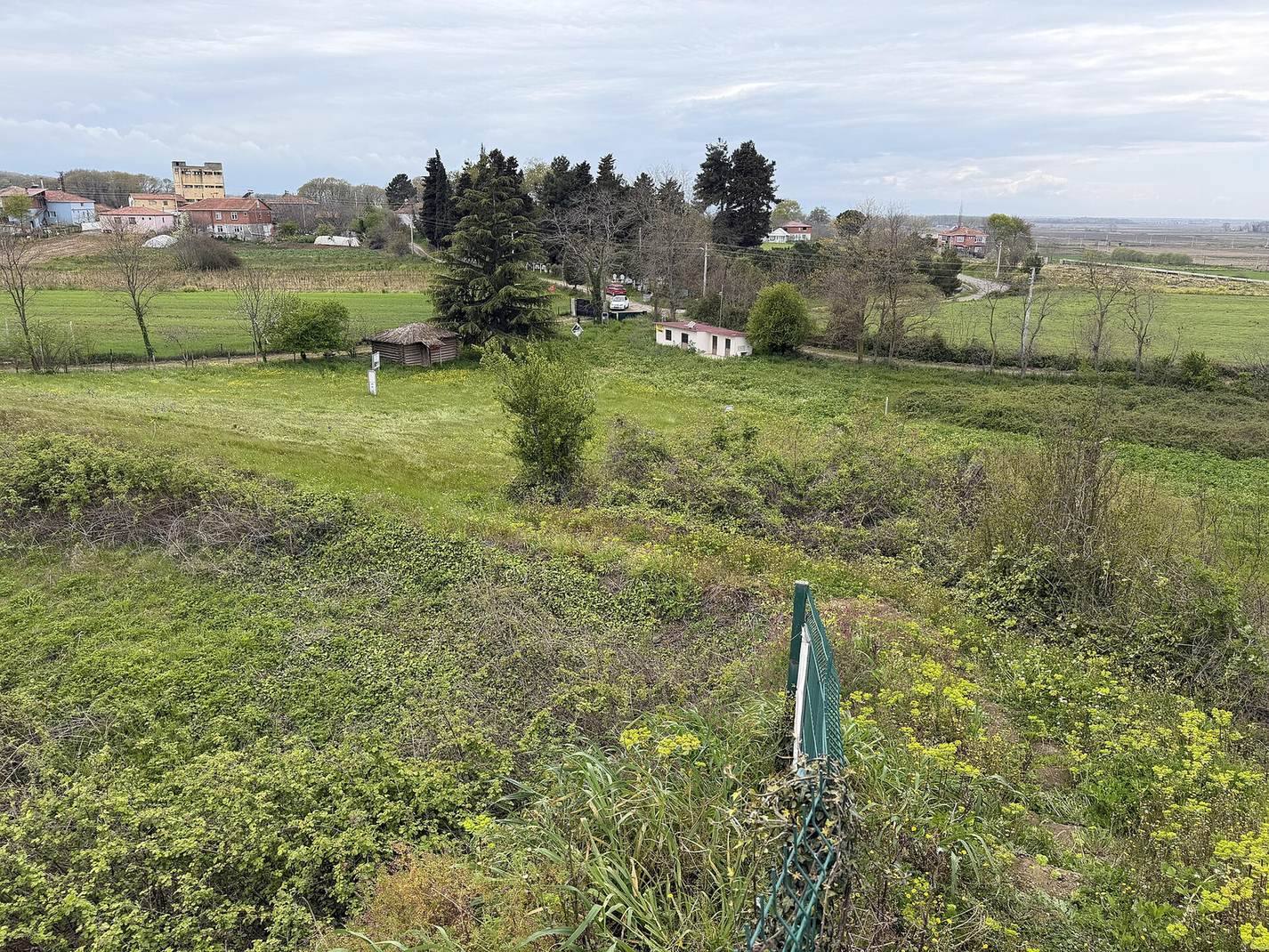
İkiztepe means Twin Mounds, a name inspired by the site’s appearance from a distance, though its remains occupy four mounds near the Kızılırmak delta and Black Sea coast. Tepe I, or Mound I, is the largest and southernmost, rising about 37 m above sea level and 29 m above the surrounding plain. Tepe II lies to its north and is 22.5 m high. Tepe III, the northernmost, reaches 12.3 m, while Tepe IV stands west of Tepe II and is 16 m high. The site is about 7 km northwest of Bafra and 55 km from Samsun.
Timber architecture
Building methods
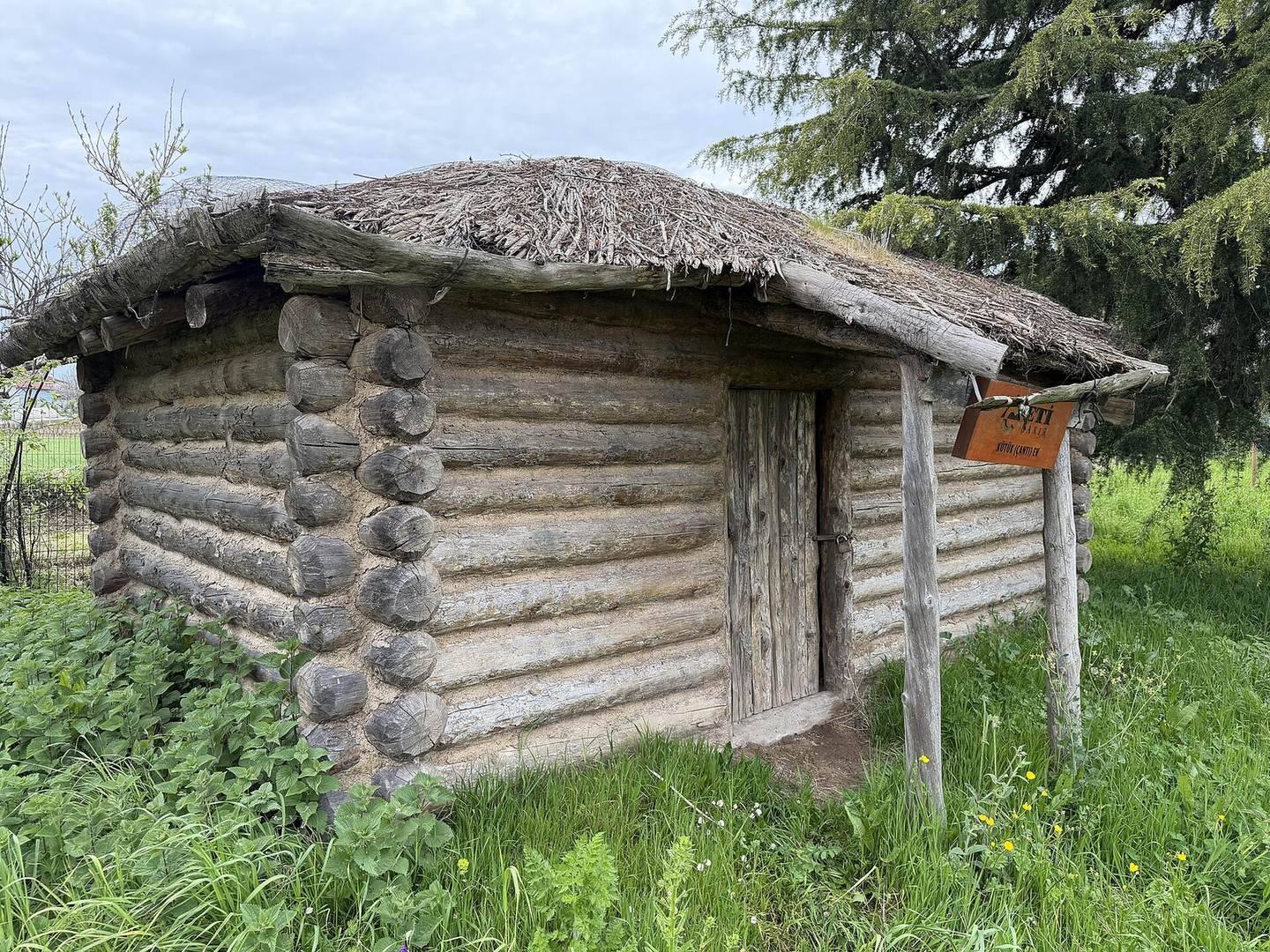
Wood was used in construction from the Chalcolithic onward. Early Bronze Age buildings had timber foundations and walls made of interlocking horizontal timbers, fitted without nails. Mud filled the spaces between the timbers, and thick clay plaster covered the walls inside and out. Toward the end of the Early Bronze Age and the beginning of the Hittite period, sawn boards replaced posts and were fastened together. Roofs were pitched or saddle-shaped and covered with reeds and dried branches, probably to suit the wet climate.
Reconstructed house
Burnt wood from an Early Bronze Age building was used to establish its plan. A wooden house following that plan was later built in the excavation area.
Iron Age enclosure
The Iron Age settlement appears to have been enclosed by a substantial system of city walls. Its pottery includes local material and vessels with close parallels in Cilicia, as well as examples associated with Phrygia, southwestern Anatolia, and Crete.
Burials
Tepe I cemetery
The Early Bronze Age I cemetery on Tepe I yielded weapons, ornaments, and prestige objects made of copper and copper alloyed with arsenic.
Early Bronze Age III cemetery
This cemetery contained nearly 60 grave offerings, most made of bronze and including ornaments and weapons. Three pottery vessels were also found among the offerings.
Craft finds and artifacts
Textile production
Thousands of loom weights, which helped keep warp threads taut, and hundreds of spindle whorls, used in spinning, have been recovered. Other textile remains include weaving combs, spindles, and fragments of fabric.
Metalworking
A 58 cm-long, four-winged spearhead made of copper alloyed with arsenic was found on Tepe II in 2010. Cast in a single operation, it was the longest spearhead found in Anatolia at that time.
Pottery and figurines
Fired clay was used most commonly for pottery. From the Late Chalcolithic through the end of the Early Bronze Age, vessels were handmade and richly decorated. Terracotta figurines also occur. Most depict women with raised arms, flat bodies, and round or oval faces. Recessed marks indicate the breasts and pubic area; hollows form the eyes and mouths, and two or more holes in the ears could hold earrings.
Bone and stone tools
Small tools made from bone, tooth, and horn include awls, needles, and scrapers. Stone objects include cutting and piercing tools of flint and obsidian, grinding stones, pestles, and burnishing stones used in pottery making.