Fortifications of Senglea: Malta’s Defensive System
Site at a Glance
- Popularity
- Medium
- Country
- Malta
- Primary era
- Early Modern
- Eras represented
- Early Modern, Modern
- Civilizations
- British, Crusader, Knights Hospitaller
- Site type
- Military
- Remains
- Wall
On this page16 sections
History
The Fortifications of Senglea are a limestone defensive system in Malta, begun by the Order of Saint John, a Catholic religious and military order, in response to the Ottoman attack on Malta and Gozo in 1551. In 1552, the Order started work on Fort Saint Elmo on the Sciberras Peninsula and Fort Saint Michael on the peninsula of Isola. The following year, it began enclosing the whole peninsula. A city later developed within the defenses and was named Senglea after Claude de la Sengle, then Grand Master, or head of the Order. Most of the fortifications took shape over the next decade, with further changes continuing through the eighteenth century.
Construction and the Great Siege
During the Great Siege of Malta, the Ottoman Empire’s 1565 attempt to capture the island, Ottoman forces repeatedly attacked Senglea. The city held out and received the title Città Invicta, meaning “Unconquered City.” The fortifications are also associated with the Siege of Malta of 1798–1800.
After the Great Siege, the Order focused its efforts on building its new capital, Valletta, and Senglea received less attention. Italian military architect and engineer Francesco Laparelli proposed razing the city, but the plan was rejected. The defenses had been repaired by 1581.
Later defenses and the dockyard
In the seventeenth and eighteenth centuries, additional defensive works were built outside Senglea’s main enclosure. The Santa Margherita and Cottonera Lines, extended defenses around Bormla, strengthened the wider position while making the land-facing defenses of Senglea and Birgu less important.
During the nineteenth century, substantial parts of the fortifications at French Creek, in Senglea and Bormla, were demolished or rebuilt for the Malta Dockyard. Senglea’s land-facing defenses were also extensively altered in the early twentieth century. In 1925, the remaining fortifications were included in Malta’s Antiquities List.
War damage and preservation
Aerial bombardment during the Second World War severely damaged Senglea, including parts of its fortifications. Sections of the land front and the seaward bastions have since been restored. Since 1998, the fortifications have been on Malta’s UNESCO World Heritage tentative list, the country’s inventory of properties it may consider nominating, as part of the Knights’ Fortifications around the Harbours of Malta.
Remains
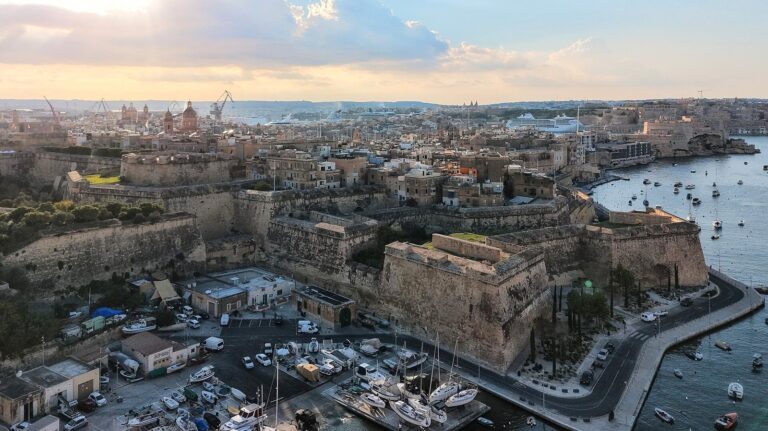
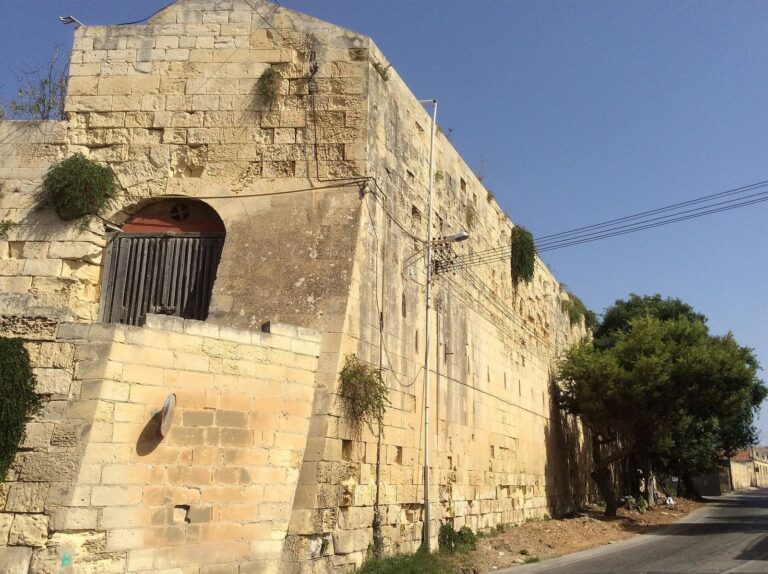
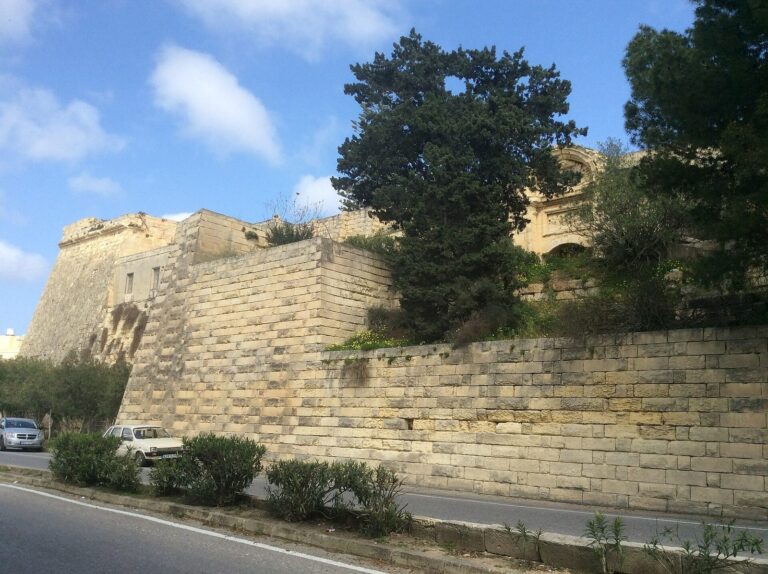
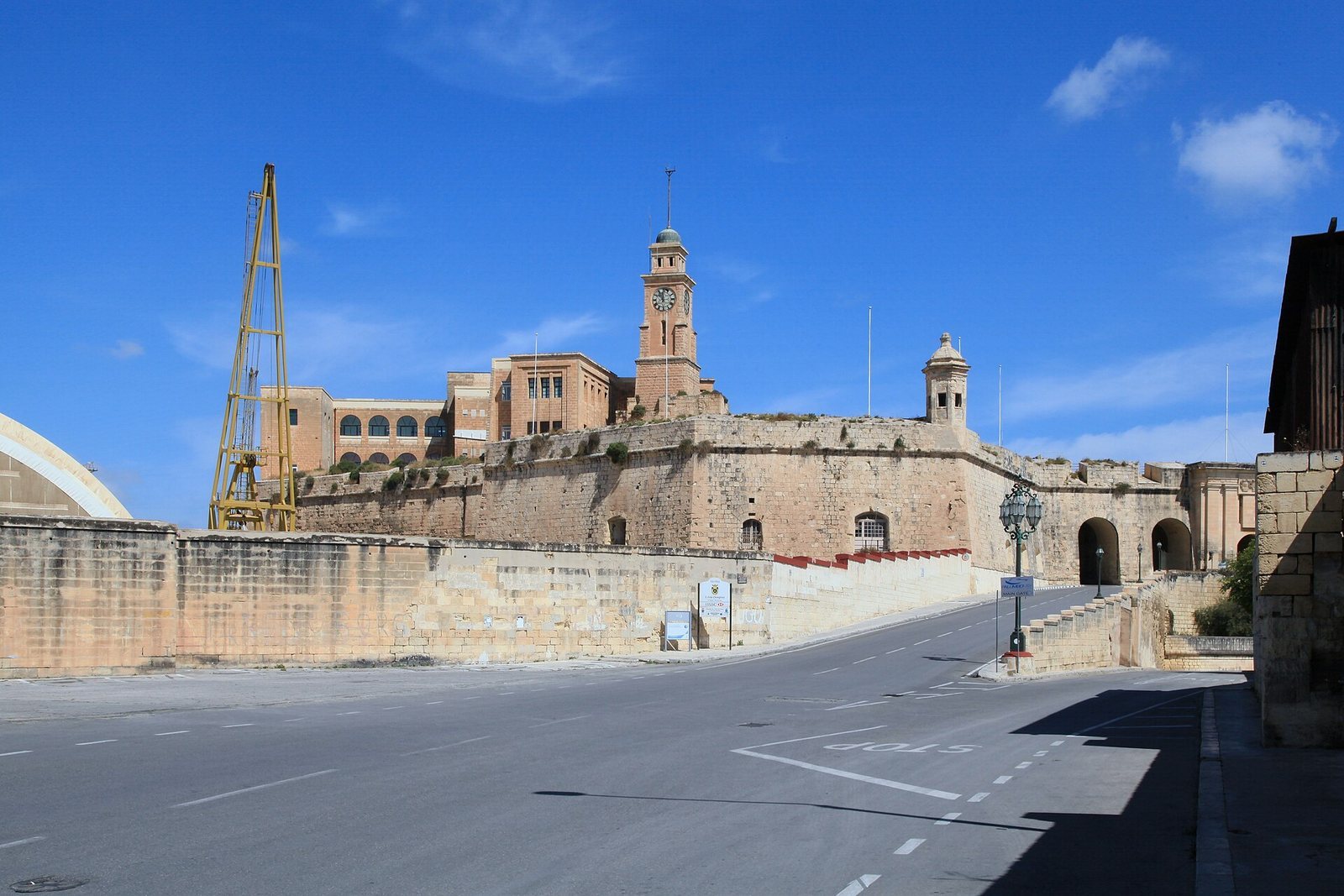
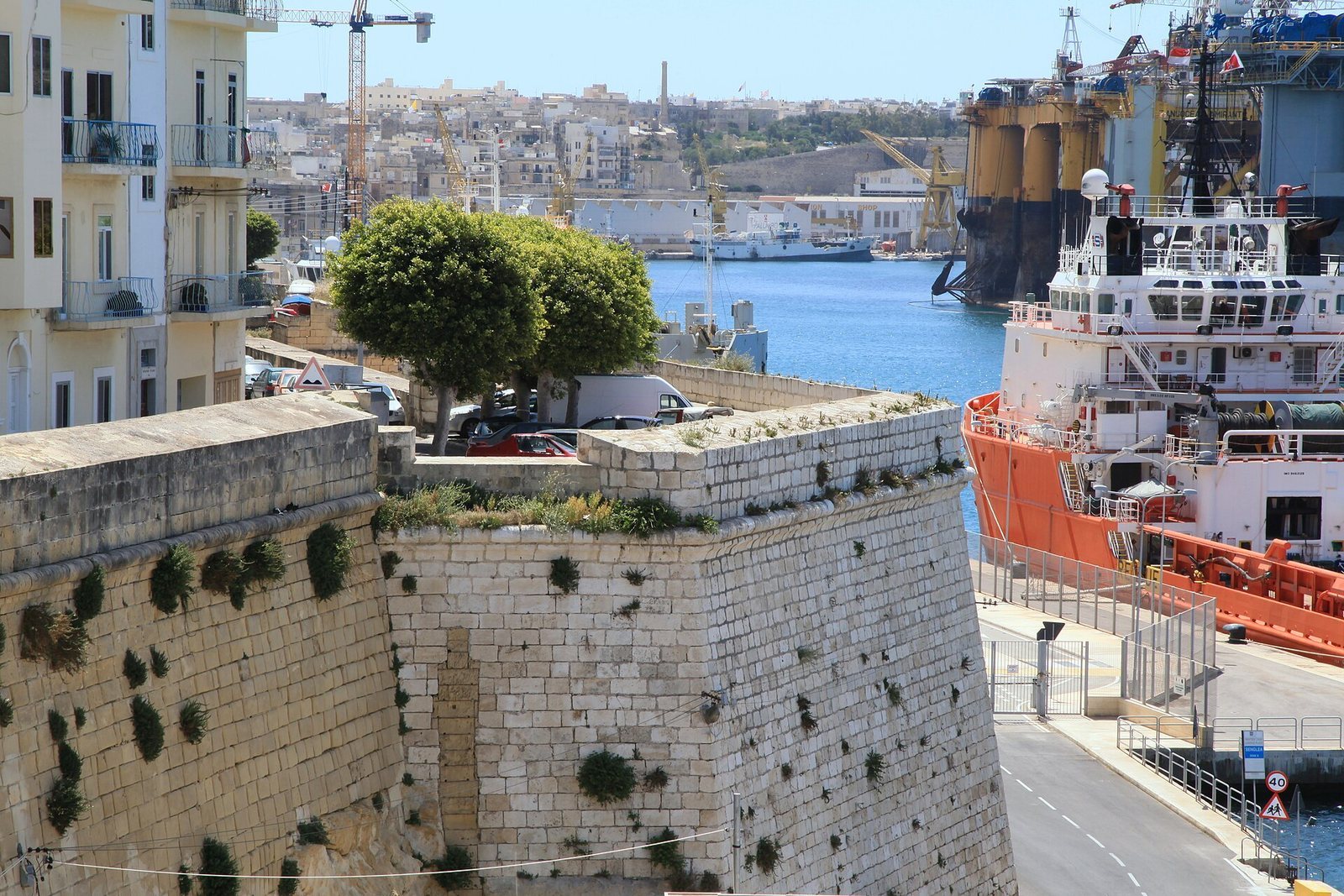
The surviving limestone defenses include seaward bastions and part of the land-facing front. A bastion, a projection from a defensive wall, forms a fortified point; a curtain wall joins such points. The remains include walls, gates, and defensive works on both the landward and seaward sides.
Landward defenses
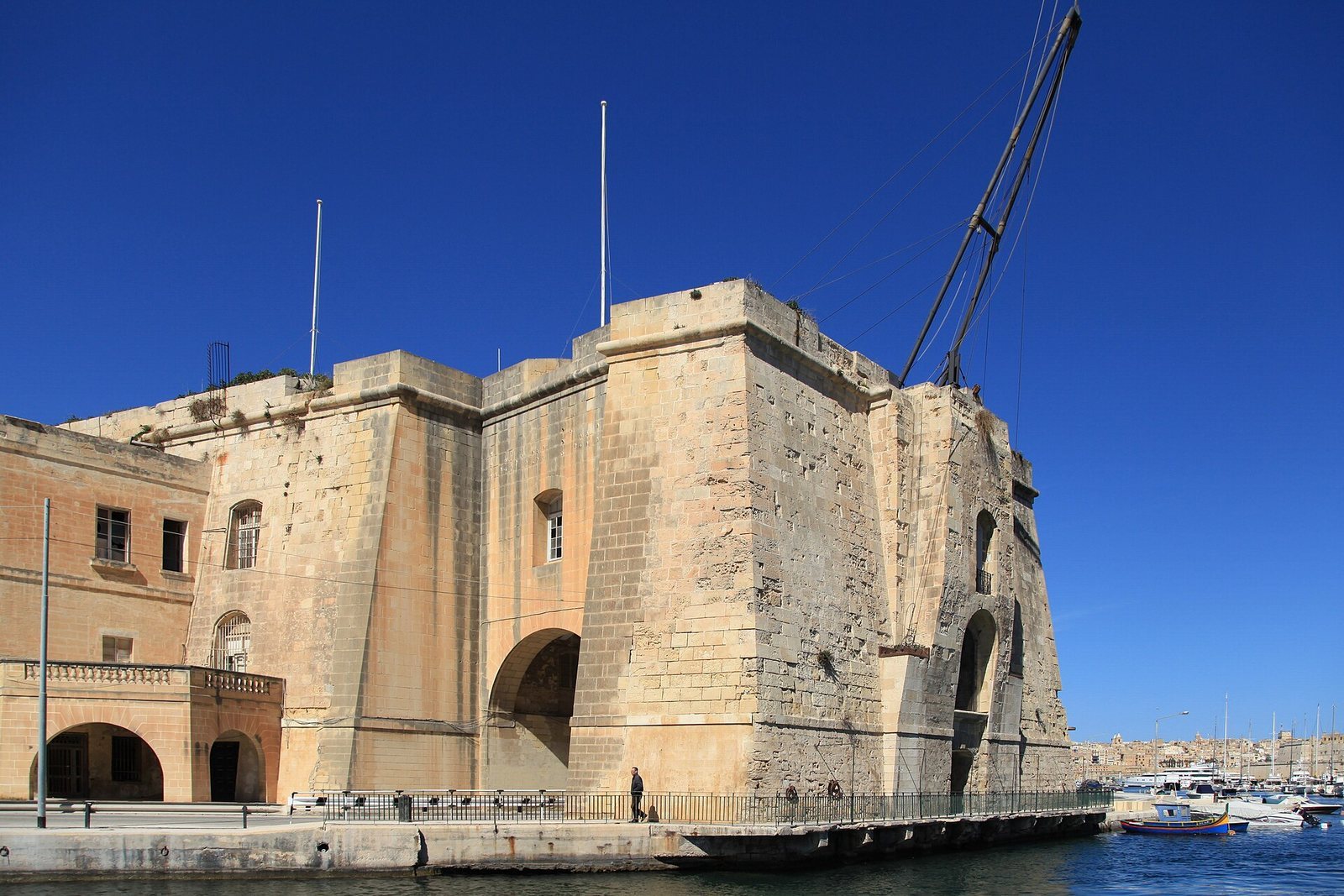
Sheer Bastion
Sheer Bastion, also known as il-Maċina, is wedge-shaped and stands at Dockyard Creek. An apparatus for raising masts on galleys once stood on its rampart.
Curtain wall and St Anne Gate
A curtain wall with protected chambers connects Sheer Bastion to St Michael Bastion. Senglea’s main entrance, St Anne Gate, is set into this wall, where damage from Second World War bombardment remains visible.
St Michael Bastion
St Michael Bastion is the principal bastion of Senglea’s land front. It contains a large projecting lookout turret, known as an echaugette.
St Michael Cavalier
St Michael Cavalier began as Fort Saint Michael. It was demolished in 1921, and a small part of its base survives. The former fort’s site is also identified with the site of the clock tower.
Corradino side
Landward curtain walls
Another curtain wall once linked St Michael Bastion to a half-bastion on the Corradino side, a projecting work with one face and one flank. The half-bastion was demolished in the nineteenth century. A long stretch of curtain wall along Corradino dates from that century, when it replaced earlier defenses cleared to make room for the dockyard.
Corradino bastion
A small bastion within the fortified enclosure faces Corradino.
Seaward defenses
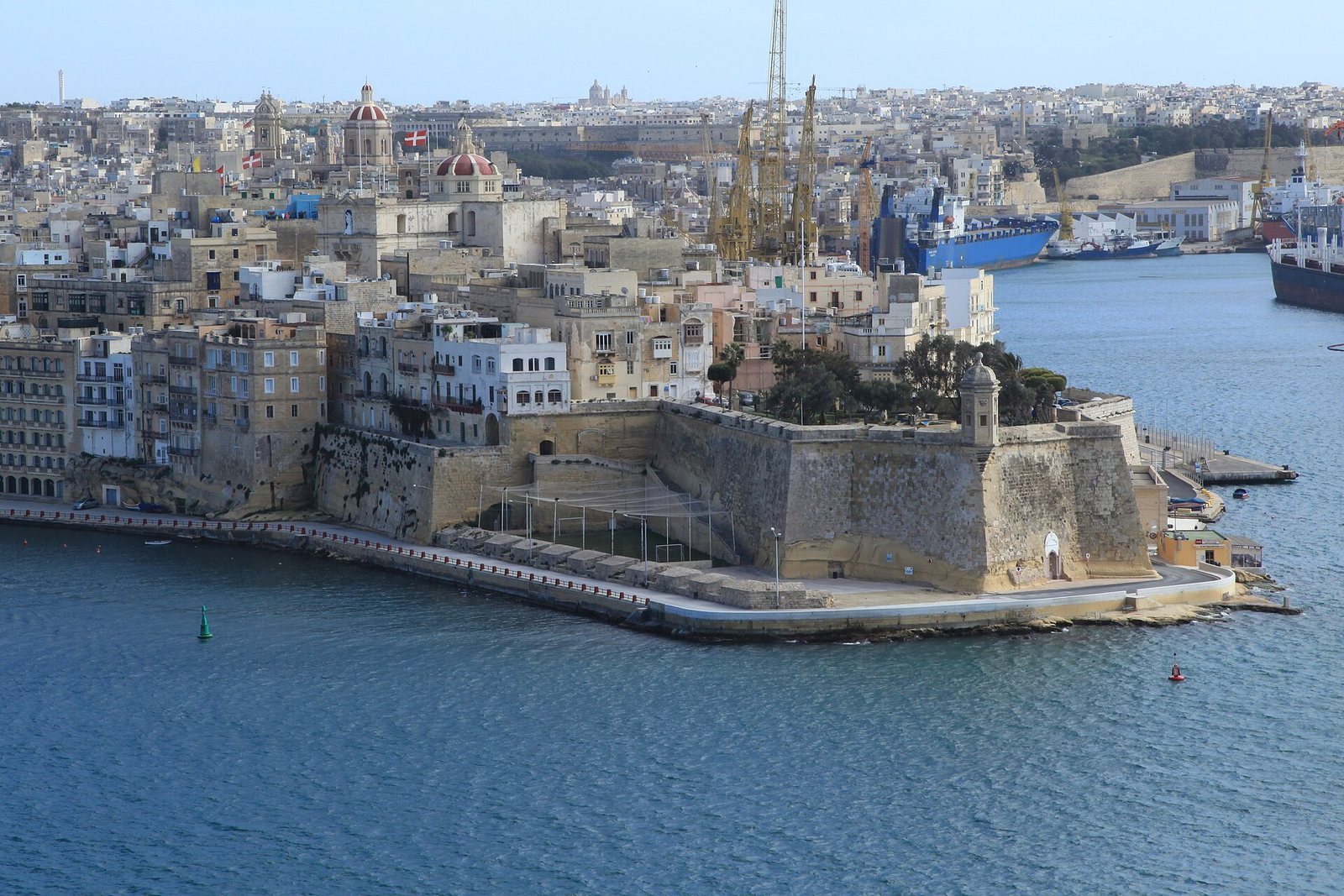
The Spur
The Spur is Senglea’s seaward bastion, facing Valletta. It contains a reconstructed echaugette, a projecting lookout turret whose original was dismantled during the Second World War. The upper part of the Spur is a public garden that includes the Gardjola, a watchtower or lookout turret.
Lower Spur Battery
At the base of the Spur, a battery at sea level is also known as Lower Spur Battery. Designed by military engineer Carlos de Grunenbergh in the 1680s, it has ten embrasures, openings through which weapons can be fired.