Thun Palace in Prague: A Baroque Palace and British Embassy
Site at a Glance
- Popularity
- Medium
- Country
- Czechia
- Primary era
- Early Modern
- Eras represented
- Medieval, Early Modern, Modern
- Civilizations
- Austrian Empire, Habsburg, Habsburg Austria, Holy Roman Empire, Kingdom of Bohemia
- Site type
- Domestic
- Remains
- Elite Residence
On this page7 sections
History
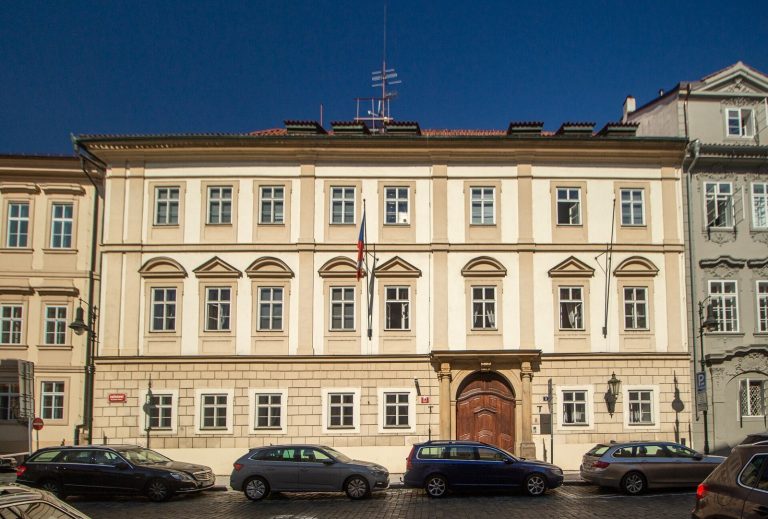
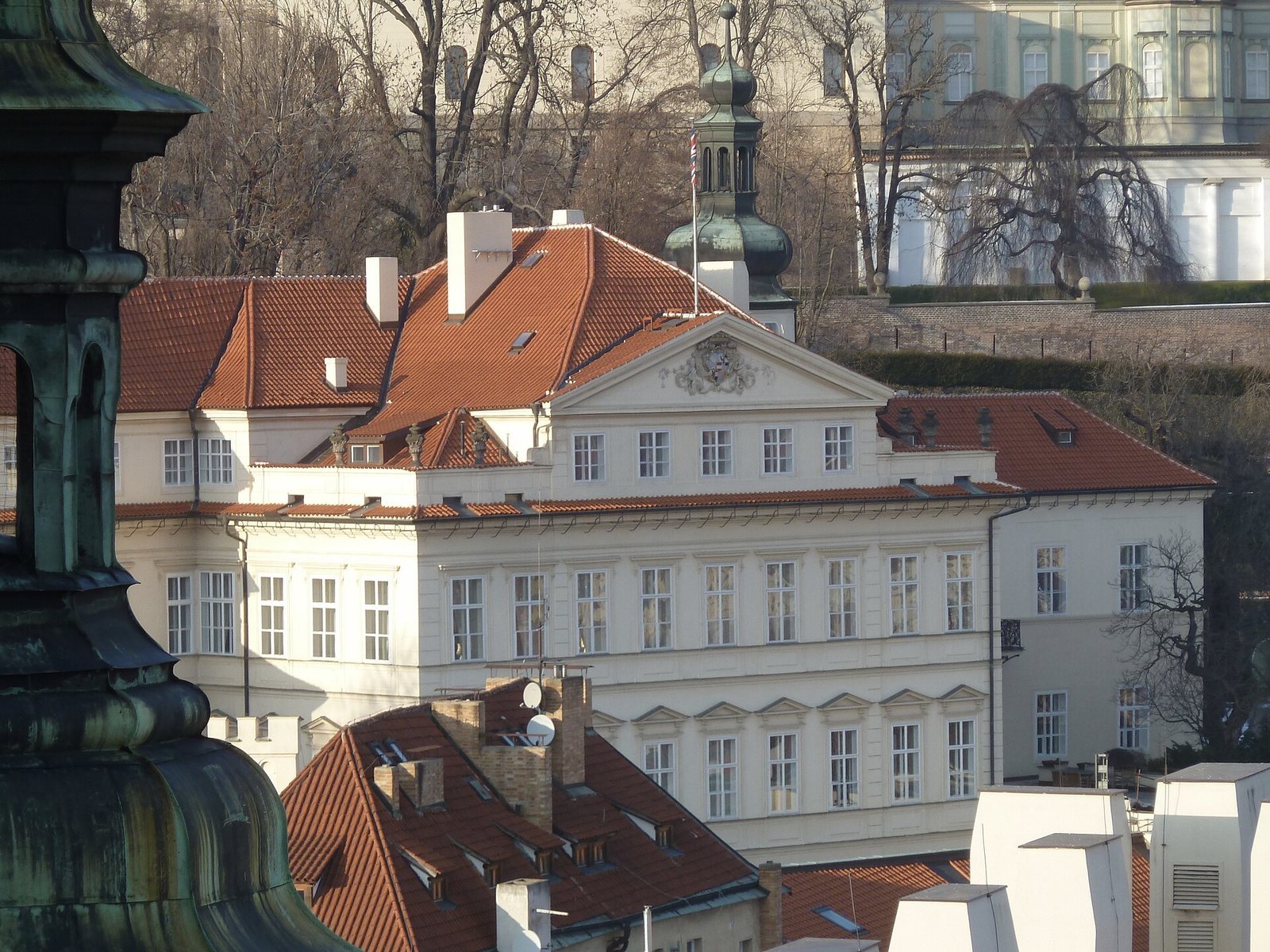
Thun Palace is a Baroque palace in Prague, Czechia, on a site with a history reaching back to the 14th century. Its changing ownership and successive alterations reflect its development from a noble residence into the home of the British Embassy.
Early house and Thun ownership
The earliest reference to the site describes a grand house belonging to Beneš of Kravař. The building was destroyed during the Hussite Wars, 15th-century conflicts in Bohemia associated with the followers of religious reformer Jan Hus, along with most buildings in Prague’s Lesser Town. During the reign of Rudolf II, a Habsburg emperor of the Holy Roman Empire, the property came into the hands of his imperial servant Jiří Mehl ze Střelic. After the Thirty Years’ War, a major European conflict of the 17th century, it belonged to Walter Leslie, a Scottish-born military commander in Habsburg service. In 1659, Guidobald of Thun and Hohenstein bought the property and had it rebuilt as a palace. Guidobald was prince-archbishop of Salzburg, a senior church leader who also held authority over his territory.
Architectural changes and visitors
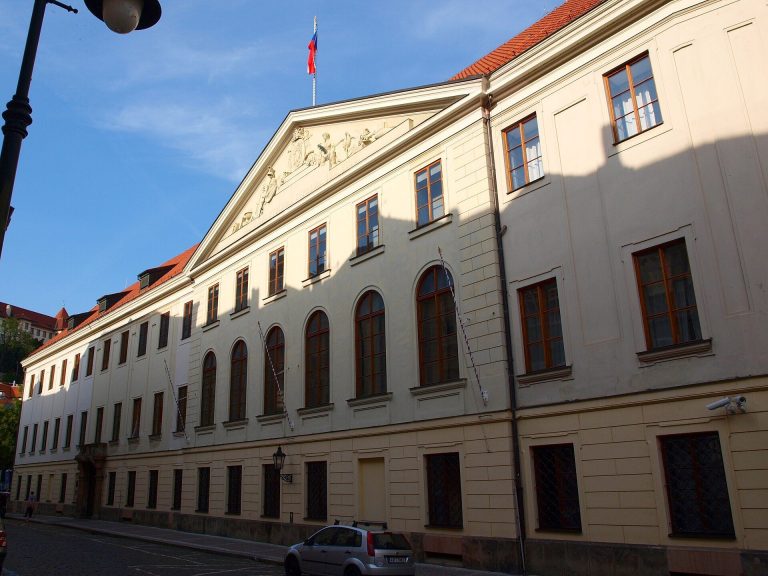
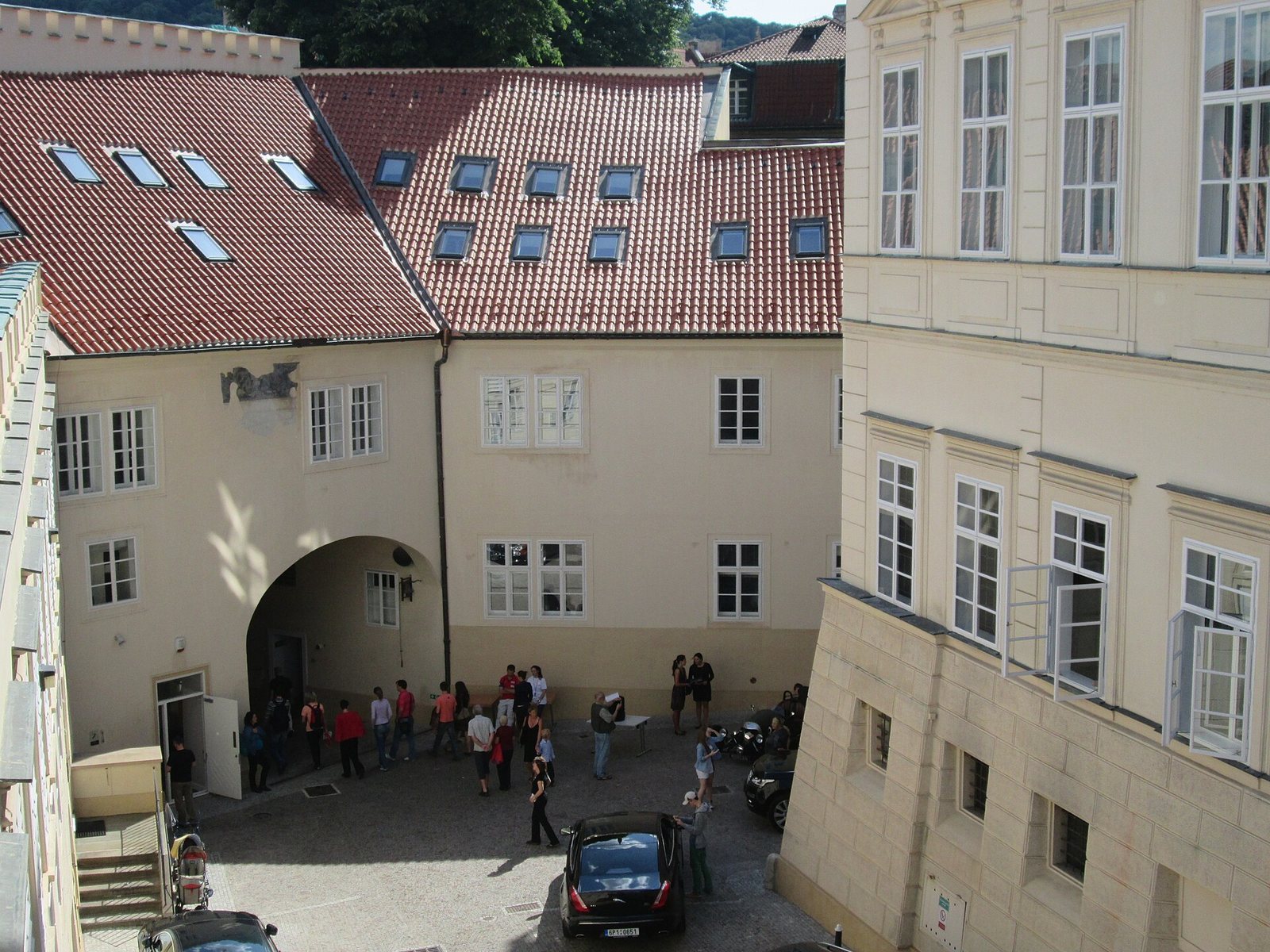
From 1716 to 1727, the palace underwent Baroque remodeling designed by Giovanni Battista Alliprandi and carried out by builder Anselmo Lurago. Later Neoclassical alterations, drawing on classical architectural forms, were associated with architect Ignác Palliardi in 1785–1792 and Karel Pollak in 1815–1817 and again in 1818–1822. The entrance gate was altered in 1850–1851 to a design by Bernhard Grueber, with builder Kašpar Předák carrying out the work.
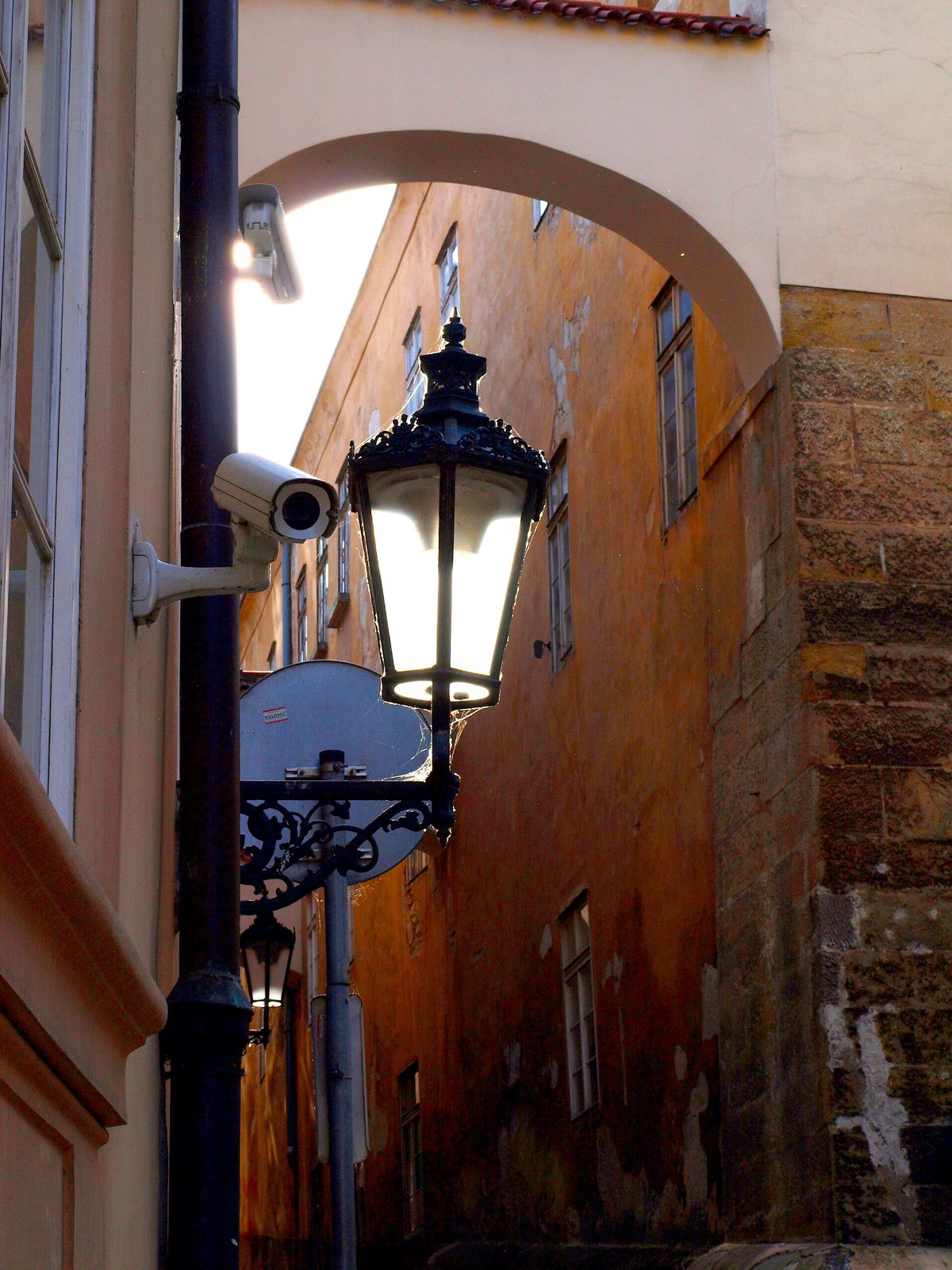
Situated near Prague Castle, the palace received visitors including astronomer Johannes Kepler, composer Wolfgang Amadeus Mozart, and Austrian Emperor Franz Joseph I. For an imperial visit, electrical engineer and inventor František Křižík electrified the building. The upper part of the Castle Steps took the name Thunovská after the palace; from 1870, the name applied to the entire street.
Embassy
The British Embassy in Prague moved into the palace in 1919. In the early 1920s, the United Kingdom bought the palace and garden from Count Josef Osvald III Thun of Hohenstein-Salm-Reifferscheidt. The palace continues to house the embassy. The palace and its associated garden are protected as a cultural monument of the Czech Republic.
Remains
The site combines a masonry palace with an adjoining garden that occupies sloping ground below Prague Castle. Together, the palace and garden form its principal surviving built and landscaped areas.
Palace and entrance
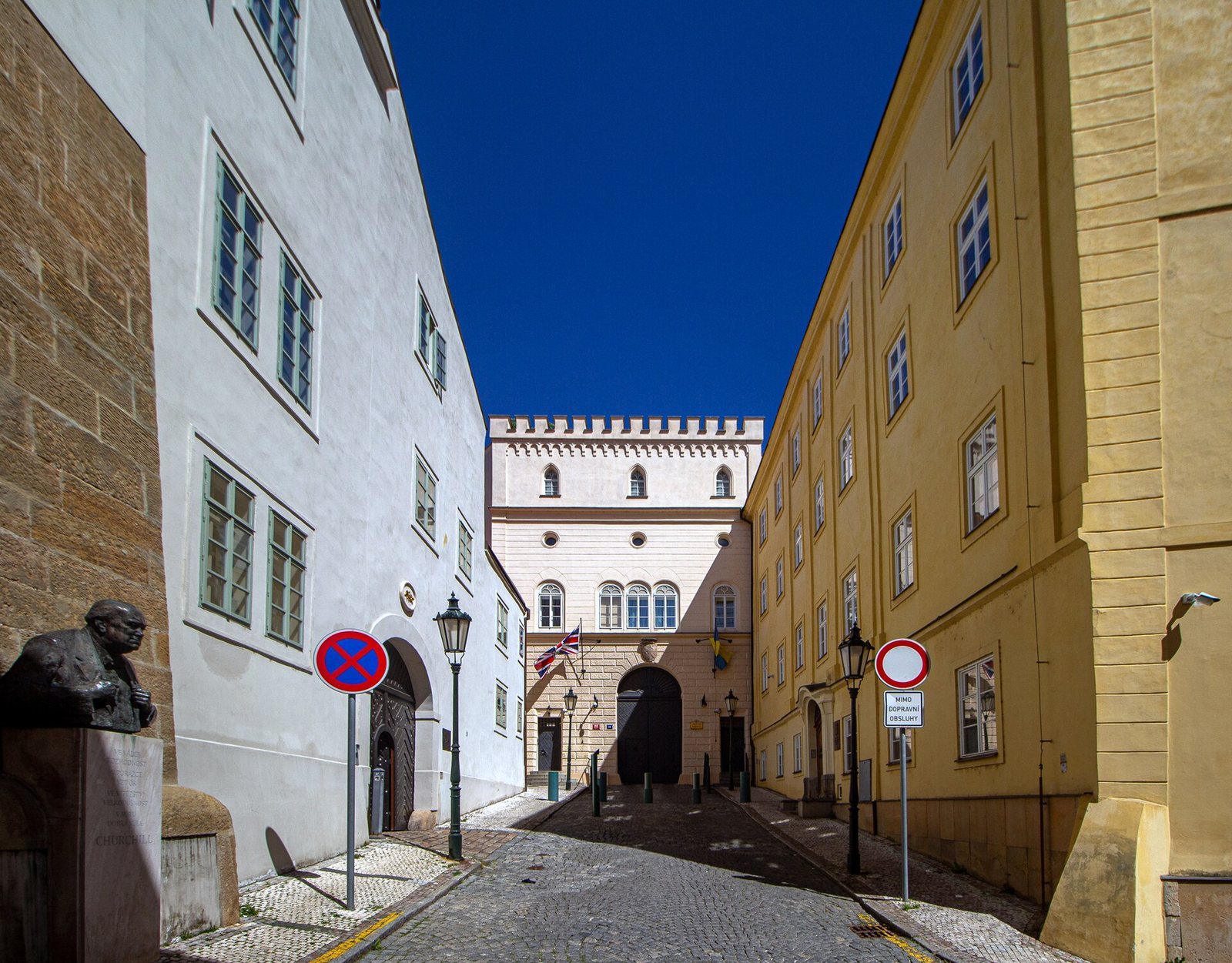
The palace has a Baroque appearance and a polygonal tower, meaning a tower with several sides. Its entrance gate has an English Gothic design. Before the entrance stands a bust of Winston Churchill by sculptor František Bělský. The pedestal bears the inscription, “In war: resolution; in defeat: defiance; in victory: magnanimity; in peace: goodwill.”
Garden
The adjoining garden is laid out in the Italian style, using the slope below Prague Castle for a series of terraces. Regular geometric areas of lawn are bordered by low strips of boxwood.