Liplje Monastery: A Serbian Orthodox Monastery in Bosnia and Herzegovina
Site at a Glance
- Popularity
- Medium
- Country
- Bosnia and Herzegovina
- Primary era
- Medieval
- Eras represented
- Medieval, Modern
- Civilizations
- Serbian
- Site type
- Religious
- Remains
- Monastery
On this page11 sections
History
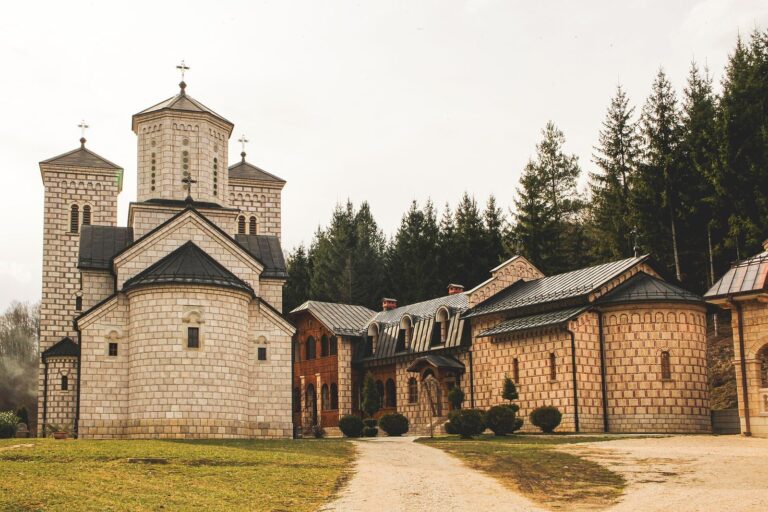
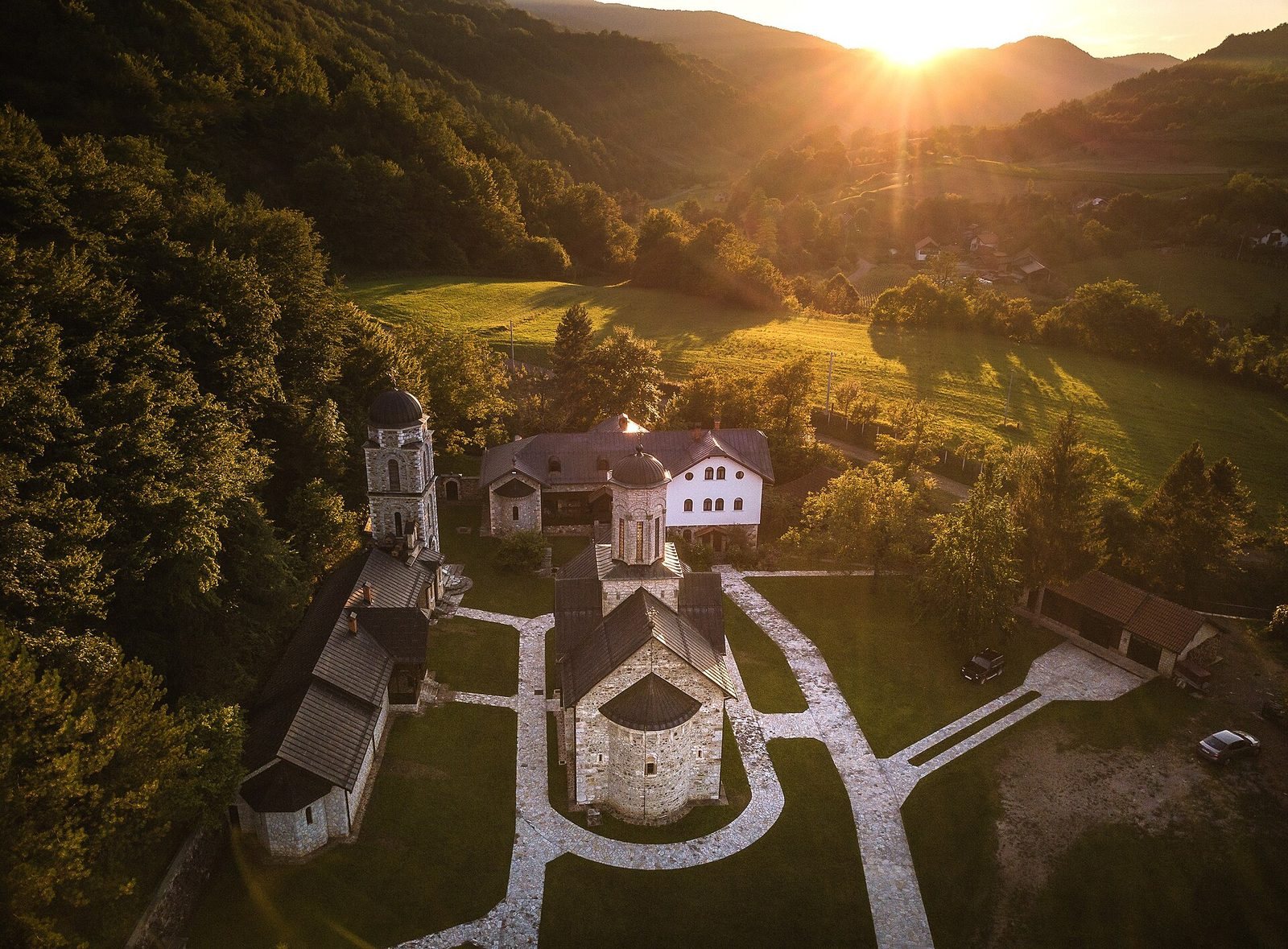
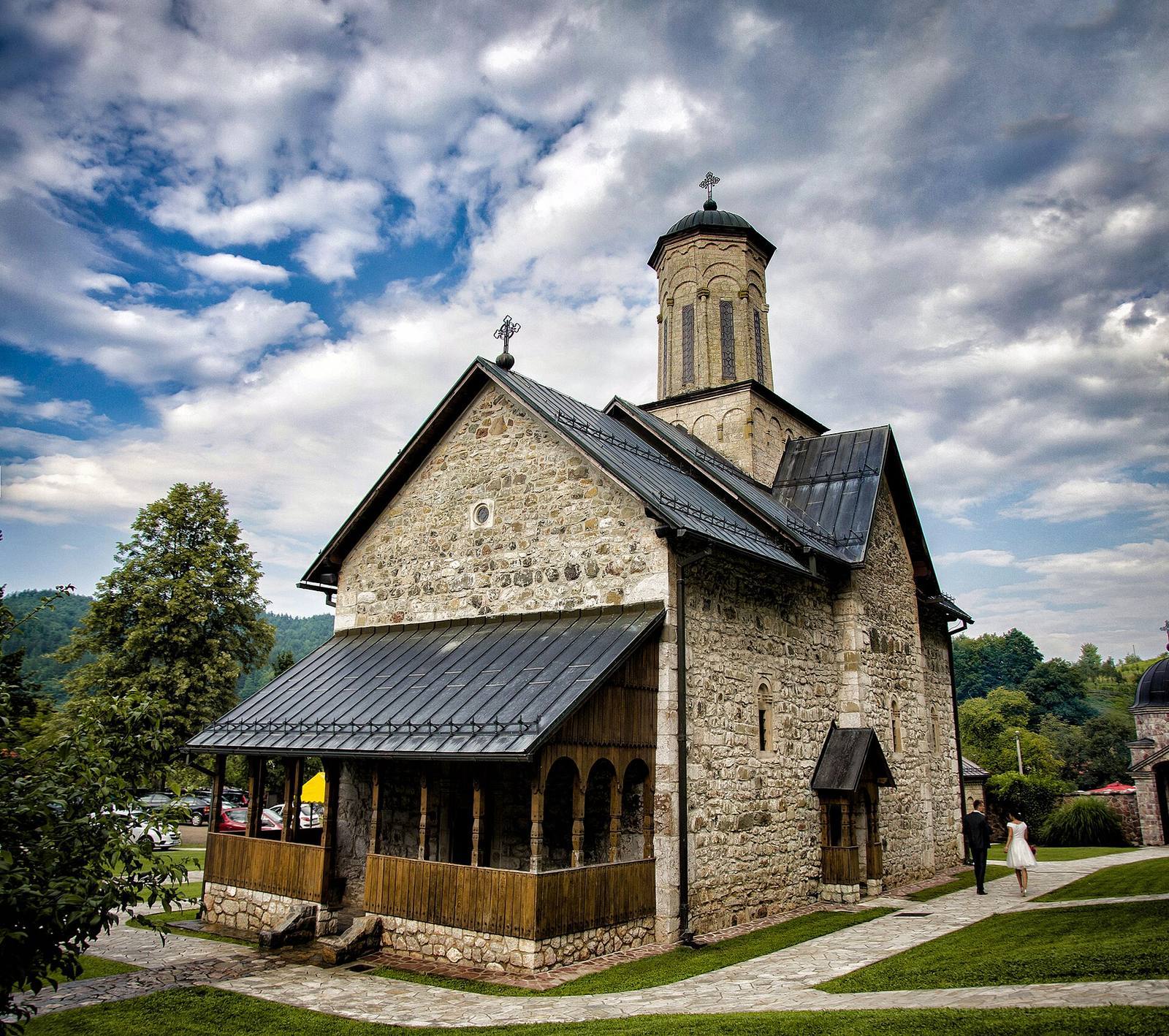
Liplje Monastery is a Serbian Orthodox monastery in Bosnia and Herzegovina, at the widest point of a narrow gorge crossed by the Bistrica River. Its medieval church has features of the Raška tradition, a Serbian architectural style. A foundation inscription dates the monastery to 1219, while other traditions link it to different Serbian religious and royal figures. Liplje also became a center of manuscript copying and has sustained monastic life again since the twentieth century.
Origins and early records
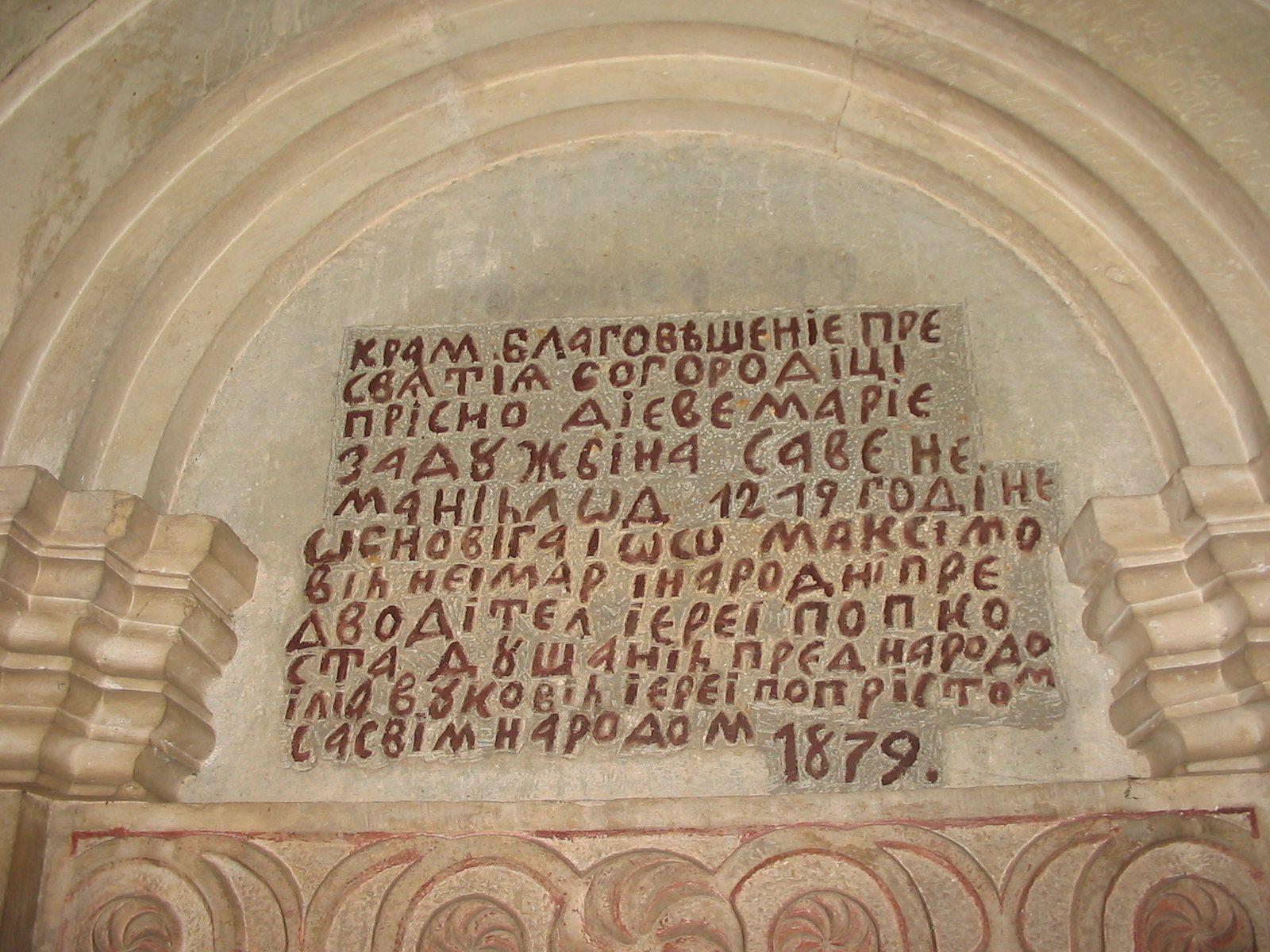
Traditions name either Saint Sava, the first archbishop of the independent Serbian Church, or Stefan Nemanja, a medieval Serbian ruler and founder of the Nemanjić dynasty, as the monastery’s founder. An inscription placed above the western entrance in 1879 gives 1219 as the foundation date. Another tradition connects Liplje to King Stefan Dragutin, a thirteenth-century ruler of the same dynasty, and describes it as his endowment in the late 1200s, perhaps built over an earlier church.
The settlement of Liplje appears in a record from 1273. A late-fifteenth-century monastic memorial book, a register of names for liturgical remembrance, may also have referred to the monastery. It was destroyed during the bombing of Belgrade on 6 April 1941, so its contents cannot now be checked. A clear reference comes from 1576, when a monk of Liplje named Ilija was ordained a priest.
Records use both Liplje and Osovica for the monastery or related establishments, and the relationship between the names remains uncertain. A bronze seal dated 1330 is associated with Osovica and a church there dedicated to the Annunciation. In 1612, a document names the superior at Osovica, the priest-monk Christofor, separately from Gerasim, an elder at Liplje. Two places called Liplje, each with a ruined church, were identified in 1883, but it remains unclear whether the references describe separate monasteries or locations. A manuscript note also associates a Psalter with a church of the Presentation at Liplje. The monastery’s original dedication was to Saint Nicholas.
A manuscript-copying workshop operated at Liplje, perhaps from the monastery’s beginnings, and the community was flourishing by the early seventeenth century. In 1615, a flood damaged the monastery and its property and killed residents. One account of the disaster describes ten monks and four deacons killed, with three survivors, but the episode may instead concern a dependent establishment in the Bistrica canyon.
Destruction and parish use
In 1696, Ottoman forces plundered and burned Liplje during the Great Turkish War, a major late-seventeenth-century conflict involving the Ottoman Empire. The monks fled to Orahovica Monastery in Slavonia, a historical region in present-day Croatia, taking books and manuscripts with them. These were kept there until 1991. Monastic life at Liplje then ceased for more than two centuries, though the church remained a gathering place and served as a parish church during the eighteenth and nineteenth centuries.
Restoration and renewed monastic life
In 1858, Ottoman Sultan Abdülmecid granted permission to restore the church, but local officials delayed the work. Restoration began in 1867 and was completed in 1879. Priests Kosta Dušanić, Risto Jungić-Pulija, and Stojan Stanković-Špica worked on the project with local farmer Ilija Vuković. Master builder Joso Maksimović of Banja Luka may also have overseen the work. The church’s dedication changed from Saint Nicholas to the Annunciation of the Theotokos, or Mary as the Mother of God. Lazar Jovanović painted the iconostasis, the screen separating the sanctuary from the main church.
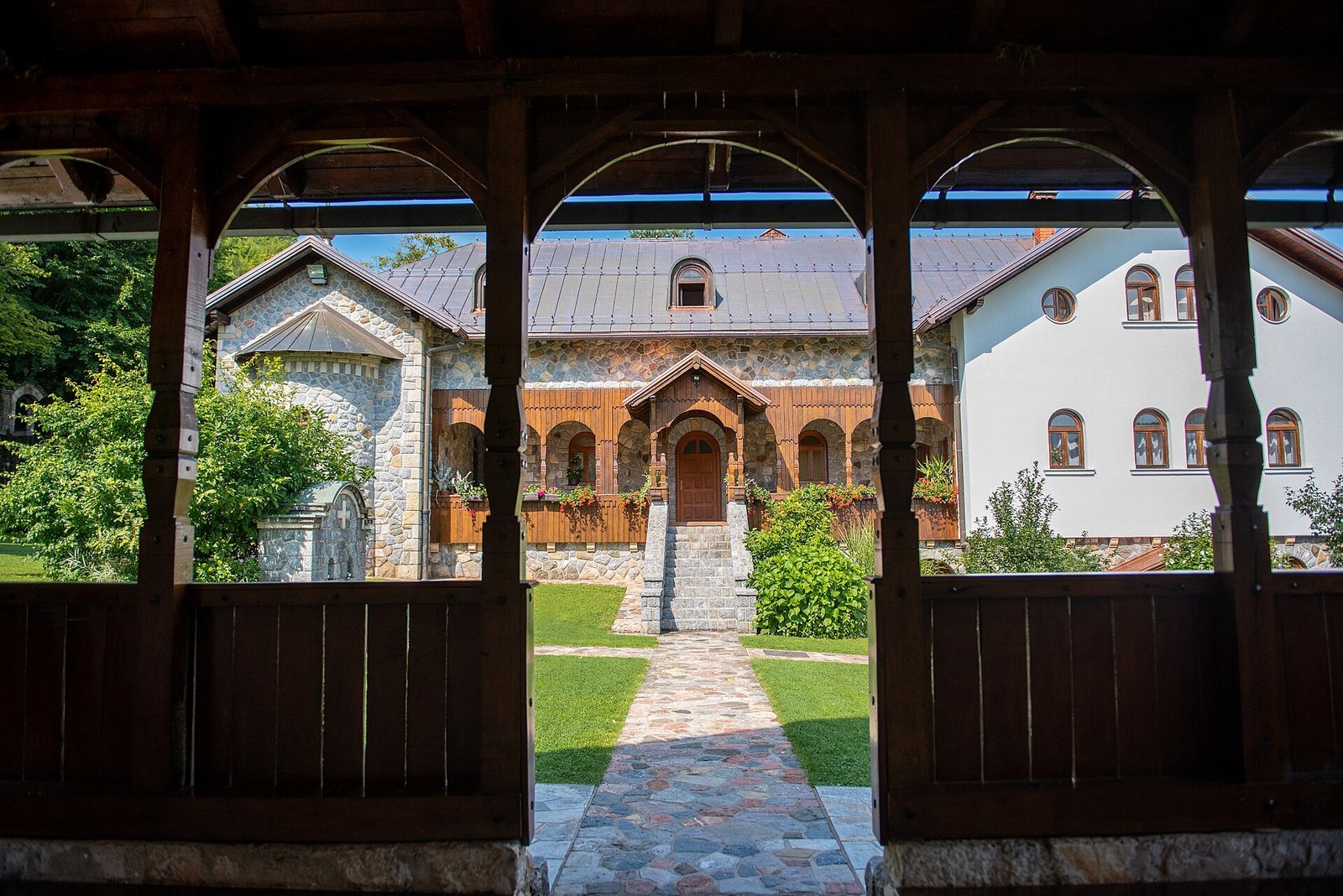
A bell tower was added to the western facade in 1922 and taken down in the 1980s. The church also suffered damage during the Second World War. Monastic life resumed at Liplje in 1965, and a major renovation was completed in 1984. On 9 August 1998, Serbian Orthodox Patriarch Pavle consecrated a new monastic residence. Liplje belongs to the Banja Luka Eparchy, the Serbian Orthodox diocese. Bishop Jefrem was tonsured at the monastery in 1967; Bishop Stefan Šarić was tonsured there in 2002 and later served for a time as deputy superior.
Remains
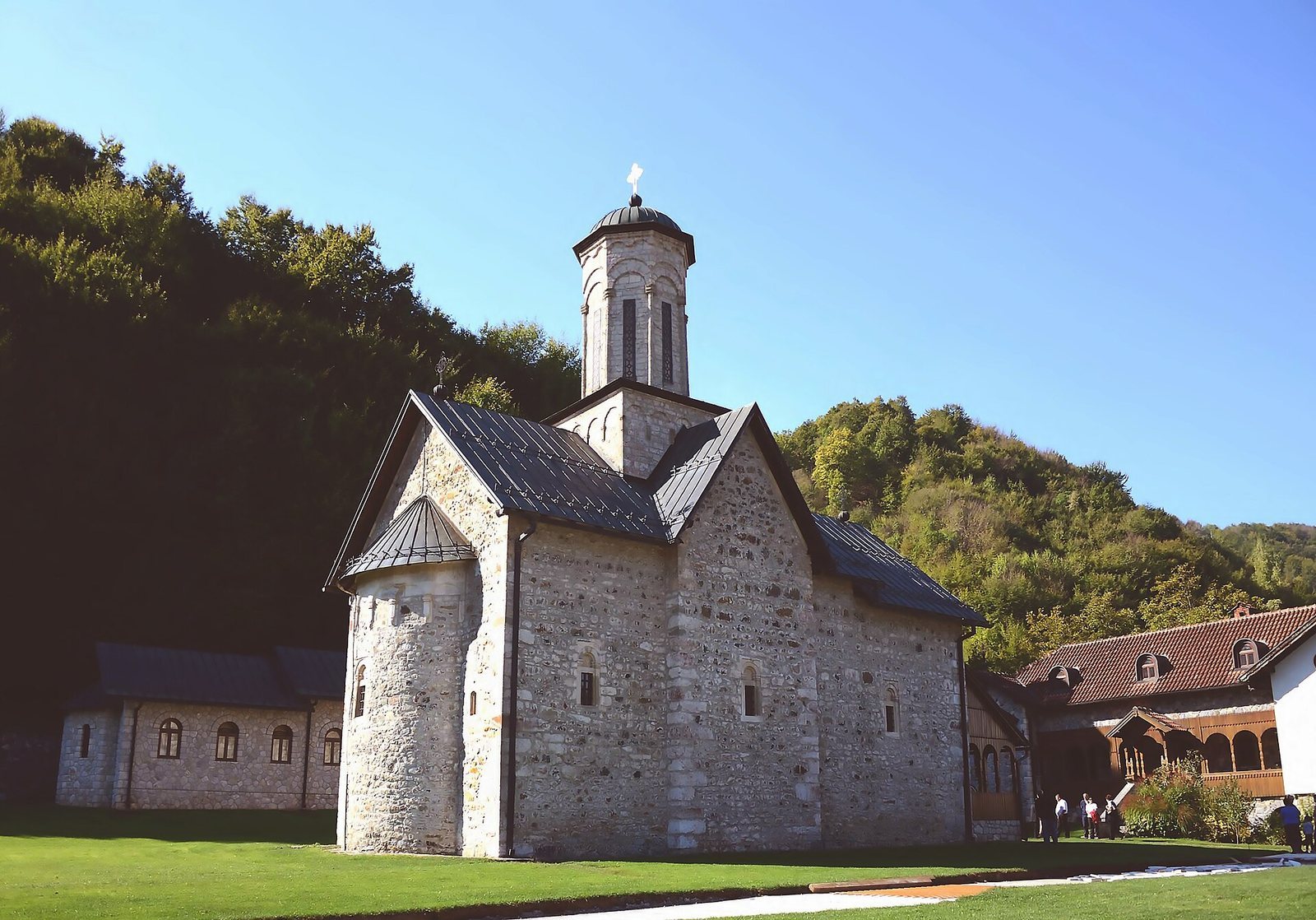
The monastery stands near the meeting of the Mliječnica stream and the Bistrica River, below Osoje. Its church occupies the broadest part of the narrow gorge. The building is about 20 metres high and has one main nave, rectangular side spaces for liturgical singing, inner and outer sanctuary apses, and a rectangular narthex, or entrance vestibule.
The church
Structure and materials
A high dome rises from a decorated square base and rests on an octagonal drum, the structure supporting the dome. Four masonry supports carry it, while semicircular arches and relatively narrow vaults help support the church’s height. The exterior walls consist of roughly shaped stone and were later covered with plaster. Dressed stone slabs form the floor, which was probably added at a later date.
Exterior decoration and frescoes
Stepped moldings frame the arched windows, and shallow blind arcades, decorative rows of arches that do not open through the wall, run along the sanctuary apses’ cornices. The church was once covered with frescoes. Its lead roof was removed during the Ottoman retreat in 1690, leaving the building roofless for about 180 years. Exposure destroyed the paintings; during the nineteenth-century restoration, surviving fragments were gathered and buried beside the church wall.
Books and liturgical objects
Manuscripts and printed books
Liplje’s small collection of old books includes fragments of a canon to Mary and a five-tone Octoechos, a liturgical book that arranges hymns by musical mode. It also contains additional stichera and canons, forms of Orthodox hymn. Among its printed works are a Book of Needs printed at Mileševa in 1546; a priest’s service book issued by Božidar Vuković in 1519; and a Psalter from Vuković’s press dated 1519 or 1520. The collection also includes a hymnbook published in 1546 by Vuković’s son Vincenzo and a Wallachian printed miscellany from 1579.
The antimension
A painted antimension, a consecrated cloth used in Orthodox worship, bears the date 1746. Its central scene shows Christ being laid in the tomb, with Joseph of Arimathea and Nicodemus beside him and a large cross crowned with thorns behind them. The corners contain medallions of the Evangelists and their symbols. Floral patterns and calligraphic text, adapted from fifteenth-century Renaissance books, decorate the sides. Inscriptions name Metropolitan Gavrilo Mihailović as the consecrator and Archdeacon Gerasim as responsible for its production.