Chaharbagh Palace: A Safavid Royal Storehouse and Museum in Isfahan
Site at a Glance
- Popularity
- Medium
- Country
- Iran
- Primary era
- Early Modern
- Eras represented
- Early Modern, Modern
- Civilizations
- Qajar, Safavid
- Site type
- Domestic
- Remains
- Elite Residence
On this page9 sections
History
Safavid foundation
Chaharbagh Palace is a building in the Safavid royal precinct in central Isfahan, Iran, dating to the rule of Shah Abbas I (1588–1629). The Safavid dynasty governed Iran from 1501 to 1736, and Shah Abbas I was one of its leading rulers. An earlier name described the building as a store for riding equipment, reflecting its use for riding gear and horse tack owned by the state.
Qajar restoration and use
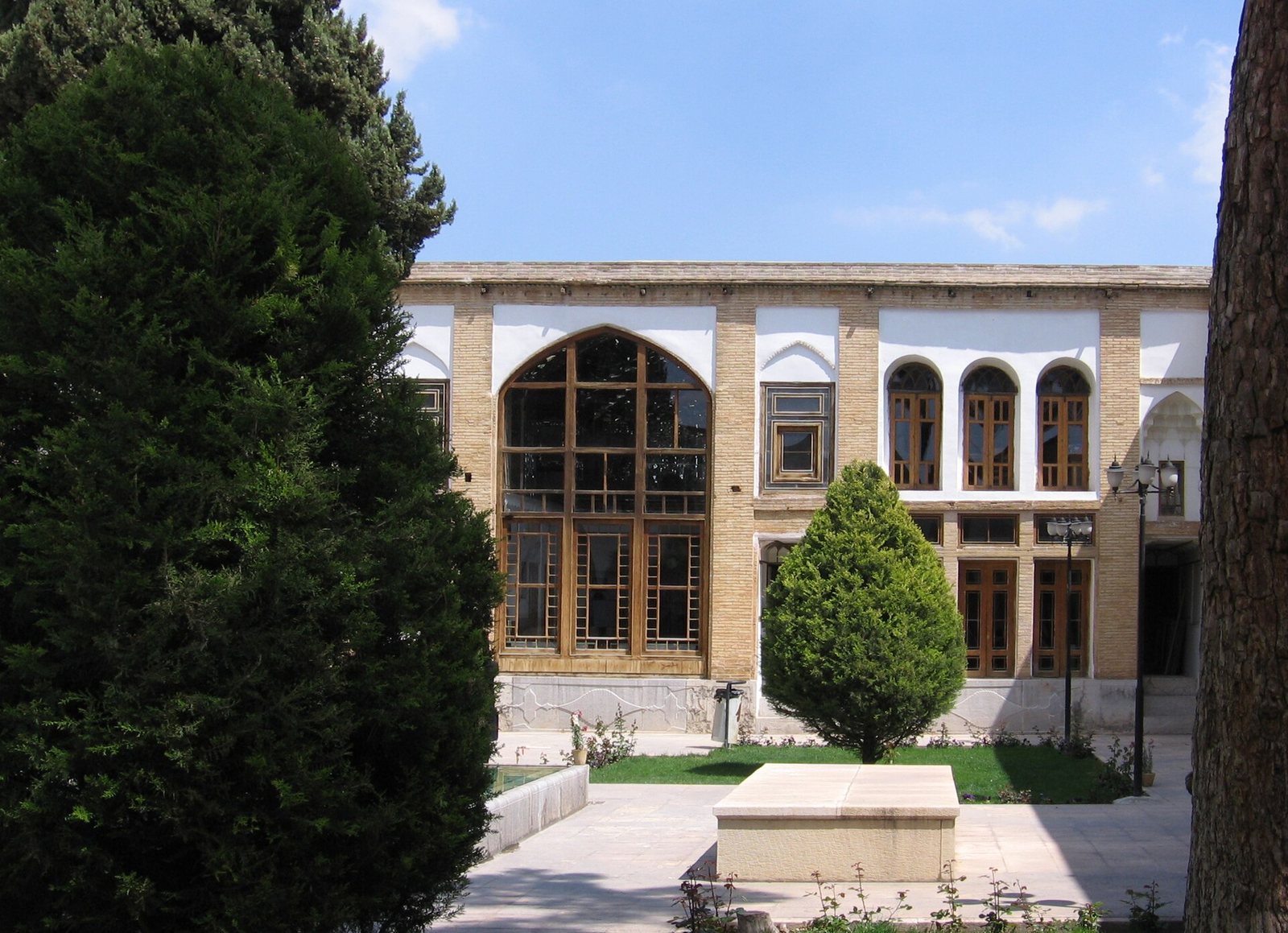
After Safavid government ended, the building was abandoned. During the Qajar era, when the dynasty ruled Iran from 1789 to 1925, Mohammad-Hossein Khan Sadr Isfahani ordered its restoration. He was a statesman and grand vizier, the shah’s chief minister. Following the work, the building became known as Chaharbagh Palace or the Covered Palace and served as the residence of Isfahan’s governor. During the rule of Zill al-Sultan, a Qajar prince and governor of Isfahan, further repairs and additions were made.
Pahlavi period
Under the Pahlavi dynasty, which ruled from 1925 to 1979, the palace first housed Isfahan’s provincial governor and later the city’s statistics and civil-registration office. Alterations affected the building, particularly on its western side.
Restoration and museum use
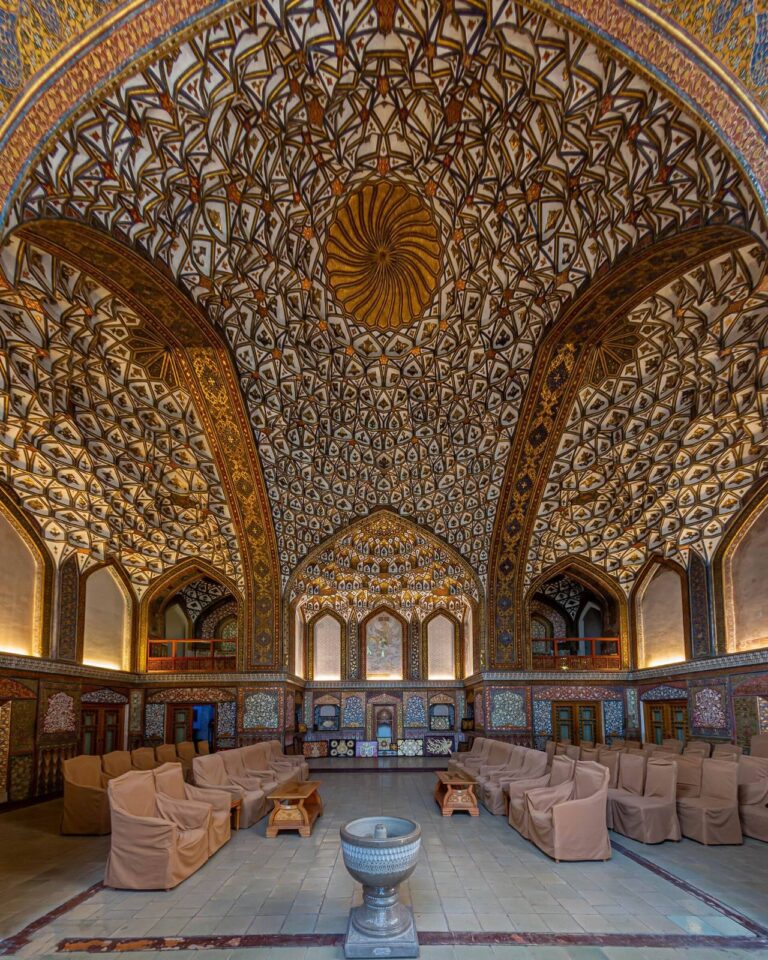
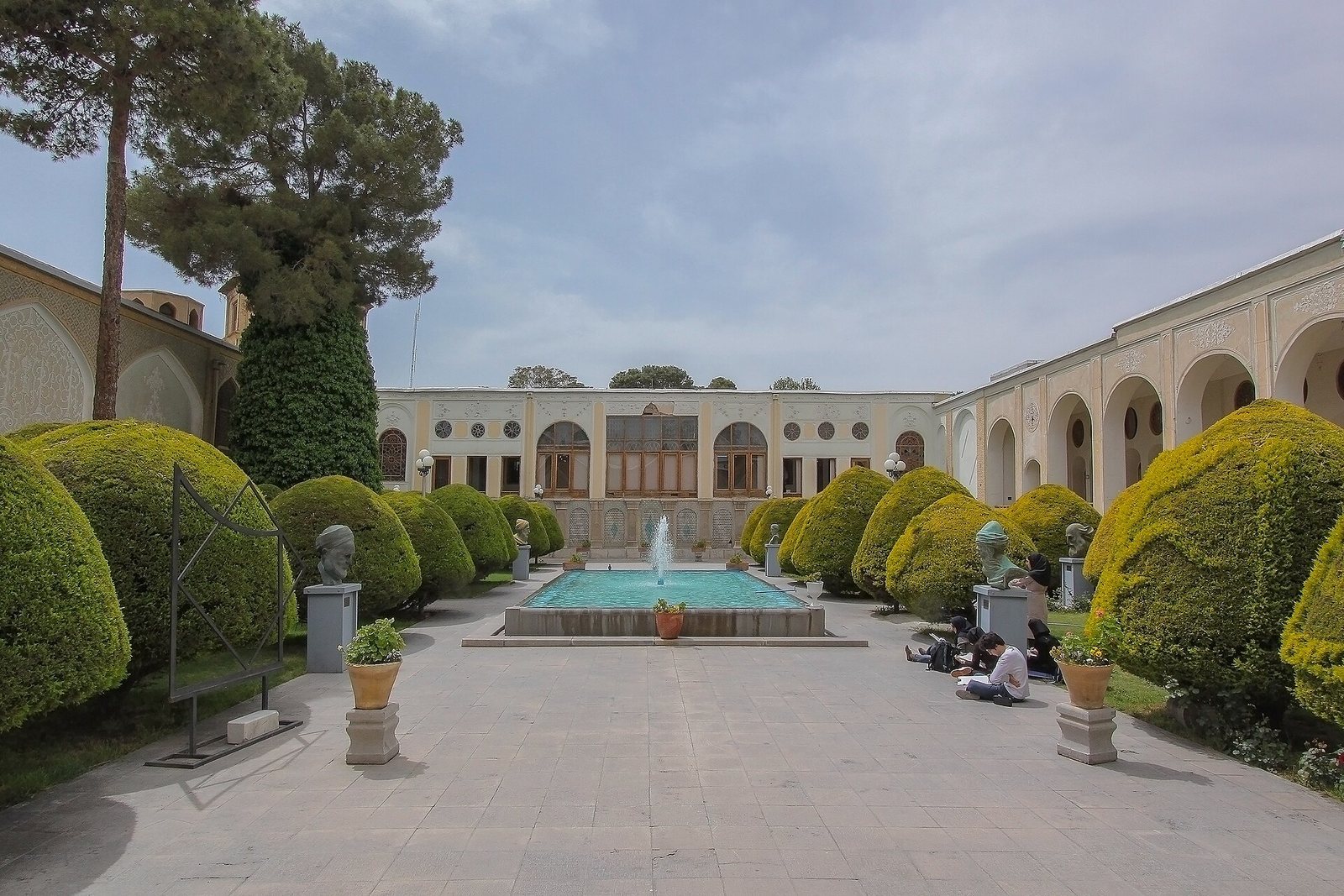
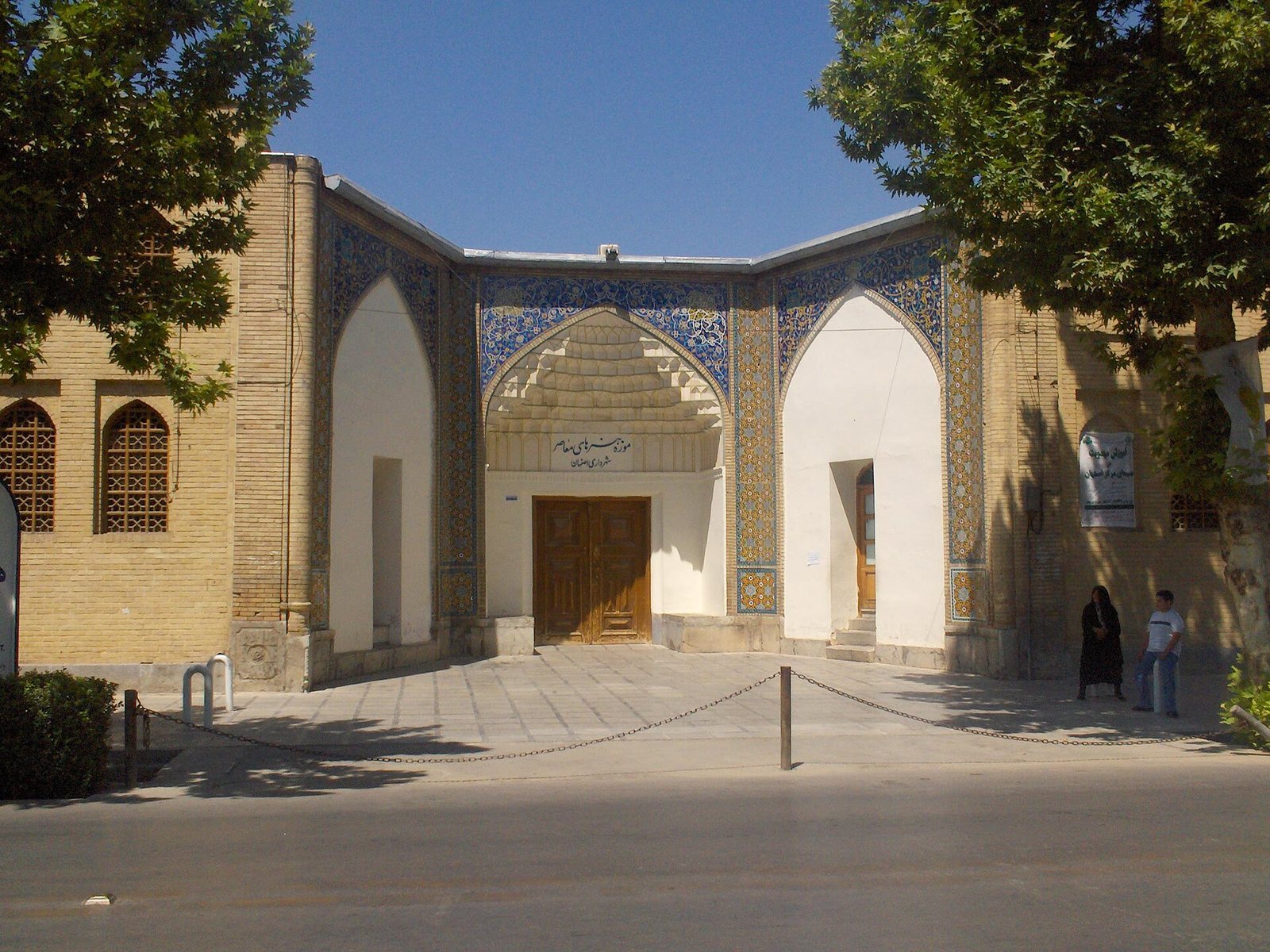
After the 1979 revolution, major restoration prepared the building to display decorative-art collections transferred from museums in Tehran, alongside other historic objects. The collections later opened to the public, and the palace now houses the Museum of Decorative and Contemporary Art of Isfahan. It may also have been damaged after U.S. and Israeli attacks on the historic Safavid royal precinct.
Remains
Setting and tower
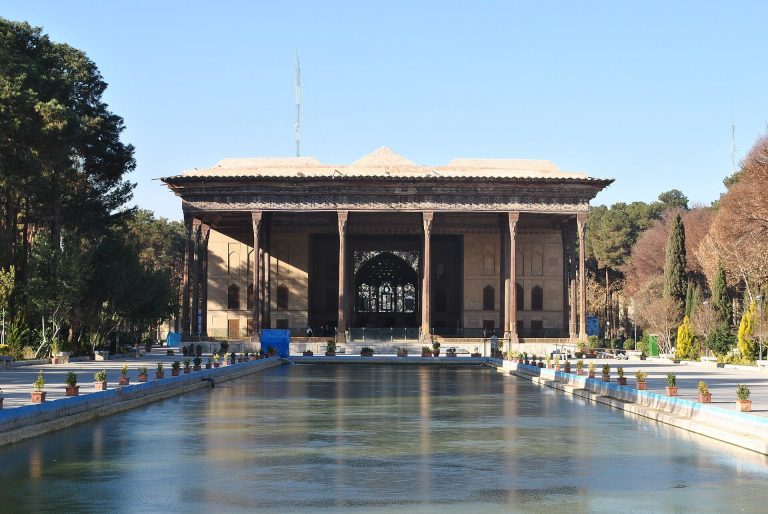
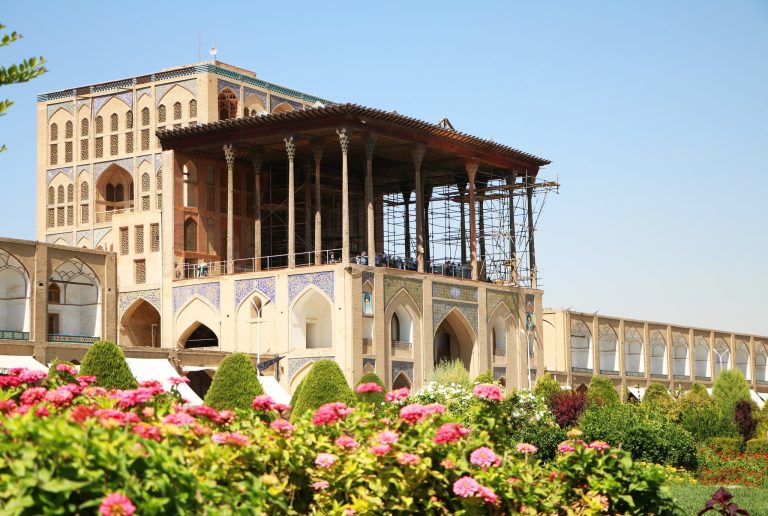
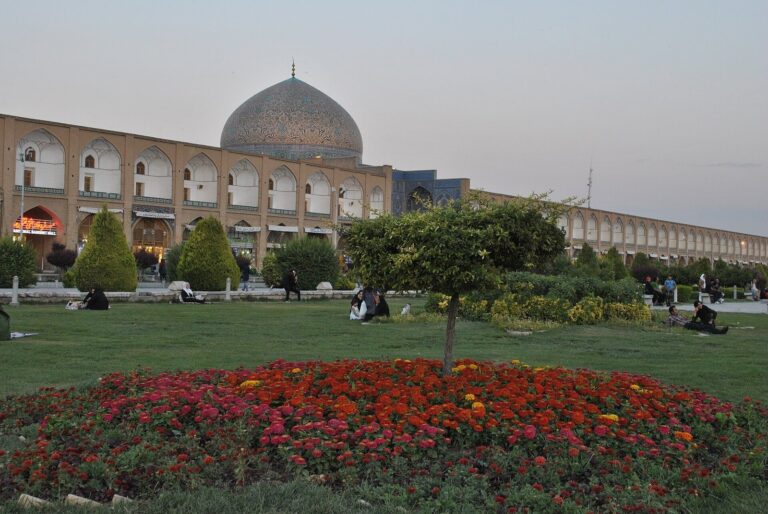
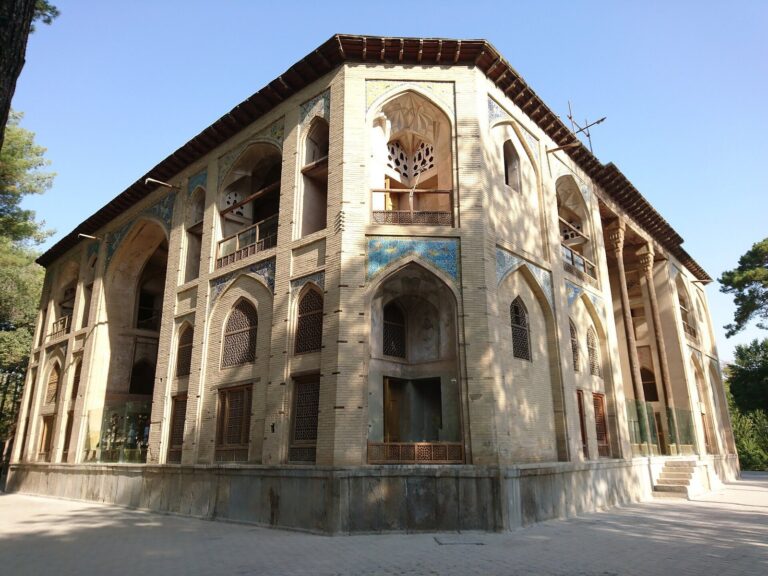
The palace stands between Government Gate and Naqsh-e Jahan Square, near Chehel Sotoun Palace, Ali Qapu Palace, Ashraf Hall, and Tohidkhaneh. A multi-storey polygonal tower occupies one corner of the building and provides a view over the city and the extent of the royal buildings.
Covered Hall
Column bases from the Covered Hall are now kept at Chehel Sotoun. Pascal Coste, a French architect and artist, also depicted the hall.
Museum spaces and displays
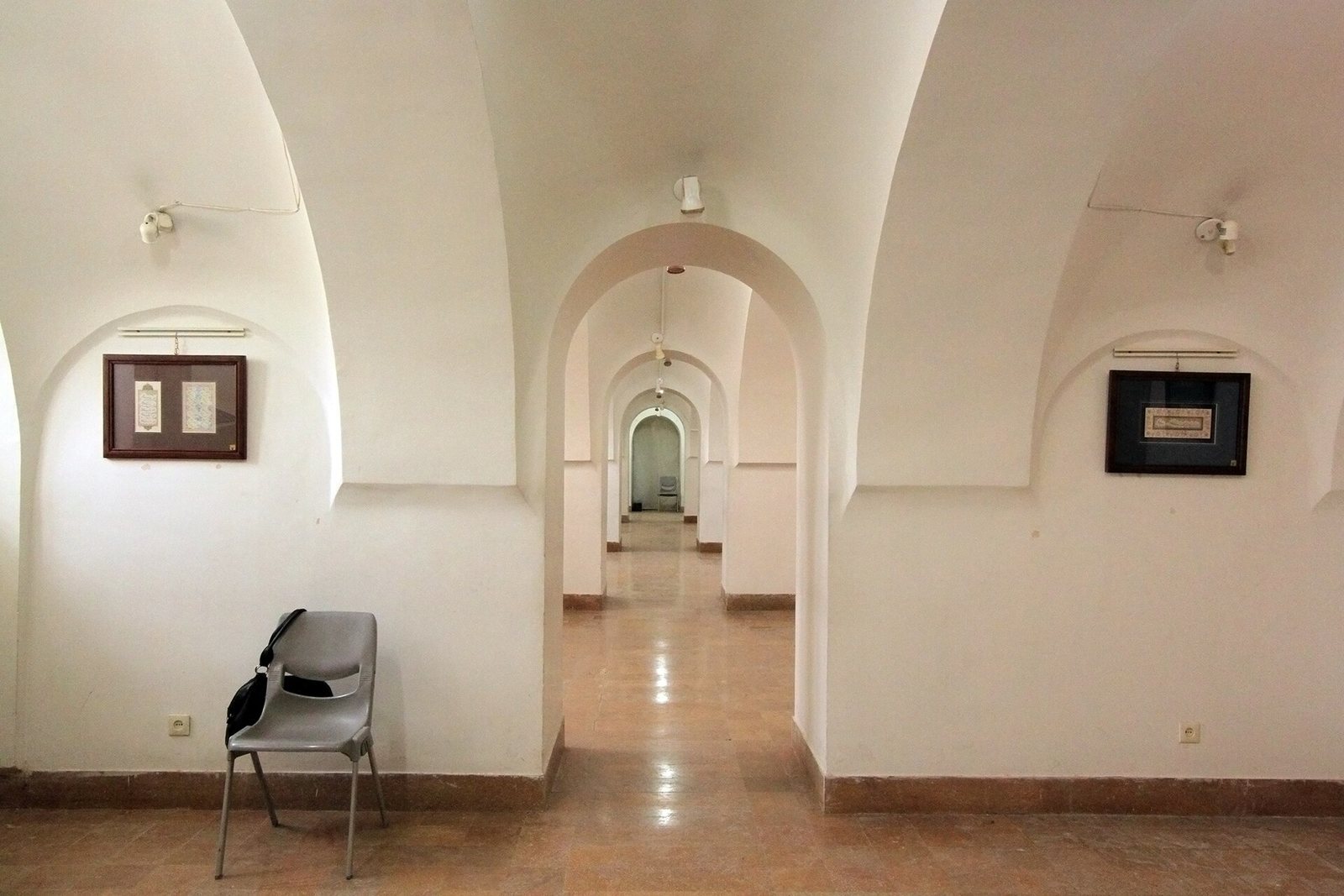
The museum occupies about 2,600 square metres, including approximately 1,200 square metres of exhibition space. Its displays are arranged in seven permanent sections and include hundreds of artworks.