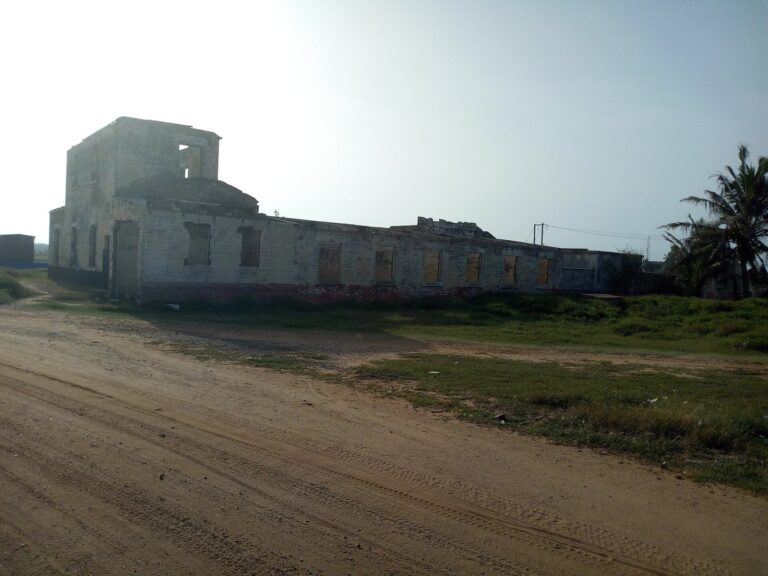
Fort Fredensborg: A Danish Colonial Trading Post in Ghana

Site at a Glance
- Popularity
- Medium
- Country
- Ghana
- Primary era
- Early Modern
- Eras represented
- Early Modern
- Civilizations
- Denmark–Norway
- Site type
- Military
- Remains
- Fort
On this page4 sections
History
Construction and Dutch opposition
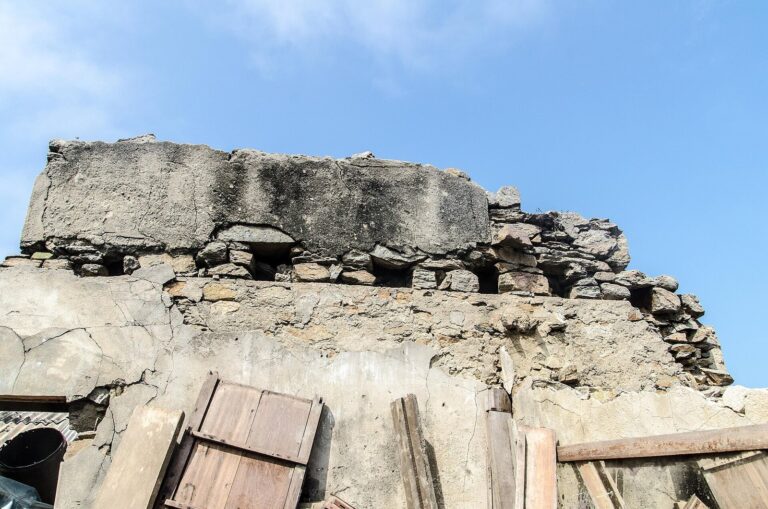
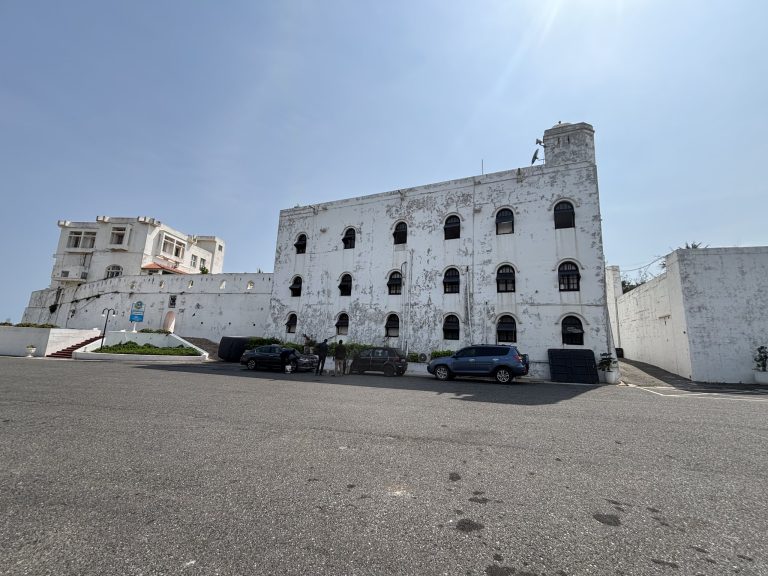
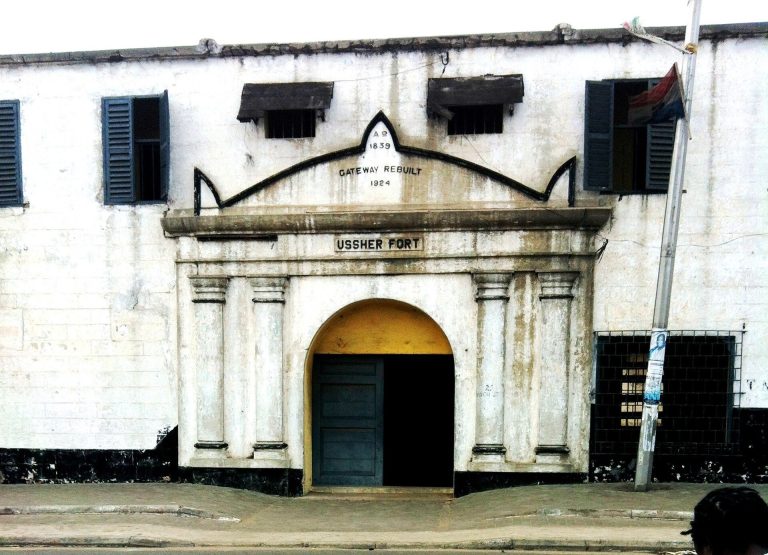
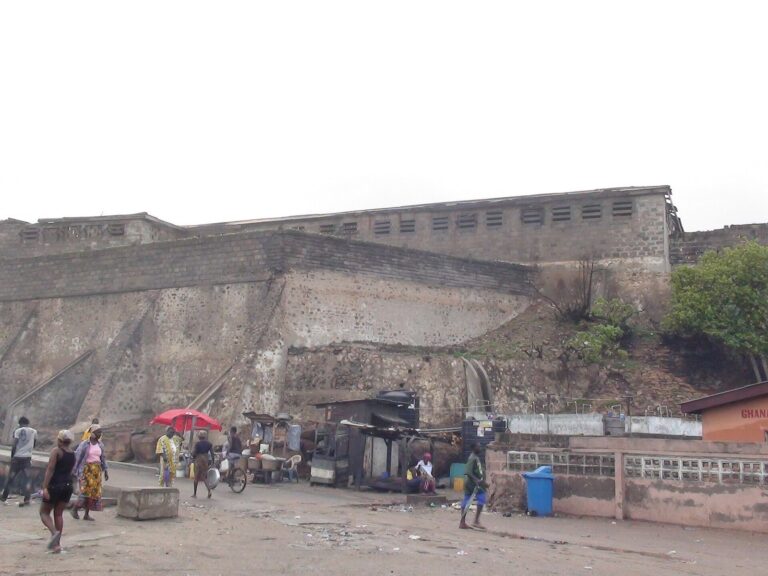
Fort Fredensborg was a Danish-Norwegian fortified trading post at Old Ningo in Ghana’s Greater Accra Region, on the Gulf of Guinea coast. Construction under the Danish-Norwegian monarchy, in which Denmark and Norway shared a ruler, began in 1734 and was completed in 1741. The fort was intended to extend the commercial activity of Fort Christiansborg, about 30 kilometres to the west, and formed part of Danish Guinea, Denmark’s colonial holdings on the Gold Coast.
Dutch commercial rivals tried to prevent construction from 1734 to 1736. The fort nevertheless became part of Denmark’s coastal presence in the region.
Trading station, refuge, and decline
Fort Fredensborg operated as a small station in the transatlantic slave trade. Its garrison numbered only three or four soldiers, and enslaved people were kept in chains to prevent escape or revolt.
In 1742, people from Ningo sought refuge at the fort during an Ashanti attack. The Ashanti were an Akan people whose historic kingdom lay in present-day Ghana. The fort could shelter only some of those fleeing; most remained outside and were massacred.
After the slave trade was abolished, the fort rapidly declined. By 1835, only one man remained there, principally to keep the Danish flag flying.
British handover and modern status
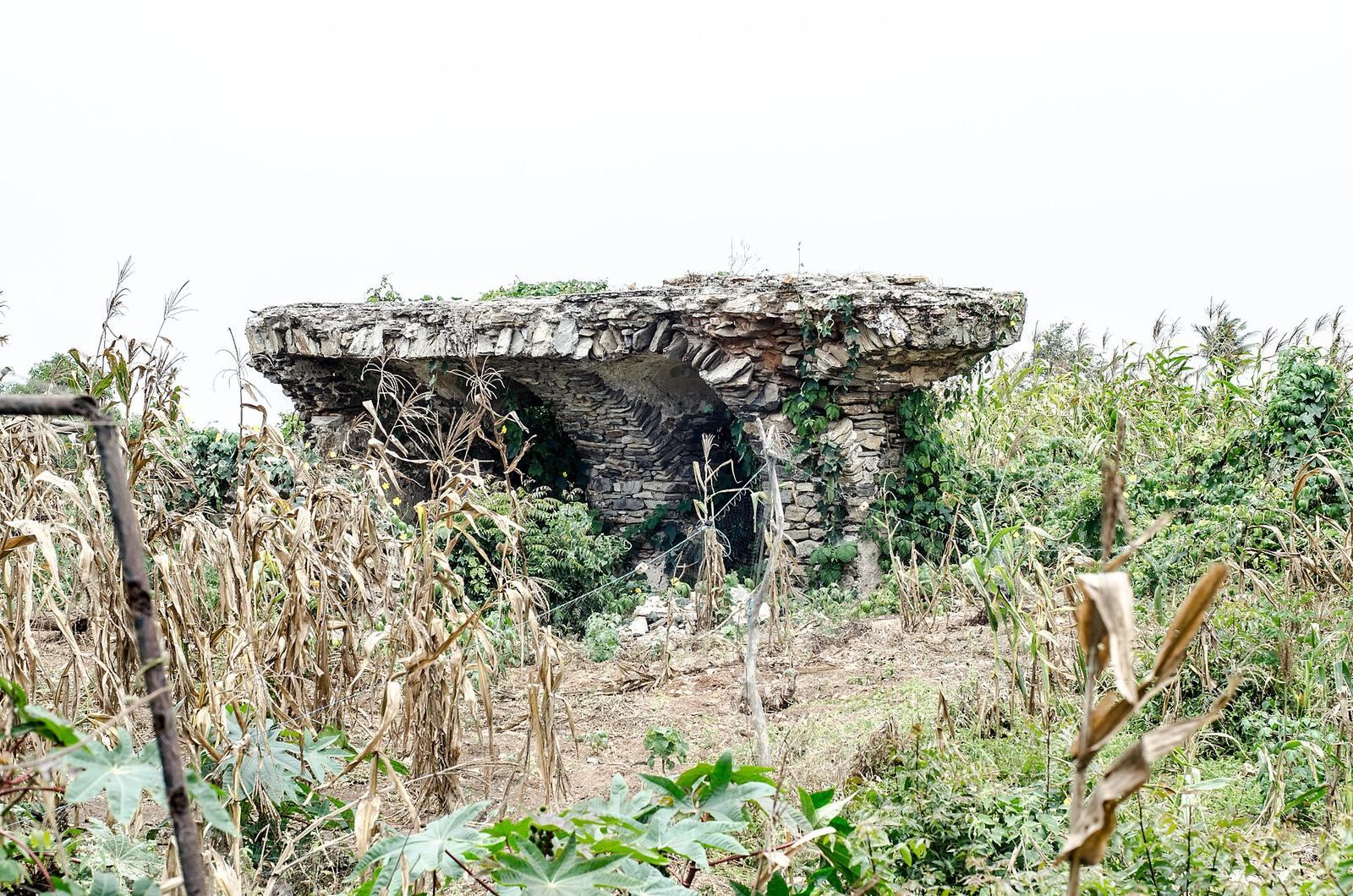
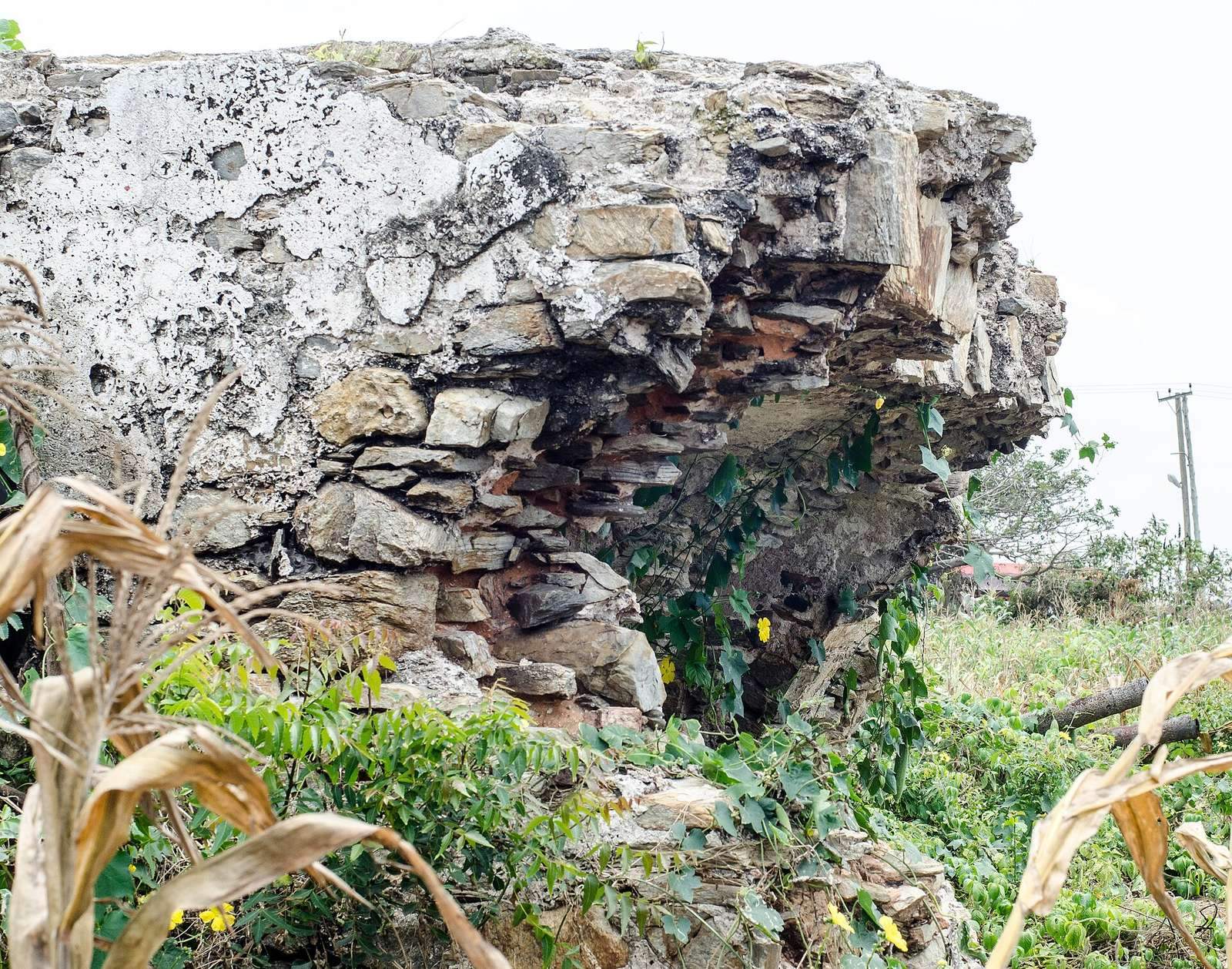
On 8 March 1850, Fort Fredensborg was handed over to the British with Denmark’s other possessions, already in ruins. Since 1979, it has been included in Ghana’s UNESCO World Heritage listing of forts and castles, recognized as evidence of the transatlantic slave trade and European colonial influence in West Africa. Rising sea levels have submerged several nearby villages and threaten the fort.