Kohoj: A Medieval Military Fort in India
Site at a Glance
- Popularity
- Medium
- Country
- India
- Primary era
- Medieval
- Eras represented
- Medieval
- Civilizations
- Unclassified
- Site type
- Military
- Remains
- Fort
On this page11 sections
History
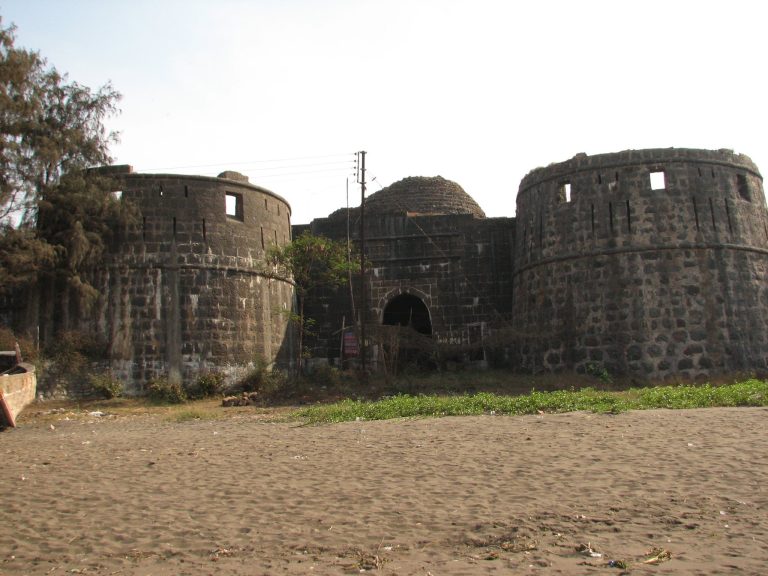
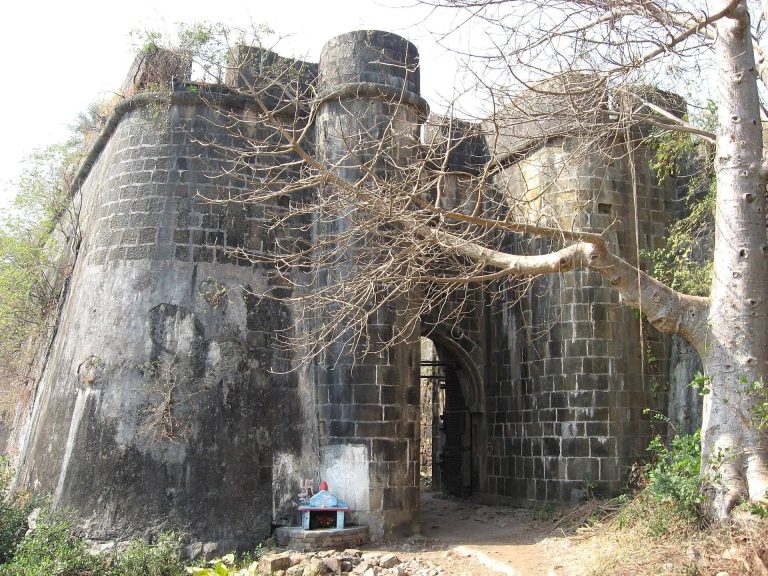
Kohoj is a medieval military fortification in India, traditionally said to be about 800 years old. It served as a lookout over the nearby coast and helped defend the surrounding territory.
Maratha and Mughal rule
Kohoj was under Maratha control until 1637. On 11 June 1665, Shivaji Maharaj, founder of the Maratha state, surrendered the fort to the Mughal Empire as part of the Treaty of Purandar, a political agreement between Shivaji and the Mughals. Kohoj was one of 23 forts handed over. Maratha control returned in 1716 and continued until 1820.
British rule and later history
Kohoj came under the British Raj, the period of British rule in India, in 1820. It remained under British rule until 1947, when control passed to the Government of India, which owns the fort. The fort has been abandoned for centuries and is dilapidated. Its temple dedicated to Shankar has been rehabilitated.
Remains
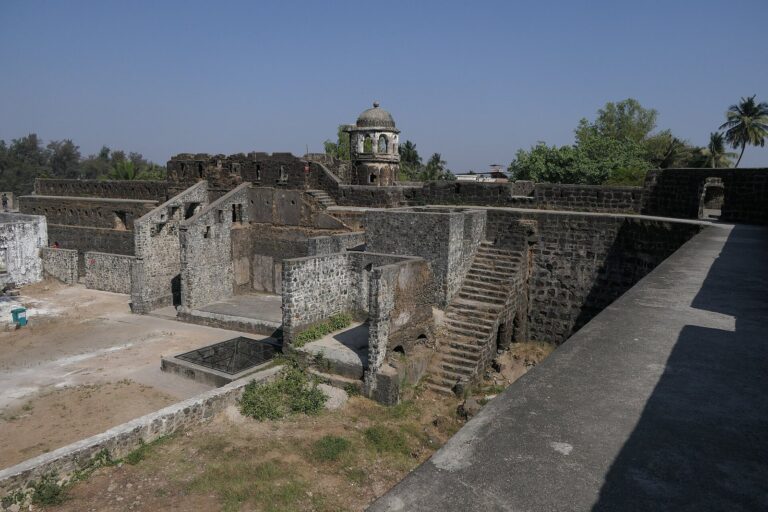
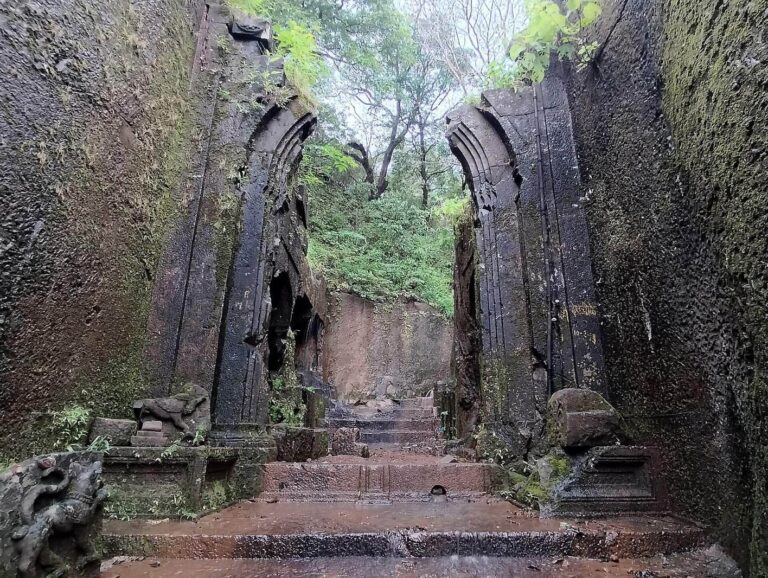
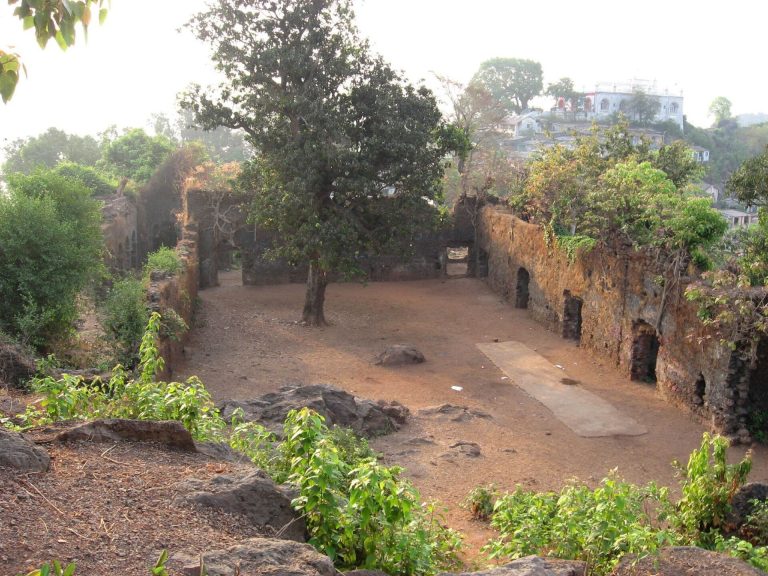
The surviving features are arranged around a plateau with a temple, rock-cut water cisterns, and scattered remains of fortification. The surrounding landscape includes a lake at the foot of the fort and views from the summit across nearby forts, a pinnacle, and the Arabian Sea.
Plateau structures and water supply
Temples
The plateau temple is dedicated to Shankar, another name for the Hindu deity Shiva. It is so small that it can barely accommodate two people at once. A temple dedicated to Krishna lies farther along the route up the hill.
Rock-cut cisterns
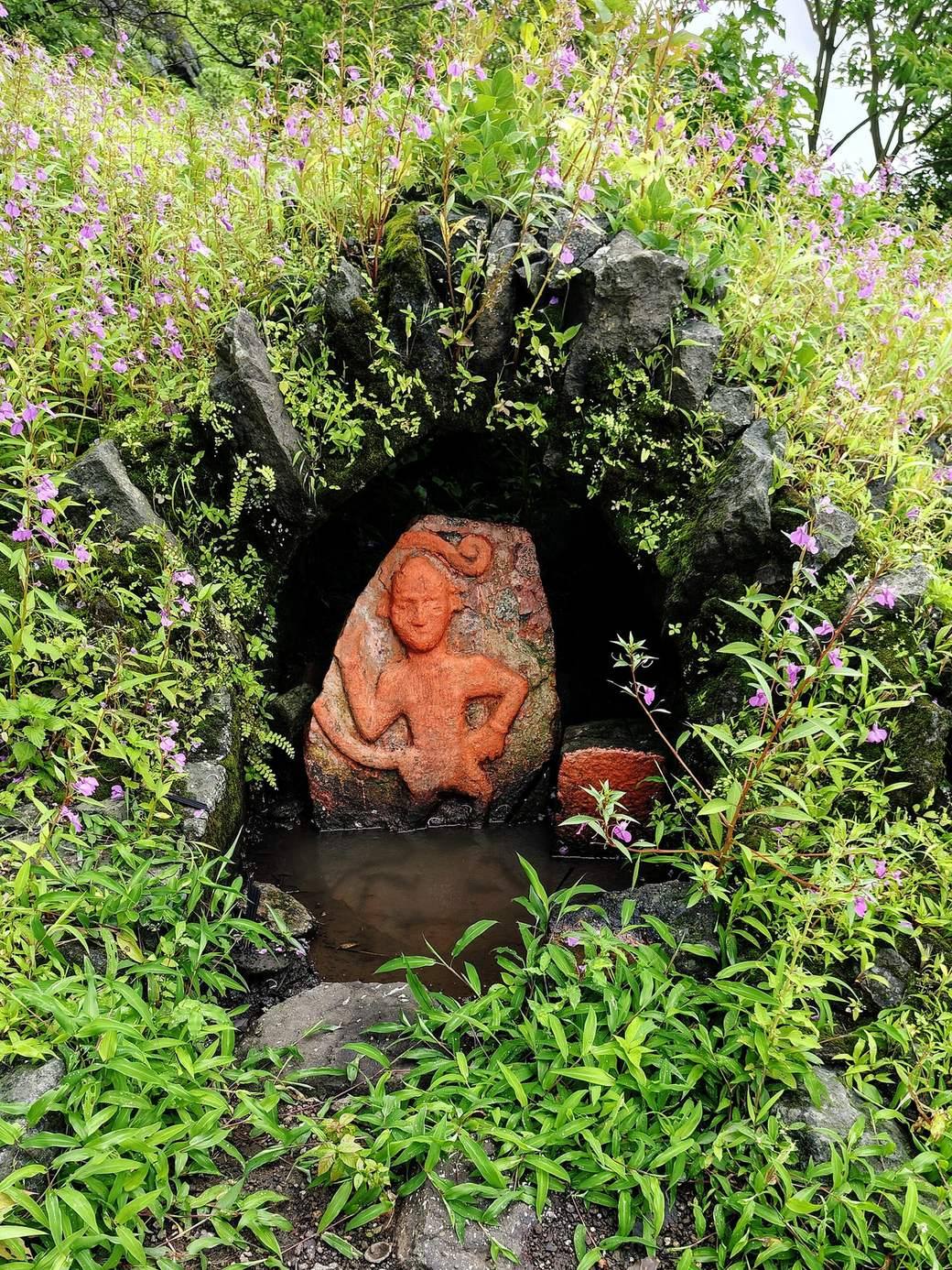
The stated total of ten cisterns differs from the twelve indicated by their described locations. Two cisterns lie in front of the temple, while seven adjoining ones follow a path descending from its left side. Of those seven, one holds clean water, two are out of use, and four are clogged. Three large cisterns lie along the route ascending to the temple’s right; two hold water suitable for drinking and one is clogged. An idol of Hanuman, a Hindu deity associated with devotion and strength, stands near this group.
Fortification and landforms
Surviving fortification
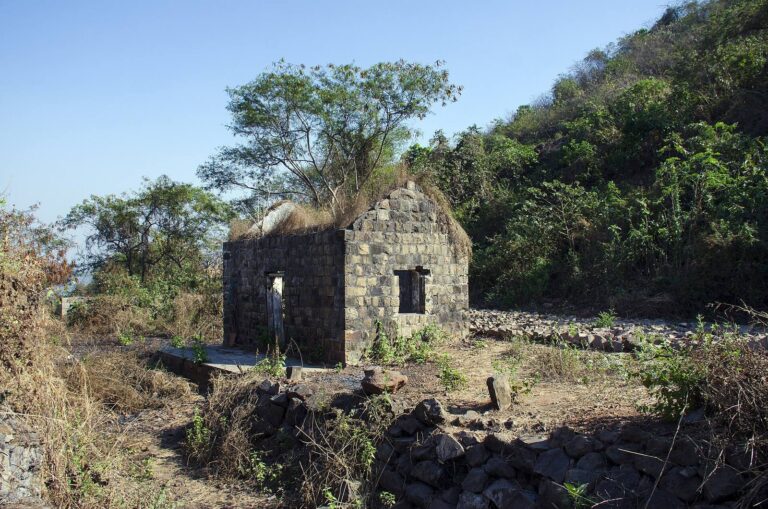
A few dilapidated remains lie to the right of the temple, and sections of the fortification survive in places.
Eroded pinnacle
Wind erosion has shaped a pinnacle on the fort into a form resembling a human figure. Its apparent shape changes when viewed from different directions.
Landscape and elevation
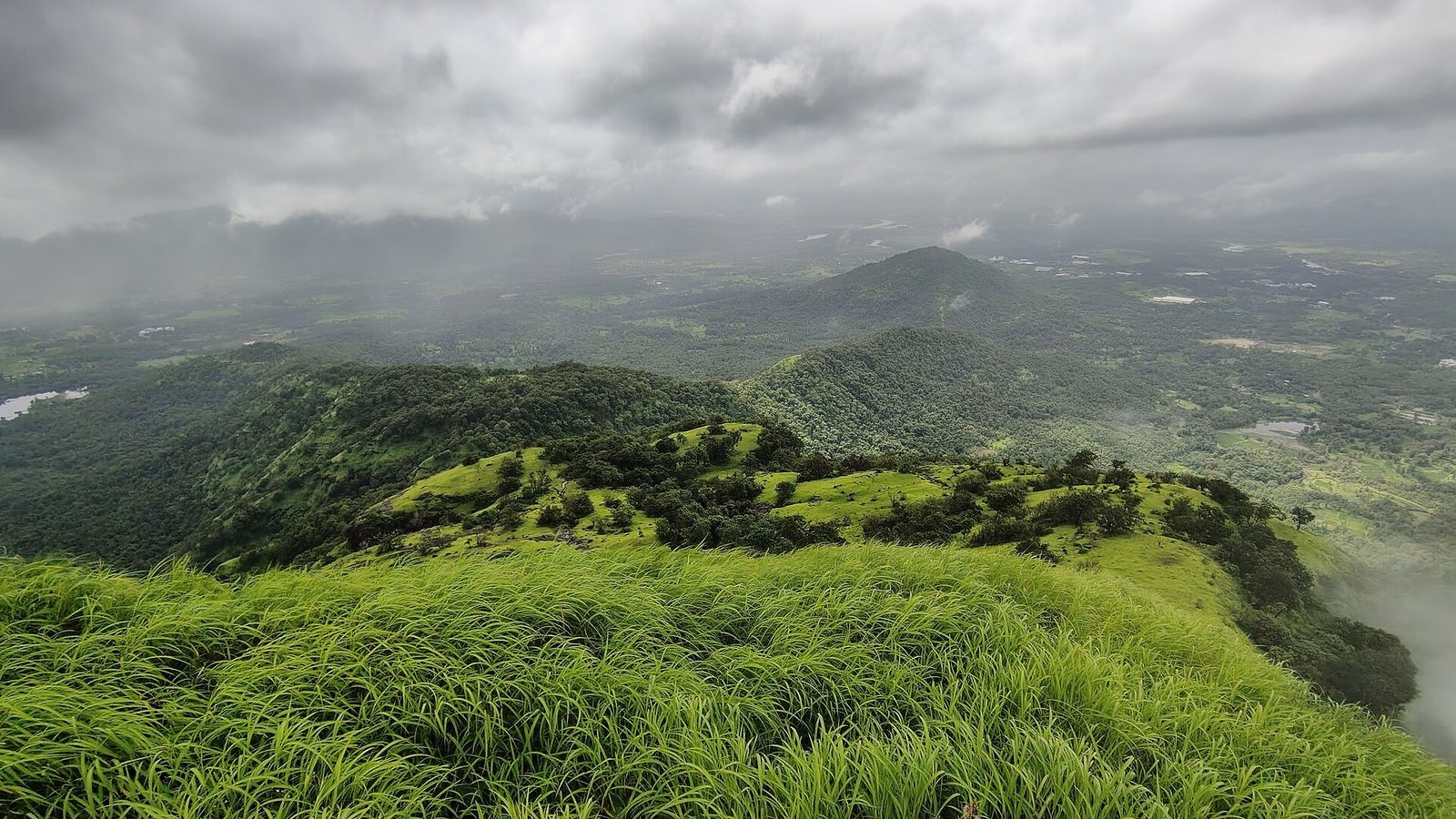
Pazhar Lake lies at the foot of the fort. From the summit, the forts of Tandulwadi, Takmak, and Asheri are visible, along with Mahalaxmi Pinnacle and the Arabian Sea. Reported elevations differ, with one figure giving about 2,000 feet (610 m) and another about 3,200 feet.