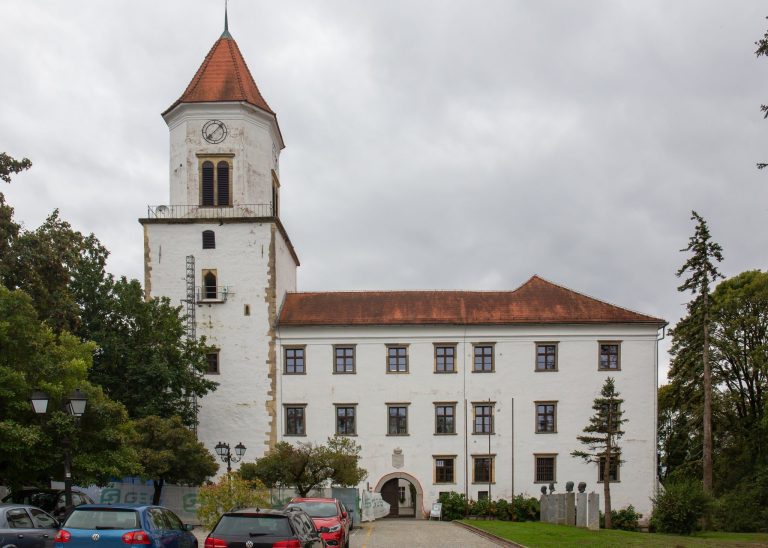
Sveta Jelena: A Medieval Pauline Monastery in Croatia
Site at a Glance
- Popularity
- Medium
- Country
- Croatia
- Primary era
- Medieval
- Eras represented
- Medieval
- Civilizations
- Hungarian
- Site type
- Religious
- Remains
- Monastery
On this page7 sections
History
Foundation and monastery life
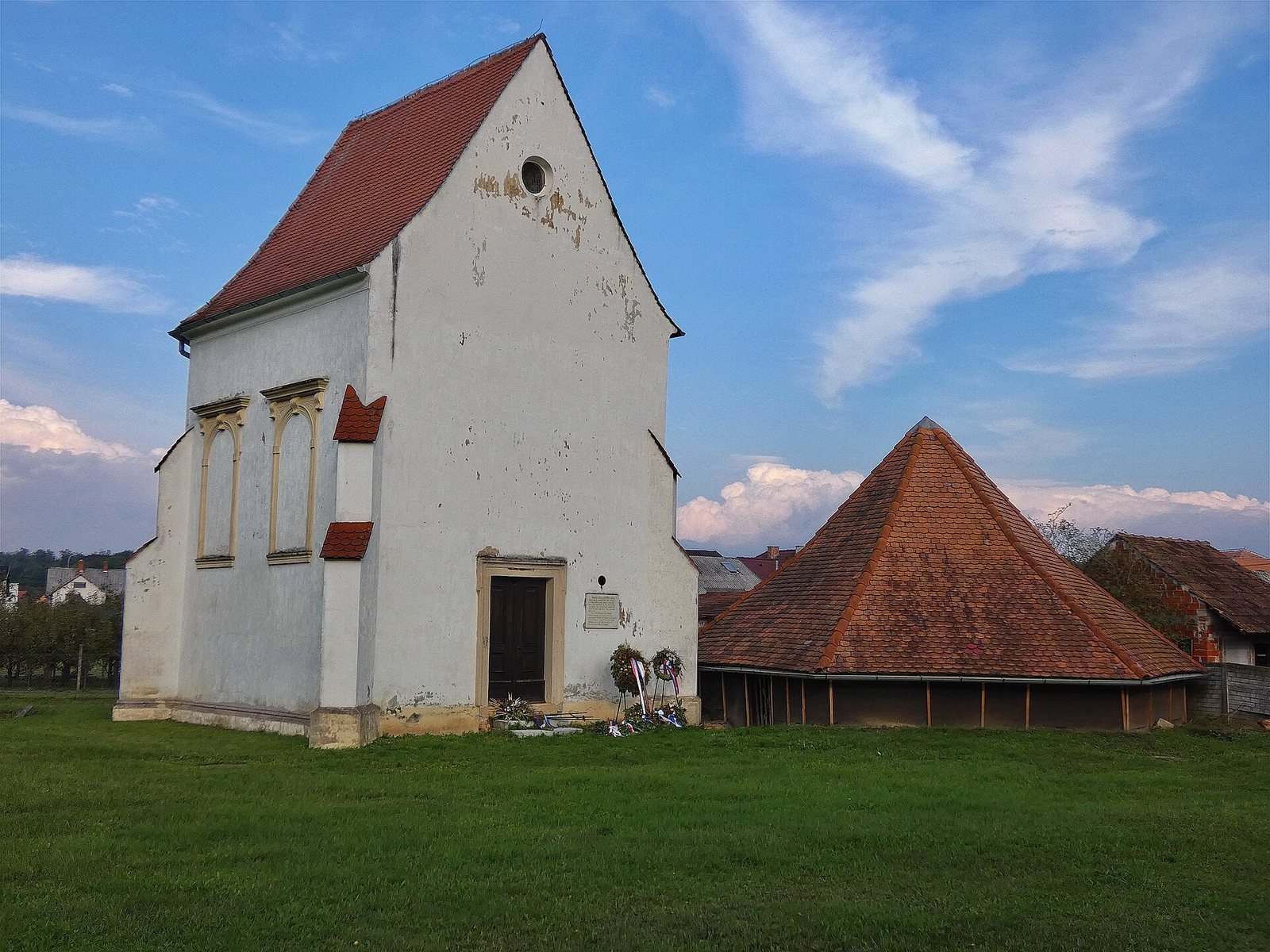
Sveta Jelena is the site of a medieval Pauline monastery in Šenkovec, Croatia, about two kilometres north of Čakovec. Stephen II Lackfi, a Croatian nobleman and Ban of Croatia, a senior royal office with governing and military responsibilities, founded the monastery on 27 August 1376. The Paulines were a Catholic monastic order. The monastery was first dedicated to the Assumption of the Blessed Virgin Mary and All Saints.
The Zrinski, Althann, and Knežević noble families administered the site for extended periods. Sveta Jelena was once a separate settlement and is now part of the settlement and municipality of Šenkovec.
Dissolution and later history
On 7 February 1786, Joseph II, a Habsburg ruler and Holy Roman Emperor, abolished the Pauline Order, and its members left the monastery. Fires and earthquakes repeatedly damaged or partly destroyed the complex, leading to rebuilding over the centuries. The earthquake of 1880 nearly destroyed the buildings that remained.
The Međimurje County Museum in Čakovec carried out partial archaeological excavations and investigations in 1990 and 1997. Research at the site has continued.
Remains
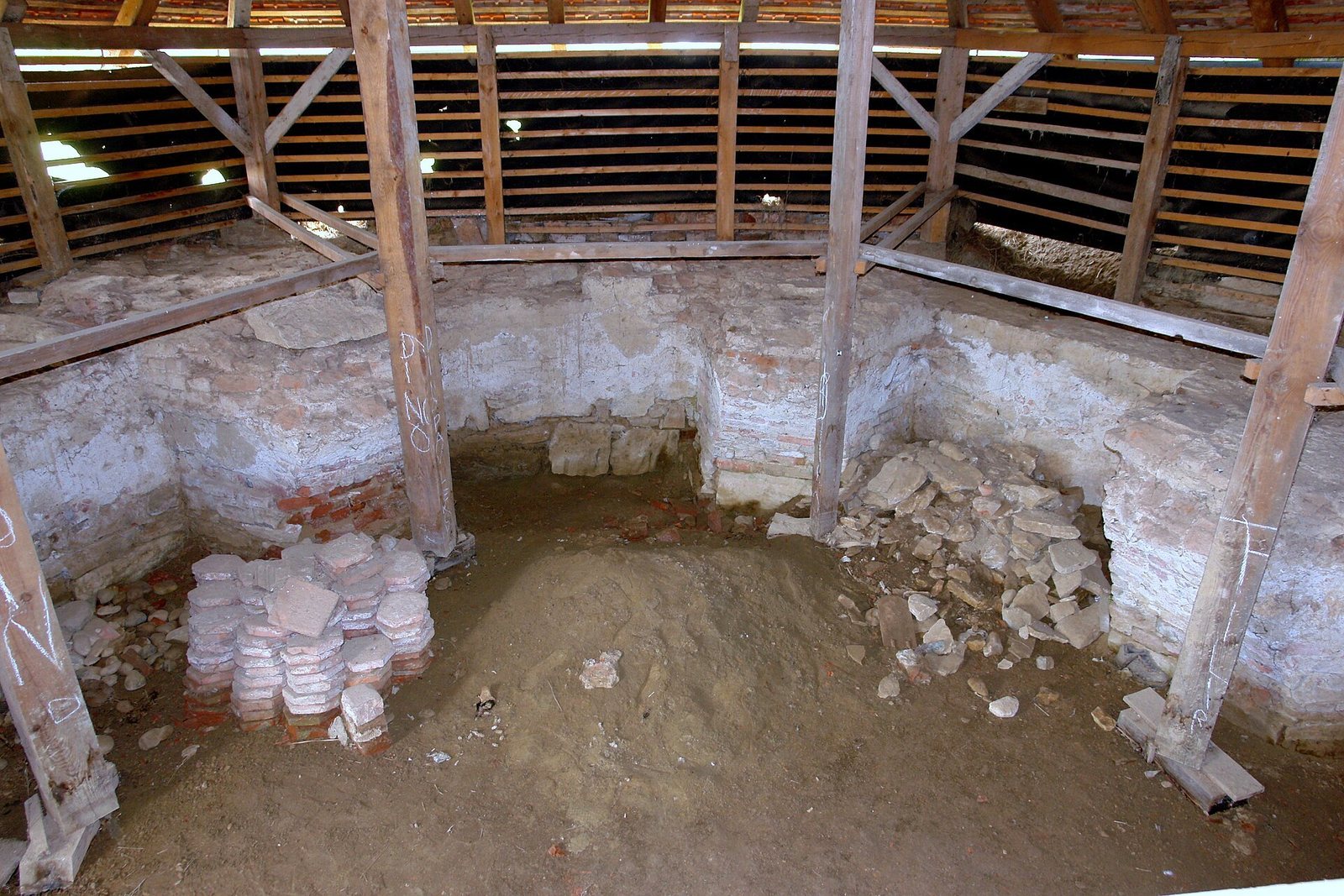
The monastery complex comprised a church, a chapel, and supporting buildings. Its surviving remains include the chapel and foundations of the former complex.
Architectural remains
Chapel
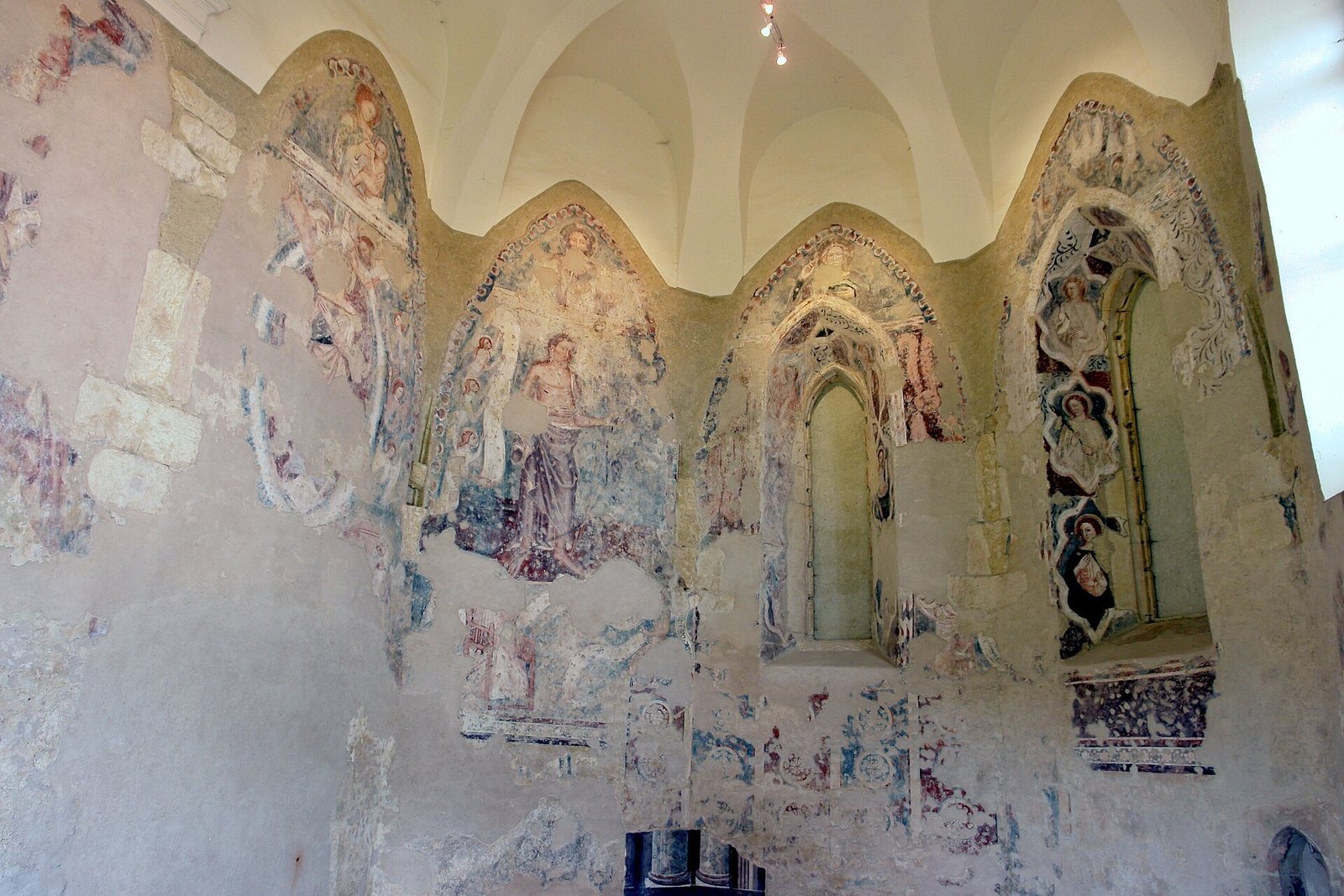
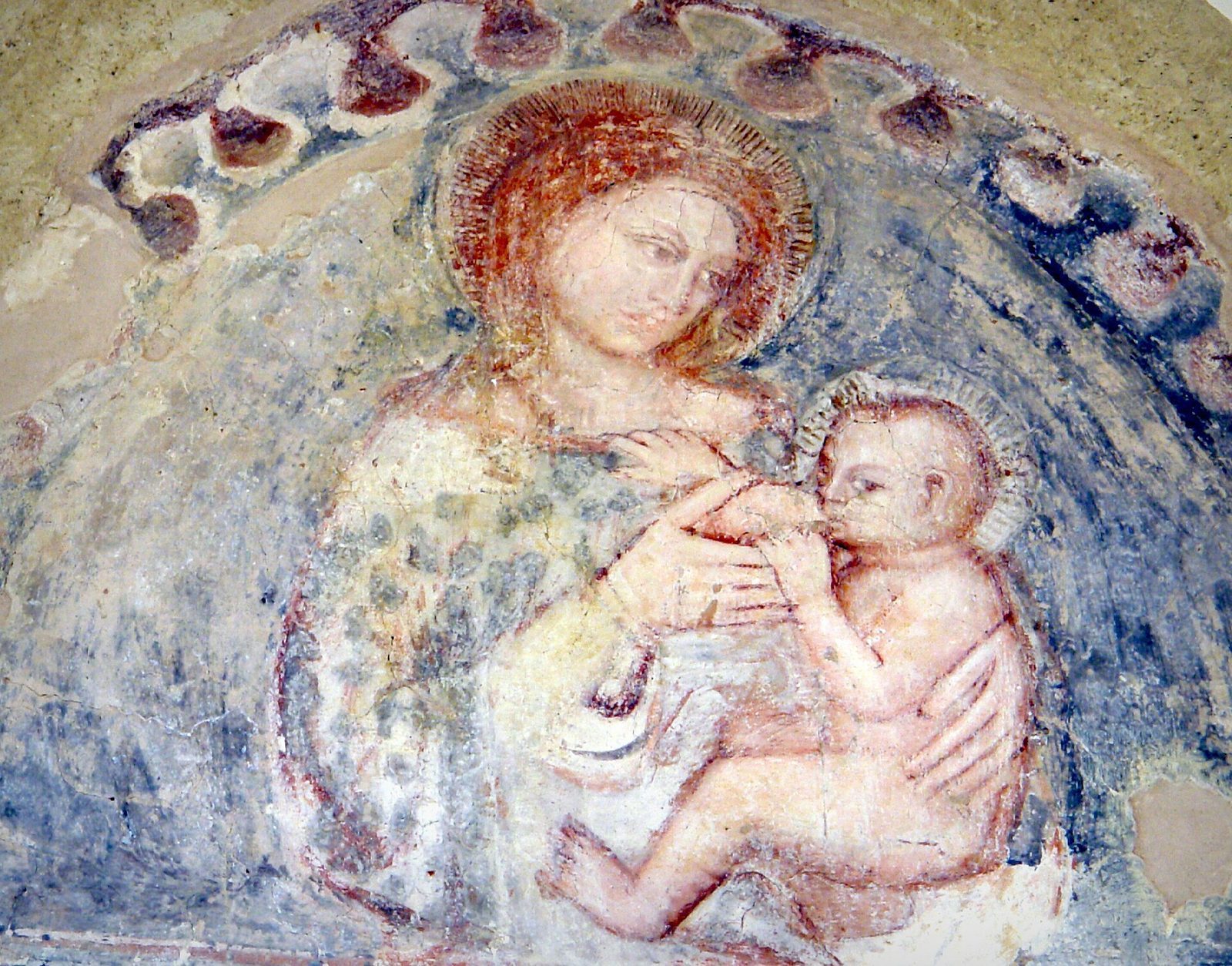
The surviving chapel has an identified entrance on its south side, and its interior south wall is also among the noted features. Gothic frescoes inside the chapel are attributed to an Italian master of the late 14th century.
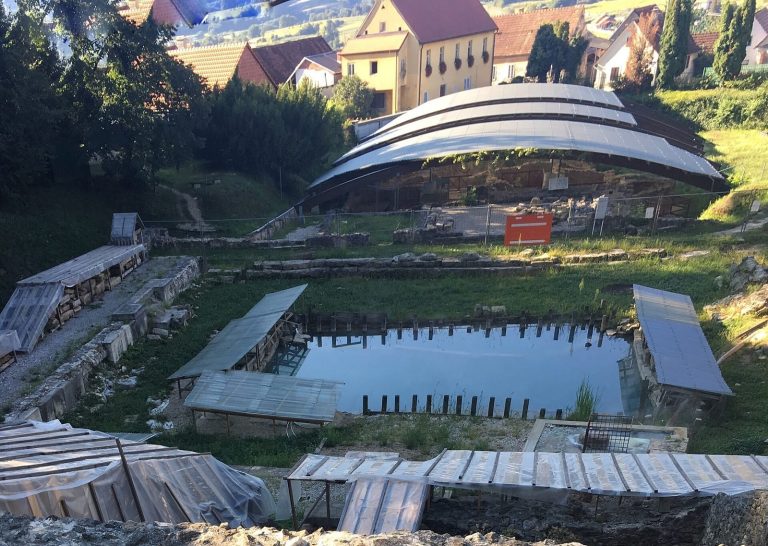
Foundations and mausoleum
Foundations mark parts of the former monastery complex. A mausoleum at the site served for burials of members of the Zrinski family, including during the 16th and 17th centuries.