Seyyid Ali Sultan Tekke: An Ottoman Alevi Religious Lodge in Greece
Site at a Glance
- Popularity
- Medium
- Country
- Greece
- Primary era
- Medieval
- Eras represented
- Medieval
- Civilizations
- Ottoman
- Site type
- Religious
- Remains
- Sufi Lodge
On this page8 sections
History
Seyyid Ali Sultan Tekke is an Ottoman Alevi religious lodge near Roussa, Greece, associated especially with Bektashi dervishes, members of a Sufi Muslim order. Founded around 1400–1403 by the dervish Seyyid Ali Sultan, it is considered one of the Balkans’ oldest preserved tekkes and one of the two most important centers of Bektashism.
Foundation and Ottoman role
Sultan Bayezid I granted the site for the lodge’s establishment. During the Ottoman period, such lodges provided Turkish settlers with places to gather and stay temporarily before they moved on to other settlements. From the late fourteenth century, lodges in the wider Evros area also guarded roads and received tax exemptions. Seyyid Ali Sultan Tekke guarded a mountain passage running from the Rhodopes toward Soufli and Didymoteicho.
The name Kizil Deli, meaning Red Madman, has several traditional explanations. One links it to Seyyid Ali Sultan’s quick reactions as a soldier; others connect it to the nearby Kizil Deli River, an Evros tributary, or say that Seyyid Ali Sultan gave the river its name.
Modern care and continuing observance
Before restoration in the early 2000s, Christian residents used the tekke as a stable, and the complex suffered serious damage. A complaint by the Union of Minority University Graduates of Western Thrace to the Organization for Security and Co-operation in Europe cited this damage. Since 2002, an administrative committee has managed and maintained the Seyyid Ali Sultan Waqf, a religious endowment. The restored complex is used occasionally by the local community.
An annual joint Christian–Alevi observance of Saint George takes place at the tekke on 6 May according to the old calendar. The gathering includes ritual offerings and communal meals, and is attended by the Metropolitan of Didymoteicho, Orestiada, and Soufli, a senior Orthodox bishop.
Remains
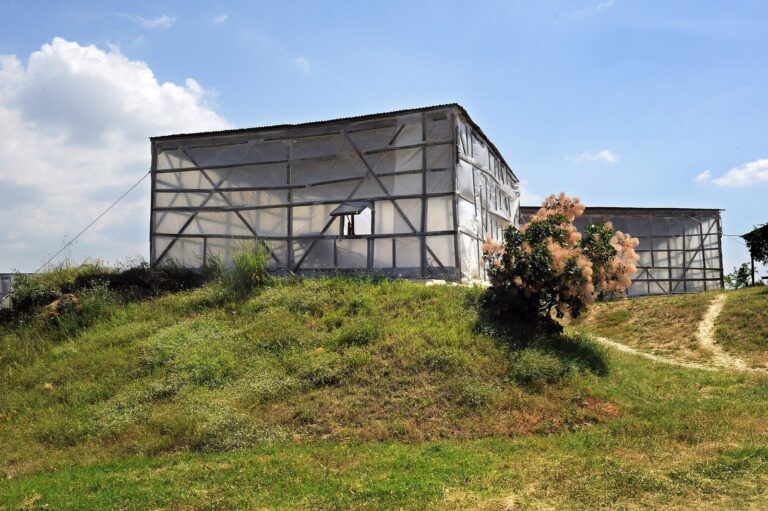
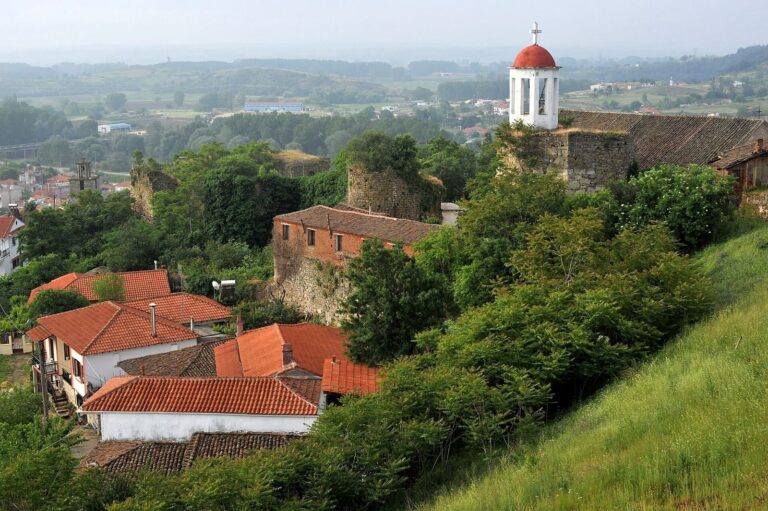
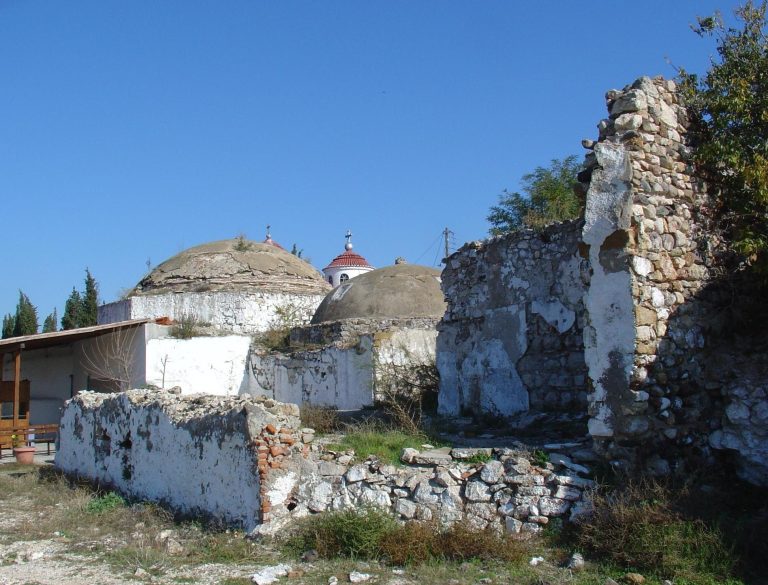
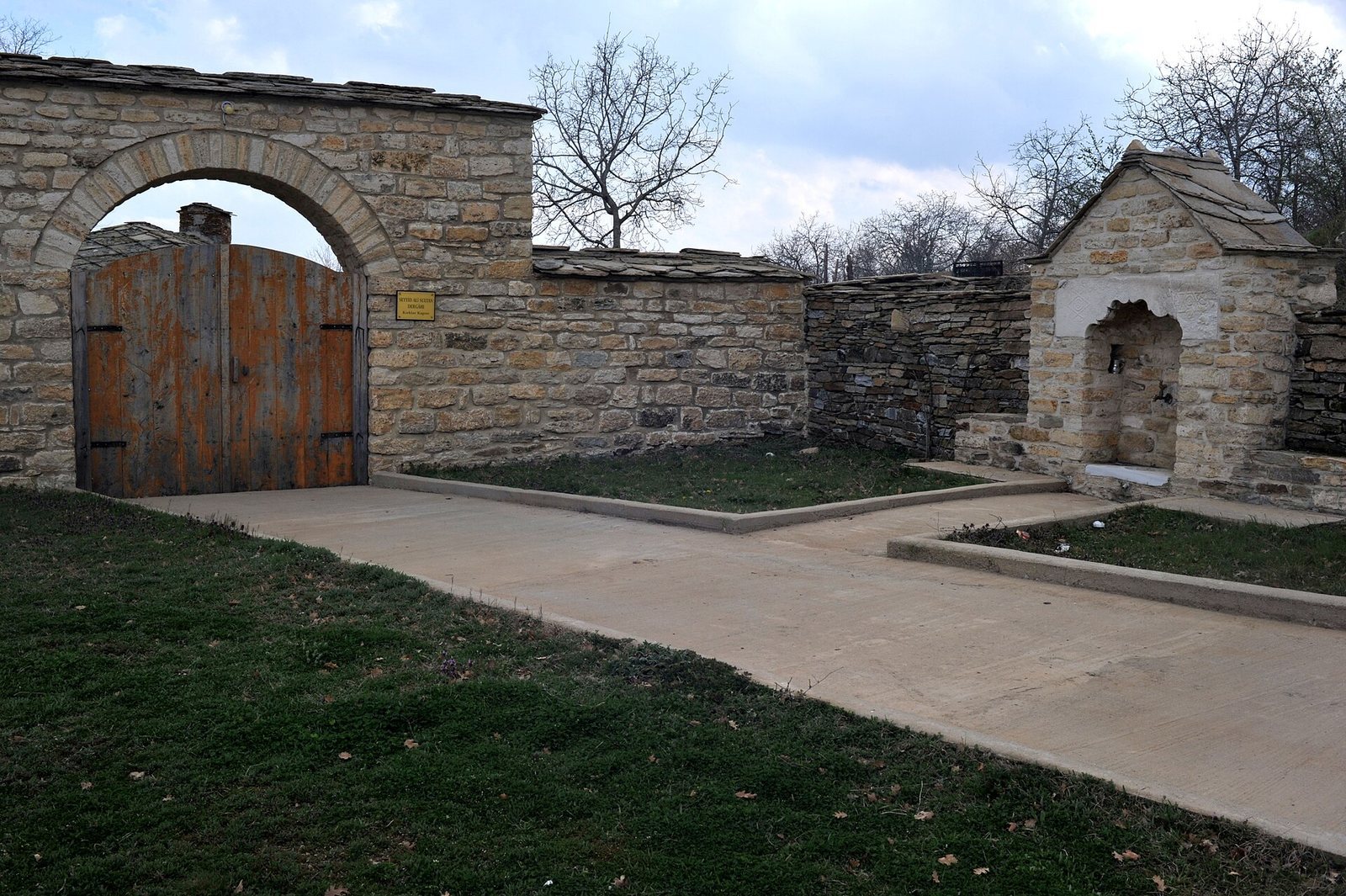
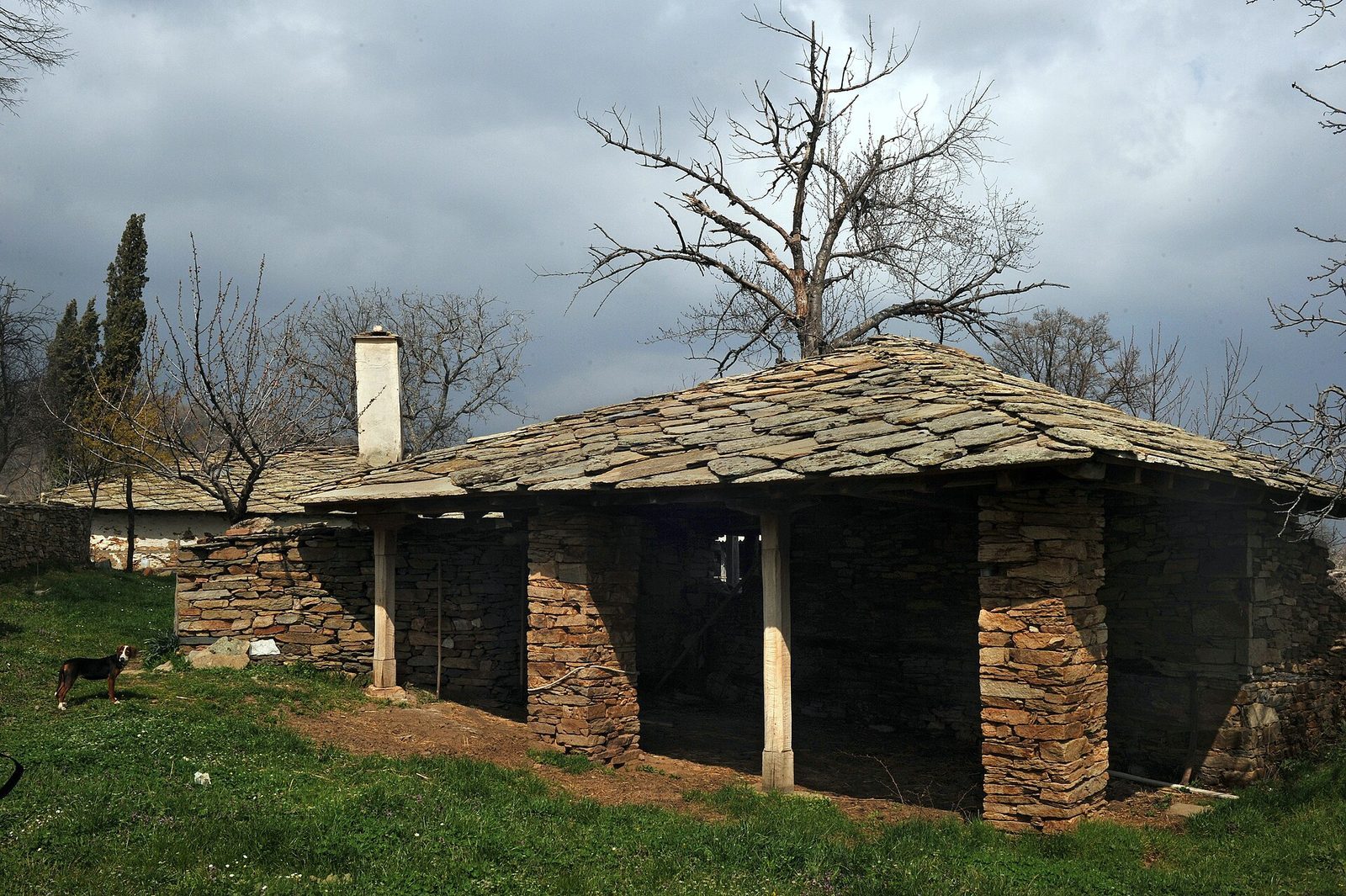
The complex stands about 3 km outside Roussa, between the former dervish villages of Goniko, Megalo Derei, and Roussa. Its buildings are arranged around a mulberry tree at the center, and brick, marble, and stone are among the construction materials.
Central complex
Mulberry tree and service buildings
The central mulberry tree is described as 600 years old. Religious tradition holds that its berries have miraculous qualities and that eating them protects against illness. A similar tree is associated with the Bektashi order’s central meeting place in Hacıbektaş, in central Anatolia. The complex also has kitchens where food is prepared for festival visitors, and a guesthouse that houses the caretaker and family.
Prayer hall, mausoleum, and cemetery
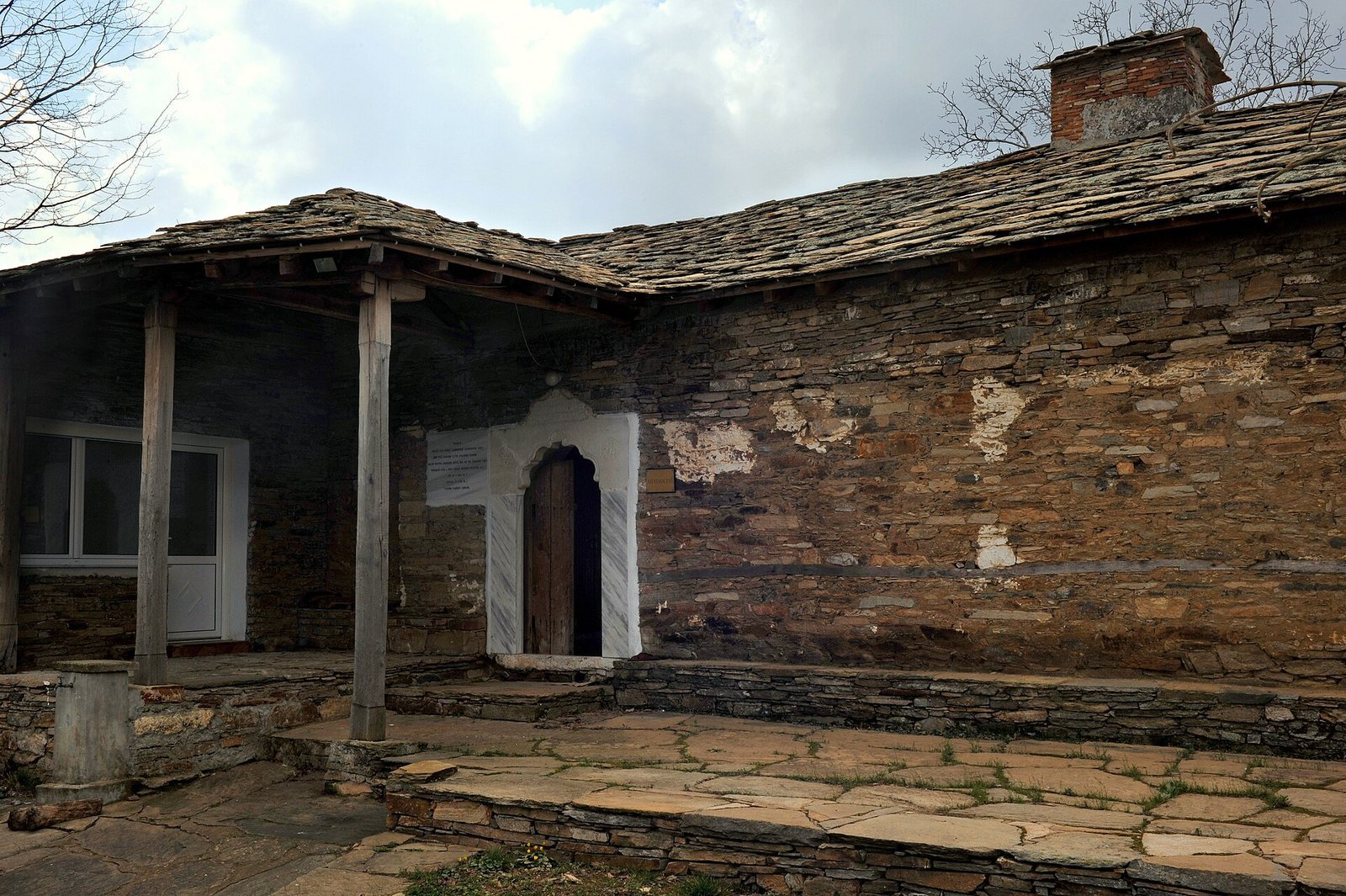
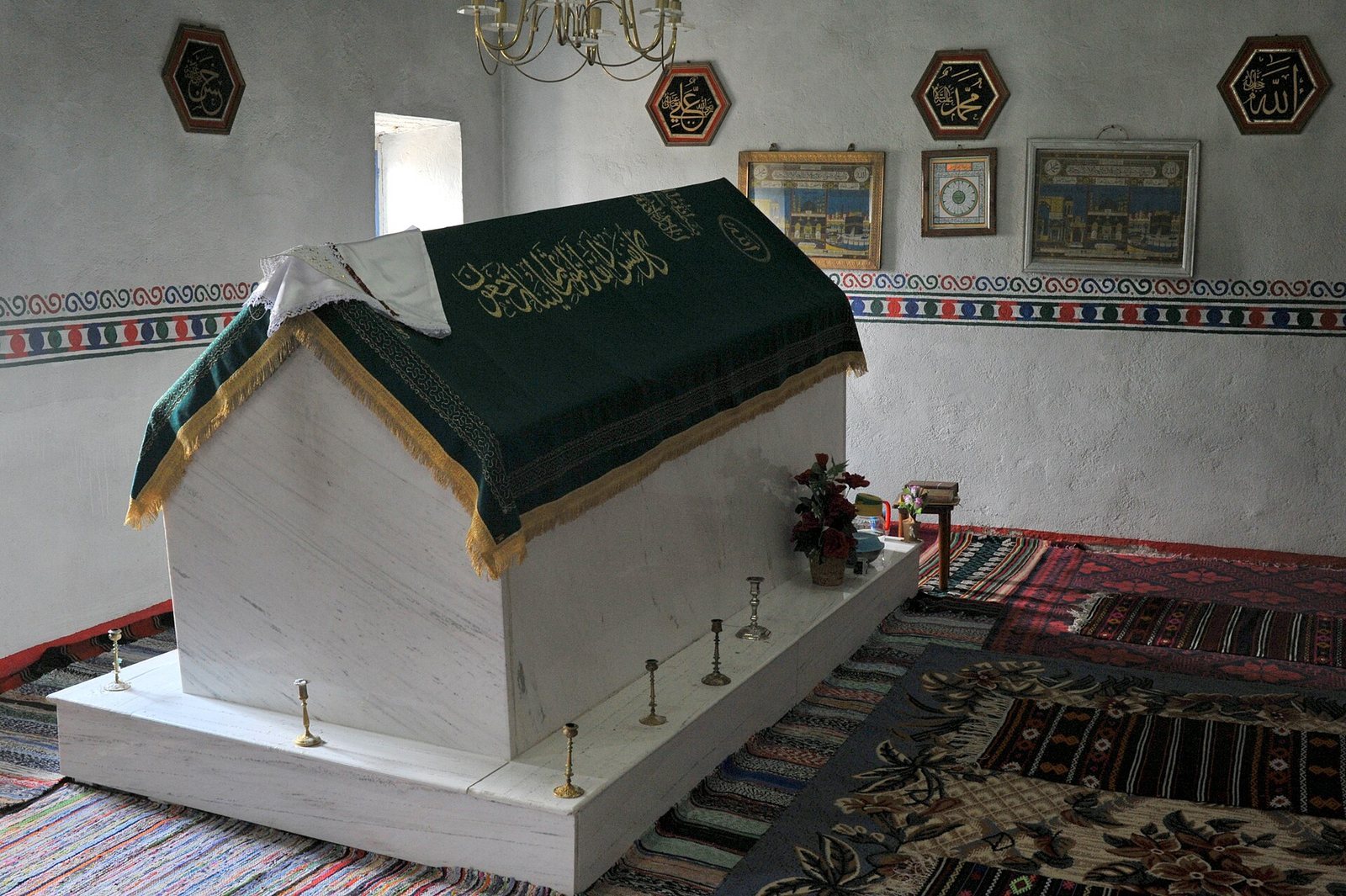
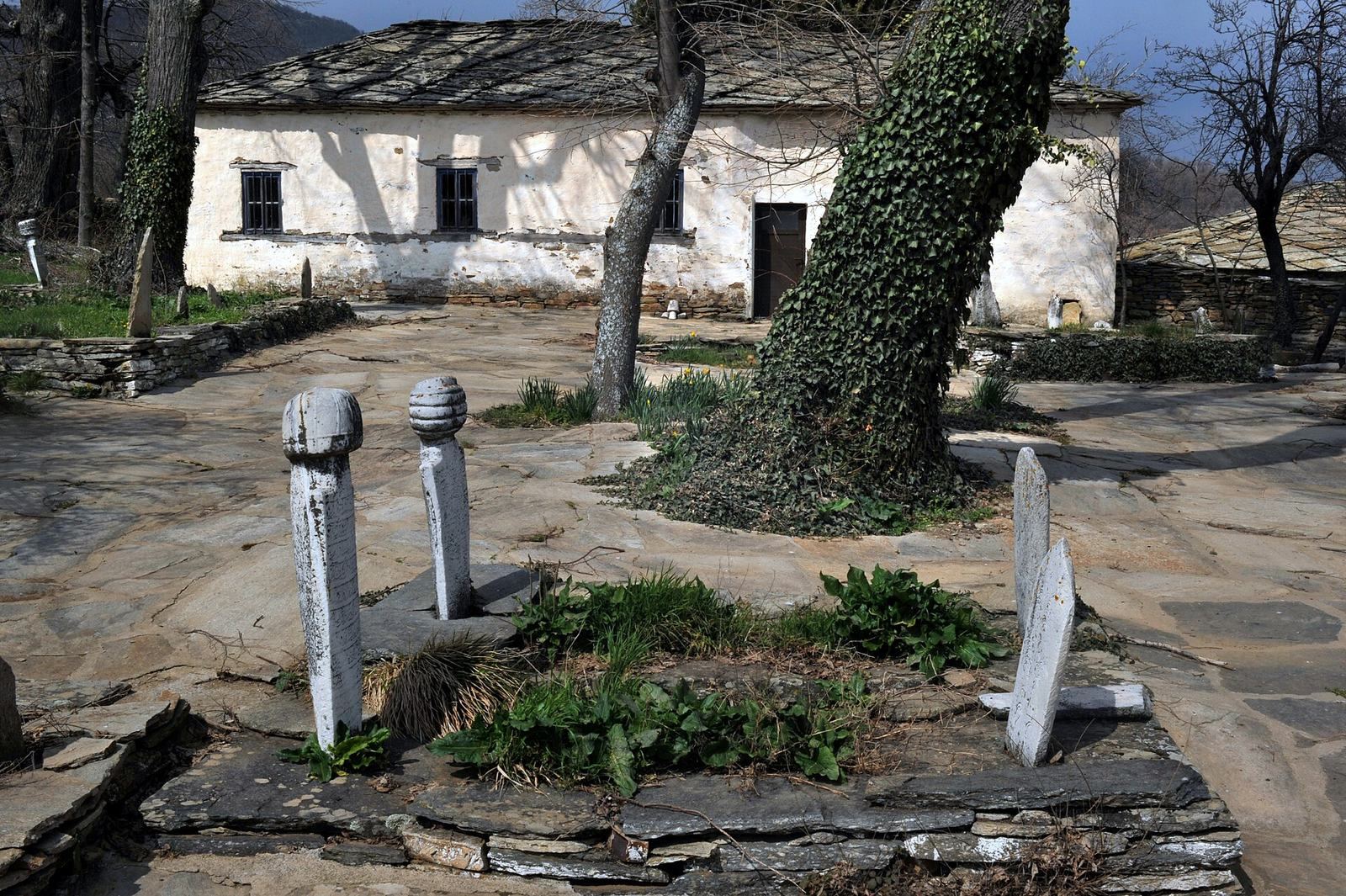
A meydan evi, a prayer and ritual assembly hall, forms part of the complex and bears an inscription in Ottoman Turkish. An inscription there records that the tekke was rebuilt in 1402/03 and renovated in 1759/60 by Dervish Ali, who expressed a wish to become a true saint despite his failings. The site also contains Seyyid Ali Sultan’s mausoleum and a cemetery where many dervishes and sheikhs, or religious teachers and leaders, are buried.
Southern cemeteries
About 1 km south of the tekke are two large cemeteries with tombs dating to the sixteenth and eighteenth centuries. This area also has a meydan evi, and many residents of the tekke are buried there.