Maslak Palace: An Ottoman Imperial Hunting Residence in Istanbul
Site at a Glance
- Popularity
- Medium
- Country
- Turkey
- Primary era
- Modern
- Eras represented
- Modern
- Civilizations
- Ottoman
- Site type
- Domestic
- Remains
- Palace
On this page7 sections
History
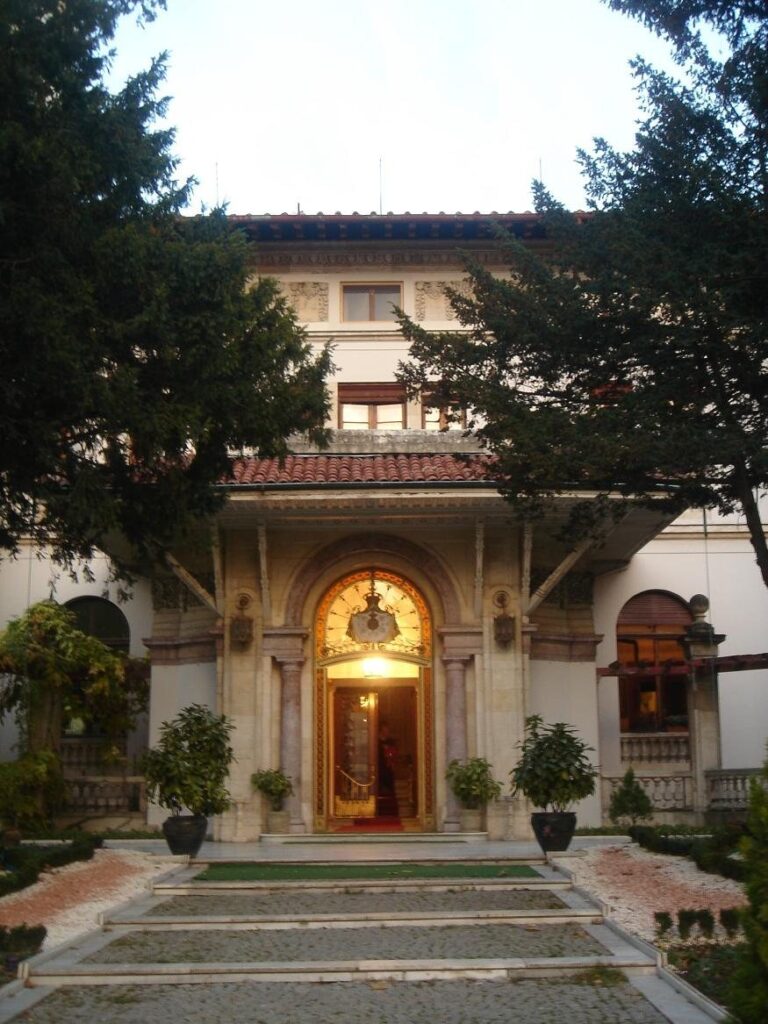
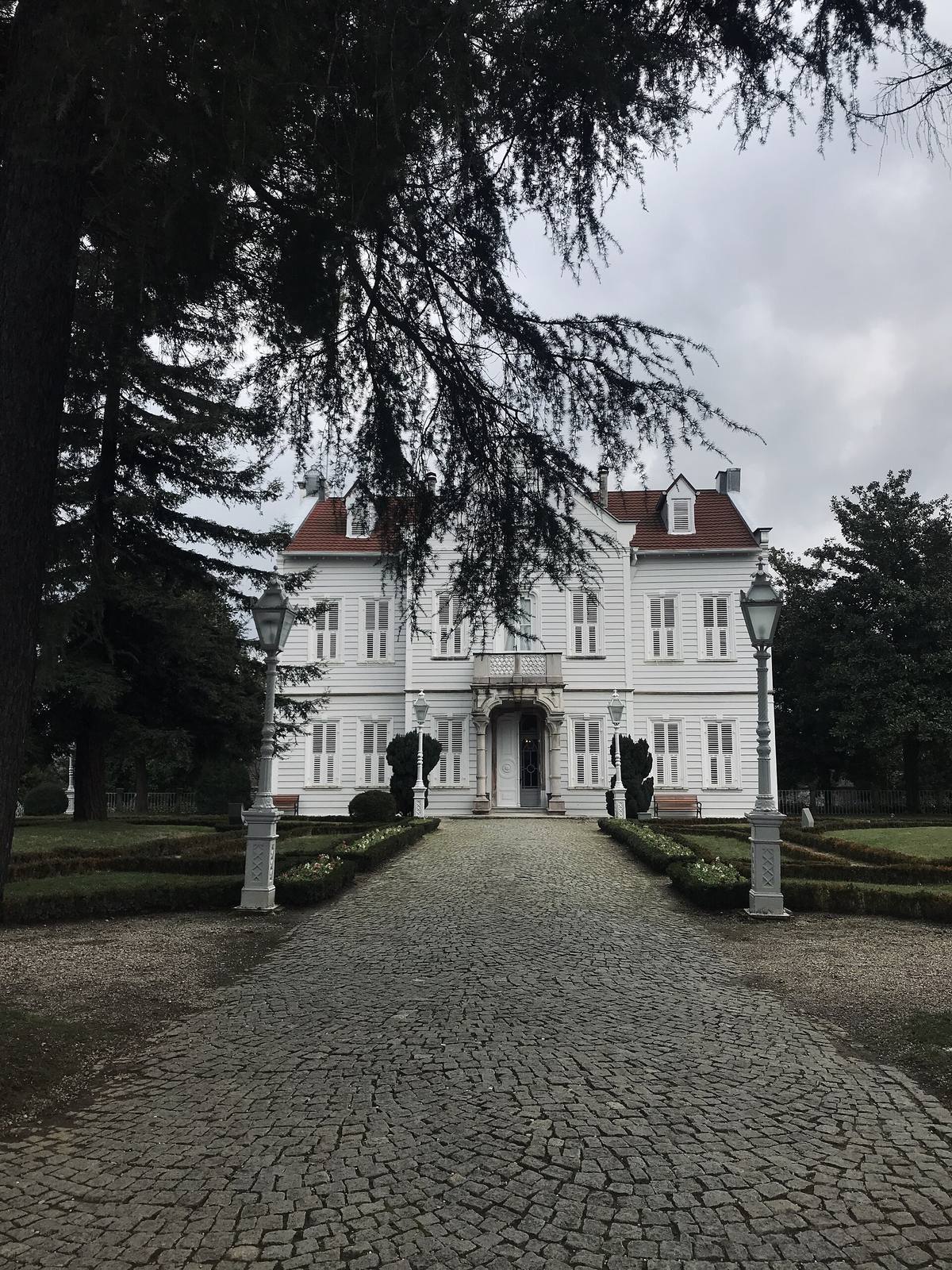
Maslak Palace is a former Ottoman imperial hunting residence in Istanbul, Turkey. Its earliest pavilion was built during the reign of Ottoman sultan Mahmud II, and the complex was enlarged under Abdülaziz (1861–1876), when most of its pavilions were built. The buildings reflect the architectural style prevalent in the late nineteenth-century Ottoman Empire.
As a young man, Abdülhamid II lived in a later pavilion and used the palace as a hunting lodge. While there, he learned that Murad V had been deposed and that he had been proclaimed the new Ottoman ruler.
The complex opened as a museum in 1986. In an undated restoration, the pavilions were restored and their former appearance reconstructed with the help of documentary records, memoirs, and photographs.
Remains
Layout and buildings
The complex occupies a 170-hectare wooded park on Maslak Tepesi, between Tarabya and İstinye, with views over the Bosphorus, the strait running through Istanbul between the Black Sea and the Sea of Marmara. Its principal buildings include a two-storey palace, stone and timber pavilions, and a glass greenhouse connected to one pavilion. Çadır stands at the park’s edge, while Paşalar is on the other side of the complex.
Kasr-ı Hümayun
Kasr-ı Hümayun is a two-storey palace with an attic and basement. Columns flank its entrance and support a balcony. Painted images decorate the ceilings of all its rooms and the walls of the hall. The building contains bedrooms and a study associated with Abdülhamid II, and several of his monograms appear in different parts of the palace.
Mabeyn-i Hümayun
Mabeyn-i Hümayun is a small, single-storey stone pavilion connected to a glass greenhouse. The greenhouse contains rare tropical plants and has a pool at its center.
Çadır
At the edge of the park, Çadır is a wooden, octagonal pavilion with a balcony running around it and broad roof eaves.
Paşalar
Paşalar, described as officers’ quarters, is a single-storey stone pavilion on the opposite side of the complex. It contains richly decorated Turkish baths.