Castillo Hidalgo: A Former Defensive Battery in Santiago
Site at a Glance
- Popularity
- High
- Country
- Chile
- Primary era
- Modern
- Eras represented
- Modern
- Civilizations
- Spanish
- Site type
- Military
- Remains
- Fort
History
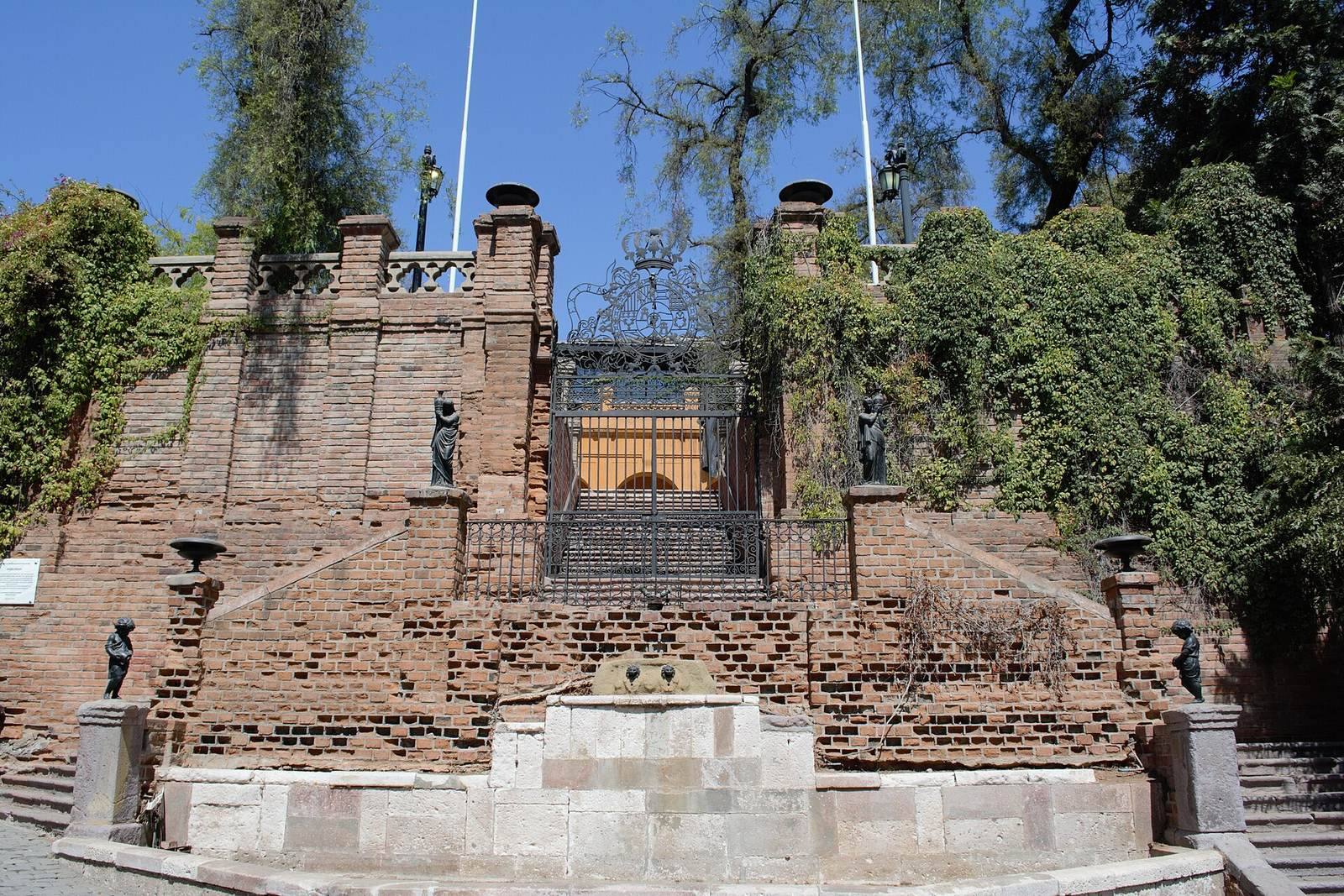
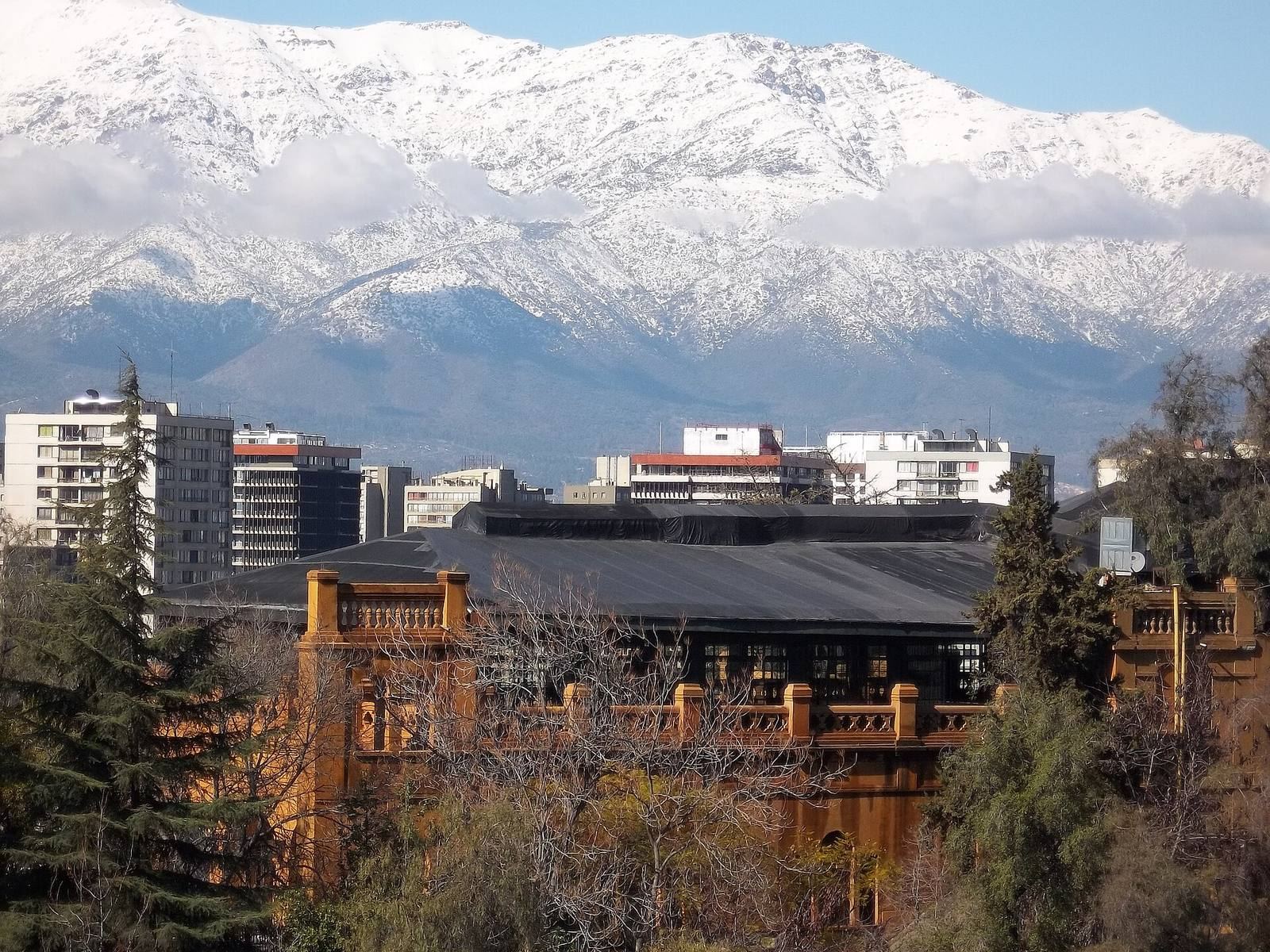
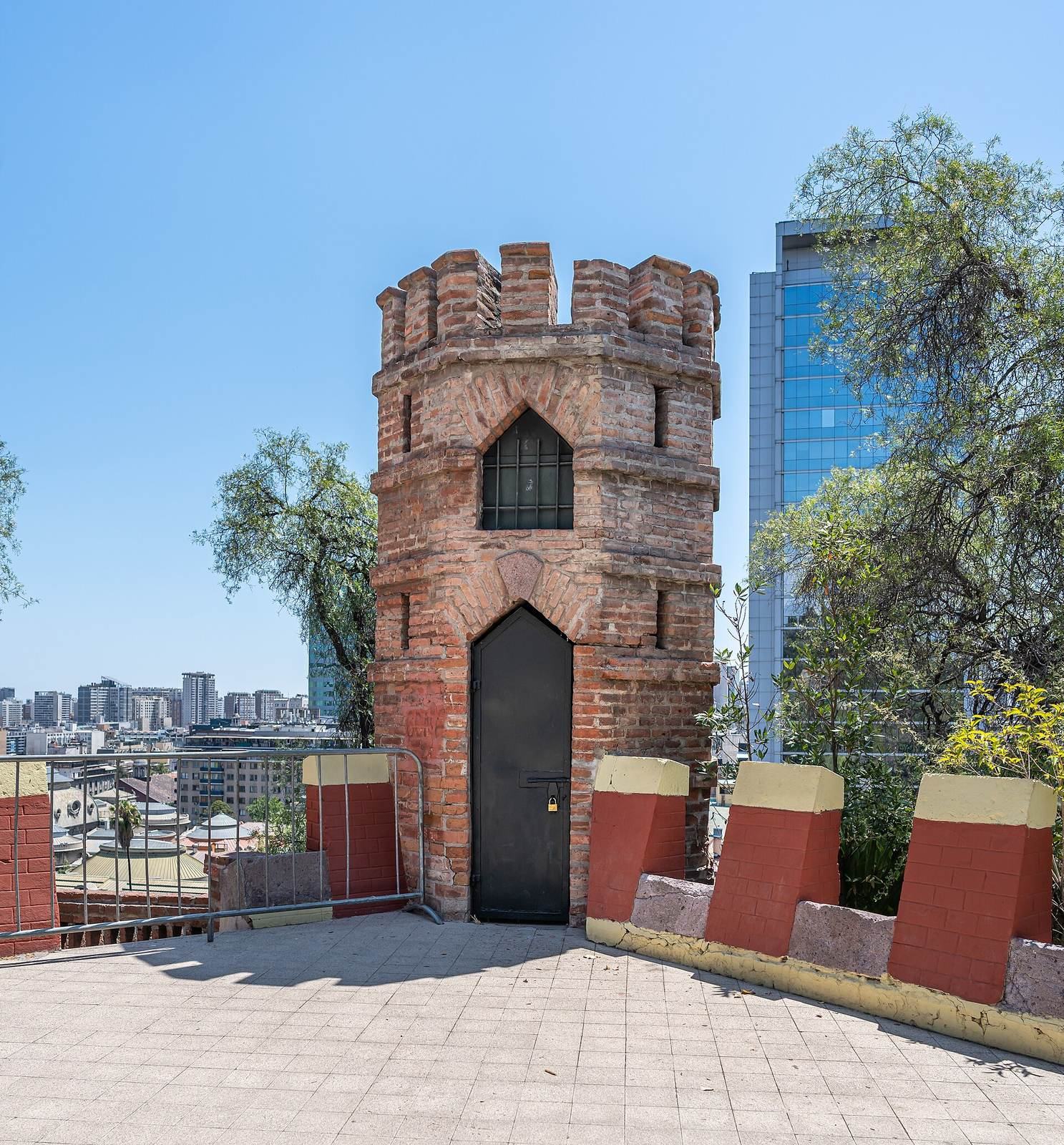
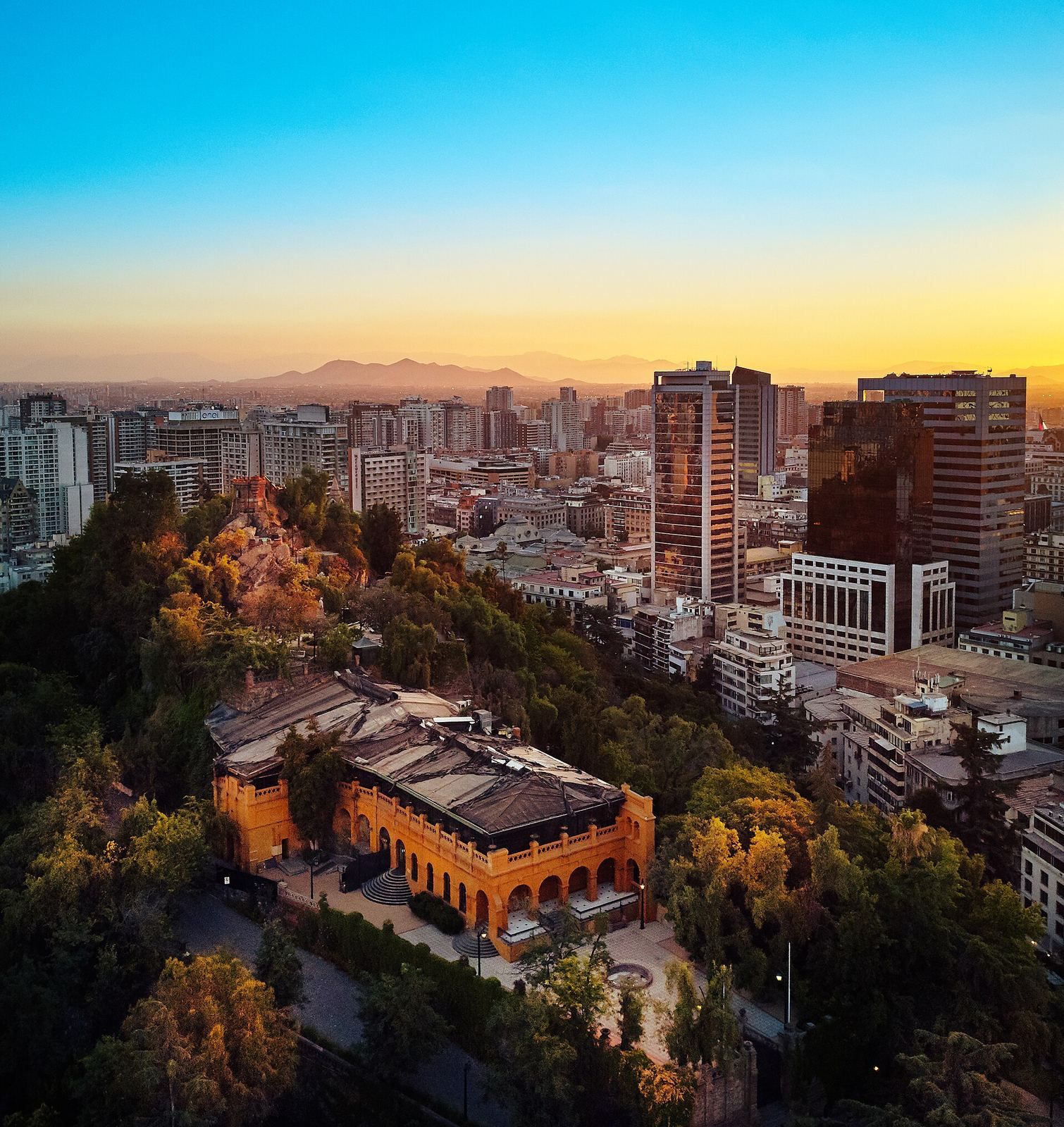
Castillo Hidalgo is a former artillery battery, an emplacement for guns, on the summit of Santa Lucía Hill in Santiago, Chile. Built in 1816 on the order of governor Casimiro Marcó del Pont, it was intended to defend the city during the Chilean Reconquest, the restoration of Spanish rule from 1814 to 1817. Brigadier Manuel Olaguer Feliú of Spain’s Royal Corps of Engineers directed its design and construction.
Military battery and independence
The building was first called the Santa Lucía Battery. After Chile’s independence, it took the name Castillo Hidalgo in memory of Manuel Hidalgo, a captain killed at the 1817 Battle of Chacabuco during the Chilean War of Independence.
Museums and changing uses
In 1872, Santiago’s intendant, or senior provincial administrator, Benjamín Vicuña Mackenna began an urban renewal and tree-planting program on Santa Lucía Hill. Two years later, Castillo Hidalgo became the home of a history museum that presented the Colonial Era Exhibition. After Vicuña Mackenna’s death, the collection was distributed among buildings across the city, and the castle was put to use as a municipal warehouse.
An electric railway operated on the hill from 1902 to 1910, linking its base with the castle and later with the Santa Lucía Theatre, located where Caupolicán Terrace stands today. From 1944 to 1981, the building housed the Museum of American Popular Art, which focused on popular art from across the Americas. Improvements begun in 1997 converted Castillo Hidalgo into an events center.