Kibune Shrine: Amagasaki’s Central Shrine for Local Worship
Site at a Glance
- Popularity
- Medium
- Country
- Japan
- Primary era
- Modern
- Eras represented
- Modern
- Civilizations
- Tokugawa
- Site type
- Religious
- Remains
- Sanctuary
On this page7 sections
History
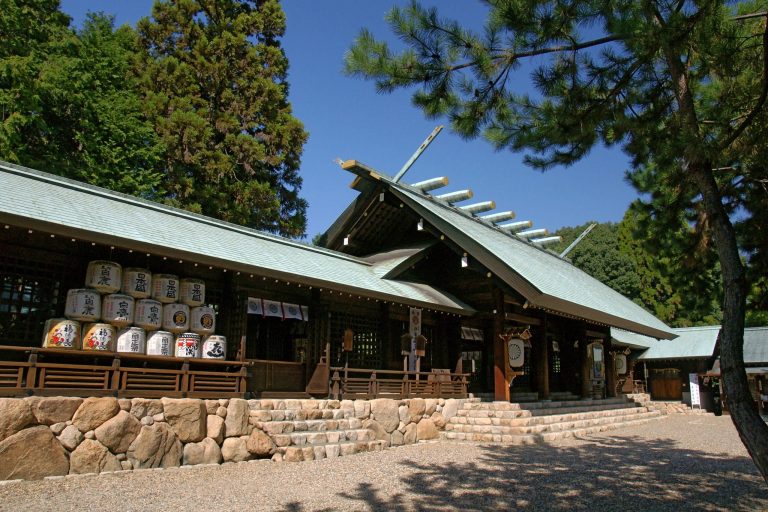
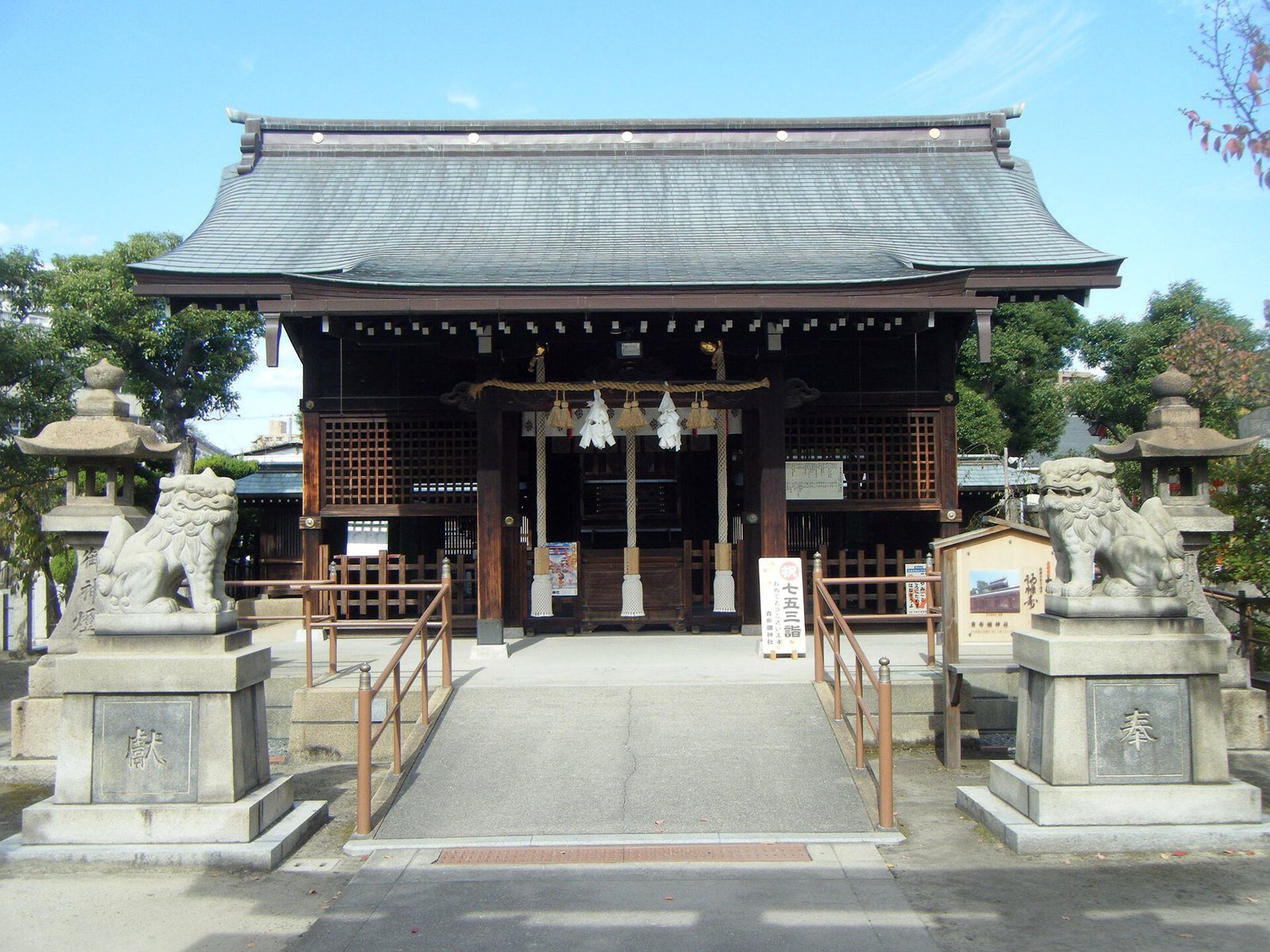
Kibune Shrine is a Shinto shrine in western Amagasaki, Japan, believed to have emerged in the medieval period as a branch shrine of the older sanctuary at Nagasu. A branch shrine enshrines a deity also worshipped at another shrine. Kibune later served as the former town’s central shrine for local worship. Its main sanctuary follows the traditional flowing-roof style.
Origins and worship
The shrine’s founding date is unknown. The original sanctuary at Nagasu remains as the protective shrine of East Nagasu. One tradition connects Kibune’s origins with the Ki clan, which prepared transport ships for the transfer of the capital to Heian-kyo, now Kyoto. Other explanations link the shrine to Niukawakami Shrine or to Kyoto’s Kifune Shrine, which is its head shrine.
The principal deity, Takaokami-no-Kami, was revered as a kami, or sacred being, associated with water. Worshippers sought the deity’s favor for fishing and water transport, and the shrine was also a focus for rites seeking rain for agriculture. Successive lords of the Amagasaki domain showed strong devotion to the shrine.
Relocation and growth
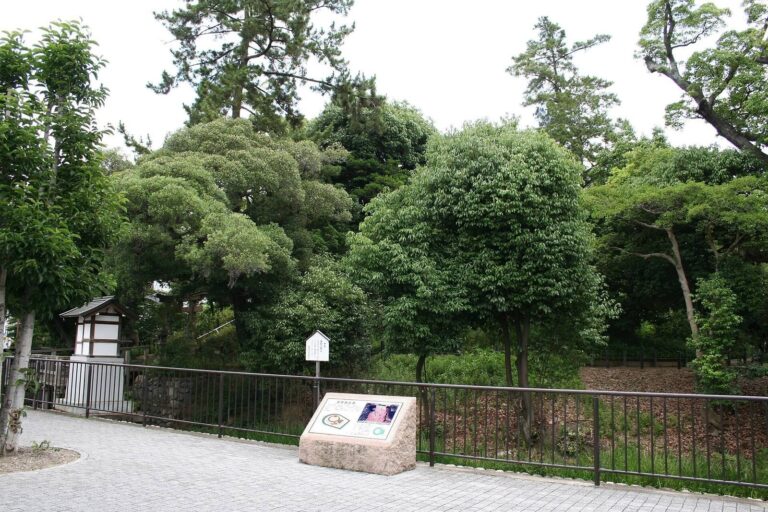
Kibune Shrine originally stood in the western third bailey, an enclosed outer section of Amagasaki Castle. During a castle renovation by Toda Ujikane, it was moved in the Genna period, an era name from the early Tokugawa period, to a western quarter used for residences and officials. In 1715 it was transferred to Miyamachi, its present location, and its shrine buildings were completed in 1825.
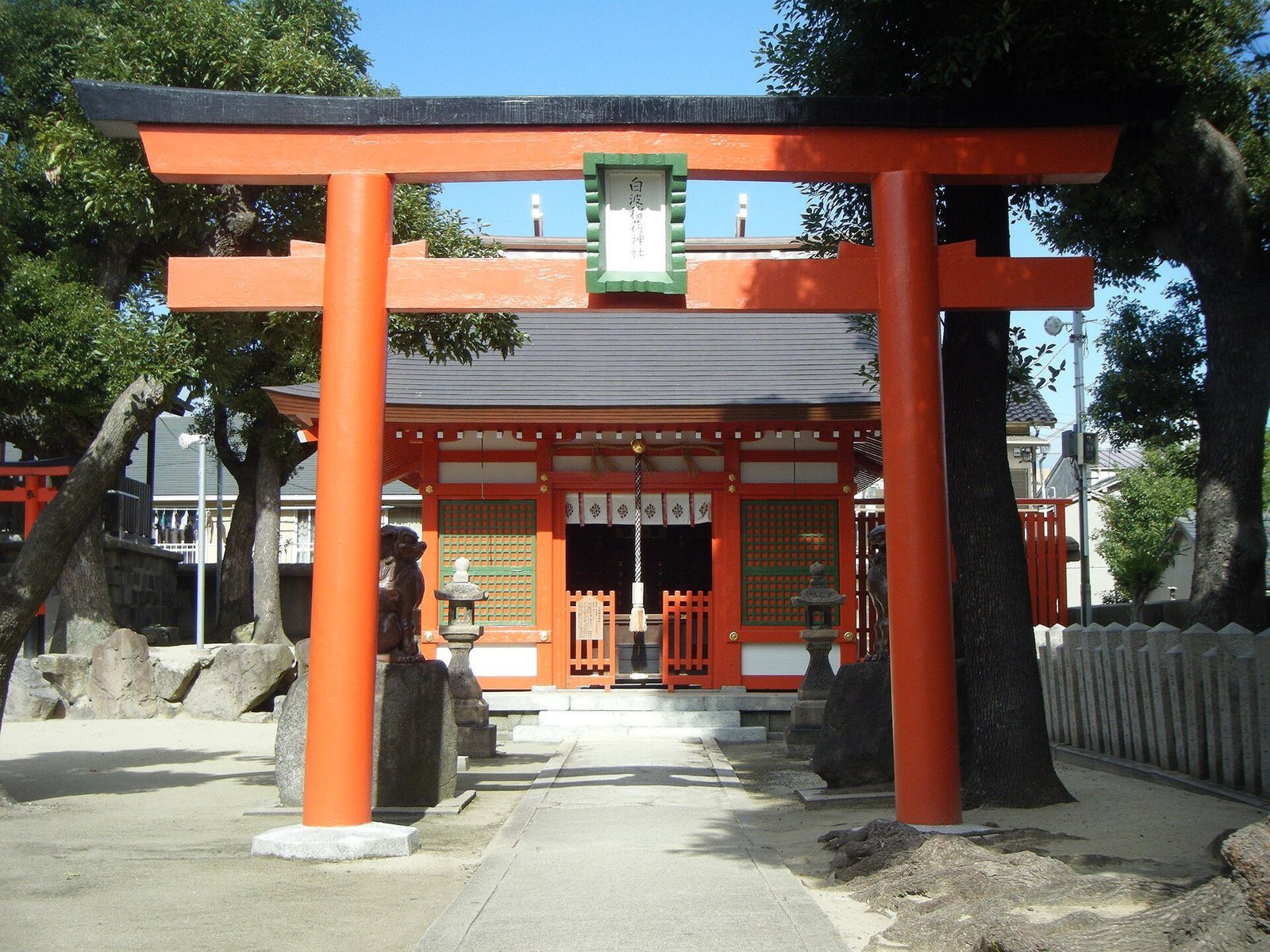
The prewar system of administrative shrine grades classified Kibune as a village shrine in 1873. In 1915 it absorbed two Inari shrines, an Ebisu shrine, and another Kibune Shrine from nearby settlements. It was elevated to prefectural-shrine rank in 1920 and is the only surviving shrine in Amagasaki to hold that grade.
Festivals and twentieth-century changes
As the former town’s central shrine, Kibune held a major summer festival featuring neighborhood floats paraded through the castle town. Performances, shrine sumo, and narrative musical drama also took place in the precincts beyond festival time. Float processions continue annually on August 1 and 2.
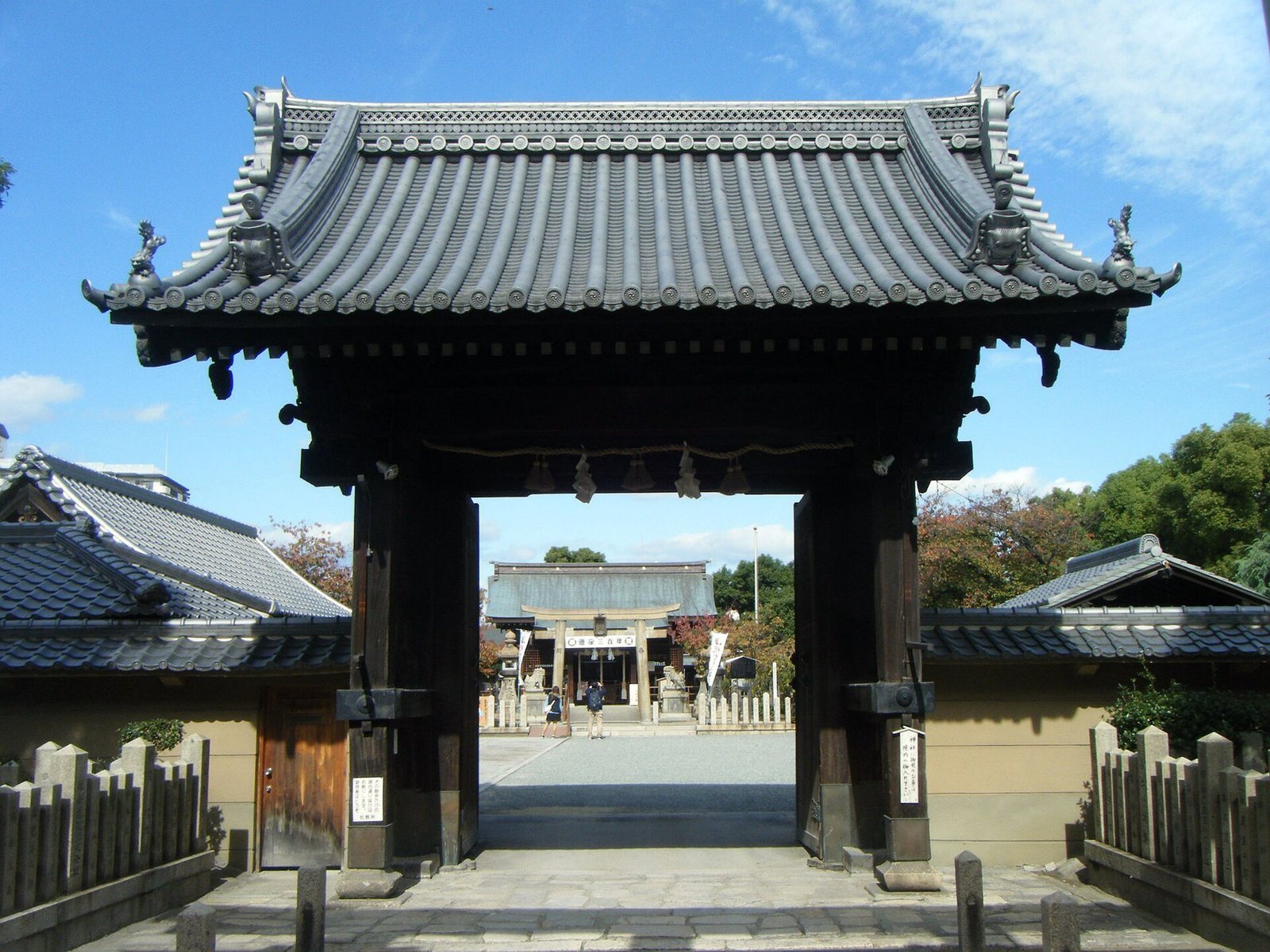
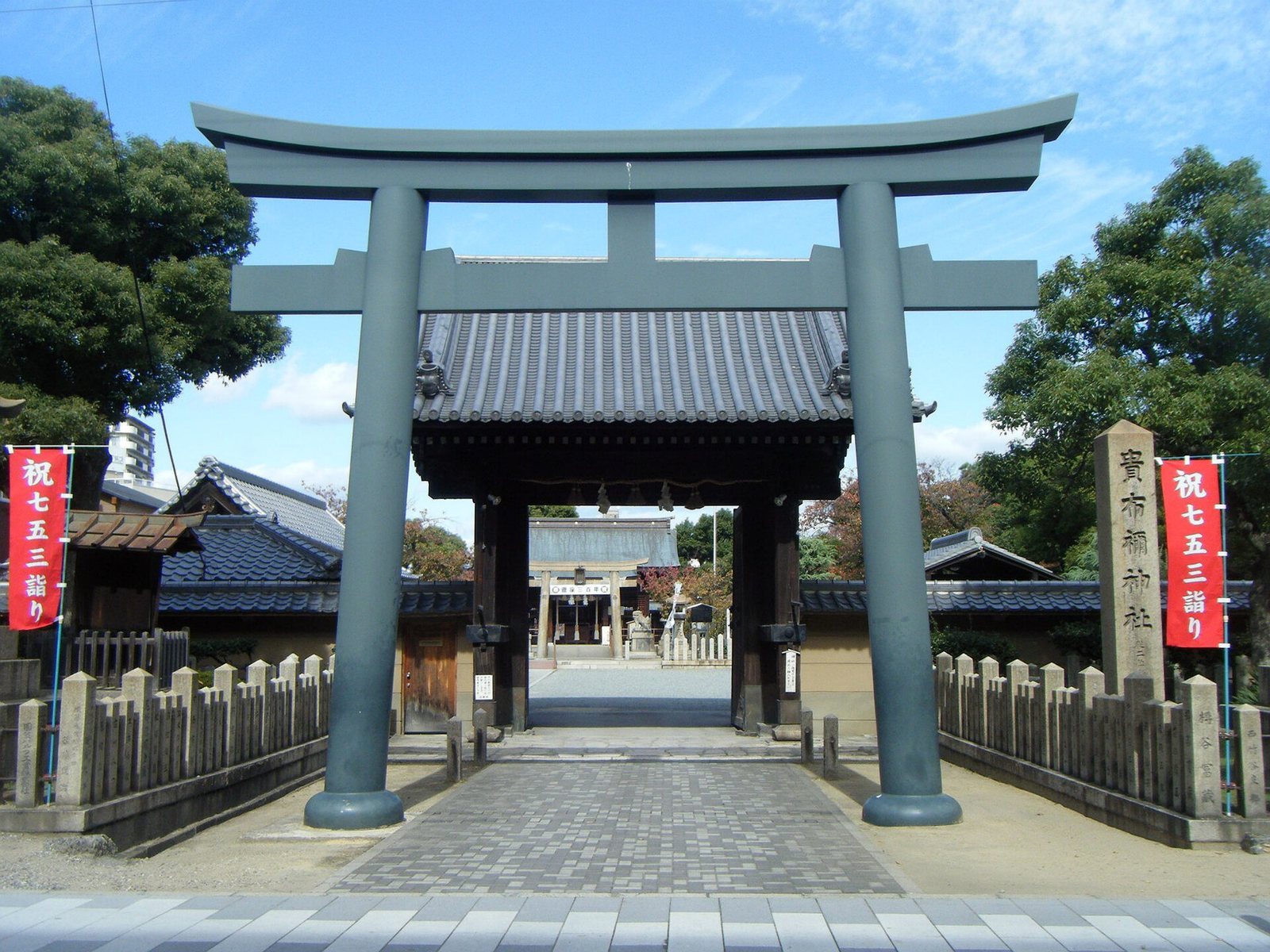
An air raid in 1945 damaged the shrine buildings, which were restored in 1950. The Great Hanshin-Awaji Earthquake in 1995 toppled the large torii and partly collapsed the south gate. Repairs followed in 1996.
Remains
Worship buildings
The precinct combines a main sanctuary, an offering hall, a worship hall, and an openwork fence with seven subsidiary shrines. The main sanctuary is one bay wide, meaning it spans one main unit across its front.
Entrances and precinct features
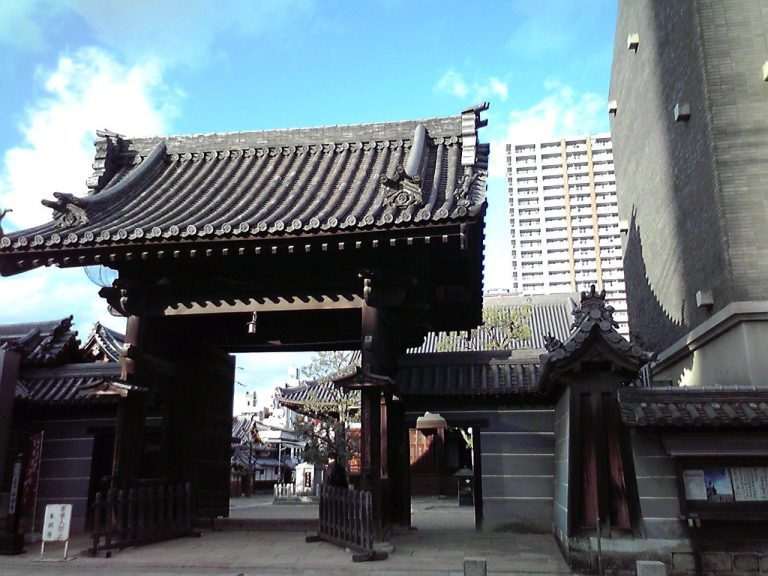
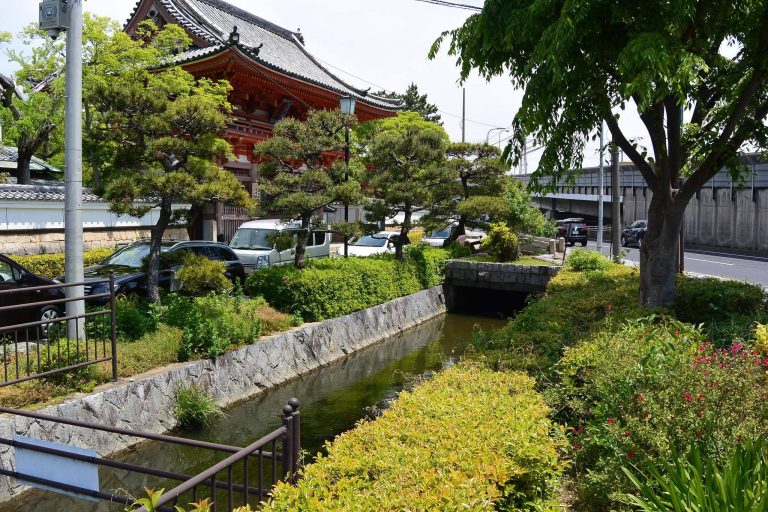
A large torii stands on the southern side of the shrine, and the precinct also has a front gate, an unusual feature among shrines in Amagasaki. A theater building was also located within the precincts.