Hamtoren: The Surviving Tower of Den Ham Castle
Site at a Glance
- Popularity
- High
- Country
- Netherlands
- Primary era
- Medieval
- Eras represented
- Medieval
- Civilizations
- Holy Roman Empire
- Site type
- Military
- Remains
- Castle
On this page6 sections
History
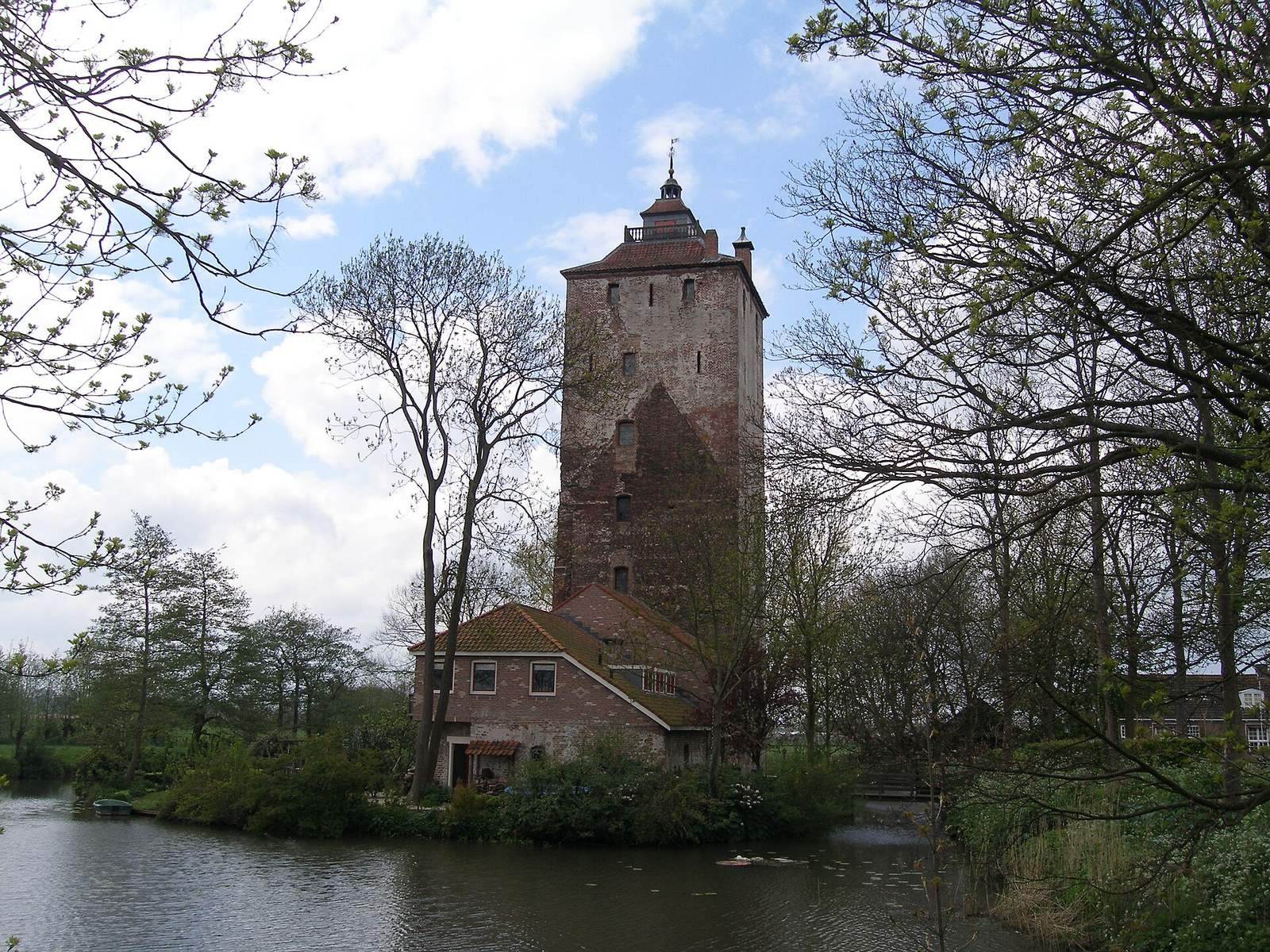
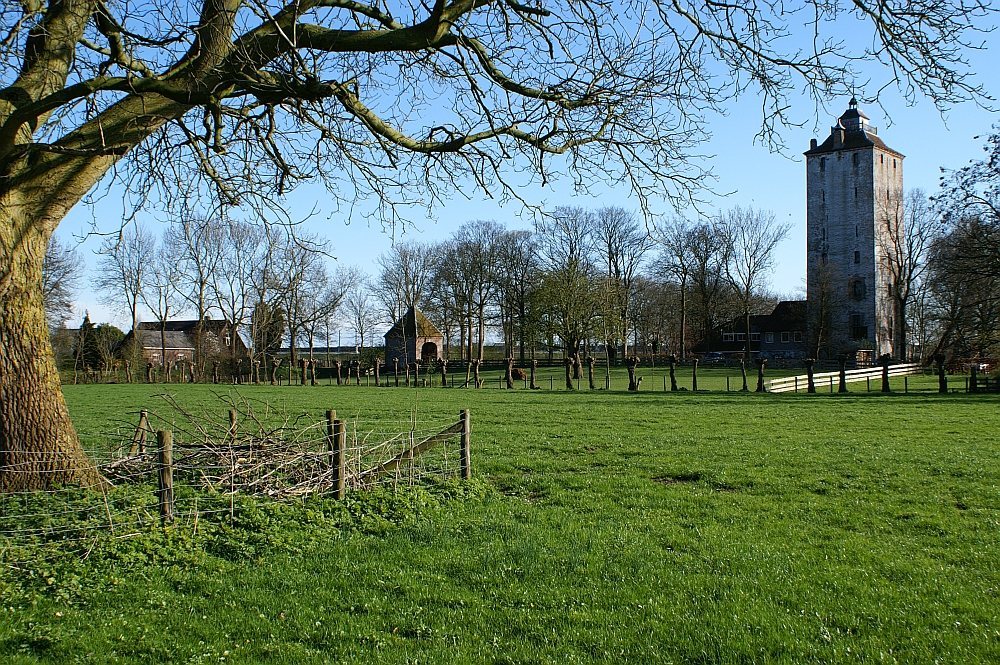
Hamtoren is the surviving tower of Den Ham Castle in Vleuten, Netherlands. The castle is thought to have been built around 1260 as a residence and is first mentioned in a charter of 1325. The tower stood at a bend in the former course of the Old Rhine, a position that strengthened its defences and gave its owner influence over the surrounding area.
Origins and conflict
During the Utrecht War of 1481–83, a regional conflict, Den Ham endured a 12-week siege. The tower was plundered and partly destroyed, but was soon rebuilt, with a second tower added.
Provincial status and later history
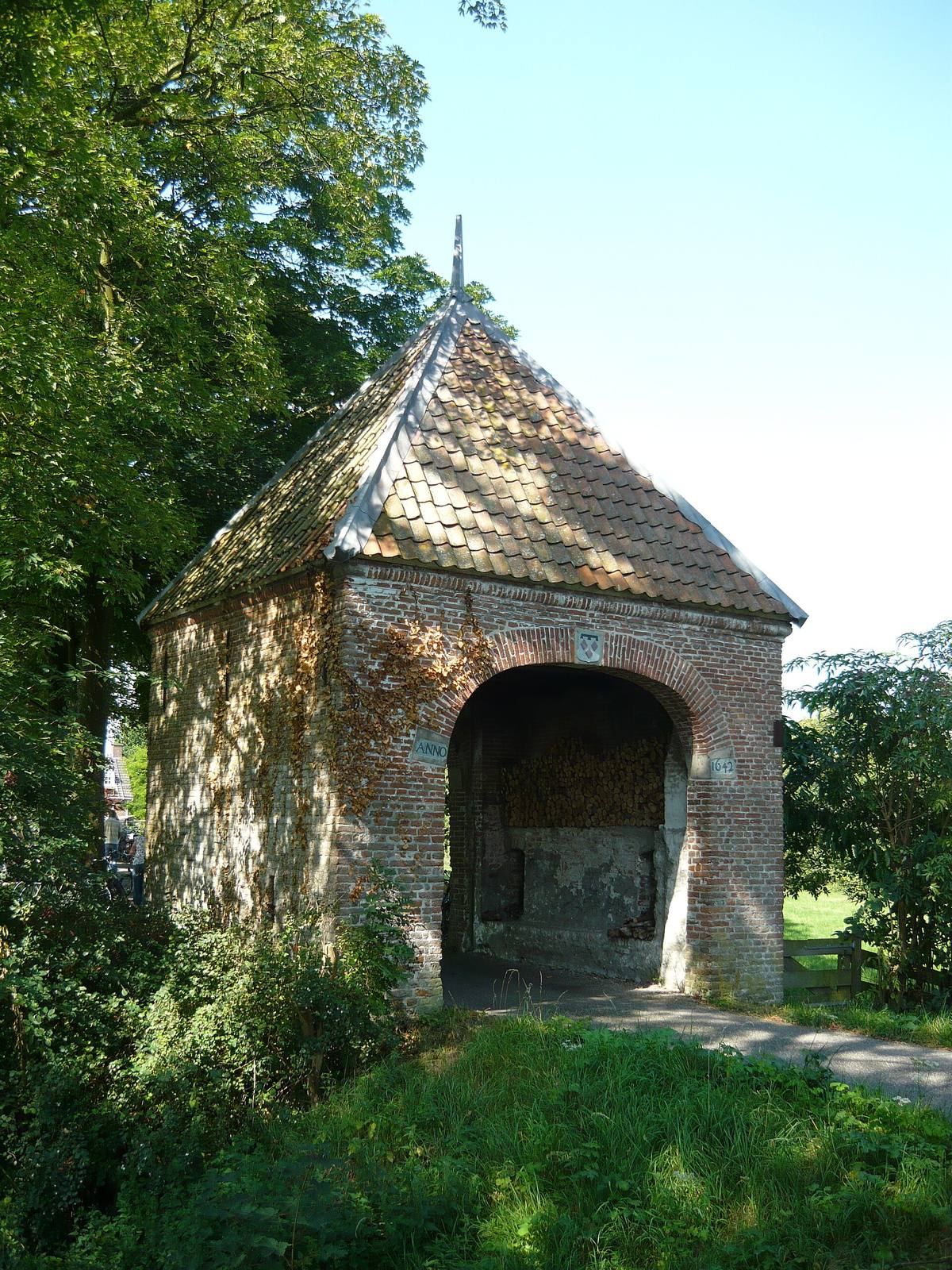
In 1536, the States of Utrecht, the province’s governing assembly, recognized Den Ham as a ridderhofstad, a manor whose residents could be admitted to the Ridderschap, Utrecht’s noble estate. The castle’s gatehouse was remodeled in 1642. The Hacfort family acquired the castle through marriage in 1711 and held it until 1811.
By about 1872, the castle had fallen into disrepair and was largely demolished. The surviving tower was restored roughly a century later and again around 2020. Hamtoren is a national monument and remains privately owned and used as a residence.
Remains
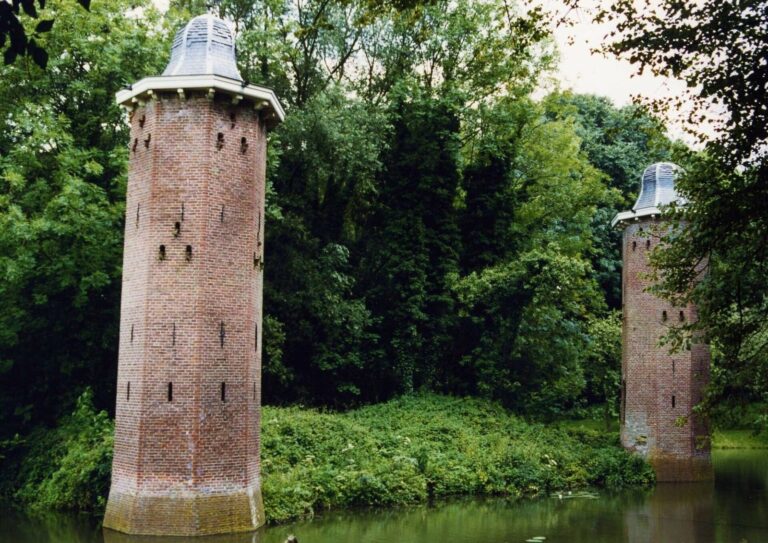
The surviving remains include a brick tower surrounded by a moat and the foundations of the original tower. Hamtoren stands in Vleuten, north of the Utrecht–Rotterdam railway line, beside an old road toward Harmelen.
The tower
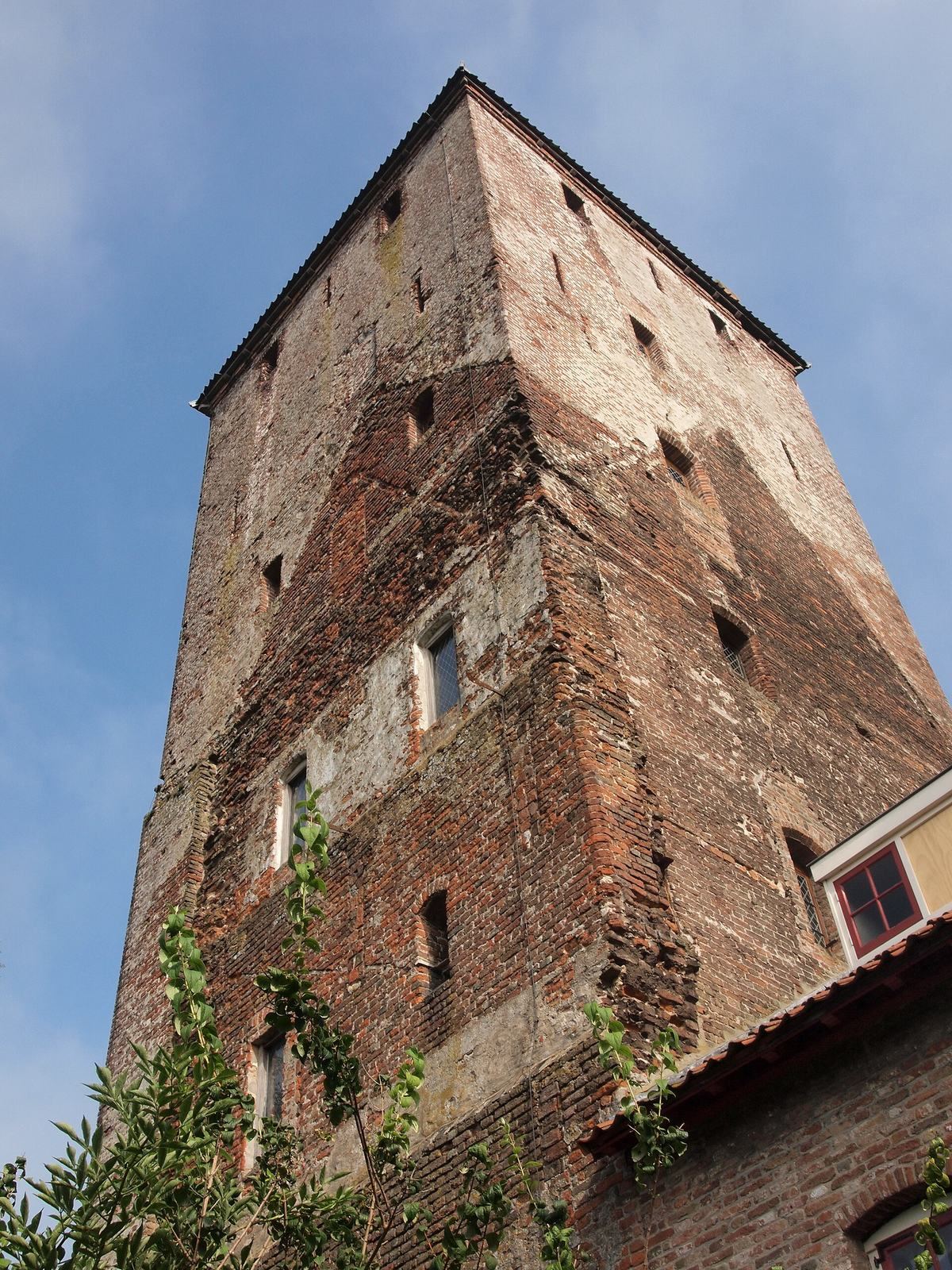
The 15th-century tower has brick walls about 1.5 metres thick and 27 metres high, with a walkway running around the top. Its total height is about 35 metres. Inside are six floors and a basement, where medieval floor beams survive. Restoration reinstated the planned number of secondary floor beams and the wall latrines, or toilets built into the masonry. Crown glass, a traditional window glass spun from molten glass into disks, is also present.
The gatehouse and castle view
The gatehouse stands beside the tower and once provided access to Den Ham. Its keystone, the central stone at the top of an arch, bears the arms of Den Ham/Utenham. A painting by the 17th-century Dutch artist Roelant Roghman depicts the castle from the east in 1646–47.