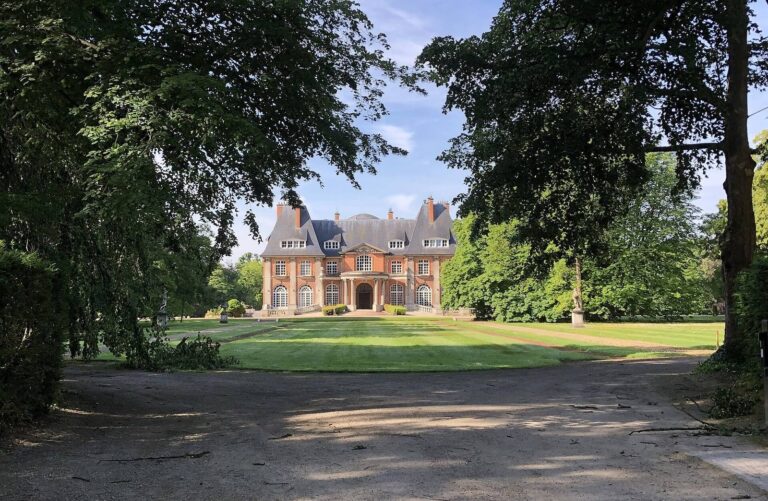
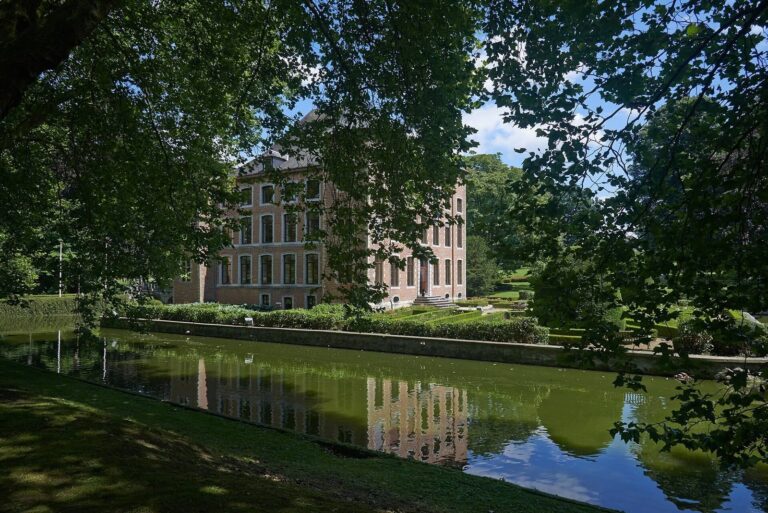
Calmeyn Castle: A Nineteenth-Century Estate in Belgium
Site at a Glance
- Popularity
- Medium
- Country
- Belgium
- Primary era
- Modern
- Eras represented
- Modern
- Civilizations
- Belgian
- Site type
- Domestic
- Remains
- Castle
On this page4 sections
History
The predecessor castle
A predecessor to Calmeyn Castle, in Belgium, was commissioned around 1720 by Marie-Henriette del Caretto de Savona y Grana, widow of Karel Eugenius van Arenberg. Built opposite the Old Castle, it stood within an estate that she greatly enlarged, changing the local street pattern as some streets were rerouted or disappeared. Marie-Henriette was guardian to her granddaughter Maria Henriëtte de la Tour d’Auvergne, who gave birth at the castle in 1724 to Charles Theodore. He later became a Bavarian elector, a prince entitled to take part in choosing the Holy Roman Emperor.
Marie-Henriette died in 1744, the same year the predecessor castle was demolished. The Arenberg family retained the 20-hectare estate.
The Calmeyn estate
The property was sold in 1852 to Henri Rey, a textile manufacturer, who enlarged it substantially. A new castle, designed by Belgian architect Jean-Pierre Cluysenaar, was built in the early 1850s. It was associated with an estate of 50 hectares that formed part of the Sonian Forest. The castle was known as Château Rey before becoming linked to the Calmeyn family. In 1870, it passed to Rey’s daughter Flore; her marriage to Louis Calmeyn brought the property into the family.
The Old Castle and its surroundings were excluded from the Calmeyn property. The municipality acquired that area in 1958.
Remains
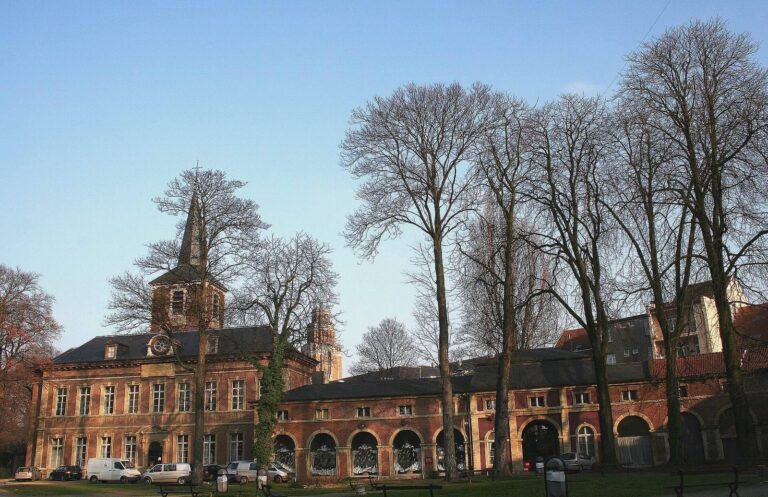
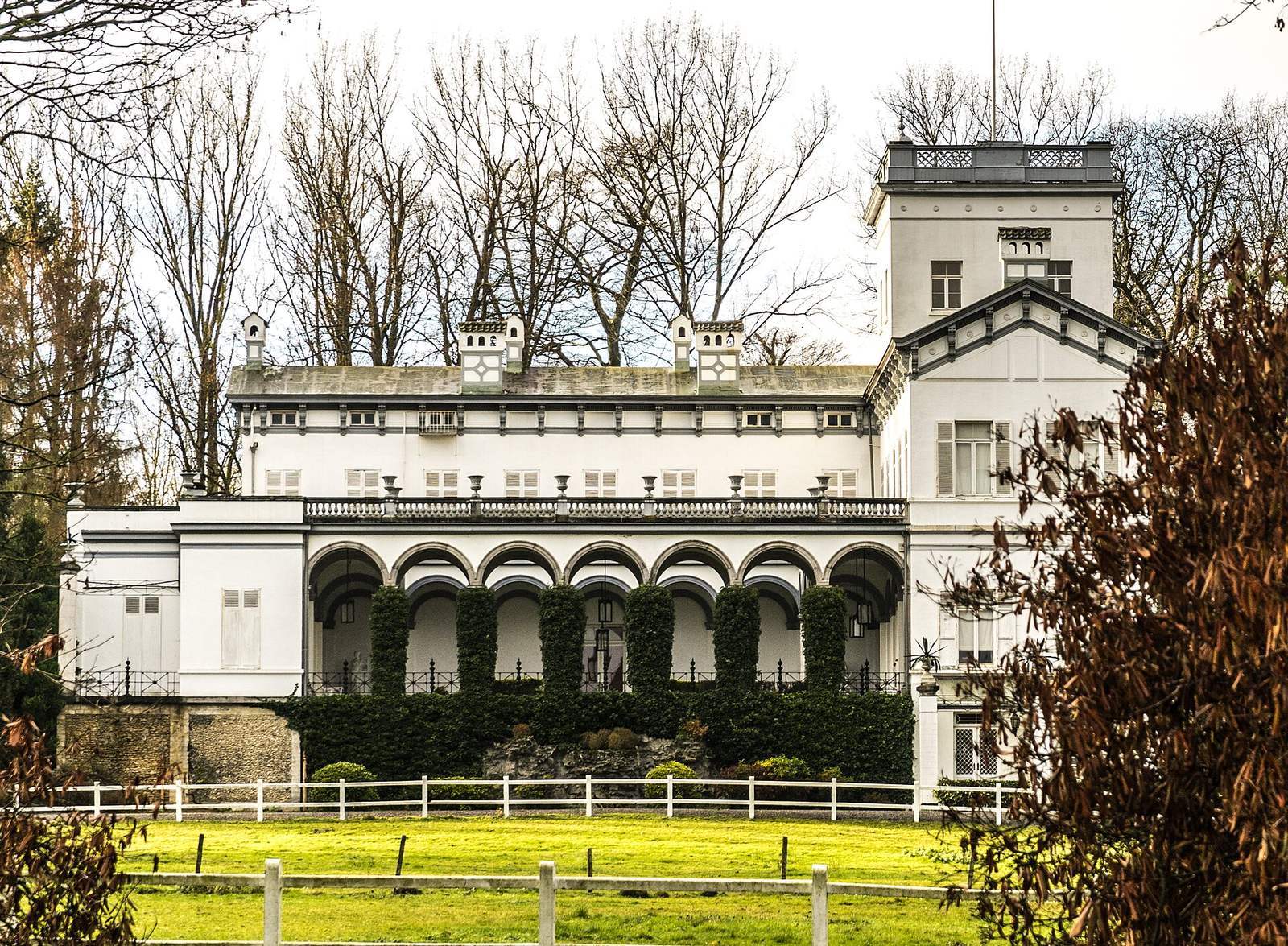
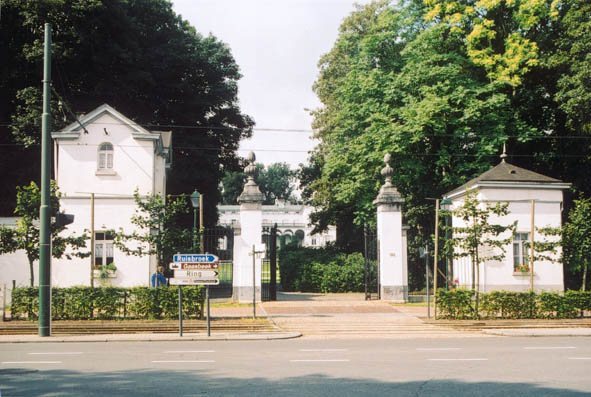
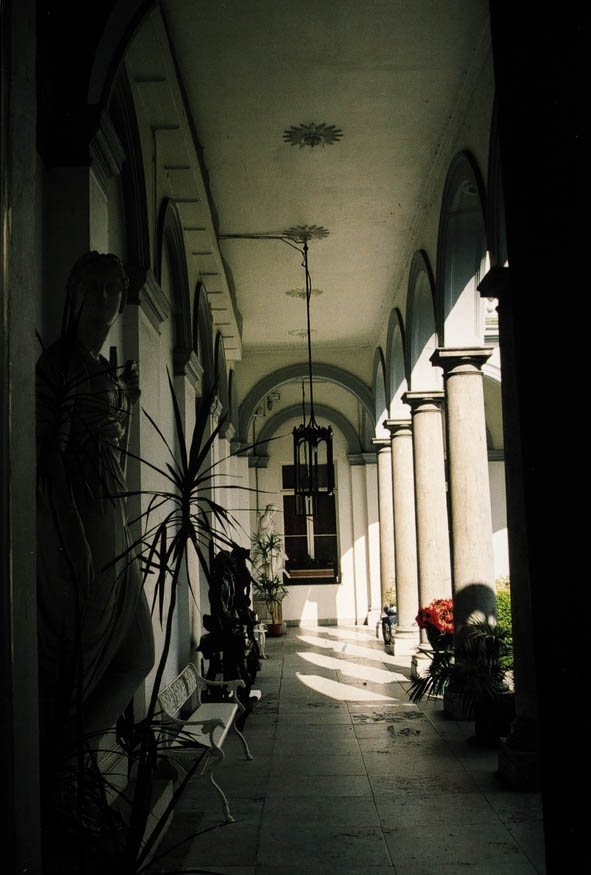
Calmeyn Castle stands on elevated ground within a park. Its neoclassical Italianizing design includes a central court framed by a round-arched gallery supported by plain classical columns. A square tower stands on the right side of the building.
The nineteenth-century interior has remained virtually intact. The surrounding park borders the Zenne River.