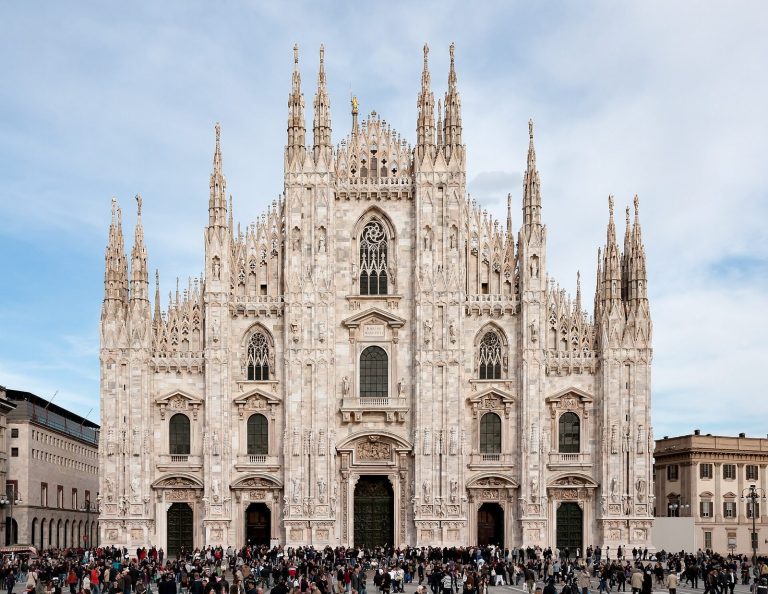
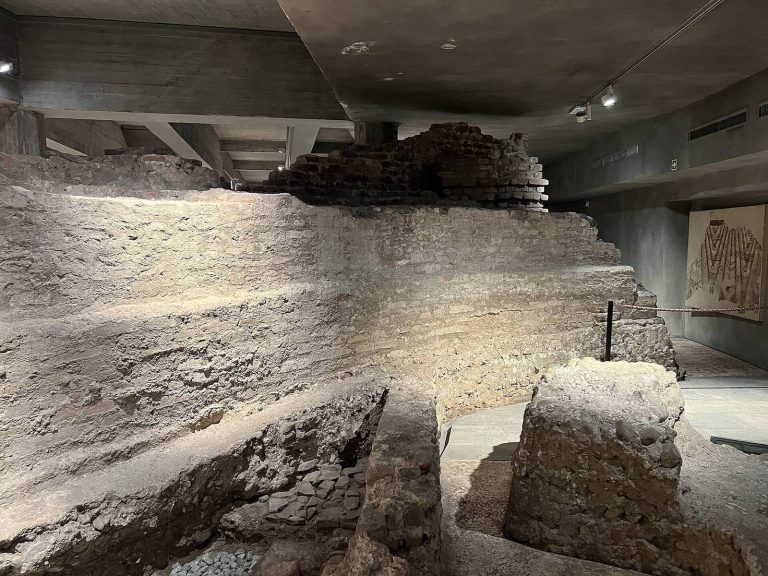
Palazzo Arcivescovile in Milan: The Archbishop’s Palace
Site at a Glance
- Popularity
- Medium
- Country
- Italy
- Primary era
- Early Modern
- Eras represented
- Medieval, Early Modern
- Civilizations
- Duchy of Milan, Habsburg, Habsburg Austria, Habsburg Spain, Holy Roman Empire, Spanish
- Site type
- Religious
- Remains
- Palace
On this page6 sections
History
Palazzo Arcivescovile in Milan is the archbishop’s official residence in Italy; the present palace dates to a sixteenth-century rebuilding and was partly remodeled in Neoclassical forms in the late eighteenth century.
Medieval seat and sixteenth-century rebuilding
An archiepiscopal seat had existed in Milan since the twelfth century. The present palace, however, arose from a later reconstruction.
Carlo Borromeo, the cardinal and archbishop of Milan who led Catholic reform, wanted to live in the palace permanently and ordered it completely rebuilt. The architect Pellegrino Tibaldi began the work in 1565.
Late eighteenth-century renovation and continuing role
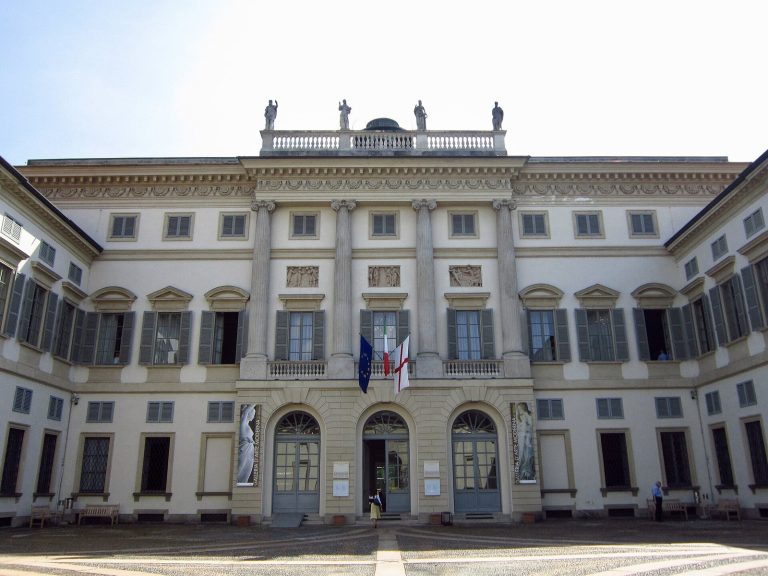
Giuseppe Piermarini renovated the palace in 1784, giving it partly Neoclassical forms.
The building continues to serve as the archbishop of Milan’s official residence. Historically, it belonged to the city’s Porta Romana district.
Remains
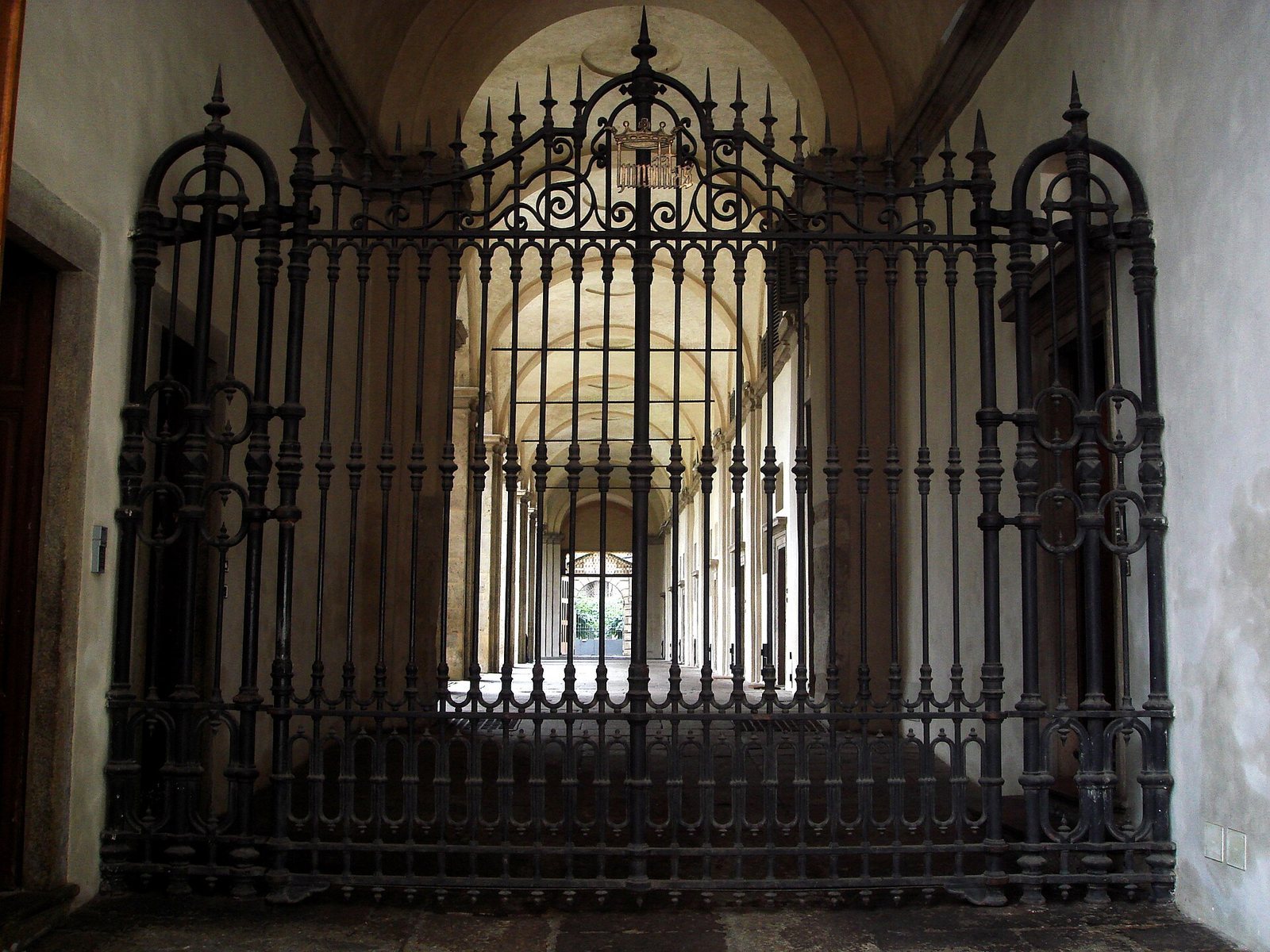
The surviving features include elements of the earlier palace on several elevations and in the entrance portico, alongside later work on the facade and a two-tiered courtyard.
Facades and entrance
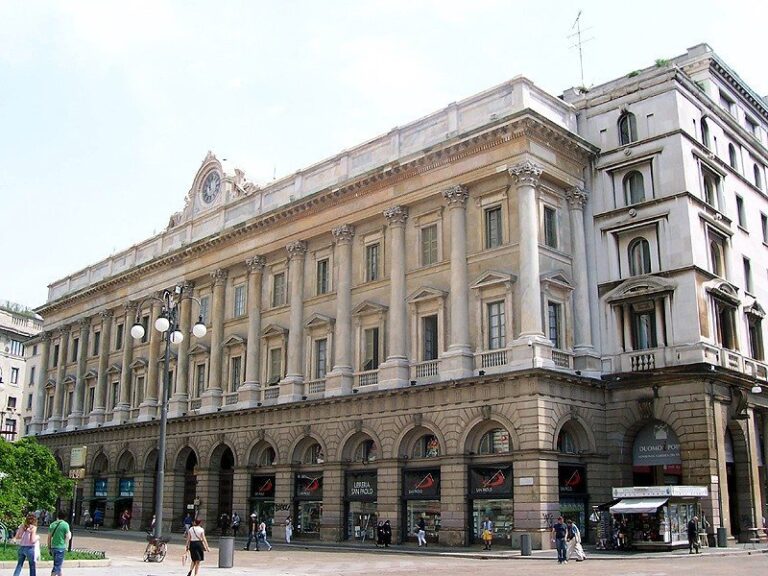
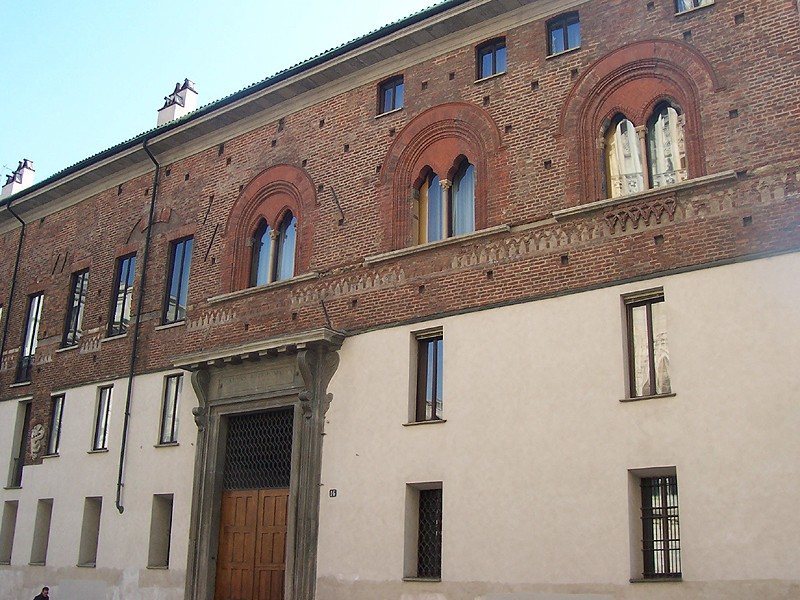
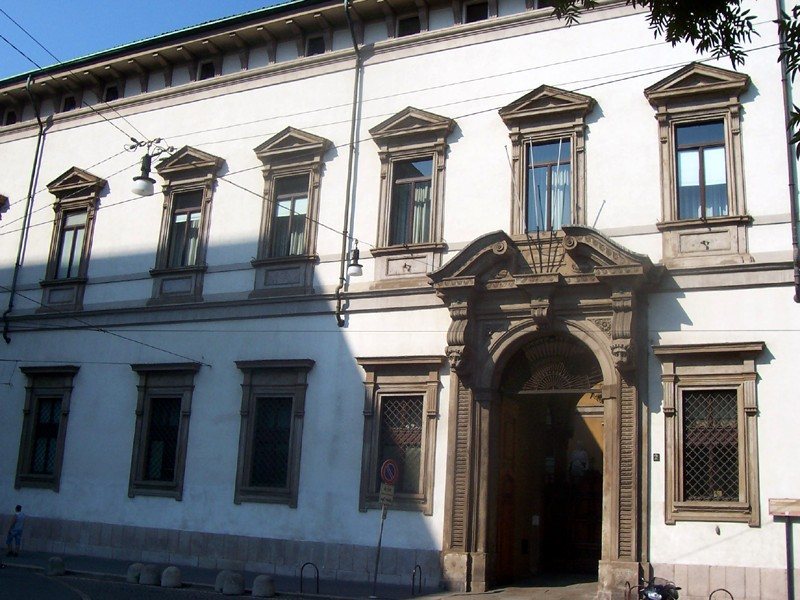
Windows and terracotta friezes from the earlier palace remain on the side facade facing Piazza Duomo, on the rear facade along Via delle Ore, and in the entrance portico. The facade’s appearance is attributed to Piermarini’s renovation. Tibaldi’s Mannerist portal, in a style that developed after the High Renaissance, is its principal feature.
Canonry Courtyard
The Canonry Courtyard has two levels of round arches built in rusticated masonry, where rough-textured stone or emphasized joints shape the wall surface. Its austere architecture is associated with the Counter-Reformation, the movement of Catholic reform and renewal in response to the Protestant Reformation.