Kirchstetten Castle: A Baroque Residence in Lower Austria
Site at a Glance
- Rating
- 4.5
- Popularity
- Medium
- Country
- Austria
- Primary era
- Early Modern
- Eras represented
- Early Modern
- Civilizations
- Habsburg, Habsburg Austria, Holy Roman Empire
- Site type
- Domestic
- Remains
- Castle
On this page8 sections
History
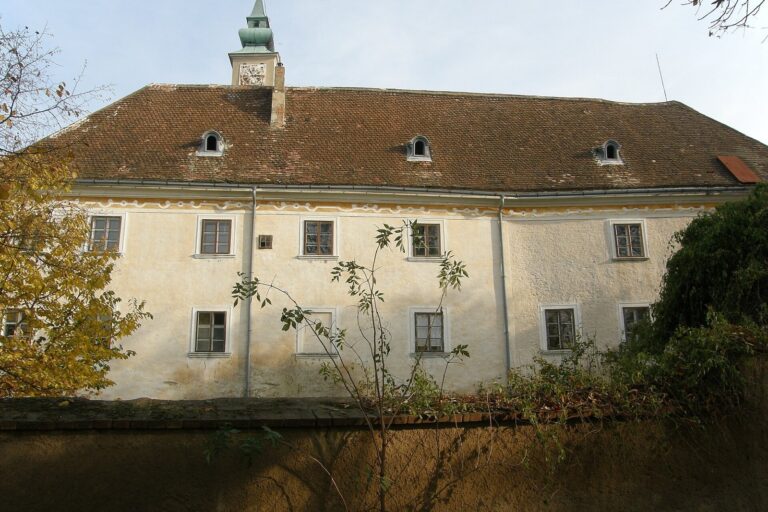
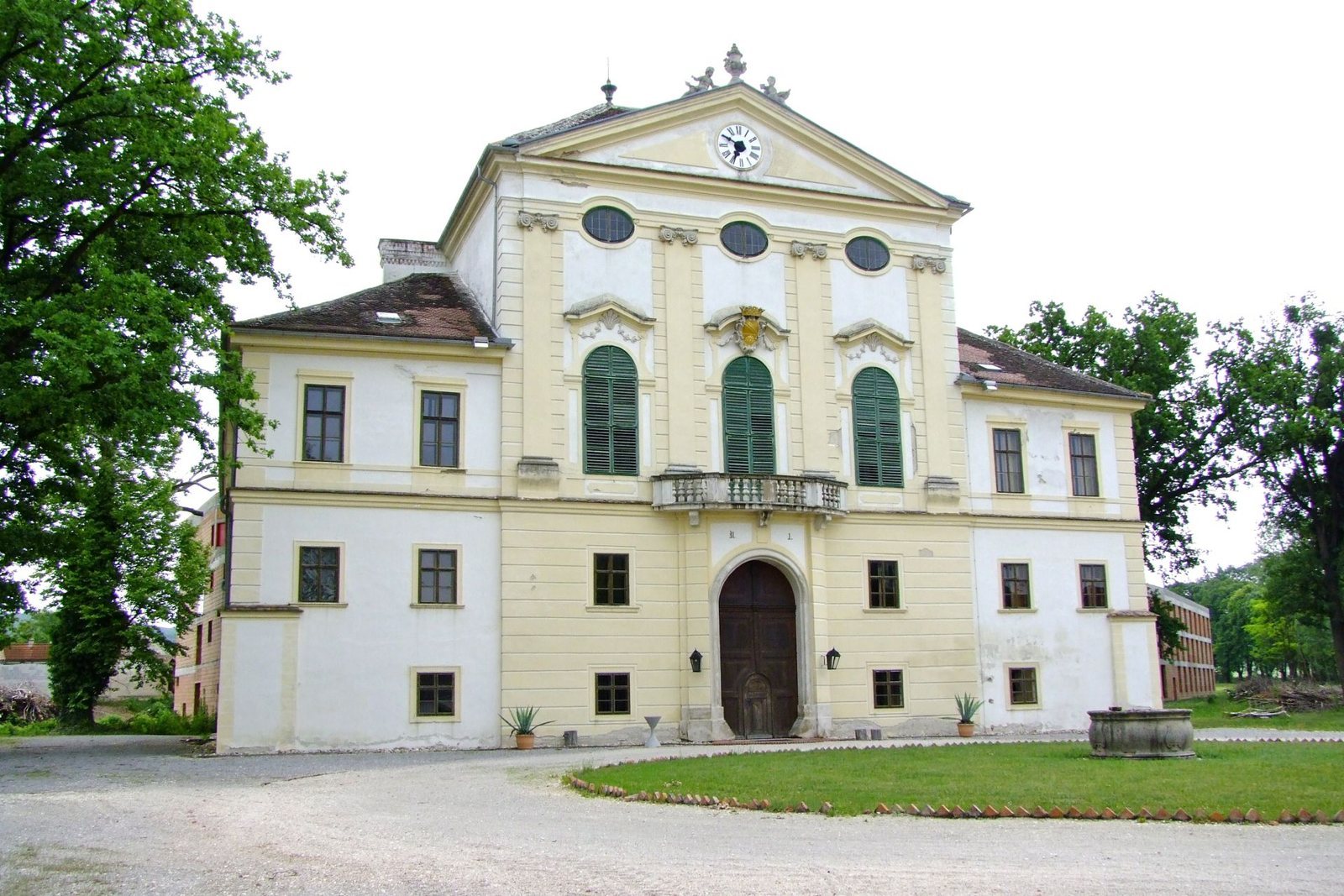
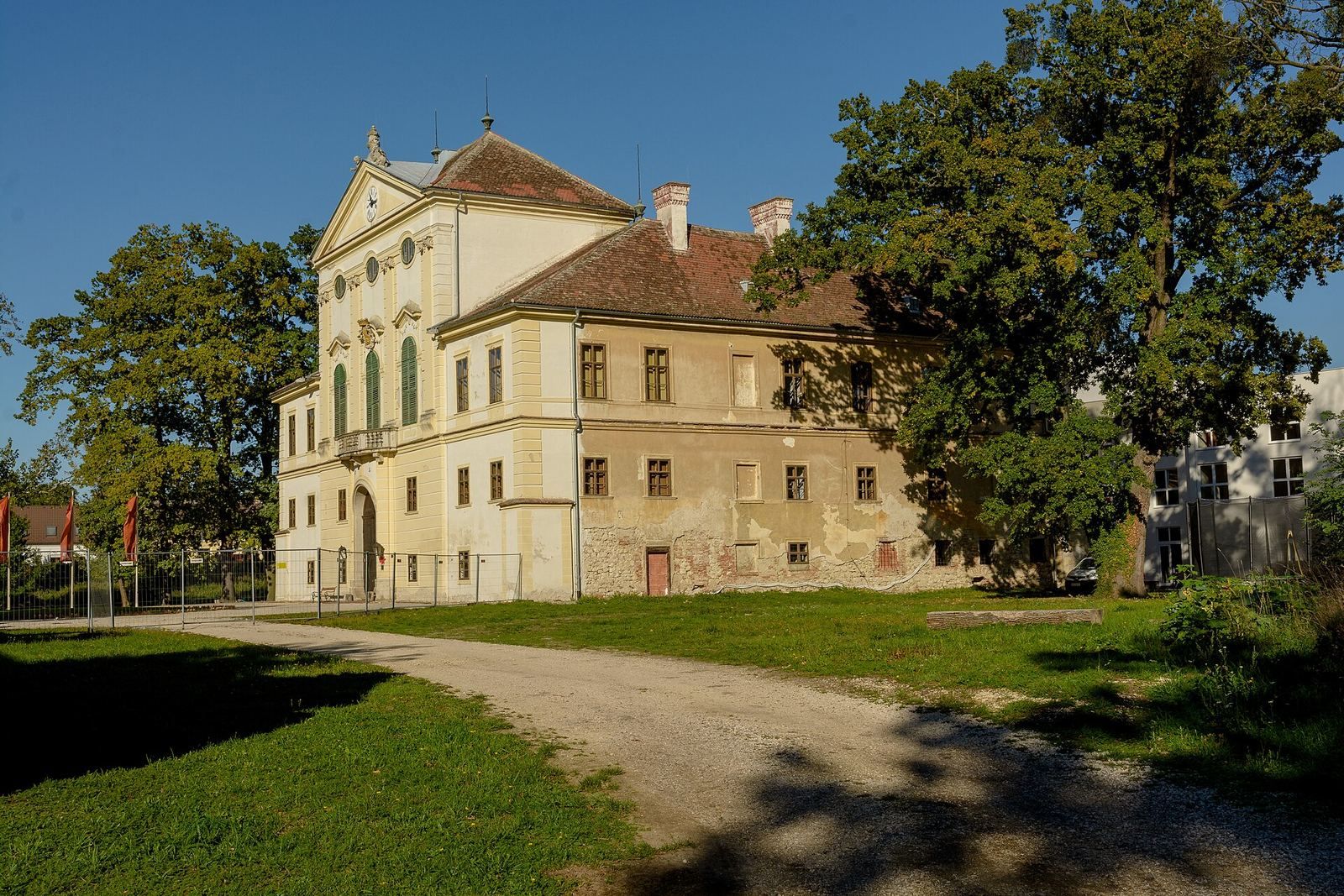
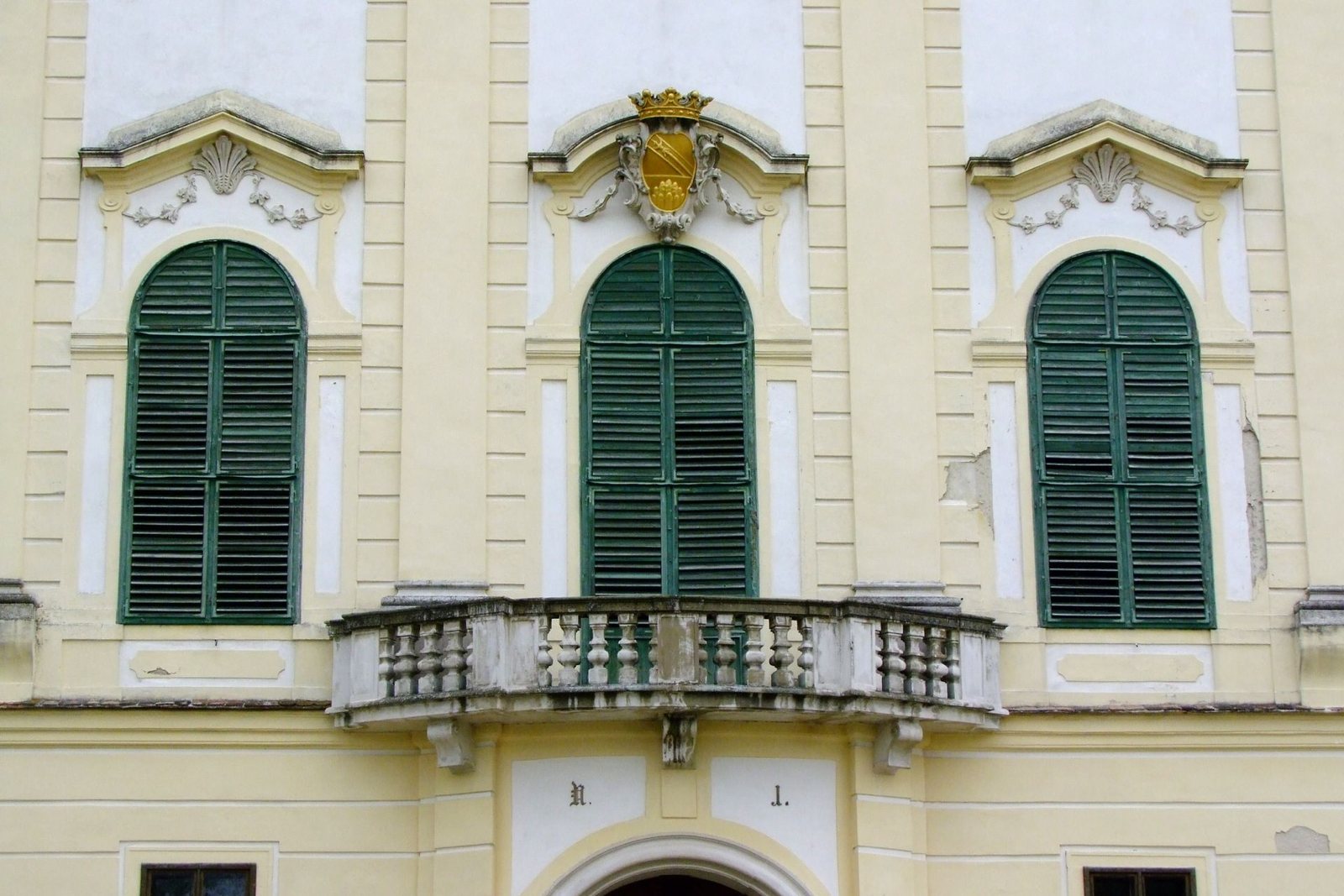
Kirchstetten Castle is a historic residence in Kirchstetten, in the municipality of Neudorf im Weinviertel, Lower Austria, Austria. Its substantial core dates to the sixteenth century, and a later remodeling gave the castle its Baroque character.
Baroque transformation
In 1723, Matthias von Suttner, an imperial personal physician, acquired the castle and commissioned its remodeling to plans by the Austrian architect Joseph Emanuel Fischer von Erlach. The Baroque style was an elaborate artistic and architectural mode prominent in Europe from the seventeenth into the eighteenth century.
Postwar decline and cultural use
The Suttner family left after 1945, and the castle then stood unused for decades. A burglary in 1975 resulted in the theft of a weapons collection and some furnishings.
An investment company began work on a thermal bath and spa hotel between the castle and its park, but went bankrupt before the project was completed. The castle was partly renovated for the 1998 Lower Austrian State Exhibition, titled “Rebellious and Conformist: Women’s Lives in Austria.” Since 1999, it has hosted an annual summer festival of opera and classical music.
Remains
Plan and setting
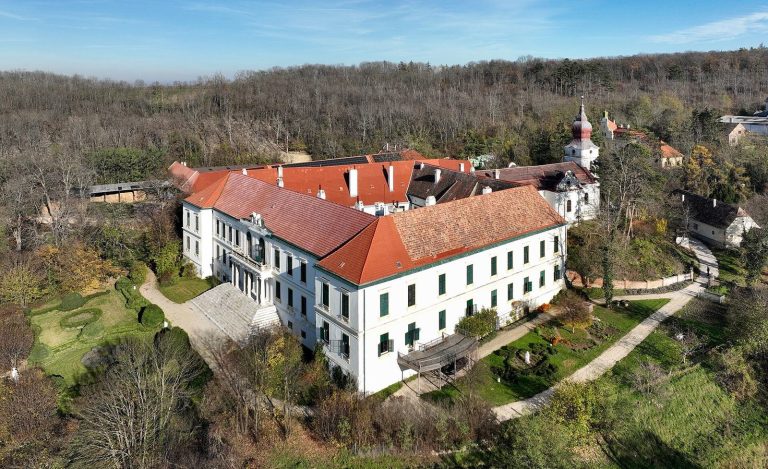
The castle was originally arranged as four wings, surrounded by a water-filled moat, walls, and small outer defensive structures. Its present plan is U-shaped and open to the east, where an extensive park lies. Substantial parts of the castle survive, while an unfinished shell from the abandoned bath-and-hotel project stands between the castle and the park.
Interior spaces and artwork
Fest-Maulbertsch Hall
The hall is named for its ceiling painting by Franz Anton Maulbertsch, an Austrian painter and major figure of late Baroque art. Created for the castle between 1750 and 1752, the oil painting, The Triumph of Truth over Time, is mounted on the ceiling and was Maulbertsch’s most important early work. Each end wall carries two large portraits of the Suttner family by Franz Anton Palko, an eighteenth-century painter associated with Rococo, a decorative style that followed the Baroque. The hall is also used for Bel canto, an operatic singing tradition focused on lyrical tone and vocal agility, including performances of rarely staged works.
Chapel
The chapel’s altarpiece was by Kremser Schmidt, the name used by the Austrian painter Martin Johann Schmidt. It was stolen during the 1975 burglary.